If you own a Jeep with a 2. 4-liter engine, understanding the Jeep 2.
4 belt diagram is essential for proper maintenance. The serpentine belt, sometimes called the drive belt, controls several critical components under your hood.
If this belt fails or is installed incorrectly, your Jeep can face serious issues, from overheating to battery problems. This guide will explain the belt diagram, show you where each component sits, and help you avoid common mistakes that can cost you time and money.
What Is The Jeep 2.4 Belt Diagram?
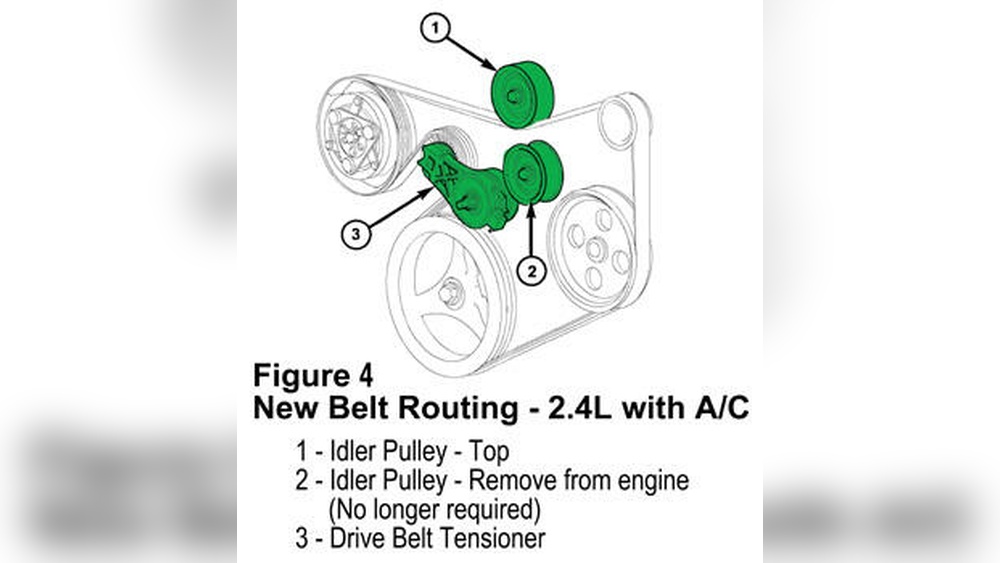
A belt diagram shows the path of the serpentine belt around the pulleys and accessories in your Jeep’s engine. For the 2.4-liter engine, this belt drives the alternator, power steering pump, air conditioning compressor, and water pump. The diagram is a visual map to ensure the belt is installed with the correct routing and tension.
Most Jeep 2. 4 engines use a single serpentine belt.
If you look under the hood or check the engine bay, you may see a sticker showing this diagram. If it’s missing, knowing the diagram before changing the belt is crucial.
Jeep 2.4 Belt Routing Explained
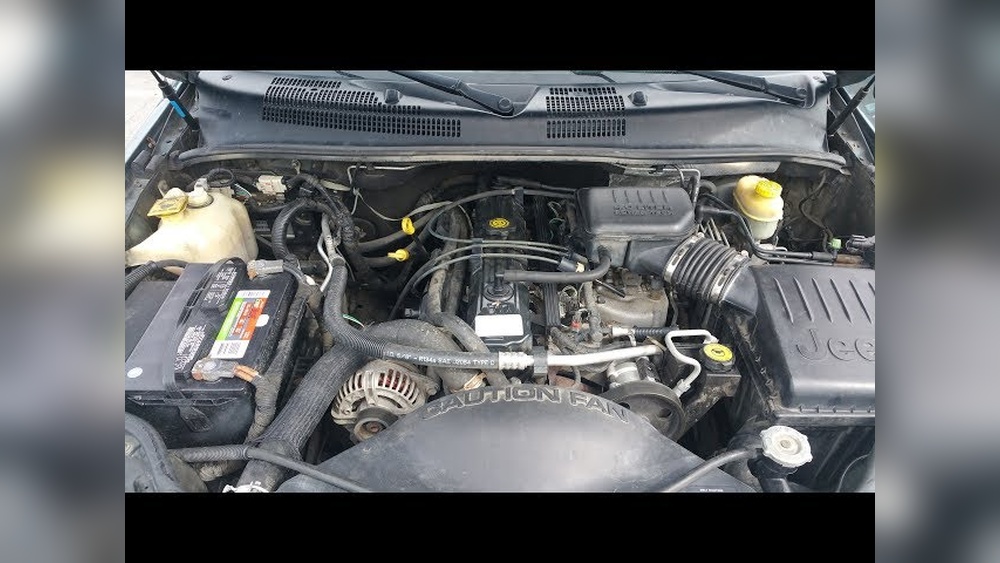
The Jeep 2.4-liter engine is found in models such as the Jeep Liberty, Jeep Patriot, and Jeep Compass. While routing is similar, some minor differences can appear between years or trims. Here’s a typical layout:
| Component | Position in Belt Path | Function |
|---|---|---|
| Crankshaft Pulley | Start/End | Drives all other components |
| Alternator | Upper Right | Charges battery |
| Power Steering Pump | Upper Left | Helps steering |
| Air Conditioning Compressor | Lower Right | Controls A/C |
| Water Pump | Lower Left | Cools the engine |
| Tensioner Pulley | Mid-Path | Maintains tension |
| Idler Pulley | Between components | Guides belt |
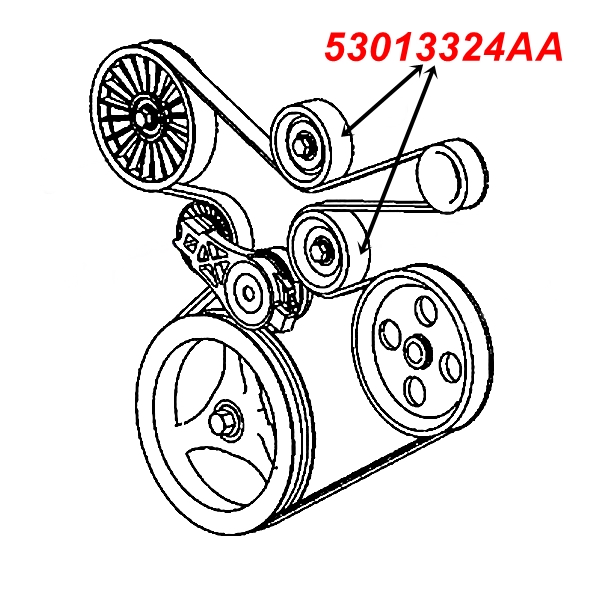
The belt winds around each pulley in a specific pattern. The crankshaft pulley is the main driver, and the belt usually follows a zigzag route.
Always check your vehicle’s manual or the sticker under the hood for the exact diagram.
Step-by-step Guide: Replacing The Jeep 2.4 Serpentine Belt
Changing the serpentine belt is a task many owners can do at home with basic tools. Follow these steps for a safe and successful replacement:
1. Disconnect The Battery
Safety first. Unhook the negative battery cable before working near engine components.
2. Locate The Belt Routing Diagram
Check for a sticker under the hood. If missing, draw a quick sketch or print a diagram before removing the old belt.
3. Relieve Tension
Use a wrench or serpentine belt tool on the tensioner pulley. Turn it to release tension and slide the old belt off.
4. Remove The Old Belt
Gently pull the belt off each pulley. Check for cracks or glazing, which can signal other problems.
5. Install The New Belt
Route the new belt according to the diagram, making sure every rib sits in the pulley grooves. Save the tensioner for last.
6. Reapply Tension
Turn the tensioner pulley again, slip the belt over, and slowly release the tensioner to apply pressure.
7. Double-check Alignment
Ensure the belt is centered on each pulley and follows the correct path.
8. Reconnect The Battery And Test
Start the engine and listen for any squeaks or misalignment. If you hear odd noises, shut off the engine and inspect your work.
Common Mistakes When Installing The Belt
It’s easy to make errors when changing the serpentine belt. Here are pitfalls to avoid:
- Routing Mistakes: The most frequent error is routing the belt incorrectly. Even a small misplacement can damage components.
- Ignoring Pulley Wear: If pulleys have grooves or wobble, replace them. A new belt won’t last on damaged pulleys.
- Forgetting Tension: Too tight or too loose can both cause failure. Use the tensioner as designed.
- Not Checking Alignment: The belt should sit squarely in all grooves. Misalignment can cause squealing or quick wear.
How Long Does A Serpentine Belt Last?
A typical Jeep 2.4 serpentine belt lasts about 60,000 to 100,000 miles. However, heat, oil leaks, or worn pulleys can reduce its lifespan. Always inspect the belt during regular maintenance for cracks, fraying, or shiny spots.
Here’s a quick comparison of belt lifespan vs. signs of failure:
| Mileage | Expected Condition | What to Check For |
|---|---|---|
| Under 60,000 miles | Good | Check for visible damage |
| 60,000-100,000 miles | Wearing | Look for cracks, noise |
| Over 100,000 miles | Replace | Replace even if no damage |
When Should You Replace The Belt?
Replace the belt if you notice:
- Squealing noises from the engine
- Power steering feels heavy
- Air conditioning not working properly
- Battery warning light appears
If any of these symptoms show up, check the belt before driving further. A snapped belt can leave you stranded or damage the engine.

Tools And Tips For Diy Replacement
You’ll need:
- Serpentine belt tool or long-handled wrench
- New serpentine belt (check fit for your Jeep’s year and trim)
- Flashlight
- Gloves
Tip: Take a picture of the belt routing before removing the old one. This can be a lifesaver during reinstallation.
Some Jeep 2. 4 engines have tight spaces.
In these cases, a specialty serpentine belt tool, which is thinner and longer than a normal wrench, will help you reach the tensioner easily.
Jeep 2.4 Belt Diagram Example
Below is a simple visual layout for most Jeep 2.4-liter engines:
| Pulley | Belt Path Direction |
|---|---|
| Crankshaft | Start |
| Water Pump | Up |
| Alternator | Left |
| Idler | Down |
| Power Steering | Right |
| AC Compressor | Back to Crankshaft |
This is a simplified version. Always refer to your Jeep’s specific diagram for best results.

Why The Belt Diagram Matters
Many owners overlook the importance of the belt diagram. It’s not just about getting the belt on; it’s about ensuring every accessory works in sync. A misplaced belt can cause overheating, battery drain, or loss of power steering.
One often-missed detail: check the belt tensioner and idler pulleys when changing the belt. Worn pulleys can ruin a new belt in weeks. If you hear squeaks after replacement, don’t just blame the belt—inspect the pulleys.
If you’re ever unsure, consult a certified mechanic or trusted source like the Wikipedia Serpentine Belt page for more background.
Frequently Asked Questions
What Size Serpentine Belt Does The Jeep 2.4 Use?
Most Jeep 2.4 engines use a belt around 86–88 inches in length. However, always match the belt to your specific year and model for the best fit.
Can I Drive My Jeep If The Serpentine Belt Breaks?
No. If the belt breaks, you’ll lose power steering, charging, and cooling.
This can quickly lead to overheating and engine damage.
How Do I Know If My Belt Tensioner Is Bad?
Signs include belt squeal, visible wobble in the tensioner pulley, or the belt slipping off. Replace the tensioner if you notice these symptoms.
Do All Jeep 2.4 Engines Have The Same Belt Routing?
No. Most are similar, but small differences exist between model years and accessories.
Always check the diagram for your exact vehicle.
Is It Safe To Spray Belt Dressing On A Noisy Belt?
No. Belt dressing is a temporary fix and can attract dirt or cause slippage.
Find the root cause—usually misalignment or pulley wear—instead.
Understanding the Jeep 2.4 belt diagram is a small effort that pays off in reliability and peace of mind. With the right tools and careful attention, you can keep your Jeep running smoothly for many miles to come.