The Jeep Wagoneer has always carried a strong reputation for luxury, capability, and rugged design. But when it comes to its structure, many curious buyers and enthusiasts ask: Is the Jeep Wagoneer body on frame?
This detail matters because it affects the SUV’s strength, ride quality, towing capacity, and even its safety. Let’s explore the Wagoneer’s architecture, its impact on performance, and how it compares to other SUVs in its class.
What Does “body On Frame” Mean?
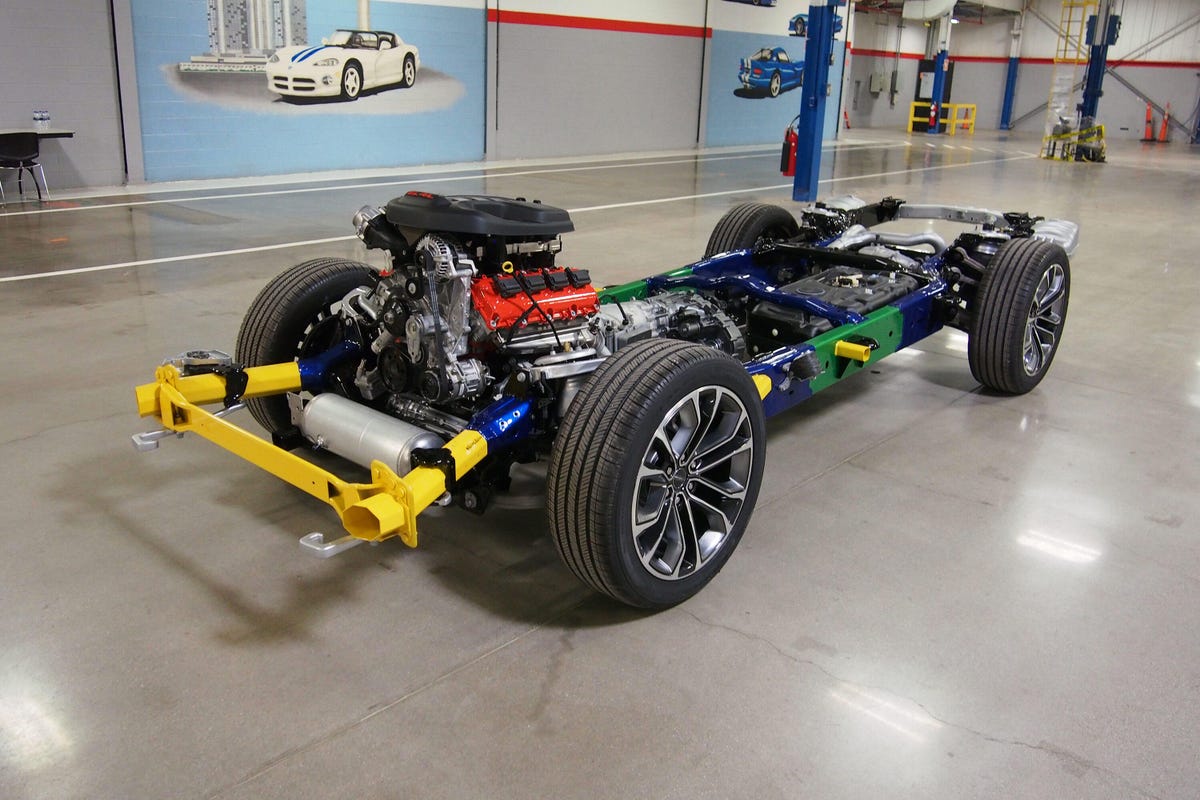
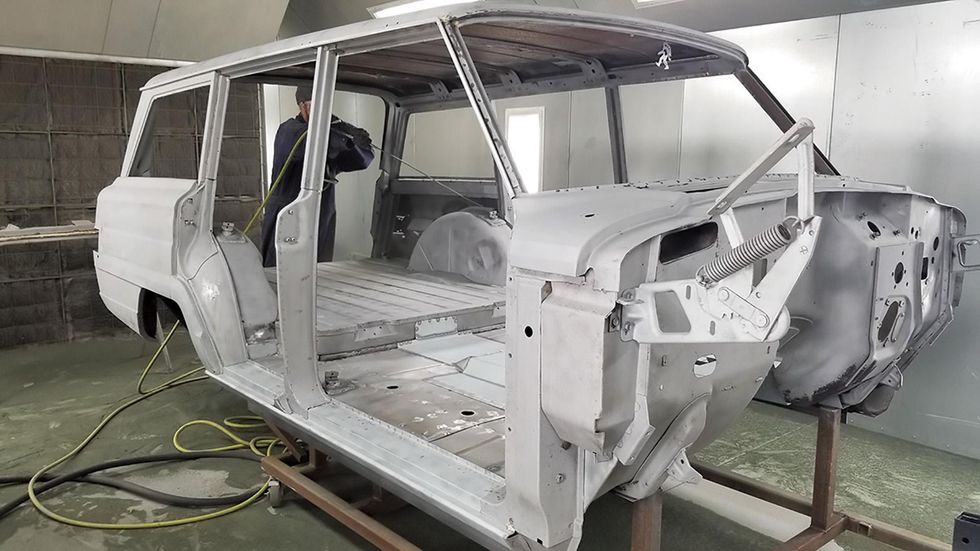
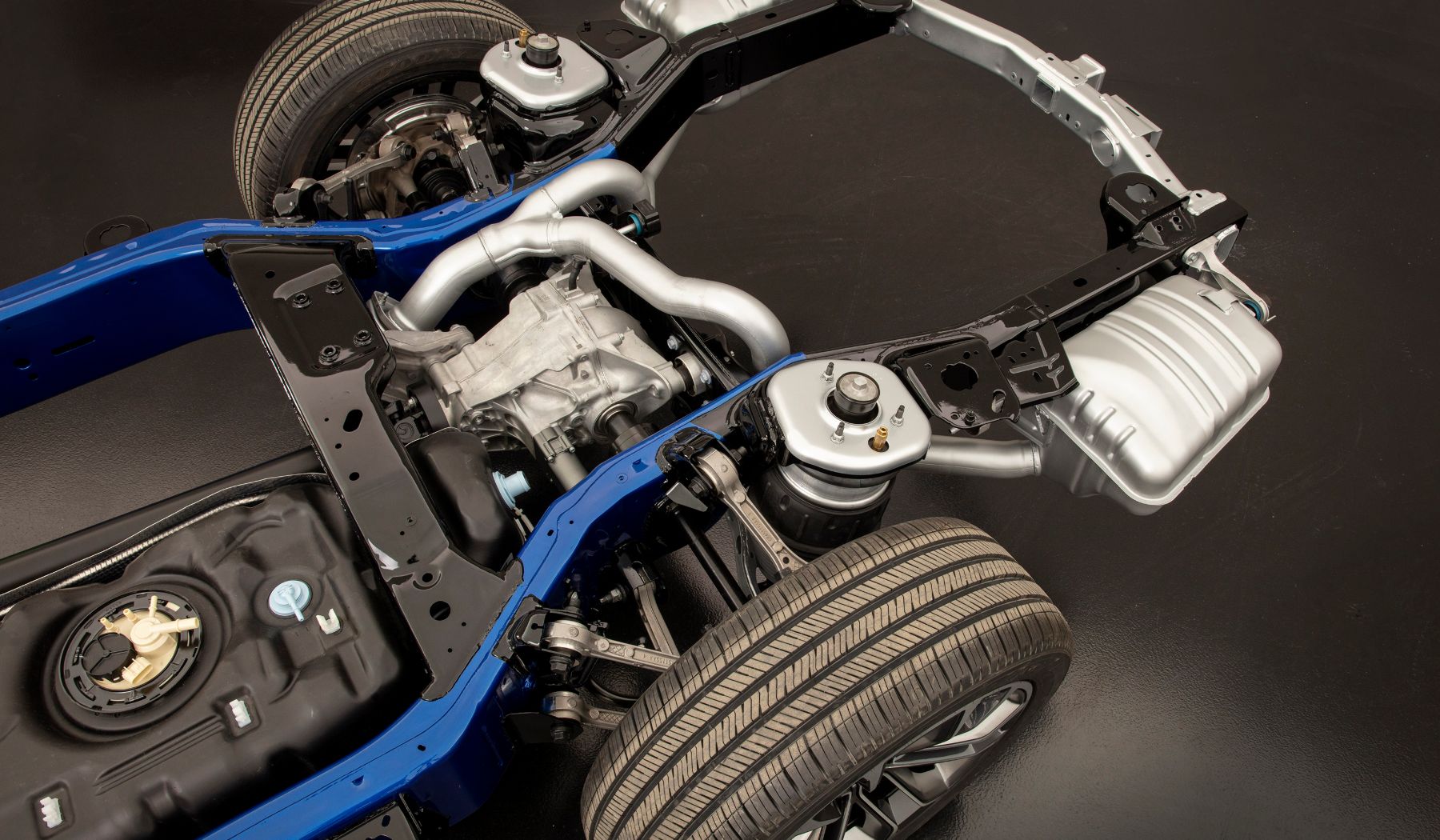
In simple terms, body on frame means the vehicle’s body sits on a separate frame, usually made of steel. The frame holds the engine, suspension, and wheels. This design is common in pickup trucks and traditional SUVs because it provides extra durability and better towing power. The opposite is unibody construction, where the body and frame are one piece, often used in cars and crossovers for lighter weight and smoother rides.

Jeep Wagoneer: Body On Frame Or Unibody?
The newest Jeep Wagoneer, launched in 2022, is body on frame. Jeep built it on the same platform as the Ram 1500 pickup truck, known for its robust design. This means the Wagoneer is tough, ready for heavy-duty tasks, and has the DNA of a classic SUV—not a soft crossover.
Here’s how the Wagoneer’s structure compares to other SUVs:
| Model | Construction Type | Platform Base |
|---|---|---|
| Jeep Wagoneer | Body on Frame | Ram 1500 |
| Chevrolet Tahoe | Body on Frame | Chevy Silverado |
| Ford Expedition | Body on Frame | Ford F-150 |
| Honda Pilot | Unibody | Honda Accord |
Why Body On Frame Matters For Wagoneer Owners
For those thinking about buying a Wagoneer, the body on frame design is a big selling point. Here’s why it matters:
- Towing Power: The Wagoneer can tow up to 10,000 pounds. That’s more than many crossovers and matches its main competitors.
- Off-Road Strength: Its frame can handle rough terrain, making the Wagoneer reliable for camping, hunting, or travel off paved roads.
- Durability: Body on frame SUVs tend to last longer, especially if used for hauling or heavy work.
But there are trade-offs. Body on frame vehicles are heavier, which can mean lower fuel efficiency and sometimes a less smooth ride compared to unibody SUVs.
Performance And Ride Quality
The Wagoneer’s structure shapes how it feels on the road. Its frame absorbs bumps, giving a strong, steady ride.
However, some drivers notice that body on frame SUVs can sway or bounce more over rough roads compared to unibody cars.
Let’s look at some ride and towing comparisons:
| Model | Max Towing (lbs) | Ride Comfort |
|---|---|---|
| Jeep Wagoneer | 10,000 | Very Good (for body on frame) |
| Chevrolet Tahoe | 8,400 | Good |
| Ford Expedition | 9,300 | Good |
| Honda Pilot | 5,000 | Excellent (unibody) |
As seen above, the Wagoneer’s towing numbers are top-level, and its ride quality is impressive for a body on frame SUV. Jeep uses advanced suspension systems to make the ride smoother, narrowing the gap with unibody rivals.
Safety And Comfort Considerations
Many buyers worry that body on frame vehicles are less safe than unibody models. In reality, both designs have advantages. The Wagoneer comes with modern safety features: airbags, collision alerts, automatic braking, and strong crash-test scores. The frame absorbs impacts well, but unibody vehicles can sometimes perform better in crash tests due to their rigid structure.
Comfort is also important. The Wagoneer’s cabin is quiet, spacious, and luxurious.
Jeep added extra insulation and smart engineering so road noise and vibration are low, even though the frame is separate.
Common Misconceptions About The Wagoneer
Some think all modern SUVs are unibody, but that’s not true. Jeep chose body on frame for the Wagoneer to keep its legendary toughness. Another misconception: body on frame is old technology. But with new materials and design, today’s frames are lighter, stronger, and offer better handling than before.
A detail beginners often miss is that the Wagoneer’s frame allows for easier repairs after accidents. Damaged parts can be replaced without rebuilding the whole body, saving time and money.
Comparing Wagoneer To Other Jeep Models
The Wagoneer is unique among Jeeps. For example, the Jeep Grand Cherokee uses a unibody structure. This makes it lighter, more fuel-efficient, and a bit smoother to drive. But the Grand Cherokee can’t match the Wagoneer’s towing capacity or ruggedness.
| Jeep Model | Construction | Towing (lbs) | Off-Road Capability |
|---|---|---|---|
| Wagoneer | Body on Frame | 10,000 | Excellent |
| Grand Cherokee | Unibody | 7,200 | Very Good |
| Wrangler | Body on Frame | 3,500 | Extreme |
The Wagoneer stands out as Jeep’s luxury, full-size SUV with serious towing muscle. If you need maximum strength and space, its body on frame build is the right choice.