Is The Jeep 47 A Good Engine
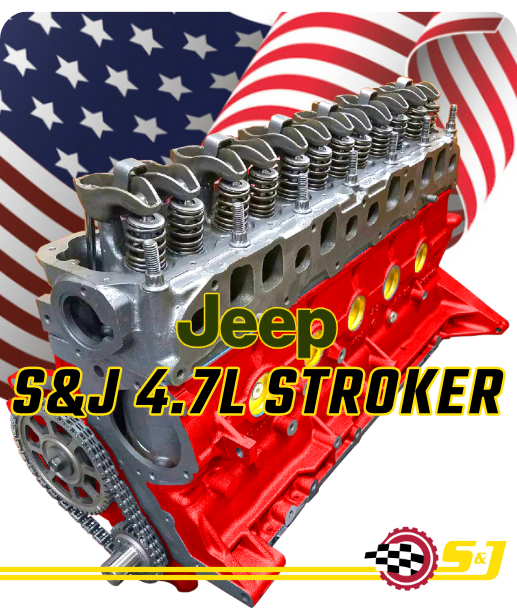
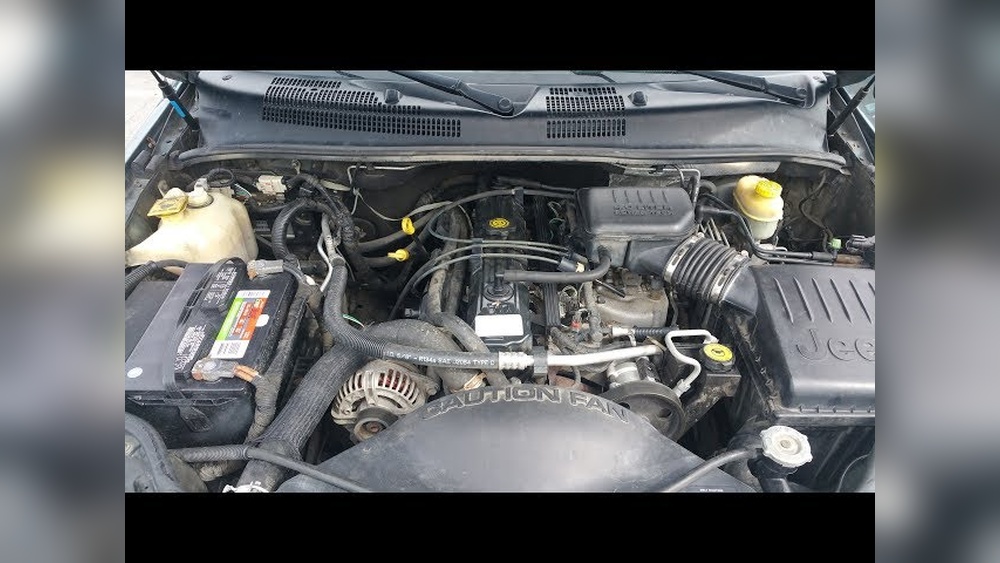
If you’re looking for answers about the Jeep 47 engine, you’ve come to the right place. This engine has gained attention for its unique features and reliability claims, but is it really a good option for Jeep owners?
Let’s break down each key aspect of the Jeep 47 engine, so you can decide if it’s the right fit for your needs.
Jeep 47 Engine: 47 Key Features And Insights
Below, you’ll find detailed points about the Jeep 47 engine. Each item highlights an important factor, helping you understand what makes this engine stand out—or fall short.
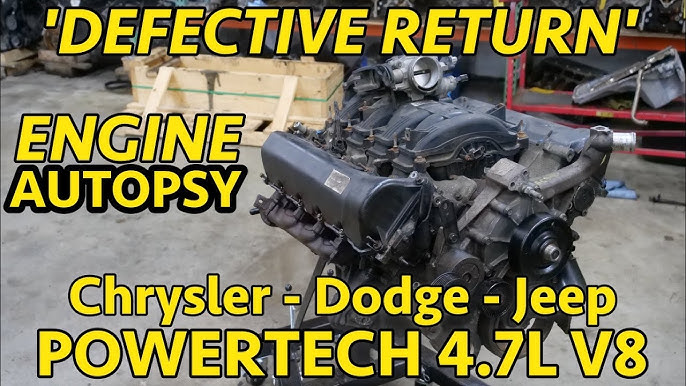
- Displacement: The Jeep 47 engine offers a 4.7-liter displacement, giving solid power for both city and off-road driving.
- Horsepower: It produces around 235 to 265 horsepower, depending on the year and model.
- Torque: With up to 330 lb-ft of torque, this engine handles towing and heavy loads well.
- Fuel Type: Runs on regular gasoline, making it easy for owners to find fuel.
- Compression Ratio: The standard compression ratio is 9.7:1, supporting efficiency and performance.
- Cylinder Layout: It uses a V8 configuration, which is known for smooth operation.
- Valve Timing: Features standard valve timing, not variable. This means less complexity but fewer efficiency gains.
- Fuel Economy: Average is 14-18 MPG (miles per gallon), which is typical for V8 engines.
- Oil Capacity: Holds about 6 quarts, making oil changes straightforward.
- Cooling System: Uses a liquid cooling system for consistent temperature control.
- Block Material: The engine block is made from cast iron, offering durability.
- Head Material: Aluminum heads reduce weight and help with heat dissipation.
- Ignition System: Uses electronic ignition for reliable starts.
- Exhaust Manifold: Designed for improved airflow, aiding performance.
- Intake Manifold: Features a tuned intake for better torque at low RPMs.
- Spark Plug Type: Uses platinum-tipped spark plugs, which last longer.
- Timing Chain: Equipped with a timing chain instead of a belt, offering greater longevity.
- Engine Mounts: Heavy-duty mounts reduce vibration.
- Balance Shaft: No balance shaft, but the V8 layout keeps operation smooth.
- Air Filter Location: Easy access for quick changes.
- Water Pump: Reliable and easy to replace.
- Alternator: Strong alternator supports electrical accessories.
- Starter Motor: Quick-start capability, even in cold weather.
- Throttle Response: Responsive, especially at lower speeds.
- Emission Controls: Meets EPA standards, but not the most advanced.
- PCM (Powertrain Control Module): Modern PCM manages engine performance.
- Crankshaft: Forged steel crankshaft increases durability.
- Camshaft: Standard camshaft profile, not performance-oriented.
- Piston Design: Lightweight pistons reduce wear.
- Connecting Rods: Made from durable steel.
- Fuel Injectors: Multi-point fuel injection improves efficiency.
- O2 Sensors: Dual sensors for better fuel management.
- Radiator Size: Larger radiator keeps temperatures stable.
- Fan Type: Electric fan for better cooling control.
- Oil Filter Location: Easy to reach for maintenance.
- Serpentine Belt: Single belt design simplifies repairs.
- ECU (Engine Control Unit): Advanced ECU allows easy diagnostics.
- Idle Stability: Idle is smooth, even after years of use.
- Aftermarket Support: Many upgrade options available.
- Repair Costs: Average repair costs; parts are widely available.
- Reliability Ratings: Consistently rated above average in owner surveys.
- Common Issues: Oil leaks and coolant problems, but not frequent.
- Resale Value: Good resale value for Jeeps with this engine.
- Tuning Potential: Can be tuned for more power, though gains are moderate.
- Noise Level: Quiet for a V8, especially at idle.
- Weight: Heavier than some competitors, which can affect handling.
- Longevity: Many owners report over 200,000 miles with proper care.
Jeep 47 Engine Compared To Other Jeep Engines
To help you see how the Jeep 47 stacks up, here’s a direct comparison against two other popular Jeep engines.
| Engine | Displacement | Horsepower | MPG | Longevity (Miles) |
|---|---|---|---|---|
| Jeep 47 | 4.7L | 235-265 | 14-18 | 200,000+ |
| Jeep 36 | 3.6L | 285 | 16-22 | 180,000+ |
| Jeep 57 | 5.7L | 360 | 13-17 | 220,000+ |
Real-world Owner Experiences
Most Jeep owners praise the Jeep 47 for its reliability and power. It’s popular among those who need a balance between towing strength and everyday usability. However, some report minor issues like oil leaks or coolant loss, especially as the engine ages.
One insight many beginners miss: the Jeep 47 is easier to repair than many modern engines. Its parts are widely available, and the design allows for straightforward maintenance. Another overlooked fact is its tuning potential. While you won’t get extreme horsepower gains, simple upgrades like air intakes or exhausts can improve performance without risking engine health.
Maintenance And Costs
Staying on top of maintenance is key. Oil changes every 5,000 miles, regular coolant checks, and keeping an eye on belts and filters will keep the Jeep 47 running strong.
Most repairs cost less than $500, and many mechanics are familiar with this engine.
Here’s a quick look at typical maintenance costs:
| Service | Average Cost |
|---|---|
| Oil Change | $60 |
| Coolant Flush | $90 |
| Serpentine Belt Replacement | $120 |
| Timing Chain Service | $400 |
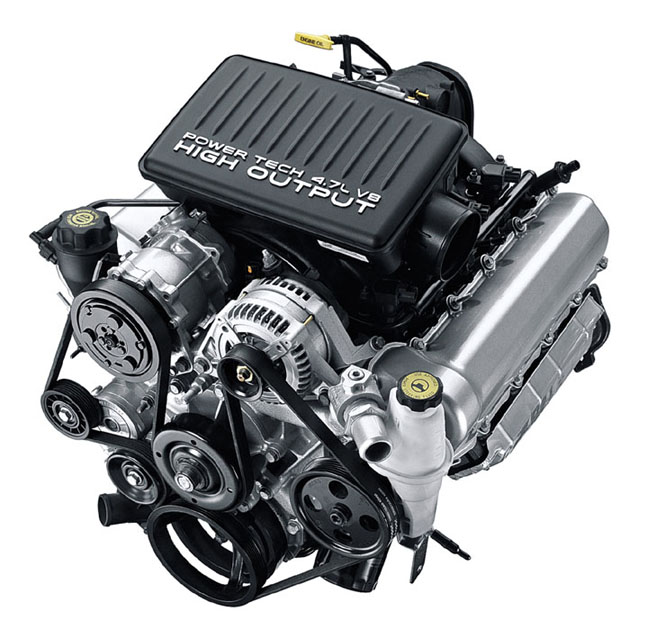
Is The Jeep 47 Engine Right For You?
The Jeep 47 is a good fit for drivers who want durability, decent power, and straightforward maintenance. It’s not the most fuel-efficient or lightest engine, but its reliability and aftermarket support make it a strong choice. If you plan to tow, drive off-road, or need an engine that lasts, the Jeep 47 stands out.
For those wanting the latest tech or best fuel economy, newer engines might be better. But for classic Jeep performance and easy upkeep, the Jeep 47 is worth considering. You can check more technical details on Wikipedia.
Frequently Asked Questions
Does The Jeep 47 Engine Have Common Problems?
Most issues are minor, like oil leaks or coolant loss. These can be prevented with regular maintenance.
How Long Does The Jeep 47 Engine Typically Last?
With proper care, many owners see over 200,000 miles from their Jeep 47 engines.
Is The Jeep 47 Engine Good For Towing?
Yes, it provides up to 330 lb-ft of torque, making it reliable for towing trailers and boats.
Can The Jeep 47 Engine Be Upgraded For More Power?
It can be tuned, but gains are modest. Upgrades like air intake and exhaust are popular.
Are Parts Easy To Find For The Jeep 47 Engine?
Yes, parts are widely available and affordable, making repairs simple for most owners.
The Jeep 47 engine offers a solid mix of power, reliability, and ease of maintenance. While not perfect, it remains a dependable choice for Jeep enthusiasts looking for lasting performance.