Is The 2.4l Jeep Engine Good?
Jeep is known for building tough vehicles that handle both city streets and rugged trails. But when it comes to engines, not every option is the same.
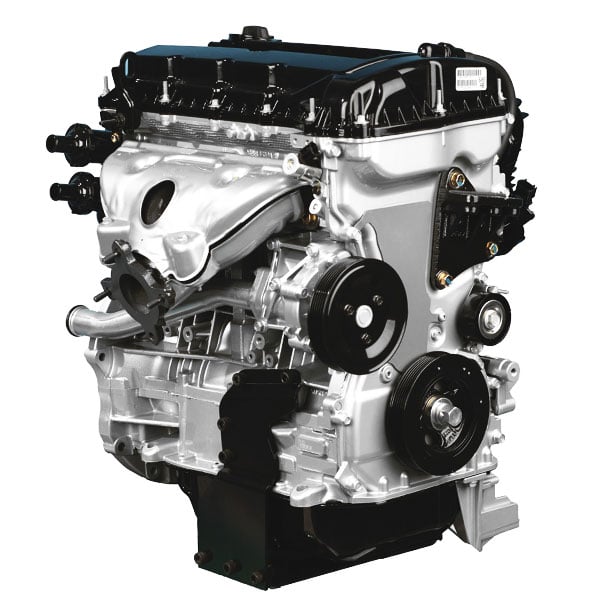
The 2. 4L Jeep engine—also known as the Tigershark—has powered popular models like the Jeep Compass, Renegade, and Cherokee.
If you’re wondering whether this engine is a smart pick, you’re not alone. Many buyers want to know how it performs, how reliable it is, and if there are any common problems.

Let’s take a closer look at what makes the 2. 4L Jeep engine stand out and where it might fall short.
Key Specs And Performance
The 2.4L Tigershark engine is a four-cylinder, naturally aspirated motor. It was introduced to give Jeep vehicles a balance of power and efficiency. Here’s how it stacks up in the real world:
| Specification | Details |
|---|---|
| Engine type | 2.4L I4 Tigershark MultiAir |
| Horsepower | 180 hp @ 6,400 rpm |
| Torque | 175 lb-ft @ 3,900 rpm |
| Fuel Economy | 22-31 MPG (combined, depending on model) |
| Compression Ratio | 10.0:1 |
For daily driving, the 2.4L engine offers enough power for city and highway use. It can feel a bit slow during quick acceleration, especially when fully loaded or climbing hills. However, many owners appreciate its balance between fuel savings and reasonable output.
Reliability And Longevity
The big question for many buyers is: Will this engine last? The answer is mostly positive, but there are a few things to watch out for.
| Pros | Cons |
|---|---|
| Simple design | Oil consumption issues |
| Fewer moving parts than turbo engines | Engine stalling complaints |
| Common in Jeep and Fiat vehicles | Somewhat noisy operation |
Many users report that with regular maintenance, the Tigershark can last over 150,000 miles. Oil changes, coolant checks, and using the right fuel make a big difference. But, some drivers experience higher oil consumption than expected. If you ignore oil levels, this can lead to serious engine damage.
Non-obvious insight: Many owners forget to check oil frequently, assuming modern engines don’t need top-offs. The 2.4L often requires checks every 1,000 miles, especially after 60,000 miles of use.
Common Problems And Complaints
No engine is perfect. The 2.4L Jeep engine has its share of known issues:
- Oil Consumption: Some engines burn oil faster than others. This is the most common complaint. It doesn’t always mean a leak—oil can burn off internally.
- Stalling and Hesitation: A number of users have reported the engine stalling at low speeds or during idle. This is often linked to the MultiAir system or software bugs.
- Noise: The Tigershark is louder than some competitors, especially at higher RPMs. This isn’t always a problem but can bother some drivers.
- Check Engine Light: Some owners see the warning light without clear reasons. Usually, it’s a sensor issue, but it can cause concern.
Non-obvious insight: If you notice oil spots under your car, don’t assume it’s only a leak. It might be the engine burning oil, which is harder to detect without regular level checks.
How Does It Compare To Other Jeep Engines?
Jeep offers several engines in similar vehicles. Here’s a quick look at how the 2.4L stacks up against two other popular options:
| Engine | Horsepower | Torque | Fuel Economy (Combined) |
|---|---|---|---|
| 2.4L Tigershark | 180 hp | 175 lb-ft | 22-31 MPG |
| 2.0L Turbo | 270 hp | 295 lb-ft | 23-27 MPG |
| 3.2L V6 | 271 hp | 239 lb-ft | 20-29 MPG |
The 2.0L Turbo gives more power and better torque but is more complex and may need premium fuel. The 3.2L V6 is stronger but uses more gas. The 2.4L is a middle ground—good for everyday driving and lower running costs.
Who Should Consider The 2.4l Jeep Engine?
This engine fits drivers who:
- Want solid fuel economy for a compact SUV
- Don’t need top speed or heavy towing
- Drive mostly in city or highway conditions
- Are willing to check and maintain oil regularly
If you plan to tow heavy loads, go off-road often, or need fast acceleration, you might be happier with a larger engine.
Practical Tips For Owners
To get the most from the 2.4L Jeep engine:
- Check oil levels every 1,000 miles, especially after 60,000 miles of use.
- Use the manufacturer-recommended oil and fuel.
- Don’t ignore warning lights—get them checked right away.
- Schedule timely maintenance for the MultiAir system.
- Let the engine warm up for a minute in cold weather. This helps the MultiAir system work better.
Many problems happen because of skipped maintenance or not noticing small changes in engine sound or feel.
Is The 2.4l Jeep Engine Good Overall?
The 2.4L Jeep engine is a solid choice for daily use. It’s simple, fuel-efficient, and has a reputation for lasting many years when cared for. However, owners must stay on top of oil checks and routine servicing. It may not be the best for those who need extra power or silence under the hood, but for most city and highway drivers, it gets the job done. For more detailed specs and history, you can visit the Chrysler Tigershark engine page.
Frequently Asked Questions
What Vehicles Use The 2.4l Jeep Engine?
This engine is found in models like the Jeep Compass, Renegade, Cherokee, and some Fiat vehicles. It’s popular in compact and midsize SUVs from 2013 to recent years.
How Often Should I Check The Oil In My 2.4l Jeep Engine?
It’s smart to check oil every 1,000 miles or at least once a month. This engine can burn oil faster than expected, especially as it gets older.
Does The 2.4l Jeep Engine Have A Timing Belt Or Chain?
The 2.4L Tigershark uses a timing chain. This usually lasts longer than a belt and needs less frequent replacement, but listen for rattling noises as the engine ages.
Is The 2.4l Engine Good For Off-roading?
It’s fine for light off-roading and trail driving. For serious off-road use or towing, a larger engine like the 3.2L V6 is a better pick.
What Is The Most Common Problem With The 2.4l Jeep Engine?
The biggest issue is high oil consumption. Owners should check levels often and top up as needed to avoid engine damage.