Few vehicles spark as much curiosity as the Jeep Wrangler. With its rugged looks and legendary off-road reputation, many people wonder what makes this SUV so tough.
One common question is: Is the Jeep Wrangler body-on-frame? The answer matters because the frame type affects strength, durability, and driving experience.
Let’s dive into how the Jeep Wrangler is built, why it matters, and how it compares to other SUVs.

The Jeep Wrangler’s Body Construction
The Jeep Wrangler uses a body-on-frame construction. This means the body and the frame are two separate parts. The frame, or chassis, is a strong steel platform.
The body is then placed on top of this frame and attached with bolts.
This design has been part of the Wrangler’s DNA since the beginning. Even the latest models, like the Wrangler JL (introduced in 2018), keep this structure.
Many people associate body-on-frame with trucks and old-school SUVs—and for good reason.
It’s known for handling rough terrain, heavy loads, and making vehicles easier to repair after tough use.
How Body-on-frame Works
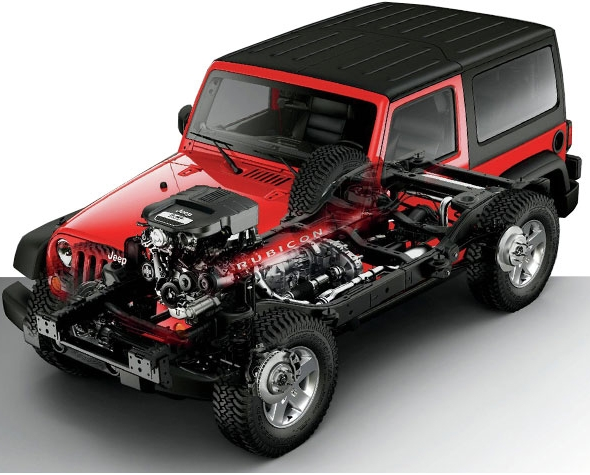
In this type of build, the frame acts as the backbone. It holds the engine, axles, and suspension. The body sits on top, mainly for comfort and style.
If you look under a Wrangler, you’ll see this sturdy ladder-like frame.
Benefits Of Body-on-frame
- Toughness: Handles off-road bumps and impacts better than unibody designs.
- Easier Repairs: Damaged parts can sometimes be fixed without replacing the whole vehicle.
- Towing Strength: More capable of pulling trailers or heavy loads.
Downsides
- Heavier: The extra steel adds weight, which can lower fuel economy.
- Less Agile: On-road handling can feel less refined compared to unibody SUVs.
- Ride Comfort: Sometimes, the ride can be rougher on normal streets.
Comparing Jeep Wrangler To Other Suvs
Not all SUVs are built the same way. Many modern SUVs use unibody construction, where the body and frame are one piece. This is common in most crossovers and family SUVs.
Here’s a simple comparison of body-on-frame and unibody construction:
| Feature | Body-On-Frame (Wrangler) | Unibody (Most SUVs) |
|---|---|---|
| Off-Road Strength | Excellent | Good to Fair |
| Ride Comfort | Basic | Smoother |
| Repair Cost | Often Lower | Often Higher |
| Fuel Efficiency | Lower | Higher |
Most family SUVs, like the Honda CR-V or Toyota RAV4, are unibody.
But the Jeep Wrangler stands out with its classic body-on-frame build—much like the Toyota 4Runner or Ford Bronco.
Why Jeep Sticks With Body-on-frame
The Wrangler’s reputation comes from its off-road abilities. The frame handles twisting, bumps, and impacts much better than most unibody SUVs.
This is key for activities like rock crawling, mudding, or deep snow driving. The separate frame also allows for easier modifications, like lift kits or heavy-duty bumpers.
A less obvious reason is heritage. The Wrangler’s ancestors, the World War II Jeeps, used this construction.
Sticking with body-on-frame keeps the Wrangler true to its roots.

How The Frame Impacts Real-world Use
Jeep Wrangler owners often push their vehicles to the limit. Here are some real-life examples where body-on-frame matters:
- Off-Roading: On rocky trails, the frame absorbs hits that would damage a unibody SUV.
- Towing: Wranglers can tow up to 3,500 lbs, thanks to the strong frame.
- Custom Builds: Many owners add winches, roof racks, and bigger tires. The frame supports these upgrades.
Here’s a look at how the Wrangler compares to other body-on-frame SUVs:
| Model | Construction | Max Towing (lbs) | Ground Clearance (in) |
|---|---|---|---|
| Jeep Wrangler | Body-on-Frame | 3,500 | 9.7 |
| Toyota 4Runner | Body-on-Frame | 5,000 | 9.6 |
| Ford Bronco | Body-on-Frame | 3,500 | 8.4 |
Surprising Insights For Beginners
Many people assume all SUVs are the same underneath. In fact, only a few, like the Wrangler, keep the body-on-frame design. This makes a big difference for serious off-roading.
Another detail is that while body-on-frame vehicles are heavier, they often last longer in tough conditions. Some older Wranglers stay on the road for decades, even after heavy use.

Common Misunderstandings
One common mistake is thinking that body-on-frame means better in every way. It’s true for off-roading and towing, but not always for daily driving.
City drivers may find the ride less smooth and the handling less sharp.
Another misunderstanding is repair cost. While some frame fixes are cheaper, severe frame damage can total the car.
Always check for rust or bends when buying a used Wrangler.
Is A Jeep Wrangler Right For You?
If you love adventure, camping, or need a tough vehicle for work, the Wrangler’s body-on-frame build is a major plus. If you mostly drive in the city and want a quiet, smooth ride, you might prefer a unibody SUV.
Don’t forget, the Wrangler’s design is about more than looks. Its frame is a key reason why it stands out in a crowded SUV market.
Frequently Asked Questions
Is The Jeep Wrangler Body-on-frame Or Unibody?
The Jeep Wrangler uses a body-on-frame construction. This separates the body from the frame, giving extra toughness for off-road use.
Why Does The Jeep Wrangler Use A Body-on-frame Design?
This design helps the Wrangler handle rough terrain and heavy loads, and makes it easier to repair or modify. It’s a tradition from the original military Jeeps.
Are All Jeep Models Body-on-frame?
No. Only the Wrangler and some older Jeep models use body-on-frame. Most other Jeeps, like the Grand Cherokee and Cherokee, use a unibody structure.
Does Body-on-frame Make The Wrangler Safer?
Body-on-frame can help in some types of crashes, especially off-road impacts. But unibody designs can offer better safety in high-speed, on-road accidents due to more crumple zones.
Where Can I Find More Technical Details About The Jeep Wrangler’s Frame?
For in-depth engineering data, visit the Jeep Wrangler Wikipedia page.
The Jeep Wrangler’s body-on-frame design is a big reason for its long-lasting appeal. Whether you’re tackling trails or just want a classic SUV, understanding this feature helps you choose the right vehicle for your needs.