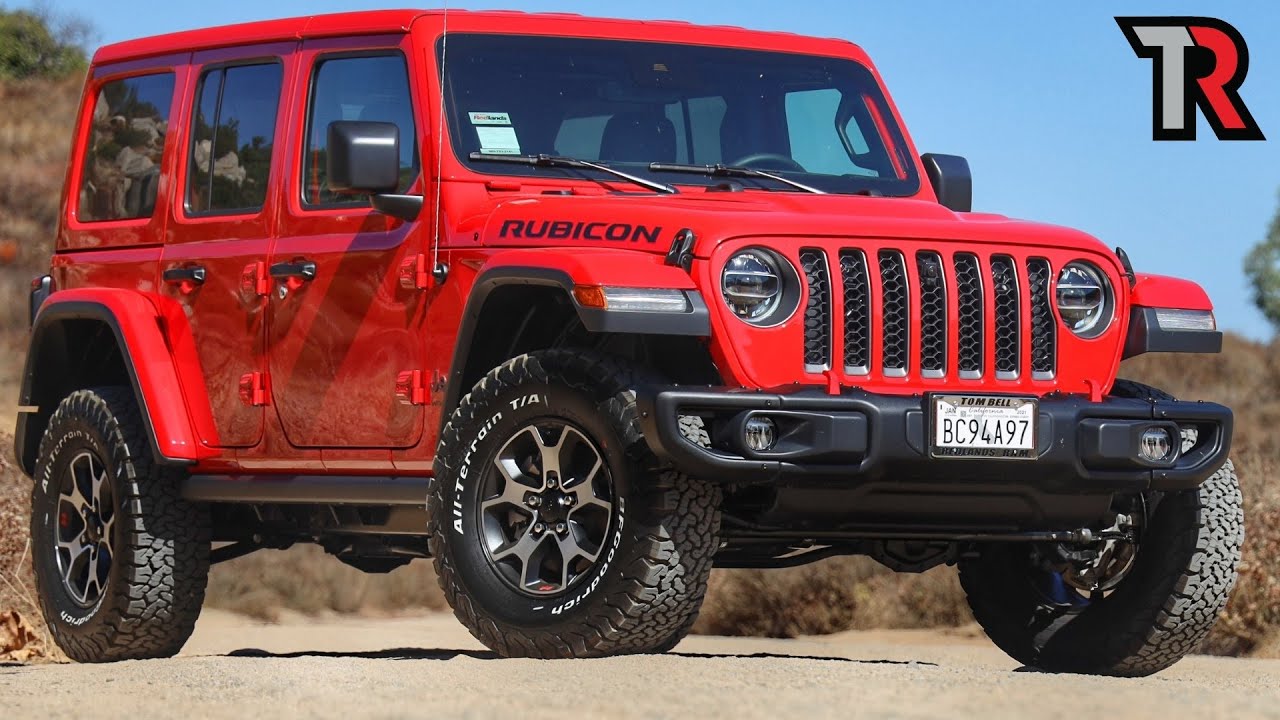
Is Jeep Rubicon Diesel? Everything You Need To Know
Are you curious if the Jeep Rubicon comes in a diesel version? Many Jeep fans want a 4×4 that combines off-road power with better fuel efficiency.
Diesel engines are popular for their strong torque and long driving range. Let’s explore if the Jeep Rubicon offers a diesel option, what makes it unique, and if it’s the right choice for you.
Does The Jeep Rubicon Have A Diesel Engine?
Yes, the Jeep Wrangler Rubicon has been available with a diesel engine in recent years. Jeep introduced the 3.0-liter EcoDiesel V6 engine for the Wrangler lineup, including the Rubicon trim, starting with the 2020 model year in North America.

The diesel Rubicon is designed for drivers who want more torque and better fuel economy compared to the standard gasoline options. However, availability can change based on the country and model year.
Always check with your local dealer for the latest options.
Jeep Rubicon Diesel: Key Specs
Here’s a look at the main specifications of the Jeep Rubicon Diesel:
| Engine | Horsepower | Torque | Transmission | MPG (city/hwy) |
|---|---|---|---|---|
| 3.0L EcoDiesel V6 | 260 hp | 442 lb-ft | 8-speed automatic | 22 / 29 |
The 442 lb-ft of torque is especially important for off-roading and towing. You’ll notice stronger low-end power when climbing rocks or driving through mud.
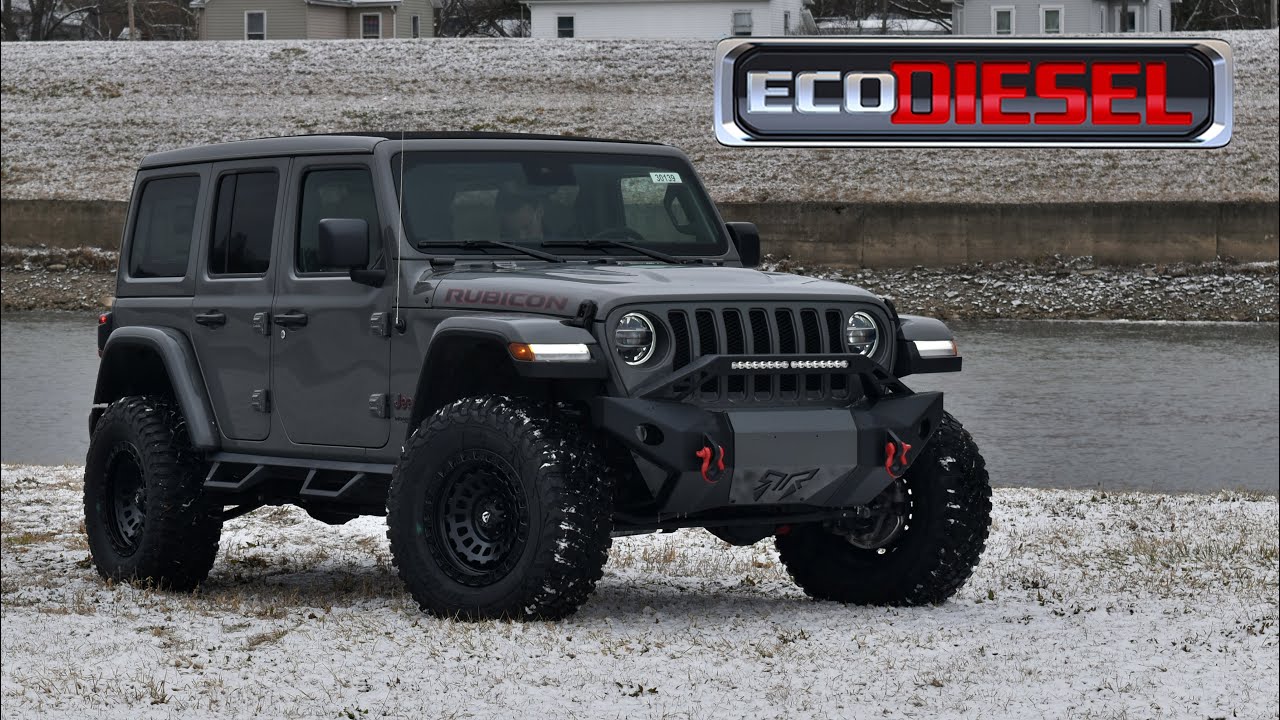
Why Choose A Diesel Rubicon?
The diesel option is not just about fuel efficiency. Here are some reasons why drivers pick the Rubicon Diesel:
- High Torque: Diesel engines deliver more torque at lower RPMs. This means better climbing ability and smoother control in tough conditions.
- Fuel Economy: The diesel Rubicon gets about 22 mpg in the city and 29 mpg on the highway. That’s higher than most gas Rubicon models.
- Longer Range: With better mpg and a 21.5-gallon tank, you can drive farther between fill-ups—great for long adventures.
- Towing Power: The strong torque helps pull trailers or boats with less effort.
However, some buyers are surprised by the higher price and added weight of the diesel version. The EcoDiesel engine usually costs $4,000–$6,000 more than the standard V6.
Gas Vs Diesel Rubicon: What’s Different?
If you’re deciding between gas and diesel, here’s a simple comparison:
| Gas Rubicon (3.6L V6) | Diesel Rubicon (3.0L V6) | |
|---|---|---|
| Horsepower | 285 hp | 260 hp |
| Torque | 260 lb-ft | 442 lb-ft |
| MPG (city/hwy) | 17 / 23 | 22 / 29 |
| Price (MSRP) | Lower | Higher |
| Weight | Lighter | Heavier |
The diesel model is more efficient and better for off-roading, but it’s heavier and more expensive. The gasoline Rubicon is simpler to maintain, and fuel is usually cheaper.

Real-world Performance And Ownership
The diesel Rubicon feels different to drive. You’ll notice:
- Quieter highway cruising: The engine is less noisy at low speeds.
- Fewer stops for fuel: Thanks to higher mpg.
- More pulling power: Especially when fully loaded.
However, there are some things to keep in mind:
- Maintenance costs: Diesel engines require special oil and filters. Repairs can be more expensive if something goes wrong.
- AdBlue/DEF fluid: The EcoDiesel uses Diesel Exhaust Fluid to reduce emissions. You’ll need to refill it regularly.
- Cold weather: Diesel engines can be harder to start in very cold temperatures, though modern systems help with this.
Some owners also mention that the extra weight can make the Rubicon less agile on winding roads. If you plan to use your Jeep mostly in the city, a gas engine might be simpler.
Jeep Rubicon Diesel Vs. Competitors
How does the Rubicon Diesel compare to other diesel off-road vehicles? Here’s a quick look:
| Model | Engine | Torque | MPG (hwy) |
|---|---|---|---|
| Jeep Wrangler Rubicon Diesel | 3.0L V6 | 442 lb-ft | 29 |
| Chevy Colorado ZR2 Diesel | 2.8L I4 | 369 lb-ft | 28 |
| Ford Ranger (no US diesel) | – | – | – |
The Rubicon Diesel stands out for its high torque and fuel efficiency. Many competitors in the US do not offer a diesel engine in this class.
Two Insights You Shouldn’t Miss
- Payload and Accessories: The heavier diesel engine slightly reduces the Rubicon’s payload capacity. This matters if you plan to add heavy accessories like rooftop tents or steel bumpers.
- Resale Value: Diesel Jeeps often have higher resale value, but only if diesel is popular in your area. In some regions, buyers prefer gas models for lower maintenance costs.
Is The Jeep Rubicon Diesel Right For You?
Choose the Rubicon Diesel if:
- You love off-roading and need maximum torque.
- You plan long road trips and want fewer fuel stops.
- You often tow a trailer or carry heavy gear.
Stick with the gasoline Rubicon if:
- You drive mostly in the city or short distances.
- You want lower upfront costs and easier maintenance.
- Diesel fuel is hard to find in your area.
Both versions offer legendary Jeep capability. Your choice depends on your driving style and what matters most to you.