Is Jeep Ecodiesel Worth It?
Choosing a new vehicle today often means balancing power, efficiency, and long-term value. Jeep’s Ecodiesel engine promises fuel economy without sacrificing the rugged performance the brand is known for.
But is the Jeep Ecodiesel really worth it for most buyers? Let’s dig deep into the facts, benefits, and drawbacks to help you decide.
What Is Jeep Ecodiesel?
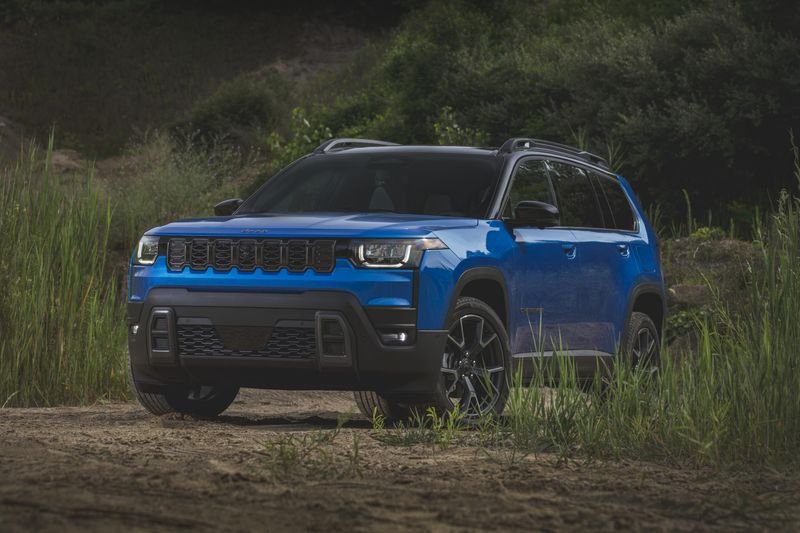
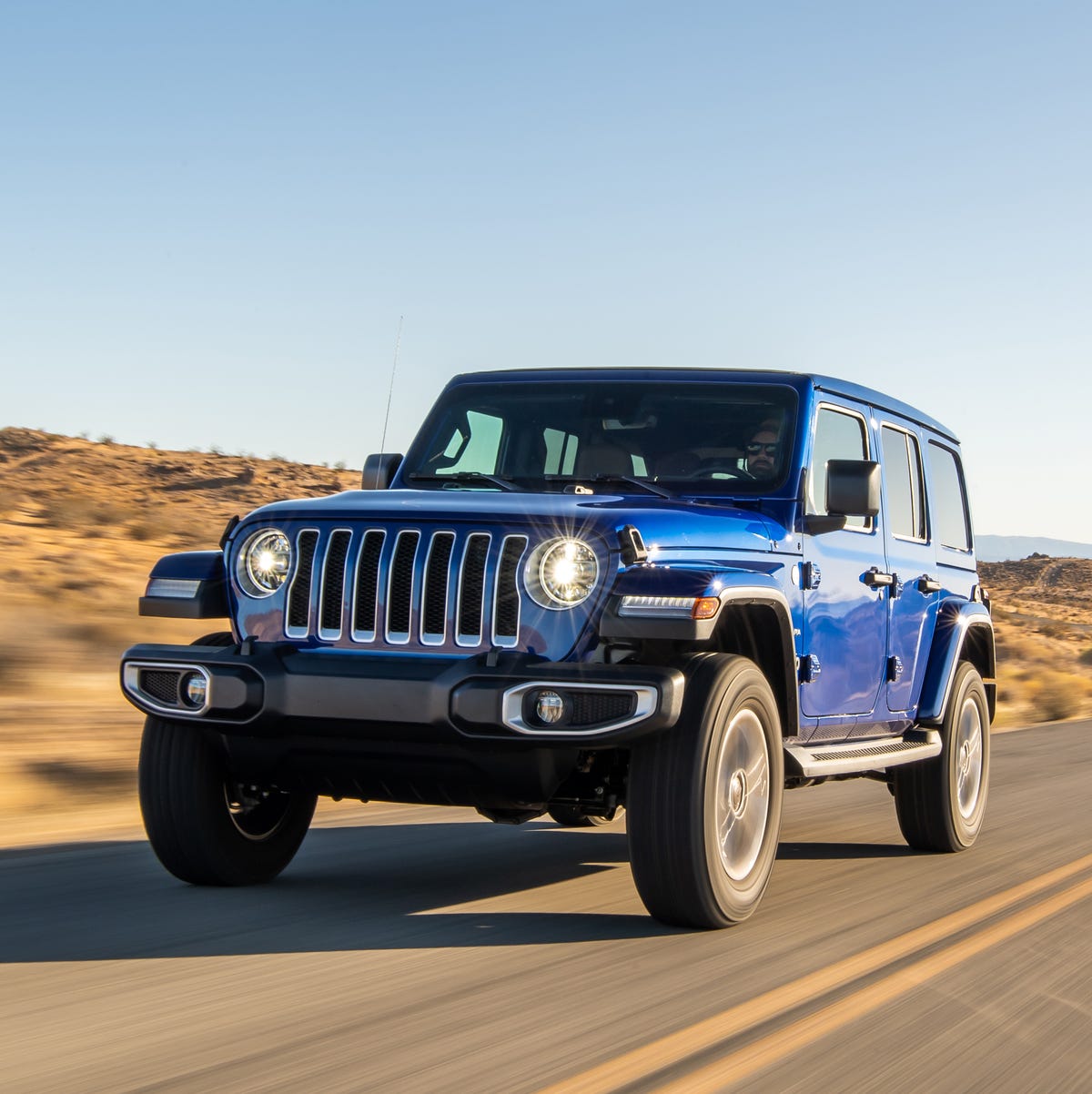
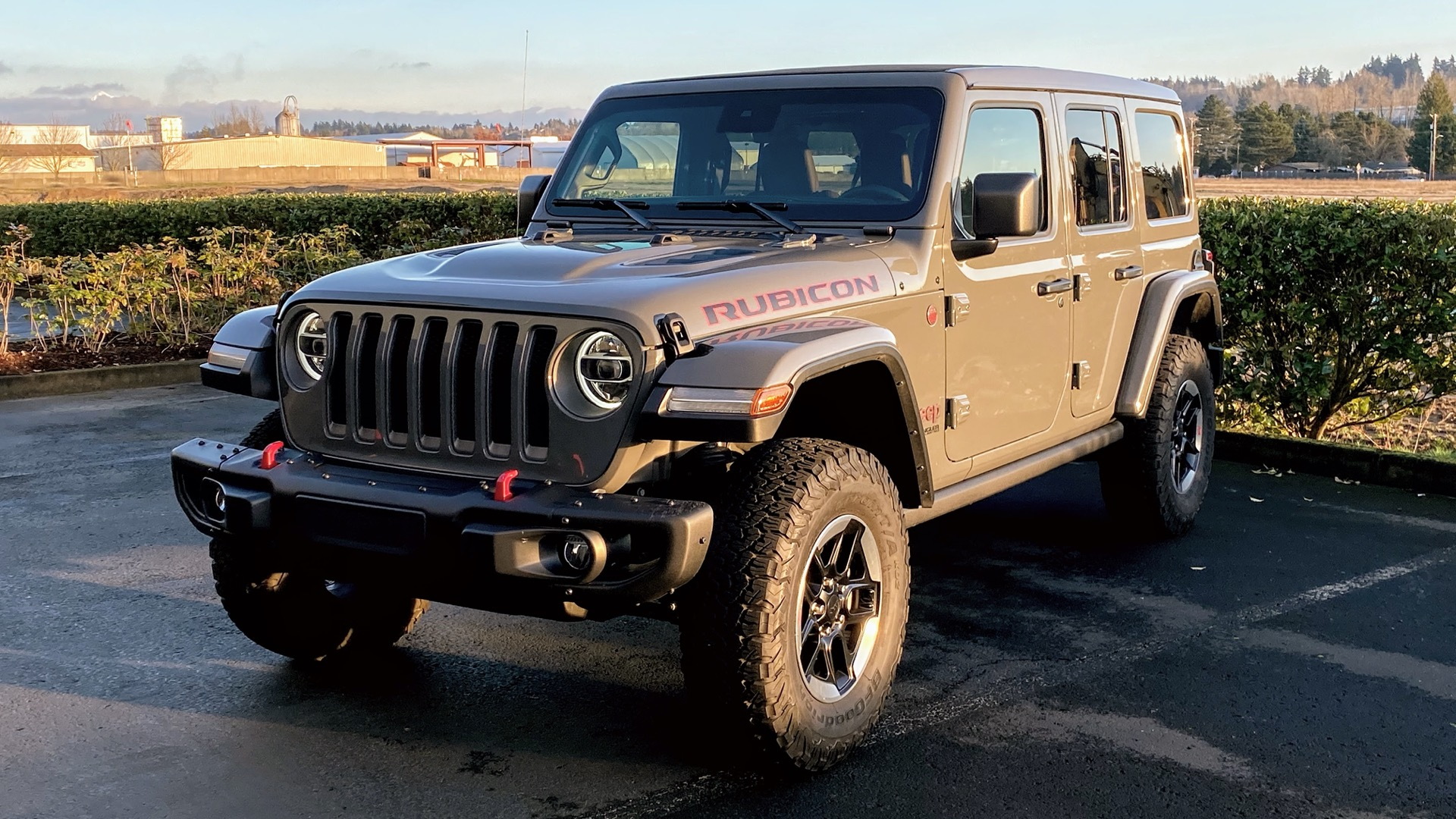
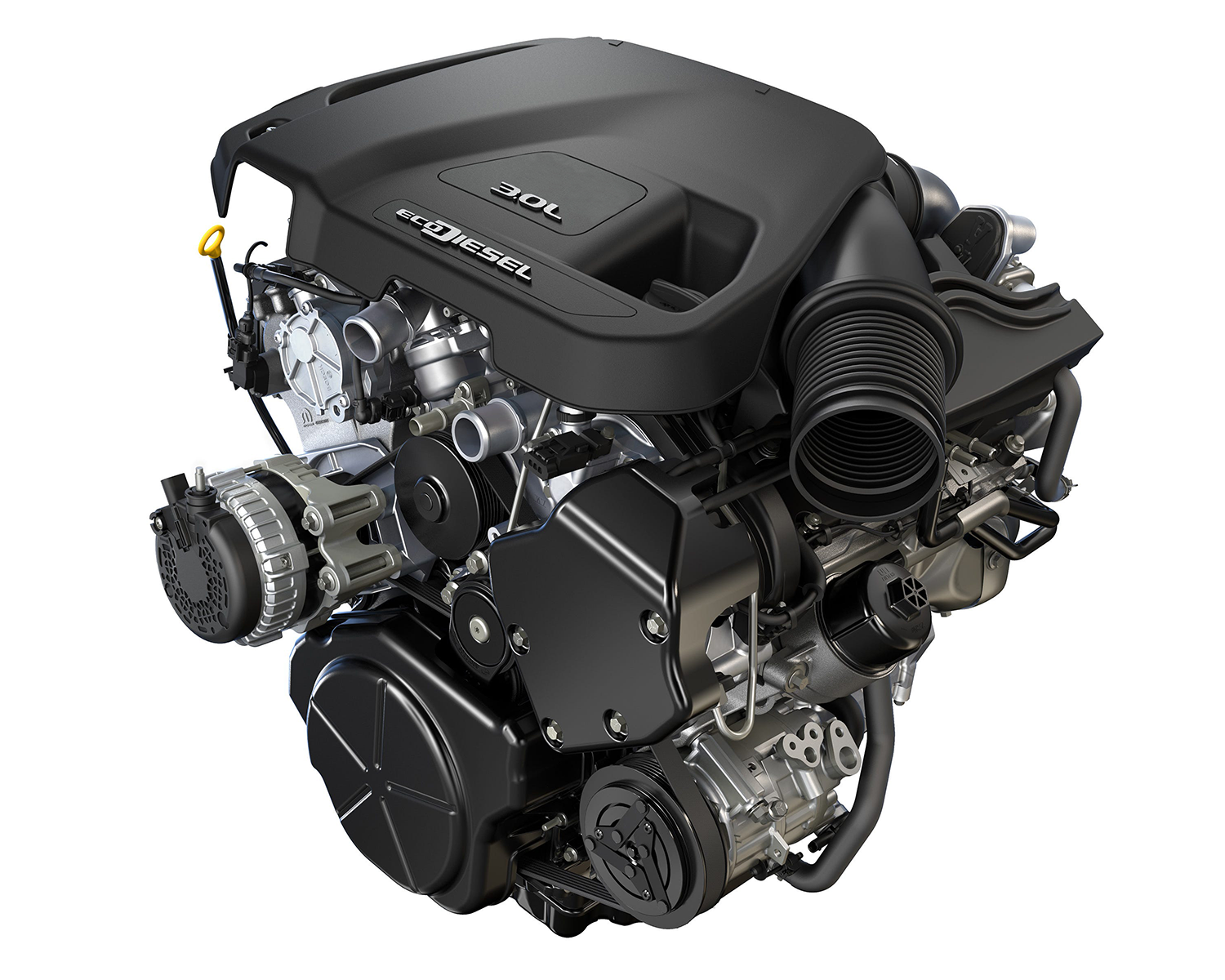
Jeep offers the 3.0L V6 Ecodiesel engine in models like the Wrangler and Grand Cherokee. This engine uses diesel fuel instead of gasoline, providing more torque and better fuel efficiency. It’s designed for drivers who want strong towing power, long highway range, and the off-road ability Jeep is famous for.
Performance And Fuel Economy
The Ecodiesel stands out for its combination of torque and mileage. Compared to Jeep’s gasoline engines, the Ecodiesel offers significantly more pulling power and better fuel economy.
| Engine | Horsepower | Torque (lb-ft) | Highway MPG |
|---|---|---|---|
| 3.6L V6 Gas | 285 | 260 | 24 |
| 2.0L Turbo Gas | 270 | 295 | 24 |
| 3.0L Ecodiesel | 260 | 442 | 29 |
The Ecodiesel’s 442 lb-ft of torque is especially valuable for towing and off-roading. Most drivers report real-world highway mileage of 28–30 MPG, which is impressive for a midsize SUV.
Cost Of Ownership
Buying an Ecodiesel usually means paying more upfront. But the real question is whether you’ll save money over time.
| Cost Category | Gas Engine | Ecodiesel Engine |
|---|---|---|
| Base Price (Wrangler) | $35,000 | $39,000 |
| Estimated Yearly Fuel Cost (15,000 miles) | $2,100 | $1,700 |
| Oil Change Interval | 6,000 miles | 10,000 miles |
| Diesel Emissions Fluid (DEF) | N/A | $100/year |
You’ll pay about $4,000 extra for the Ecodiesel option. While you save on fuel, the payback period can take 5–7 years for average drivers. Diesel engines also need DEF (Diesel Emissions Fluid) and may cost more for repairs.
Pros Of Jeep Ecodiesel
- High Torque: Great for towing boats, trailers, or campers. The Ecodiesel can tow up to 6,500 lbs (Wrangler) or more (Grand Cherokee).
- Fuel Efficiency: Drivers often see 5–7 more MPG on the highway compared to gas models.
- Long Range: Diesel tanks give you up to 600 miles on one fill-up. Perfect for road trips.
- Lower CO2 Emissions: Diesels emit less CO2 per mile than most gas engines.
- Resale Value: Diesel Jeeps often hold value better, especially with low mileage.
Cons Of Jeep Ecodiesel
- Higher Upfront Cost: Expect to pay thousands more for the diesel option.
- Maintenance: Diesel engines are complex. Repairs and parts can cost more, especially as the vehicle ages.
- DEF Refills: You’ll need to add DEF every few thousand miles.
- Fuel Availability: Diesel is widely available in the US but still less common than gasoline, especially in rural areas.
- Cold Weather Issues: Diesels can be harder to start and warm up in very cold climates.
Who Should Consider The Jeep Ecodiesel?
The Ecodiesel shines for certain drivers:
- Frequent towers: If you tow heavy loads often, the extra torque and efficiency make sense.
- Long-distance commuters: If you drive over 15,000 miles per year, fuel savings add up.
- Off-road adventurers: The extra range and low-end power help on long trips far from fuel stations.
- Resale-focused buyers: Diesel engines can attract a niche used market.
However, if you mainly drive short distances or live where diesel is hard to find, the gas version may be a smarter choice.
Two Insights Many Miss
First, diesel engines need to reach operating temperature regularly. If you only drive short trips, the emissions system can clog, leading to expensive repairs. Second, insurance costs for diesel models can be slightly higher due to the increased value and repair costs. Many buyers overlook this when budgeting.
Real-world Owner Experiences
Owners who tow, road trip, or drive long distances are generally happy with the Ecodiesel. They often mention quiet highway cruising and rarely stopping for fuel. However, some mention higher-than-expected maintenance bills after 60,000 miles, especially for emission system repairs.
Ecodiesel Vs. Other Jeep Engines
For most buyers, the choice comes down to diesel vs. gasoline. Here’s a quick side-by-side:
| Feature | Ecodiesel | Gasoline |
|---|---|---|
| Torque | Excellent | Good |
| Fuel Economy | Best | Average |
| Maintenance Cost | High | Moderate |
| Purchase Price | High | Lower |
| Noise | Low (on highway) | Low |
Both engine types have strengths. Ecodiesel is best for heavy use and high mileage.
Gas is simpler and cheaper for most daily drivers.
Final Thoughts: Is Jeep Ecodiesel Worth It?
The Jeep Ecodiesel is a solid choice for towing, highway travel, and adventure. If you rack up miles or pull trailers, the extra cost pays off over time. For city drivers or those who don’t need the torque, a gas model is usually a better value. Consider your driving style, local diesel prices, and how long you plan to keep the vehicle. If you fit the Ecodiesel profile, it can be worth every penny.
For more technical details and real owner reviews, visit the official Jeep Ecodiesel page.
Frequently Asked Questions
Is The Jeep Ecodiesel Reliable?
The Ecodiesel is generally reliable, especially if you follow maintenance schedules. However, some owners report expensive repairs to the emissions system after 60,000 80,000 miles.
How Does The Ecodiesel Compare To The 4xe Plug-in Hybrid?
The 4xe offers better city fuel economy and can drive short distances on electricity alone. The Ecodiesel has more towing power and range, making it better for long highway trips.
Does The Jeep Ecodiesel Require Special Fuel?
Yes. It needs ultra-low sulfur diesel fuel, which is widely available at most US stations, but not as common as regular gasoline.
What Is The Towing Capacity Of The Ecodiesel?
The Wrangler Ecodiesel can tow up to 6,500 lbs, while the Grand Cherokee can tow even more, depending on the model and options.
Is The Ecodiesel Worth It For City Driving?
Usually not. Diesel engines are best for long drives at higher speeds.
For mostly city driving, a gas or hybrid Jeep is more practical and often cheaper to own.