Is Jeep Cherokee Trailhawk Always In 4wd?
Drivers who love adventure often ask if the Jeep Cherokee Trailhawk is always in 4WD. This is an important question, especially for those planning to drive in snow, mud, or rocky terrain.
The answer is not as simple as “yes” or “no.” The Trailhawk uses a smart four-wheel-drive system that gives you grip when you need it and saves fuel when you don’t.
Understanding how this system works helps you get the most from your Jeep and avoid common mistakes.
Understanding The Jeep Cherokee Trailhawk’s 4wd System
The Trailhawk is known for its off-road ability. It comes with Jeep’s Active Drive Lock 4×4 system. This system is more advanced than the basic all-wheel drive found in many SUVs.
- Active Drive Lock includes a rear locker and different drive modes.
- It can shift power between the front and rear wheels.
- It uses sensors to watch road conditions and wheel grip.
But is it “always” in 4WD? Not exactly.
How The System Decides
Most of the time, the Trailhawk runs in front-wheel drive to save fuel. When sensors detect wheel slip, the system sends power to the rear wheels. This process is automatic and fast—you won’t feel it happening.
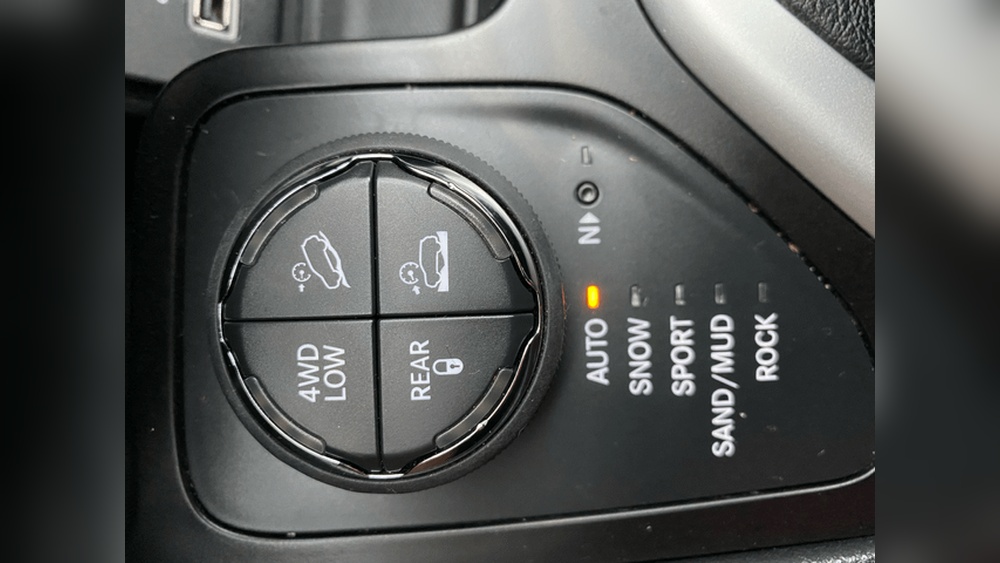
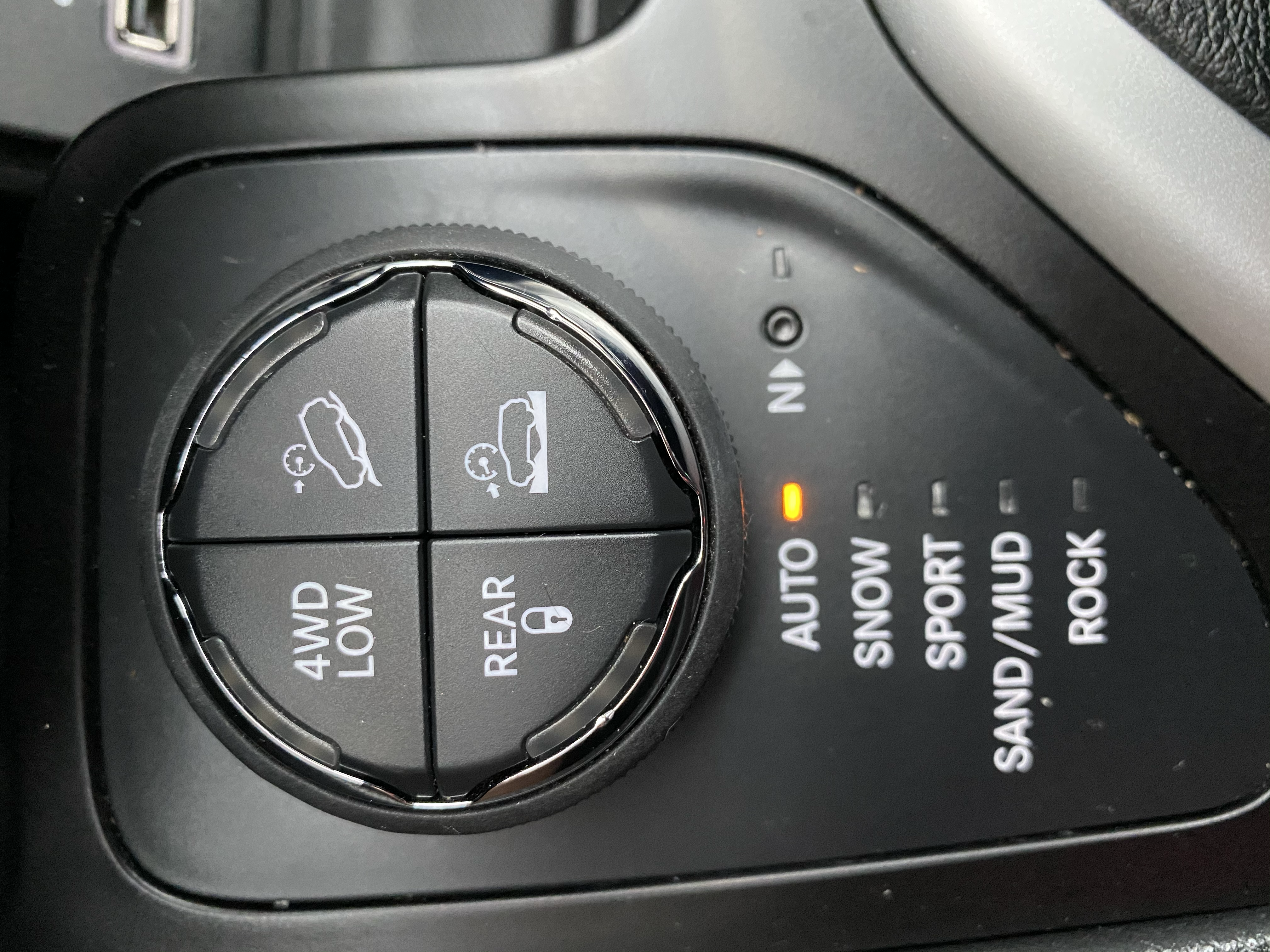
You can also select different drive modes using the Selec-Terrain system:
- Auto: Normal driving, mostly front-wheel drive.
- Snow, Sport, Sand/Mud, Rock: Adjusts power split for better grip.
- 4WD Lock: Sends power to both axles—good for deep snow or mud.
- 4WD Low: Extra torque for slow, rough trails.
Always-on Vs. On-demand 4wd
It’s important to know the difference between always-on 4WD and on-demand 4WD.
- Always-on 4WD: All wheels get power all the time.
- On-demand 4WD: Power shifts only when needed.
The Trailhawk’s system is on-demand. This means it is not in 4WD every second. It becomes 4WD as soon as the system senses you need extra grip.
Comparing Trailhawk To Other Jeep Models
Not all Jeeps have the same 4WD setup. Here’s a quick look at how the Trailhawk compares to other Cherokee trims:
| Model | 4WD System | Rear Locker | Drive Modes |
|---|---|---|---|
| Cherokee Trailhawk | Active Drive Lock | Yes | 5 (Auto, Snow, Sport, Sand/Mud, Rock) |
| Cherokee Latitude | Active Drive I | No | 4 (No Rock mode) |
| Cherokee Limited | Active Drive II | No | 4 (No Rock mode) |
The Trailhawk is the only Cherokee trim with Active Drive Lock and a true rear locker. This makes it better for serious trails.
Real-world Example: When Does 4wd Activate?
Imagine you’re driving your Trailhawk to the mountains. On the highway, the system uses mostly front-wheel drive.
As you climb a snowy road, the wheels start to slip. Instantly, the system sends power to the rear—now you have 4WD.
If you hit a deep snowbank, you can use 4WD Lock or 4WD Low for even more grip.
This shows the system is not always in 4WD, but it is ready whenever you need it.
Benefits And Limits Of On-demand 4wd
Main Benefits
- Better fuel economy: Power goes to the rear wheels only when needed.
- Less wear on parts: Tires and drivetrain last longer.
- No driver input needed: The system works automatically.
Possible Limits
- Delayed response: There can be a tiny lag before 4WD kicks in, but it’s fast.
- Not for extreme off-road: For very rough trails, you may want to manually select 4WD Low.
How To Use 4wd Modes Effectively
To get the best from your Trailhawk, know when to use each mode:
- Auto: For daily driving and rain.
- Snow: For icy roads, keeps the vehicle stable.
- Sand/Mud: Use in deep sand or mud for more wheel spin.
- Rock: For crawling on rocks—activates low-range and rear locker.
- 4WD Lock: When you need both axles working together.
Using the right mode is key for safety and performance.
Trailhawk 4wd: Myths Vs. Facts
Many people think the Trailhawk is like older Jeeps that were always in 4WD. That’s not true with today’s technology.
| Myth | Fact |
|---|---|
| Trailhawk is always in 4WD | It’s in 4WD only when needed |
| 4WD drains fuel fast | On-demand 4WD saves fuel |
| Manual shifting is required | System is mostly automatic |
Two Insights Most Owners Miss
1. Mode Selection Makes A Big Difference
Many new owners leave the Trailhawk in Auto mode all the time. This works for most driving, but switching to the right mode in tough conditions improves grip and safety. Don’t ignore the Selec-Terrain dial.
2. 4wd Lock Is Not For All Speeds
Some drivers think 4WD Lock is good for all situations. In fact, you should use it only at low speeds on slippery surfaces.
Using it on dry pavement can damage the drivetrain.
Common Mistakes With Trailhawk’s 4wd
- Leaving the system in 4WD Low on normal roads—this strains the engine and parts.
- Forgetting to switch modes when conditions change.
- Expecting 4WD to replace good tires. Even the best 4WD can’t help if your tires are worn out.
Is Trailhawk 4wd Enough For Tough Trails?
For most outdoor lovers, the Trailhawk’s 4WD is more than enough. It’s Trail Rated, meaning it passed Jeep’s own tough tests. However, for extreme off-roading, such as rock crawling or deep mud, you may want to add skid plates, lift kits, or off-road tires.
External Resource
For more technical details, you can visit the official Jeep Cherokee page.
Frequently Asked Questions
Is The Jeep Cherokee Trailhawk Always In 4wd?
No, the Trailhawk uses on-demand 4WD. It stays in front-wheel drive until sensors detect wheel slip, then sends power to the rear wheels.
What Is The Difference Between 4wd Lock And 4wd Low?
4WD Lock splits power between front and rear axles for tough surfaces. 4WD Low gives extra torque for slow, steep, or rocky terrain.
Can I Drive With 4wd Lock On Dry Pavement?
No. Using 4WD Lock on dry roads can damage the drivetrain. Use it only on loose or slippery surfaces.
Does 4wd Use More Gas?
Yes, but the Trailhawk’s on-demand system helps save fuel by using 2WD most of the time. Only when extra grip is needed does it use more gas.
Is The Trailhawk’s 4wd Good For Snow?
Yes. The system is excellent in snow, especially when you use the Snow mode or 4WD Lock for extra traction.