Is Jeep Cherokee Trailhawk Always In 4wd?
The Jeep Cherokee Trailhawk is known as a tough, adventure-ready SUV. Its reputation comes from being able to handle dirt, snow, rocks, and even deep mud.
Many buyers wonder: Is the Cherokee Trailhawk always in 4WD? This question matters because it affects fuel economy, handling, and whether you really get that “Jeep feeling” all the time.
The answer is not as simple as yes or no. To understand it fully, you need to know how the Trailhawk’s 4WD system works, what it means for daily driving, and how it compares to other SUVs.
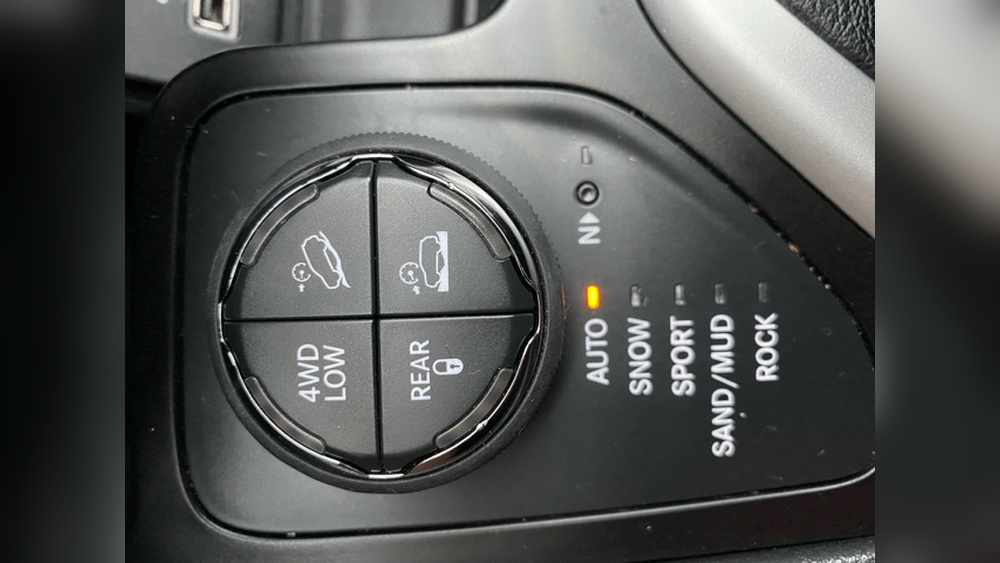
The Jeep Cherokee Trailhawk 4wd System Explained
Jeep designed the Cherokee Trailhawk with a special Active Drive II 4WD system. This system is different from regular all-wheel drive (AWD). It is built for both on-road and off-road use. Here’s how it works:
- Automatic Engagement: The Trailhawk’s 4WD system can turn on and off by itself. It senses when extra traction is needed and engages 4WD automatically.
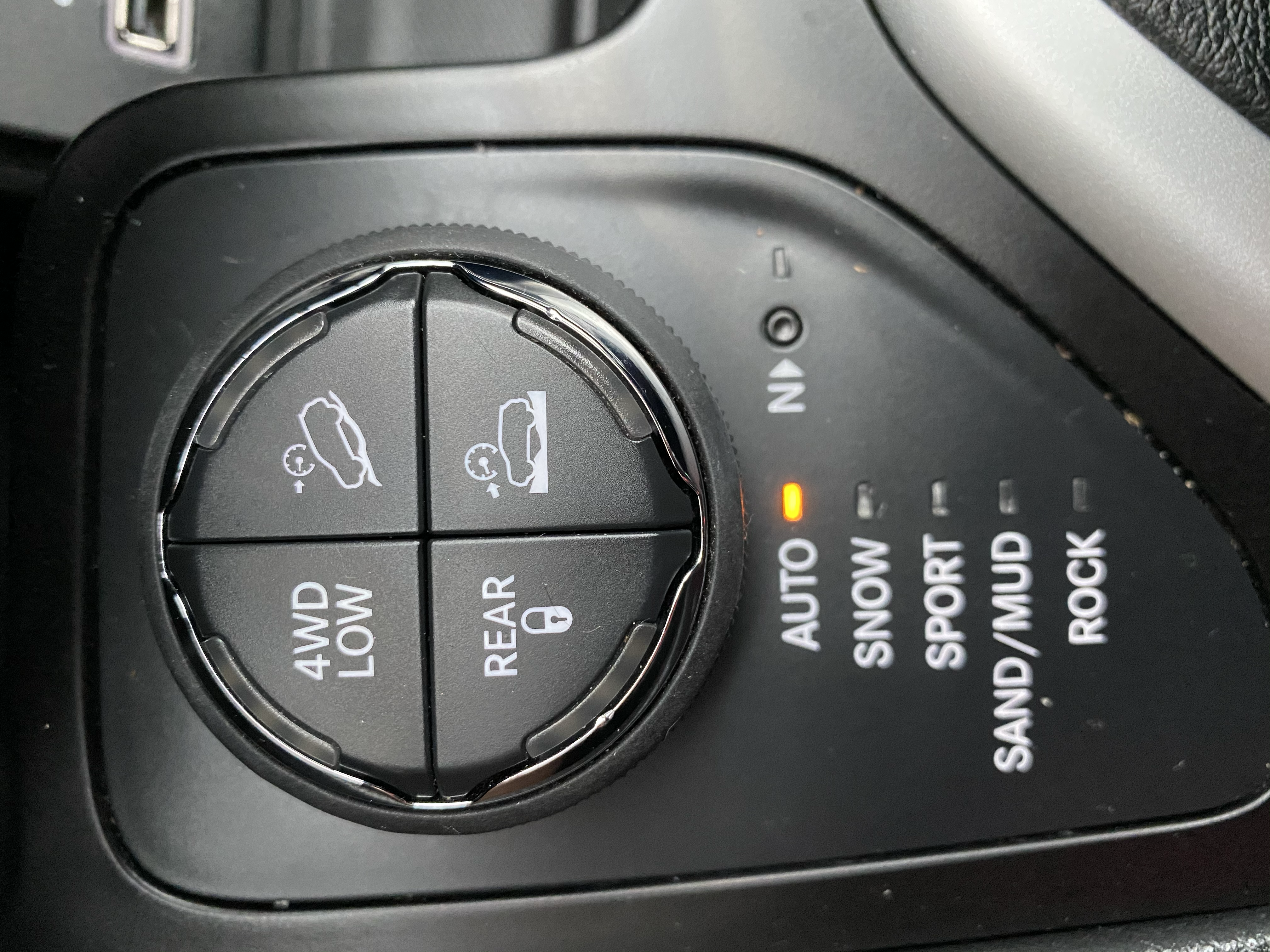
- Selectable Modes: Drivers can choose different modes such as Auto, Snow, Sport, Sand/Mud, and Rock using the Selec-Terrain dial.
- Locking Rear Differential: For tough situations, the Trailhawk has a locking rear axle to help both wheels turn together, increasing grip.
Most of the time, the Trailhawk drives in front-wheel drive (FWD) mode. When you start the SUV or drive on dry pavement, it uses only the front wheels. If the system senses slippery roads, rough terrain, or sudden acceleration, it sends power to the rear wheels. This switch happens quickly, often without the driver noticing.
Key Features Of Active Drive Ii
- 4WD Low: This mode is for deep mud, sand, or steep hills. It multiplies torque and lets you crawl over obstacles.
- Hill Descent Control: Helps keep your speed steady when going downhill.
- Neutral Mode: Lets you tow the Trailhawk behind another vehicle with all wheels off the ground.
The Trailhawk’s system is not “always on” in the sense of classic 4WD trucks, but it’s “always available. ” It stands ready to help whenever conditions require.
Is The Trailhawk Always In 4wd?
No, the Jeep Cherokee Trailhawk is not always in 4WD. By default, it uses FWD to save fuel. The 4WD system is automatic and activates when needed. This makes the Trailhawk easier to drive on regular roads, and more efficient than older, full-time 4WD vehicles.
When Does 4wd Engage?
- Slippery Roads: Rain, snow, and ice make the system send power to the rear wheels.
- Off-Road: When you choose Sand/Mud or Rock mode, 4WD stays on more often.
- Heavy Acceleration: If you push the gas hard, the system may engage 4WD for better grip.
You can force 4WD engagement by selecting certain modes or by activating the rear differential lock. However, in most situations, the Trailhawk decides for you.
Comparing Jeep Cherokee Trailhawk To Other Suvs
The Trailhawk stands out because its 4WD system is designed for real off-roading. Many SUVs offer AWD, but few can match the Trailhawk’s features. Let’s compare:
| Model | Drive System | Selectable Modes | Rear Locking Diff | 4WD Low |
|---|---|---|---|---|
| Jeep Cherokee Trailhawk | Active Drive II 4WD | Yes | Yes | Yes |
| Toyota RAV4 Adventure | AWD | Yes | No | No |
| Subaru Outback | Symmetrical AWD | No | No | No |
| Ford Bronco Sport | AWD | Yes | No | No |
Key insight: Only the Trailhawk combines selectable terrain modes, a locking rear diff, and a true 4WD Low range.
How Does Automatic 4wd Affect Driving?
Most drivers worry about fuel economy and handling when 4WD is involved. Full-time 4WD can lower gas mileage and make handling less smooth. The Trailhawk’s system avoids these problems by switching to FWD when 4WD is not needed.
Real-world Driving Example
Suppose you drive on dry pavement for most of the week. The Trailhawk stays in FWD mode, saving fuel and reducing tire wear.
On weekends, you go camping and encounter muddy roads. The system turns on 4WD, giving you extra traction.
You don’t need to stop or push buttons; the SUV does it for you.
Common Misunderstandings
- “Trailhawk is always in 4WD.” Not true. It’s automatic and only engages 4WD as needed.
- “You must manually switch to 4WD.” Not usually. The system is smart and handles it for you.
Benefits Of The Trailhawk’s 4wd System
- Better Fuel Economy: Automatic 4WD uses less energy than full-time systems.
- Less Tire Wear: FWD mode means tires last longer.
- Easy to Use: No need to remember to switch modes.
- Ready for Anything: 4WD is available instantly when needed.
How To Check If Your Trailhawk Is In 4wd
Some drivers like to know exactly when their vehicle is in 4WD. The Cherokee Trailhawk has a dashboard display that shows which mode you’re in.
- Selec-Terrain Display: Shows the current mode (Auto, Snow, etc. ).
- 4WD Indicator Light: Turns on if the system is using 4WD.
- Rear Diff Lock Light: Lights up when the rear axle is locked.
If you want to force 4WD engagement, select a terrain mode or press the diff lock button.
Maintenance And Durability
The Trailhawk’s system is built for tough use, but it needs regular care. Here’s what matters:
- Fluid Changes: Change transfer case and differential fluids as recommended.
- Tire Rotation: Keeps traction balanced and extends tire life.
- Check for Leaks: Off-roading can cause seals to wear.
A well-maintained 4WD system lasts many years, even with heavy use.
Common Maintenance Mistakes
- Ignoring fluid changes: This can cause expensive damage.
- Using mismatched tires: All tires should be the same size and type.
- Skipping inspections: After off-road trips, check for underbody damage.
Fuel Economy: Is 4wd Always Bad For Gas Mileage?
Many buyers worry that 4WD will make their SUV use more gas. The Trailhawk’s system is designed to minimize this effect.
| Model | City MPG | Highway MPG | Combined MPG |
|---|---|---|---|
| Jeep Cherokee Trailhawk | 18 | 24 | 21 |
| Subaru Outback AWD | 26 | 33 | 29 |
| Toyota RAV4 AWD | 27 | 35 | 30 |
Non-obvious insight: The Trailhawk’s off-road features cost some fuel economy, but the automatic 4WD setup helps limit the impact. With careful driving, you can achieve close to the EPA numbers.
Real-world Owner Opinions
Owners often report that the Trailhawk gives confidence in bad weather and rough trails. Many say they don’t notice when 4WD engages; it feels seamless.
Some mention slightly higher gas usage compared to other SUVs, but most agree the trade-off is worth it for the off-road abilities.
Practical Example
A driver in Colorado uses the Trailhawk for mountain roads. In summer, the SUV stays mostly in FWD.
In winter, with snow and ice, 4WD kicks in more often. The driver says the transition feels smooth and automatic.
How Does Trailhawk 4wd Compare To Full-time 4wd?
Some vehicles, like the Jeep Wrangler, have full-time 4WD. This means all wheels drive all the time, no matter what. The Trailhawk’s system is different.
| Feature | Trailhawk (Active Drive II) | Wrangler (Full-Time 4WD) |
|---|---|---|
| Default Drive Mode | FWD | 4WD |
| Automatic Engagement | Yes | No |
| Manual Control | Selectable modes | Manual lever |
| Fuel Economy | Better | Lower |
Trailhawk advantage: You get off-road capability without losing efficiency on daily drives.
When Should You Use Trailhawk’s 4wd Modes?
The Trailhawk’s Selec-Terrain system makes it easy to choose the right mode. Here’s a quick guide:
- Auto: Best for daily driving.
- Snow: Use for icy or snowy roads.
- Sport: For spirited driving on pavement.
- Sand/Mud: For loose surfaces like dirt or mud.
- Rock: For rocky trails and slow crawling.
Tip: Use 4WD Low and rear diff lock only when conditions demand it. Using them on dry pavement can cause wear.
Non-obvious Insights For New Owners
- Off-road readiness: The Trailhawk’s 4WD is not just for emergencies. It’s built to handle regular off-road trips, so don’t be afraid to use it.
- Mode selection matters: Choosing the right terrain mode can make a big difference in traction and handling. Many new owners leave it in Auto all the time and miss out on the SUV’s capabilities.

Closing Thoughts
The Jeep Cherokee Trailhawk is not always in 4WD, but its Active Drive II system is always ready to help when needed. This smart design gives you the best of both worlds: fuel economy for city driving and powerful traction for off-road adventures. Understanding how and when the system works lets you enjoy the Trailhawk’s unique features fully. For those who want a vehicle that adapts to any situation, the Trailhawk stands out as a strong choice.
If you want deeper technical details about the Trailhawk’s 4WD system, visit the official Jeep site: Jeep Cherokee Official Site.
Frequently Asked Questions
Is The Jeep Cherokee Trailhawk Always Driving All Four Wheels?
No. The Trailhawk uses front-wheel drive most of the time and switches to 4WD automatically when needed.
Can I Manually Turn On 4wd In The Trailhawk?
You can select terrain modes or activate the rear diff lock, but most of the time, the system manages 4WD automatically.
Will Using 4wd All The Time Damage My Trailhawk?
Using 4WD Low or locking the rear diff on dry pavement can cause wear. Stick to Auto mode on regular roads and save special modes for tough conditions.
How Does The Trailhawk’s 4wd Compare To Subaru’s Awd?
The Trailhawk offers more off-road features like locking differentials and 4WD Low. Subaru’s AWD is better for slippery roads but not for serious off-roading.
What Maintenance Does The Trailhawk’s 4wd System Need?
Change differential fluids, rotate tires, and check for leaks. Regular care keeps the system reliable for years.


















