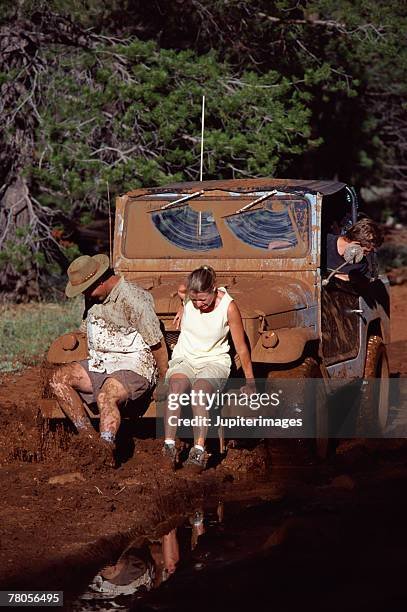
Is Jeep An American Made Vehicle?
Jeep is a name that brings images of rugged trails and adventure. Many people believe Jeep is the symbol of American vehicles.
But is Jeep truly an American made vehicle today? The answer is more complex than it seems.
Let’s explore Jeep’s history, manufacturing, and what “American made” really means for this famous brand.
The Origins Of Jeep
Jeep’s story started during World War II. The US Army needed a tough, reliable vehicle for soldiers. The first Jeep, called the Willys MB, was made by Willys-Overland and Ford in the United States. This vehicle became famous for its performance in war and later as a civilian car.
After the war, Jeep continued to be produced in America. It changed ownership several times. Companies like American Motors Corporation (AMC) and Chrysler owned Jeep in different periods. For decades, Jeep was closely tied to American factories and workers.
Where Are Jeeps Made Today?
Jeep is now part of Stellantis, a global automotive group. Many people ask: Is Jeep still made in America? The answer depends on the model.
Most Jeep vehicles sold in the US are assembled in American factories. For example:
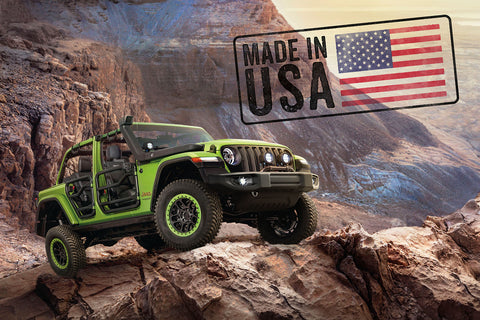
- The Jeep Wrangler is built in Toledo, Ohio.
- The Jeep Grand Cherokee is made in Detroit, Michigan.
- The Jeep Gladiator is also assembled in Toledo, Ohio.
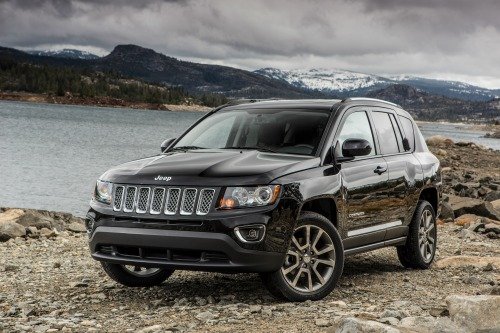
However, some Jeep models are made outside the US. The Jeep Renegade is manufactured in Italy and Brazil. The Jeep Compass comes from factories in Mexico, India, and Brazil.
Here is a quick comparison of Jeep models and their assembly locations:
| Jeep Model | Main Assembly Location | Market |
|---|---|---|
| Wrangler | Toledo, Ohio (USA) | North America |
| Grand Cherokee | Detroit, Michigan (USA) | North America |
| Renegade | Melfi, Italy / Brazil | Europe, Latin America |
| Compass | Mexico / India / Brazil | Global |
| Gladiator | Toledo, Ohio (USA) | North America |
What Does “american Made” Mean?
The phrase American made can mean different things:
- Designed in America: Many Jeep vehicles are designed by American engineers.
- Assembled in America: Some models are built in American factories.
- Parts sourced in America: Not all parts come from the US. Many are imported.
- Owned by an American company: Jeep is now owned by Stellantis, a European-based group.
The US government uses the American Automobile Labeling Act (AALA) to measure how much of a vehicle is American made. This act requires car makers to show the percentage of US and Canadian parts in each car.
Let’s compare two Jeep models using AALA data:
| Model | US/Canadian Parts (%) | Final Assembly |
|---|---|---|
| Jeep Wrangler | 74% | USA |
| Jeep Renegade | 0% | Italy |
The Wrangler is mostly American, while the Renegade is not.
Why Do Some Jeeps Come From Abroad?
There are several reasons:
- Cost: Building in other countries can be cheaper.
- Local demand: Jeep adapts production for different markets.
- Trade rules: International factories help avoid tariffs.
Non-obvious insight: Sometimes, even Jeeps assembled in the US have many foreign parts. A car can be “American made” but include parts from Asia or Europe.
Another insight: Jeep’s global strategy helps it survive in a changing car industry. Making vehicles in multiple countries protects Jeep from supply chain issues and economic changes.

How Jeep Compares To Other Brands
Many car brands claim to be “American made.” Here’s how Jeep stacks up against other popular brands:
| Brand | US Assembly | US Ownership |
|---|---|---|
| Jeep | Some models | No (Stellantis) |
| Ford | Most models | Yes |
| Chevrolet | Many models | Yes (GM) |
| Toyota | Some models | No (Toyota Motor Corp.) |
Jeep is unique: some models are American made, but the company is not American owned.
Is Buying A Jeep Supporting American Jobs?
Buying a Jeep built in the US can support American jobs. Factories in Ohio and Michigan employ thousands of workers. Jeep’s suppliers and dealerships also create jobs. But buying a Jeep made in Italy or Mexico supports jobs in those countries.
If supporting American jobs is important to you, check the label on the vehicle. Look for the assembly location and the percentage of US parts.