Many people think Jeep and Ford are connected. Some believe Jeep is made by Ford, while others are unsure if they are rivals or partners.
This confusion is common because both brands are famous for strong, adventurous vehicles. If you want to know whether Jeep is a Ford product, give you clear answers and practical comparisons.
We’ll look at history, ownership, and how these brands stand apart. You’ll also learn why the confusion exists and how to choose between the two if you’re considering buying.
Jeep’s Origins And Ownership
Jeep started during World War II as a military vehicle. The original Jeep, called the Willys MB, was built by Willys-Overland, not Ford. However, Ford did produce some Jeeps for the US Army under license, but they were not the creators. Ford’s contribution was mainly to help Willys-Overland meet the great demand from the military. The government wanted a simple, tough vehicle, and both companies worked together, but Willys held the original Jeep design and name.
After the war, Jeep became a civilian vehicle. Willys-Overland kept making Jeeps, and over the years, Jeep changed owners several times.
For example, after Willys, Jeep was sold to Kaiser Motors, then to American Motors Corporation (AMC).
In 1987, Chrysler bought AMC, gaining the Jeep brand. Later, Chrysler merged with Fiat, which then became Fiat Chrysler Automobiles (FCA).
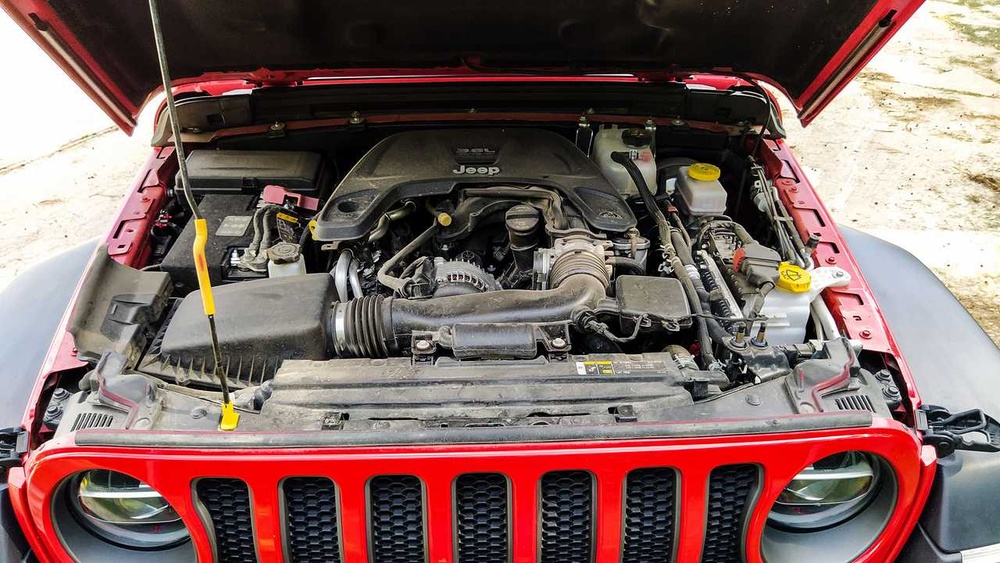
Today, Jeep is part of Stellantis, a global automotive group formed in 2021. Stellantis also owns brands like Dodge, Chrysler, Fiat, and Peugeot, which allows Jeep to share some technology and resources with these companies.
Here’s a simple timeline showing Jeep’s main owners:
| Year | Owner |
|---|---|
| 1941 to 1953 | Willys-Overland |
| 1953 to 1987 | Kaiser, then AMC (American Motors Corporation) |
| 1987 to 1998 | Chrysler |
| 1998 to 2021 | Fiat Chrysler Automobiles (FCA) |
| 2021, Present | Stellantis |
So, Jeep has never been owned by Ford. Ford helped build Jeeps during the war, but they did not create or own the brand.
Even after many ownership changes, Ford has never been involved in Jeep’s business decisions or product development for the consumer market.
Ford’s Role With Jeep
Ford’s role was mostly limited to the WWII era. When the US Army needed more Jeeps, Willys-Overland could not build all of them, so Ford was asked to help. Ford produced the GPW model, which was almost identical to the Willys MB. Ford did not own the Jeep name or design. The “GPW” stood for “Government Pygmy Willys,” which showed that Ford was building Willys’ design under contract.
After the war, Ford moved on to make their own vehicles, like the Bronco and F-Series trucks. These became direct competitors to Jeep in the SUV and truck market. Ford’s Bronco, first launched in 1965, was actually a response to the growing popularity of the Jeep CJ series among off-road drivers.
Many people confuse Ford’s role because:
- Ford made military Jeeps under license.
- Ford and Jeep vehicles look similar in style.
- Both brands focus on rugged, off-road vehicles.
Another overlooked detail: Ford stamped a small “F” on many Jeep parts they made during the war. Some old Jeeps still have these marks, which adds to the confusion. But in reality, Ford has never produced or owned Jeep as a consumer brand. After WWII, the companies completely separated their vehicle lines.

Jeep Vs Ford: Key Differences
Let’s compare Jeep and Ford to see how they are different brands:
| Brand | Main Products | Parent Company | Founded |
|---|---|---|---|
| Jeep | Wrangler, Grand Cherokee, Compass | Stellantis | 1941 |
| Ford | Bronco, F-150, Explorer | Ford Motor Company | 1903 |
Unique Jeep Features
- Trail Rated: Jeep vehicles are tested for off-road performance, including traction, water fording, and maneuverability. The Trail Rated badge means a Jeep can handle tough terrain.
- Iconic Design: The seven-slot grille is a Jeep trademark. No other brand uses this exact style, which makes Jeeps easy to spot.
- Community: Jeep has a strong fan base with events and clubs. Many Jeep owners participate in “Jeep Jamborees” and local off-road adventures, building a sense of belonging.
Unique Ford Features
- EcoBoost Engines: Focus on fuel efficiency and power. Ford’s turbocharged engines are popular for people who want both performance and better gas mileage.
- Technology: Ford offers advanced driver aids, like the Co-Pilot360 safety system. Features such as lane-keeping assist and hands-free driving are often available.
- Heritage: Long history in trucks and SUVs. Ford’s F-Series is one of the best-selling trucks in the world, making the brand well-known for reliability and toughness.
An important insight: While Ford once helped build Jeeps, they quickly shifted to their own path. Today, Jeep and Ford compete in similar markets but do not share products, technology, or ownership. Some buyers miss that Ford and Jeep focus on different strengths, Jeep on off-road adventure, Ford on innovation and broad model choices.
Why The Confusion Exists
Many people mistake Jeep for a Ford product because:
- They remember Ford’s role in WWII.
- Both brands make SUVs and trucks.
- Older Jeep models sometimes had parts made by Ford.
Another reason is marketing. Ford’s Bronco is often compared to the Jeep Wrangler, leading people to think they are related. But this is just competition, not partnership.
A detail many miss: Car dealerships sometimes sell both brands, especially in small towns, which can make them seem connected. Also, people might see Jeeps and Fords at the same off-road events or in similar media ads, which further blurs the line.

Which Brand Is Better For You?
Choosing between Jeep and Ford depends on your needs:
- If you want true off-road ability, Jeep is often preferred. Models like the Wrangler are built for tough trails, mud, and rocks.
- If you want modern technology and comfort, Ford may suit you better. Features like large touchscreens and driver assistance are more common in Ford’s lineup.
- Both brands offer reliable vehicles, but their strengths are different.
Here’s a quick comparison of popular models:
| Model | Price (USD) | Off-Road Rating | Fuel Economy (MPG) |
|---|---|---|---|
| Jeep Wrangler | $31,195 | Excellent | 17 city / 25 highway |
| Ford Bronco | $34,095 | Very Good | 20 city / 22 highway |
| Jeep Grand Cherokee | $40,130 | Good | 19 city / 26 highway |
| Ford Explorer | $36,760 | Average | 21 city / 28 highway |
Non-obvious tip: Many buyers overlook maintenance costs. Jeep’s off-road parts can be expensive, while Ford’s tech features may need updates over time. Always check repair costs before buying. Also, consider resale value, Wranglers often keep their value well, while Ford’s F-Series trucks are also strong in the used market.
Another practical detail: Insurance rates can differ. Jeeps may cost more to insure because of their off-road use, while Ford’s advanced safety features could lower your rates.
Is Jeep Owned By Ford?
No, Jeep is owned by Stellantis, not Ford. Ford only helped build Jeeps during WWII but never owned the brand.
Did Ford Ever Make Civilian Jeeps?
Ford produced military Jeeps under license but never made civilian Jeeps. After the war, Ford focused on their own SUV and truck lines.
Why Do Jeep And Ford Vehicles Look Similar?
Both brands target off-road enthusiasts and use rugged designs. However, their styling and features are unique to each brand. Jeep’s seven-slot grille and Ford’s blue oval logo are easy ways to tell them apart.
Are Jeep And Ford Rivals?
Yes, Jeep and Ford are competitors in the SUV and truck markets. For example, the Ford Bronco and Jeep Wrangler compete for similar buyers. Their rivalry pushes both brands to improve features, safety, and performance.
Where Can I Learn More About Jeep’s History?
You can find detailed Jeep history on the official Stellantis website or reliable sources like Wikipedia.
Jeep and Ford have rich histories and strong reputations. While Ford once helped build Jeeps for the military, Jeep became its own brand and is now part of Stellantis.
Understanding these differences helps you make smarter choices when shopping for a vehicle or learning about automotive history.
If you care about ownership, technology, or adventure, knowing the facts will help you decide with confidence.