Buying a car is a big decision, and the choice often comes down to reliability, value, and reputation. Many people ask, is Jeep a bad car?
The answer isn’t simple. Jeep has a long history, strong brand image, and a loyal fan base.
But some drivers share concerns about reliability and costs. This article explores the facts, real-world data, and common experiences to help you decide if a Jeep is right for you.
Jeep’s Reputation And History
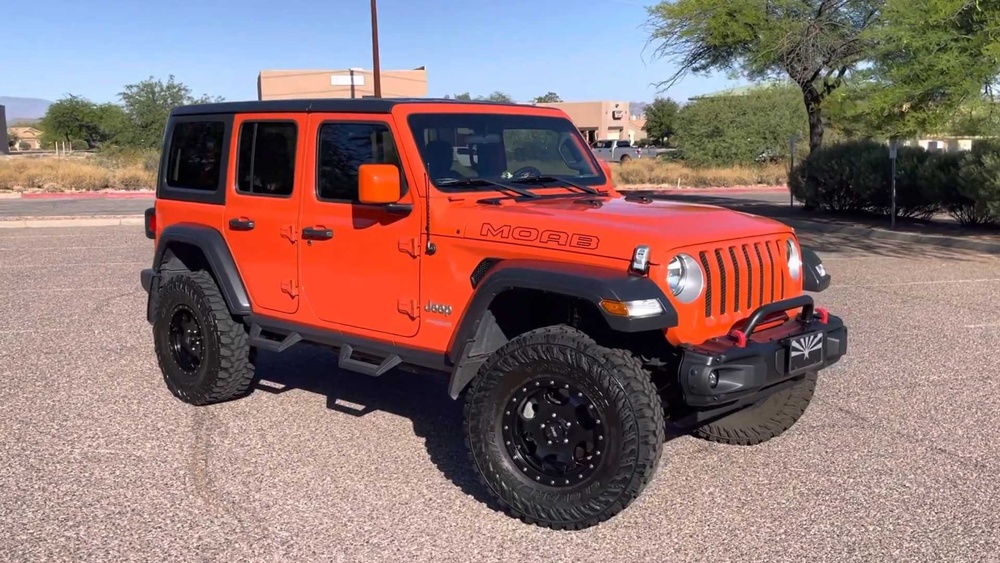
Jeep is famous for its off-road ability and rugged style. The brand started during World War II, making vehicles for the US Army. Today, Jeep is owned by Stellantis and sells models like the Wrangler, Grand Cherokee, and Compass.
Most Jeep fans love the adventurous image and how the cars handle rough roads. But Jeep’s reputation for reliability isn’t as strong.
In surveys by Consumer Reports and J. D.
Power, Jeep often ranks below the industry average.
Here is a comparison of reliability ratings from 2023:
| Brand | Reliability Score (out of 100) |
|---|---|
| Toyota | 78 |
| Honda | 76 |
| Jeep | 47 |
| Ford | 54 |
As you can see, Jeep scores lower than Toyota and Honda.
Common Problems With Jeep Cars
Jeep vehicles have strengths, but there are some common issues that buyers should know:
- Electrical problems: Many Jeep owners report issues with sensors, lights, and infotainment systems.
- Transmission issues: The automatic transmission in some models has been unreliable, especially in the Cherokee and Wrangler.
- Water leaks: Wranglers and Gladiators sometimes experience leaks around doors or roofs.
- Suspension and steering: Some Jeeps suffer from the “death wobble,” a shaking in the steering at high speeds.
- Rust and paint quality: Owners have reported early rust, especially in older models.
These problems don’t happen to every Jeep, but the risk is higher than average. It’s important to check the model year and read owner reviews before buying.
Jeep Strengths: Why People Still Buy
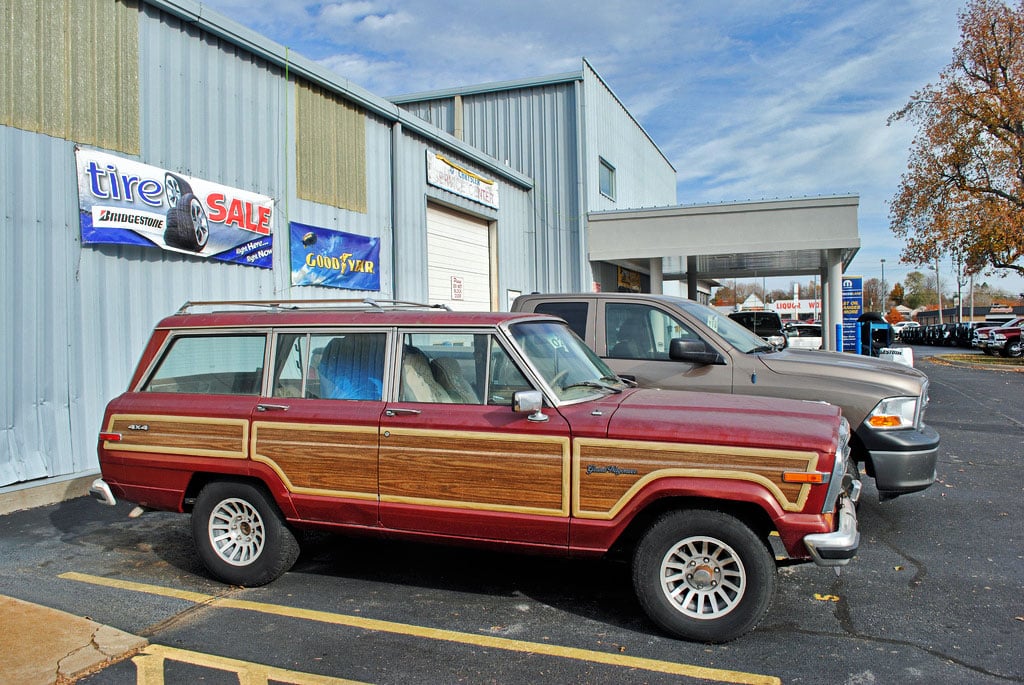
Despite reliability concerns, Jeep has some clear advantages:
- Off-road performance: Few brands match Jeep for rough terrain.
- Iconic design: The boxy look and open-top style make Jeeps unique.
- Strong resale value: Wranglers, in particular, hold their value well.
- Community and culture: Jeep owners often join clubs and events.
Here’s a quick comparison of resale value after 5 years:
| Model | % Value Retained (5 Years) |
|---|---|
| Jeep Wrangler | 60% |
| Toyota RAV4 | 52% |
| Ford Escape | 47% |
Wrangler leads in resale value, showing Jeep’s appeal to certain buyers.
Cost Of Ownership: Repairs And Maintenance
One concern for Jeep owners is the cost of repairs. According to RepairPal, Jeep’s annual maintenance cost is around $634, higher than the industry average. Here is a breakdown:
| Brand | Annual Maintenance Cost |
|---|---|
| Jeep | $634 |
| Toyota | $441 |
| Honda | $428 |
| Ford | $652 |
Some Jeep models also have higher insurance costs because of their use for off-roading.
Non-obvious Insights: What New Buyers Miss
- Model differences matter: Not all Jeeps are equal. The Wrangler is much more reliable than the Cherokee or Compass. New buyers often miss this.
- Maintenance is key: Regular care can prevent many common Jeep problems. Neglecting oil changes or ignoring small repairs can lead to expensive breakdowns.
- Parts availability: In some countries, Jeep parts are harder to find and more expensive than Toyota or Honda.
Comparing Jeep To Other Brands
Jeep’s main rivals are Toyota, Ford, and Honda. Toyota is known for reliability, Ford for performance, and Honda for efficiency. Jeep stands out for off-road use, but lags in day-to-day reliability.
If you want a car for city driving or long commutes, Toyota or Honda may suit you better. If you need a vehicle for outdoor adventures, Jeep is a strong choice, but you should expect some trade-offs.
Practical Tips For Potential Jeep Buyers
- Check recall history: Some Jeeps have had recalls for airbag and transmission issues.
- Test drive different models: Feel the ride and check for dashboard warning lights.
- Ask about warranties: A good warranty can save money if problems arise.
- Consider certified used: Certified pre-owned Jeeps often have better protection and fewer problems.
It’s smart to talk to other Jeep owners and read forums before buying.
The Real Answer: Is Jeep A Bad Car?
The answer depends on your needs. Jeep is not a “bad car” for everyone. If you want off-road adventure, unique style, and strong resale value, Jeep delivers. But if you care most about reliability and low repair costs, Jeep may not be the best choice.
One important insight: Many negative reviews come from drivers using Jeep for daily city driving, not off-road. Jeeps are built for rugged conditions, not for luxury or high efficiency.
For more in-depth data on Jeep reliability, check this resource: Jeep Wikipedia.

Frequently Asked Questions
Is Jeep Expensive To Maintain?
Jeep maintenance costs are above average. Typical annual repair costs are about $634. Some models, like the Wrangler, have lower costs if maintained well.
Are Jeeps Reliable For Daily Driving?
Jeeps are less reliable than brands like Toyota or Honda for daily city driving. They are better suited for off-road and adventure trips.
What Jeep Models Are Most Reliable?
The Jeep Wrangler is the most reliable model. The Grand Cherokee and Compass have more reported issues.
Do Jeeps Hold Their Value?
Yes, especially the Wrangler. After 5 years, a Wrangler keeps about 60% of its value, which is higher than most SUVs.
Should I Buy A Jeep For My First Car?
If you love outdoor activities and plan to use it for off-roading, Jeep can be a good choice. For simple city driving, other brands may be a safer bet.
Jeep is a bold and unique brand. It’s not perfect, but it offers something few others do.
If you understand the strengths and weaknesses, you can make the right decision for your needs.


















