Renting a car in Hawaii is a big decision for many visitors. Among all options, Jeep rentals are especially popular.
But is it really worth renting a Jeep in Hawaii? Let’s explore what makes Jeeps unique, the pros and cons, costs, and some things that most tourists miss.
This guide will help you decide if a Jeep is the right choice for your Hawaii adventure.
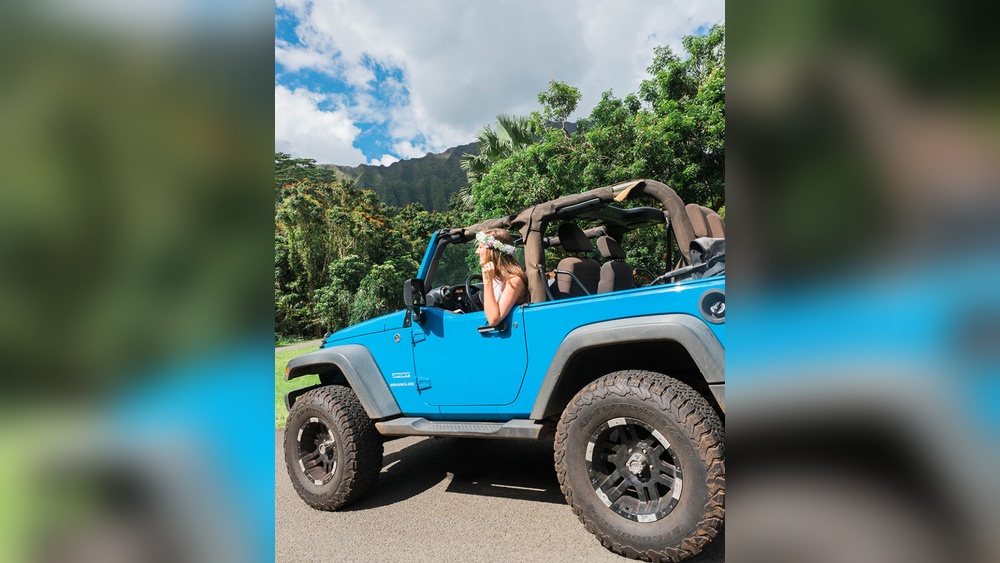
Why Are Jeeps Popular In Hawaii?
You’ll see many Jeeps cruising the Hawaiian islands. Their popularity comes from a mix of style, function, and flexibility.
- Open-air driving: Many Jeeps have removable tops, letting you feel the tropical breeze.
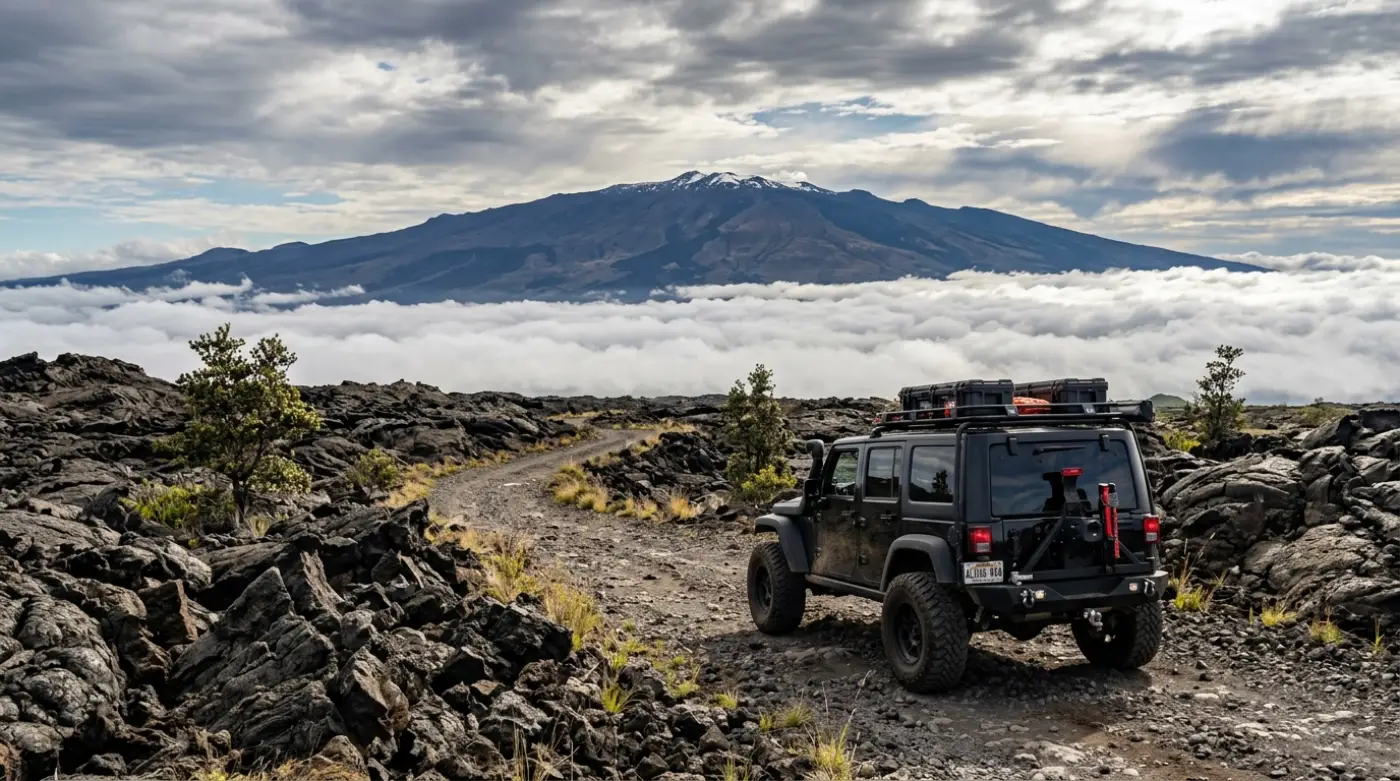
- Off-road capability: Jeeps can handle rough roads, beaches, and mountain trails much better than standard cars.
- Iconic look: For some, driving a Jeep feels like part of the Hawaii experience.
However, not every traveler needs a Jeep. Understanding the local terrain and your plans is key before making a rental decision.
Comparing Jeeps Vs. Other Rental Cars
Not sure if a Jeep fits your needs? Here’s a quick comparison.
| Feature | Jeep | Standard Sedan | Minivan |
|---|---|---|---|
| Off-road ability | Excellent | Poor | Poor |
| Space | Medium | Small | Large |
| Fuel economy | Low | High | Medium |
| Cost | High | Low | Medium |
| Fun factor | High | Low | Medium |
Jeeps are great for adventure, but sedans and minivans often offer better comfort and savings. If you’re mostly driving in cities or on paved roads, a standard car may be more practical.
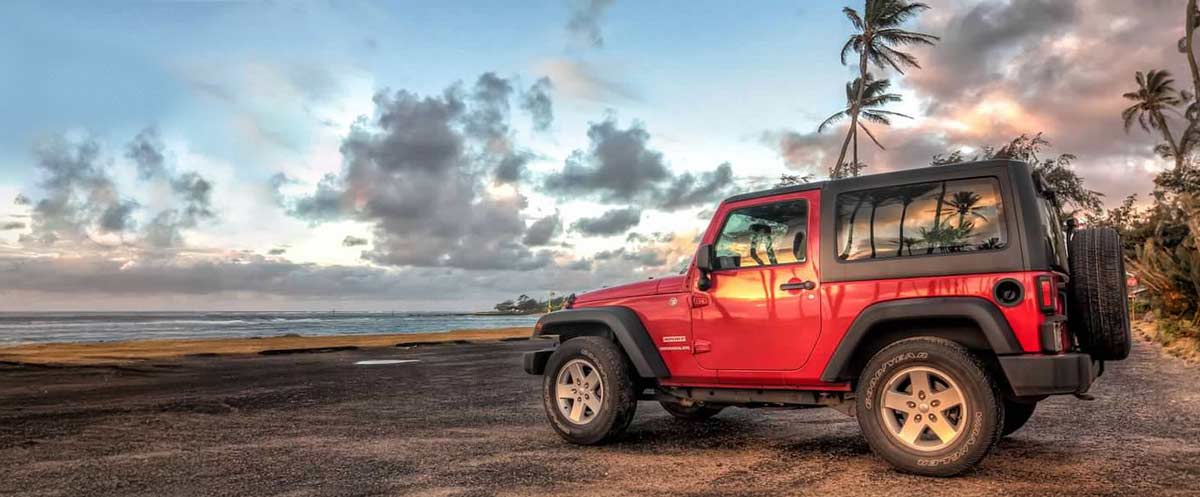
Costs And Value: Is It Worth The Price?
Jeep rentals are usually more expensive than other cars. Here’s what you can expect:
| Car Type | Average Daily Price (USD) | Insurance Cost (USD/day) |
|---|---|---|
| Jeep Wrangler | $95-$140 | $30-$40 |
| Standard Sedan | $55-$80 | $20-$30 |
| Minivan | $70-$120 | $25-$35 |
Jeeps also use more gas, which can add $20-$30 extra per day if you drive a lot. Insurance for Jeeps is often higher due to their value and risk. Make sure you check if your personal auto insurance or credit card covers rental cars.
Where A Jeep Makes Sense In Hawaii
A Jeep is ideal if you plan to explore outside the cities:
- Big Island: The Saddle Road, Mauna Kea, and some beaches require a tough vehicle.
- Maui: The Road to Hana has rough sections. Some remote spots can only be reached with a 4×4.
- Kauai: Many hiking trails and hidden beaches are easier to reach by Jeep.
- Oahu: Most roads are paved, but North Shore and some mountain areas can get muddy.
But there’s a catch: Many rental agreements do not allow Jeeps on certain rough roads. Always check restrictions before booking.

Common Mistakes When Renting A Jeep
- Ignoring rental restrictions: Some roads are “off-limits” for rental Jeeps. Breaking rules can void insurance.
- Underestimating luggage space: Jeeps have less trunk room. For families or big groups, packing can be tricky.
- Booking late: Jeeps sell out fast, especially in high season. Book early to get the best rates.
- Not checking the weather: Rain can make some trails unsafe. Ask locals before driving off-road.
Many travelers also miss that convertible tops can leak during sudden rain showers. If you’re storing valuables, keep them out of sight.
Pros And Cons: Quick Overview
Let’s break down the main advantages and disadvantages.
Pros
- Adventure-ready: Great for exploring wild spots.
- Fun driving: Open-air, scenic views.
- Higher clearance: Safer on bumpy roads.
Cons
- Higher cost: More expensive than other rentals.
- Lower fuel efficiency: More stops at gas stations.
- Limited space: Not ideal for lots of luggage.
- Possible restrictions: Can’t drive everywhere.
Insider Tips For Jeep Rentals
- Book early: Prices and availability change quickly.
- Read the contract: Check where you can drive.
- Protect yourself: Take photos of the Jeep before and after use.
- Use local advice: Ask hotel staff or locals about road conditions.
- Don’t leave valuables: Jeeps are easy targets for theft.
A non-obvious tip: Many rental companies offer “soft-top” Jeeps, but these can be noisier and less secure. If you want quiet and safety, ask for a hard-top model.
Real Hawaii Experiences
Travelers often share mixed stories. Some love the freedom of a Jeep, especially for sunrise at a remote beach. Others regret the higher costs and limited trunk space. For example, a family who visited Maui found that their Jeep was fun for exploring, but struggled to fit all their bags and groceries. Another solo traveler enjoyed the open-top experience on the Road to Hana but had to clean muddy shoes after a surprise rain.
According to the Hawaii Tourism Authority, about 15% of car rentals are Jeeps or SUVs. This shows they are popular, but not always the first choice for every visitor.
Should You Rent A Jeep In Hawaii?
If you want adventure, plan to explore remote areas, and don’t mind paying more, a Jeep can be a highlight. If your trip is mostly city-based or you need lots of space, a sedan or minivan might suit you better.
For more details on road conditions and local rules, check out Go Hawaii.
Frequently Asked Questions
Is A Jeep Necessary For The Road To Hana?
A Jeep is helpful but not required. Most of the Road to Hana is paved, but a Jeep gives more comfort and safety on rough parts.
Are Jeeps Allowed On All Hawaiian Roads?
No. Many rental companies restrict Jeeps from certain dirt or mountain roads. Always check your rental agreement before driving off-road.
Do Jeeps Cost More To Rent Than Standard Cars?
Yes. Jeep rentals are usually $40-$60 more per day compared to sedans. Insurance and gas costs are also higher.
Is It Safe To Leave Valuables In A Jeep?
No. Jeeps, especially with open tops, are easy targets for theft. Always keep valuables out of sight or take them with you.
How Can I Find The Best Deal On A Jeep Rental?
Book early, compare rates online, and check for discounts. Avoid renting at the airport if possible, as city locations may offer better prices.
Renting a Jeep in Hawaii can turn a regular trip into an adventure—but it’s not always the best fit for everyone. Think about your plans, budget, and group size before making a decision. With the right info, your Hawaii journey will be smooth and memorable.