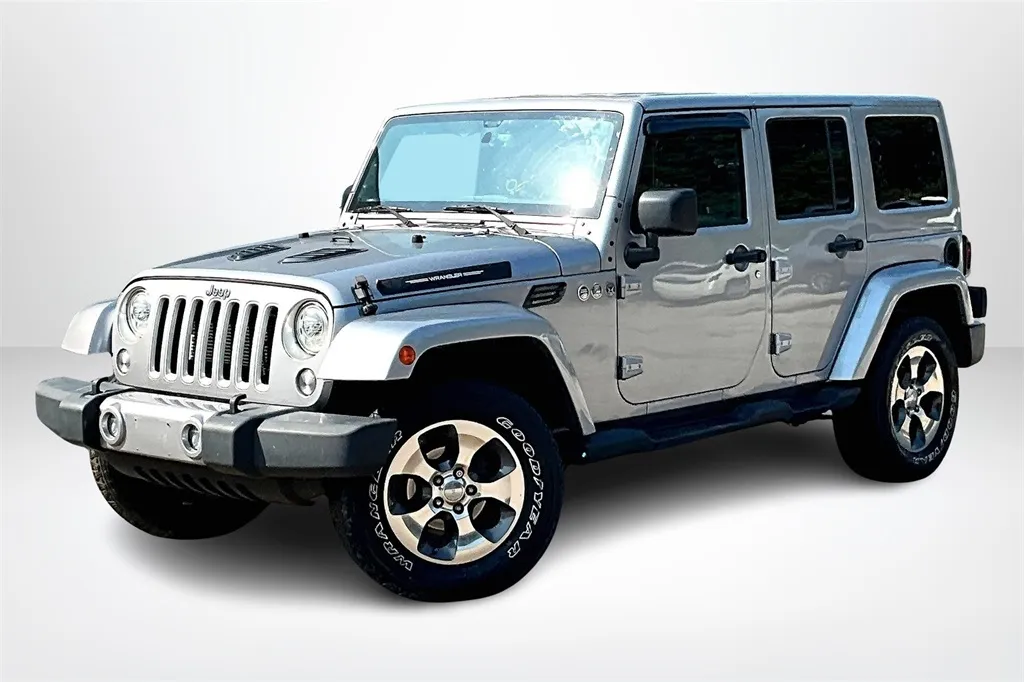
Many people see a Jeep Sahara and wonder, “Is this a JK?” The Jeep world is full of names, codes, and trim levels.
If you’re searching for clarity, this guide will help. Whether you’re thinking about buying a Jeep or just curious about models, you’ll find clear answers here.
Let’s explore what makes a Jeep Sahara a JK, and what that means for drivers. Understanding these differences can make your Jeep experience more enjoyable, and help you avoid confusion when shopping or talking with other Jeep fans.
Understanding Jeep Codes And Trims
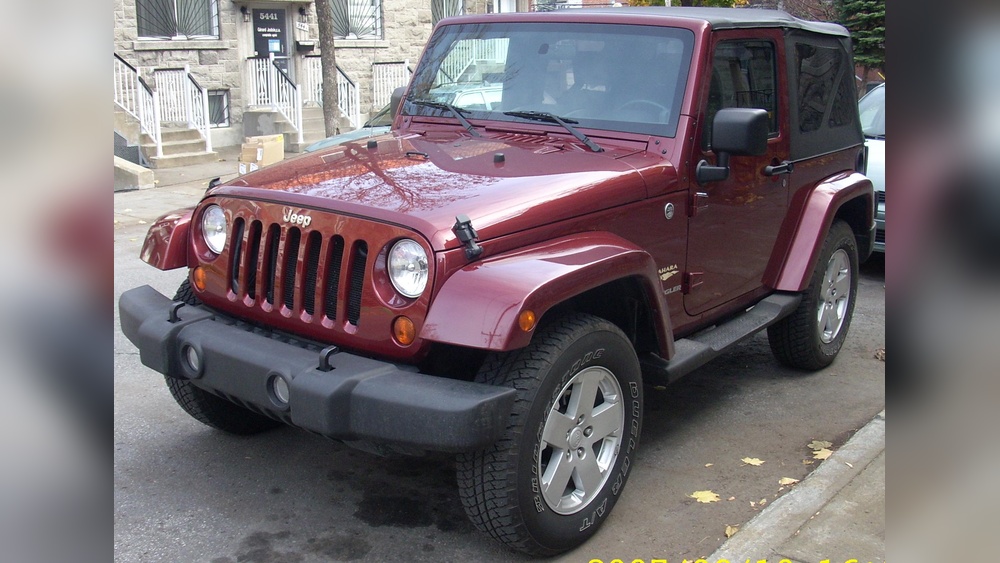
Jeep uses codes like JK to identify generations of its Wrangler model. The Sahara is a trim level that appears in several Jeep generations. So, when someone says “Jeep Sahara,” they are talking about a specific trim, not a generation.
The JK code refers to Wranglers built between 2007 and 2018. This includes both two-door and four-door models (the latter often called Unlimited). The Sahara trim was available throughout these years. So, a Jeep Sahara from 2007-2018 is indeed a JK.
A trim level like Sahara means a package of features, colors, and styling details. For example, Sport and Rubicon are also trim levels, but each offers a different mix of equipment.
The generation code (like JK or JL) tells you the overall age and design of the Jeep.
Here’s a quick look at Wrangler generations:
| Generation Code | Years Produced | Main Features |
|---|---|---|
| YJ | 1987–1995 | Square headlights |
| TJ | 1997–2006 | Round headlights, coil suspension |
| JK | 2007–2018 | Four-door option, updated styling |
| JL | 2018–present | New tech, improved ride |
For example, if you see a Wrangler with square headlights, it’s almost always a YJ. If it has a more modern look and can seat five people with four doors, it’s likely a JK or newer.
These visual clues help you spot the generation quickly, even before you check paperwork.
What Makes The Sahara Special?
The Sahara trim stands out for its comfort and style. It’s not the most rugged Wrangler, but it offers more luxury than basic versions. Features like body-color fenders, upgraded seats, and extra tech are common.
Typical features of the JK Sahara include:
- 18-inch alloy wheels
- Body-color fender flares
- Premium cloth seats
- Touchscreen infotainment (on later JKs)
- Side steps for easier entry
- Optional hard or soft top
The Sahara also often includes automatic climate control and power windows, which are missing from lower trims. Earlier JK Saharas came with simpler radios, but later models gained touchscreens and Bluetooth.
Many drivers enjoy the special Sahara badges and color options that make these Jeeps stand out.
Many owners appreciate the Sahara because it blends off-road capability with daily comfort. It’s popular among families and those who want a stylish ride.
For example, if you use your Jeep for work during the week and light trail driving on weekends, the Sahara gives you the best of both worlds. Its suspension is softer than the Rubicon’s, making city driving smoother.
Yet, it still has true four-wheel-drive for snowy weather or muddy roads.

Comparing Sahara To Other Jk Trims
It’s easy to confuse the Sahara with other JK trims, like Sport and Rubicon. Here’s a clear comparison:
| Trim | Main Features | Intended Use |
|---|---|---|
| Sahara | Luxury touches, comfort features | Daily driving, light off-roading |
| Sport | Basic trim, fewer amenities | Entry-level, budget-friendly |
| Rubicon | Heavy-duty axles, lockers, rock rails | Serious off-roading |
If you want the best off-road performance, the Rubicon is top. For comfort, style, and moderate trail ability, the Sahara is ideal. The Sport is good for those on a budget.
Another difference is tires and axles. The Rubicon has off-road tires and electronic locking differentials, while the Sahara focuses on all-terrain tires and a quieter ride.
If you mostly drive on paved roads but want Jeep’s iconic look and some off-road skills, the Sahara is a balanced choice.
How To Tell If Your Jeep Sahara Is A Jk
Sometimes, people aren’t sure what generation their Sahara belongs to. You can check a few things:
- Model Year: If your Jeep Sahara is between 2007–2018, it’s a JK.
- Body Style: JKs have a wider stance and offer a four-door option (Unlimited).
- Dashboard Design: JKs have a more modern dash compared to older TJs.
- VIN Information: The Vehicle Identification Number gives exact details. You can look up your VIN for confirmation.
Another sign is the door handles. JK models have pull-style exterior handles, while older generations use a push-button style.
The hood latches are also different—JKs have flat, rubber hood catches.
Here’s a handy comparison of JK vs. JL Sahara:
| Feature | JK Sahara (2007–2018) | JL Sahara (2018–present) |
|---|---|---|
| Infotainment | Basic touchscreen (later JKs) | Advanced touchscreen, Apple CarPlay |
| Engine Options | 3.6L V6, 3.8L V6 (early years) | 2.0L turbo, 3.6L V6 |
| Safety | Basic airbags | Improved safety tech |
If you’re still unsure, dealers or Jeep service centers can check your VIN and confirm your Wrangler’s generation and trim.
Common Mistakes And Non-obvious Insights
Many beginners confuse trim with generation. Remember: JK is a generation, Sahara is a trim.
Another common mistake is thinking all Saharas are JKs. But Sahara trim appears in JL (2018–present) and earlier models too. Always check the year.
Here are two things many miss:
- The four-door Unlimited version only started with the JK generation.
- Some JK Saharas have unique paint and wheel options not found in other trims or generations.
Also, some buyers assume all Saharas have the same features, but options changed over the years. Early JK Saharas (2007–2010) had different radios and fewer tech features than later models.
Always check the features on the exact Jeep you’re considering.
Another insight: JK Saharas usually have less aggressive gear ratios than the Rubicon. This means better fuel economy on highways, but less crawling power on rocky trails. It’s a small detail, but it affects how the Jeep drives.
Why The Jk Sahara Is Popular
The JK Sahara is famous for blending comfort and style with Jeep’s legendary toughness. It offers good resale value, and many owners upgrade it with bigger tires or custom touches. It’s also seen as a good entry point into Jeep ownership, since it’s practical for daily use.
Data shows the JK generation boosted Wrangler sales worldwide. In 2016 alone, Jeep sold over 200,000 Wranglers in the US, with many buyers choosing the Sahara for its balance of features.
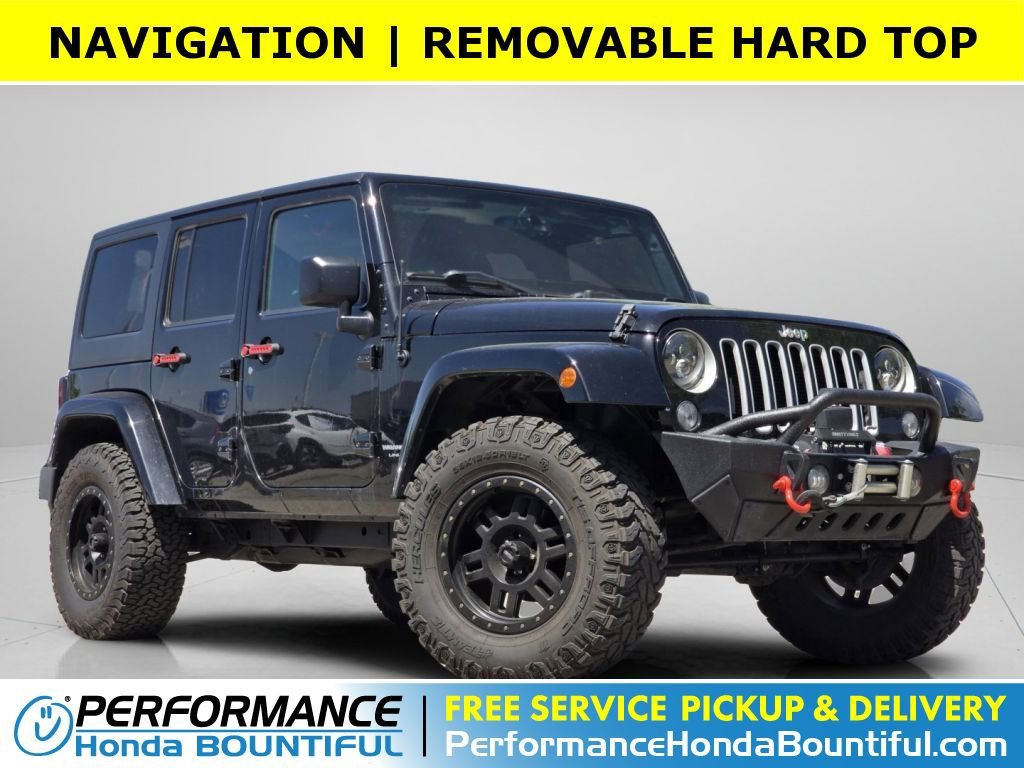
You’ll see many JK Saharas on the road with aftermarket bumpers, LED headlights, or roof racks. These Jeeps are easy to personalize.
Owners often join Jeep clubs or attend events, making the JK Sahara part of a bigger community.
Insurance costs for JK Saharas are also reasonable compared to the Rubicon, since fewer off-road features mean lower repair costs. This makes it appealing to families and first-time Jeep buyers who want the look and feel of a Wrangler without the highest price tag.