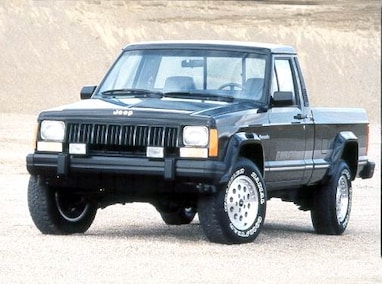
Is A Jeep Cherokee Considered A Truck
The Jeep Cherokee is a popular vehicle with a strong reputation for versatility, but many people are unsure how to classify it. Is it a truck, an SUV, or something in between?
The answer depends on how you define these terms, and why classification matters. Whether you’re buying, insuring, or just curious, understanding how the Jeep Cherokee is categorized can help you make smarter decisions.
What Makes A Vehicle A Truck?
The word truck means different things to different people. For some, it means any vehicle that can haul heavy loads. For others, it’s about the vehicle’s design, purpose, or even its legal classification.

In the United States, trucks are usually:
- Built on a body-on-frame chassis (like pickup trucks)
- Designed for carrying cargo in a separate bed
- Often have higher towing and payload capacities
The Jeep Cherokee, on the other hand, is built differently. It uses a unibody design (the frame and body are one piece), which is common for cars and most SUVs. This makes the Cherokee lighter, more comfortable, and better for daily driving—but less like a traditional truck.
Jeep Cherokee: Suv Or Truck?
The Jeep Cherokee is almost always classified as an SUV (Sport Utility Vehicle). Here’s how it compares to trucks and SUVs:
| Feature | Jeep Cherokee | Pickup Truck | Traditional SUV |
|---|---|---|---|
| Chassis | Unibody | Body-on-frame | Body-on-frame/Unibody |
| Primary Use | Passenger & light cargo | Heavy cargo & towing | Passenger & off-road |
| Cargo Area | Enclosed | Open bed | Enclosed |
| Seating | 5 (sometimes 7) | 2-6 | 5-8 |
Key insight: While the Cherokee has off-road abilities like some trucks, its design and use are much closer to an SUV.
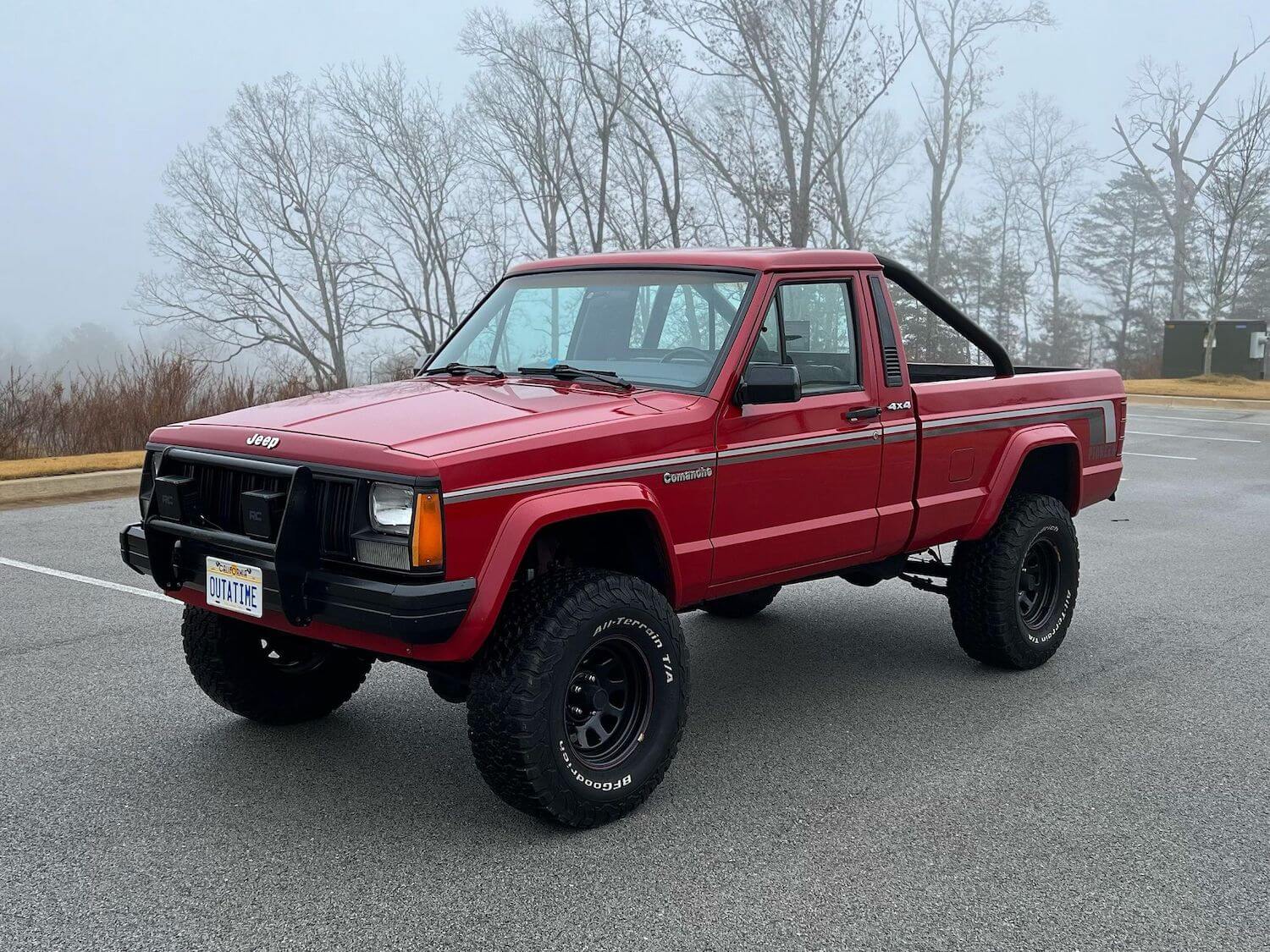
Why Classification Matters
You might wonder if this really matters. The answer is yes, especially in these situations:
- Insurance rates: Trucks and SUVs are rated differently by insurance companies. SUVs often cost less to insure than trucks.
- Registration and taxes: Some states tax trucks and SUVs differently. This can affect your yearly fees.
- Parking and road rules: Certain roads or parking areas may restrict trucks but allow SUVs.
For example, in California, a truck may need a commercial plate, while an SUV does not. The Jeep Cherokee is almost always registered as an SUV or passenger vehicle, not a truck.
How The Government Classifies The Jeep Cherokee
The Environmental Protection Agency (EPA) and the National Highway Traffic Safety Administration (NHTSA) both classify vehicles for fuel economy and safety standards.
| Agency | Classification | Jeep Cherokee |
|---|---|---|
| EPA | Small SUV 4WD/2WD | SUV |
| NHTSA | Multipurpose Passenger Vehicle (MPV) | SUV/MPV |
Both agencies see the Cherokee as an SUV or MPV, not a truck. This affects fuel economy labels, crash tests, and more.
Common Confusion: Why Some People Call It A Truck
Some people call the Jeep Cherokee a “truck” because:
- It has off-road capability
- It can tow moderate loads (up to 4,500 lbs with the right engine)
- It is tough and rugged
However, these features alone do not make it a truck by design or legal classification. The confusion often comes from history—older SUVs were built on truck frames, but most modern SUVs (including the Cherokee) use unibody construction.
Practical Differences: Cherokee Vs. Truck
It’s helpful to look at what the Jeep Cherokee can and cannot do compared to a typical pickup truck.
| Task | Jeep Cherokee | Pickup Truck |
|---|---|---|
| Towing | Up to 4,500 lbs | Up to 12,000+ lbs |
| Hauling large items | Limited by cargo space | Easy with open bed |
| Off-road use | Very capable | Depends on model |
| Passenger comfort | High | Varies |
Non-obvious insight: The Cherokee’s towing and off-road abilities are good for an SUV, but still below most trucks. If you need to carry construction materials or tow heavy trailers, a pickup is better.
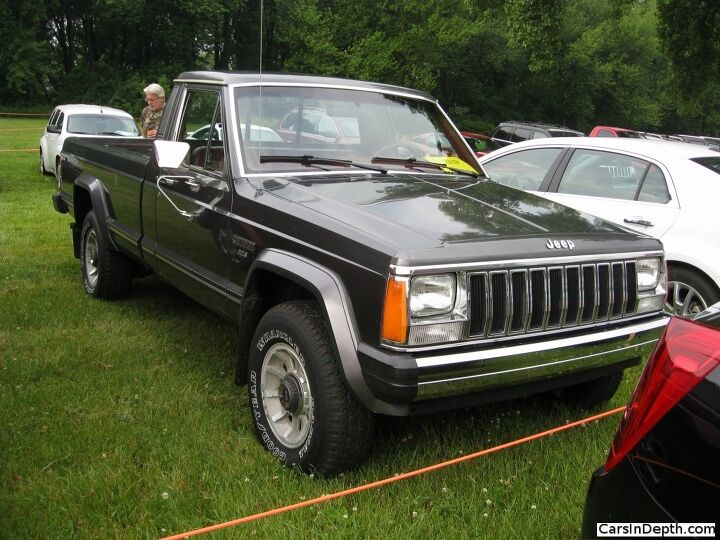
Real-world Examples
- Insurance: A 2023 Jeep Cherokee typically costs less to insure than a Ford F-150, a full-size pickup truck.
- Registration: In New York, the Cherokee is registered as a passenger vehicle, while a Ram 1500 is registered as a truck.
- Usage: Families and commuters choose the Cherokee for its comfort and space. Contractors prefer trucks for their hauling ability.
If you’re thinking of buying a Cherokee for “truck” tasks, consider what you really need. For most people, the Cherokee offers a good blend of comfort and light utility.
Frequently Asked Questions