Many people see a Jeep on the road and wonder if it’s a hatchback. The Jeep brand is famous for rugged vehicles that can handle tough conditions.
But when you look at the shape of some Jeep models, especially the smaller ones, it’s easy to see why this question comes up. Let’s clear up the confusion about what makes a hatchback, what makes a Jeep, and how they compare.
What Defines A Hatchback?
A hatchback is a car with a rear door that swings upward. This door, called a hatch, gives access to the cargo area. Most hatchbacks have two or four doors for passengers, plus the rear hatch. They are usually:
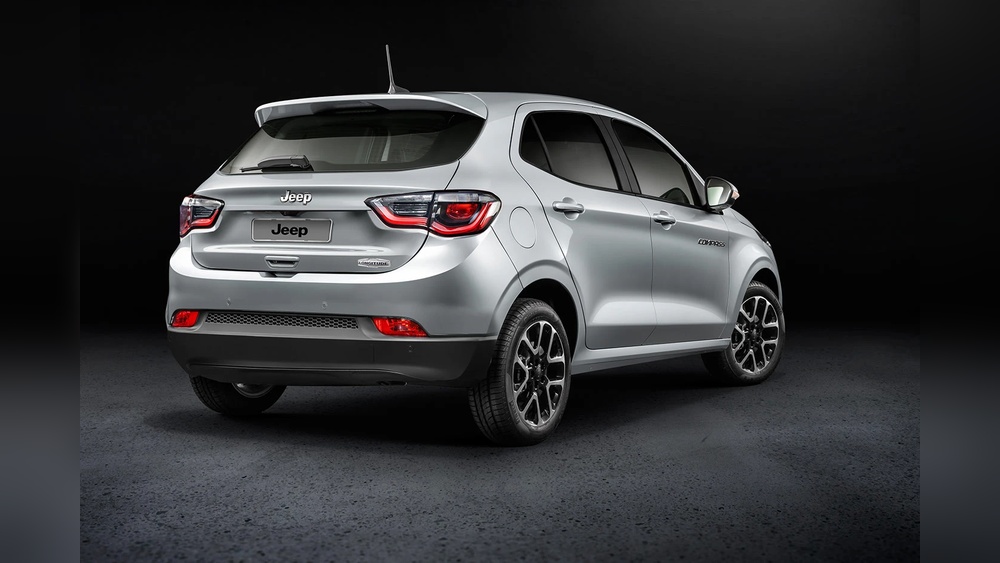
- Compact or small in size
- Designed for city driving
- Built for fuel efficiency
- Offer flexible cargo space
Examples of popular hatchbacks include the Volkswagen Golf, Honda Fit, and Ford Focus. These cars often have a sloping rear roofline and a single, shared space for passengers and cargo.
What Makes A Jeep Unique?
Jeep is a brand, not a type of car. The company builds different models, but most people think of the Jeep Wrangler or Grand Cherokee when they hear the name. Key features of Jeeps include:
- High ground clearance for off-road driving
- Four-wheel drive systems
- Boxy, upright shape
- Strong, rugged frames
While some Jeeps are smaller and more urban-friendly, the brand’s identity is built on adventure and durability.
Here’s a quick look at typical Jeep features:
| Feature | Jeep | Hatchback |
|---|---|---|
| Ground Clearance | High | Low |
| Drive System | 4WD/AWD | FWD/RWD |
| Body Style | SUV/Off-road | Compact Car |

Why The Confusion?
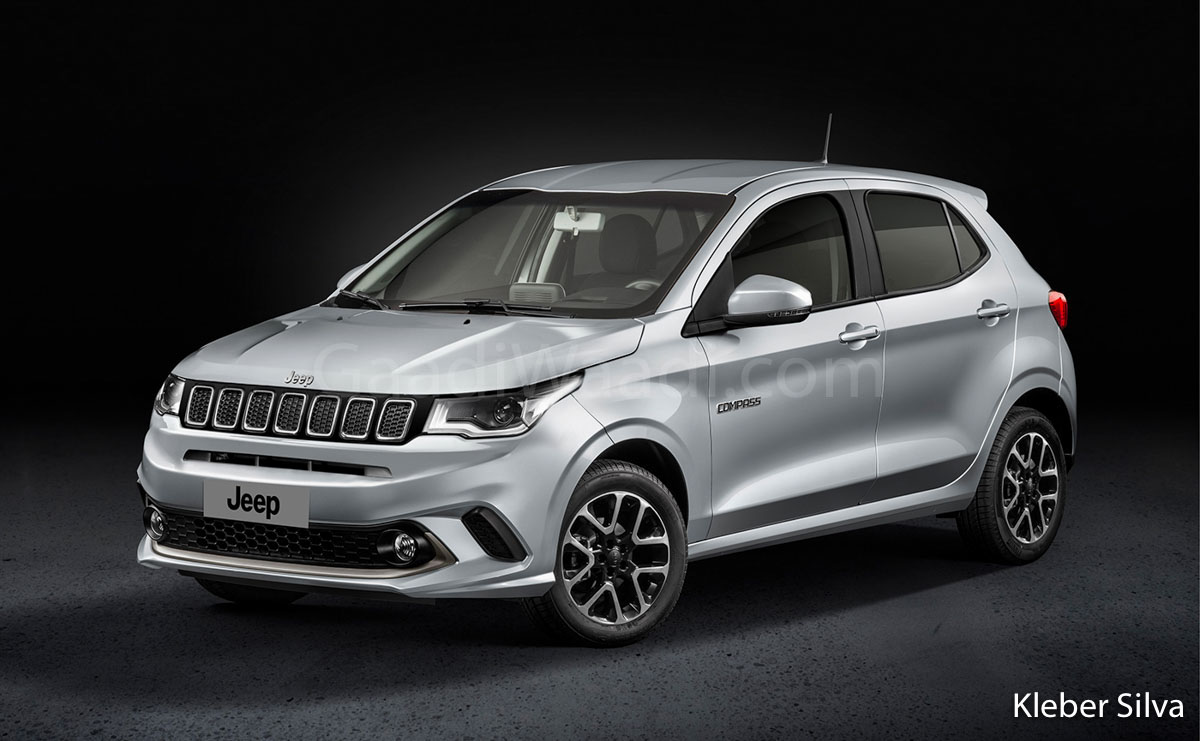
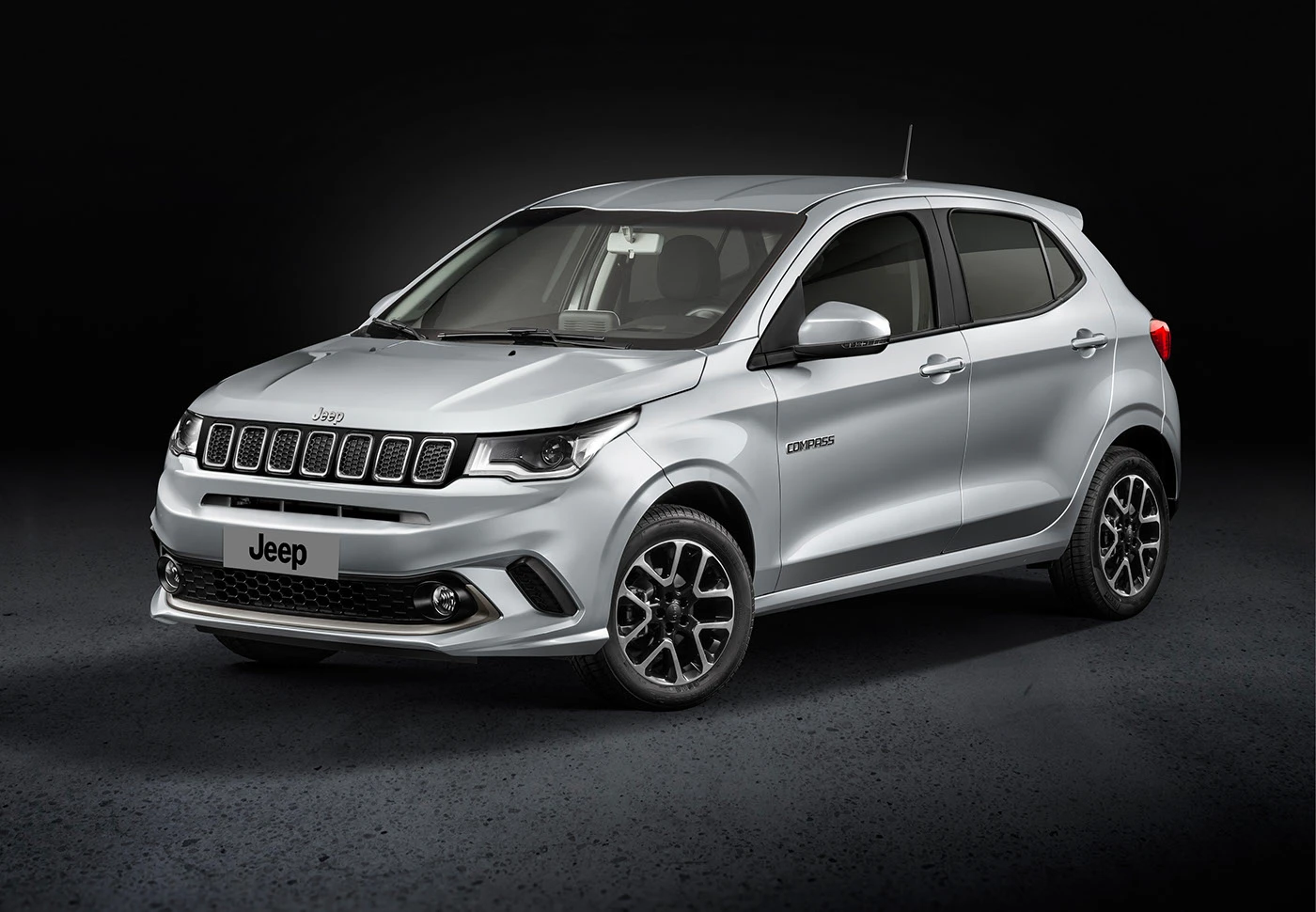
Some Jeep models, such as the Renegade or Compass, have a rear door that opens upward—just like a hatchback. The cargo space in these models is also more flexible than in classic sedans. This leads some people to think, “Is my Jeep a hatchback?”
But in the auto industry, body style is about more than just the rear door. It’s about size, purpose, and design. Hatchbacks are usually low to the ground and built for efficiency. Jeeps are taller and built for off-road capability.
Comparing Jeep Models To Hatchbacks
To see the difference clearly, let’s compare a popular hatchback and a typical Jeep:
| Model | Type | Length (inches) | Ground Clearance (inches) | Drive Type |
|---|---|---|---|---|
| Honda Fit | Hatchback | 161.4 | 4.4 | FWD |
| Jeep Renegade | Subcompact SUV | 166.6 | 8.0 | 4WD/AWD |
Notice the Jeep Renegade is higher off the ground and can handle rough roads better. It’s also heavier and built for different conditions.
How Car Types Are Classified
Car makers and dealers use clear categories to help buyers know what they’re getting. The main types are:
- Sedan: Four doors, fixed trunk
- Hatchback: Two or four doors, rear hatch
- SUV (Sport Utility Vehicle): Taller, more space, often 4WD
- Crossover: Mix of car and SUV features
- Truck: Open cargo bed
Jeep models usually fit into the SUV or crossover group, even if they have a hatch-style rear door.
Non-obvious Insights About Jeeps And Hatchbacks
First, insurance costs can be higher for Jeeps than hatchbacks. This is due to repair costs and how they’re used—often off-road or in rougher conditions. Hatchbacks, being smaller and lower-powered, often cost less to insure.
Second, fuel efficiency is a big difference. Even the smallest Jeep, like the Renegade, gets much lower gas mileage than a typical hatchback. The Honda Fit, for example, can get over 36 mpg on the highway, while a Jeep Renegade often averages under 30 mpg.
Common Mistakes When Comparing The Two
Many people think any car with a rear hatch is a hatchback. But the term “hatchback” is about more than the trunk door.
It’s a mix of size, shape, and purpose. Some SUVs and crossovers have hatch-style doors, but they are not hatchbacks.
Another common mistake is thinking that all Jeeps are big and rough. Some, like the Jeep Compass, are designed for the city. But they still have the SUV DNA—higher ground clearance, more rugged suspension, and a focus on capability.
Which Should You Choose?
If you want:
- Off-road ability and a tough build: Choose a Jeep.
- City driving, fuel savings, and easy parking: A hatchback is better.
Think about your main needs. Hatchbacks fit small families, city drivers, and budget-focused buyers.
Jeeps are for those who want to explore, tow, or drive in all weather.
Here’s a quick comparison for buyers:
| Need | Best for Hatchback | Best for Jeep |
|---|---|---|
| Fuel Economy | ✔️ | |
| Off-Road Driving | ✔️ | |
| Urban Parking | ✔️ | |
| Towing Power | ✔️ |
Final Thoughts
A Jeep is not a hatchback—even if it has a rear hatch. The two types serve different drivers and needs. Hatchbacks are about efficiency and urban use, while Jeeps focus on ruggedness and adventure. The confusion often comes from the rear door design, but the differences run deeper. When choosing, think about how you’ll use your car, where you’ll drive, and what features matter most.
If you want to know more about car body styles, the Wikipedia car body style guide is a helpful resource.
Frequently Asked Questions
Why Do Some Jeeps Have A Hatchback-style Rear Door?
Most modern SUVs, including Jeeps, use an upward-opening rear door for easy cargo access. This does not make them hatchbacks; it’s just a practical design for larger vehicles.
Can A Jeep Be Used Like A Hatchback?
You can use a small Jeep for daily driving and grocery runs, but you’ll get less fuel economy and a taller ride. The cargo space is often larger, but the car feels and handles differently.
Are There Any Jeep Models That Are Close To Hatchbacks?
Models like the Jeep Renegade and Compass are closer in size to hatchbacks, but they are still classified as subcompact SUVs due to their design and capability.
Which Costs More: A Jeep Or A Hatchback?
Jeeps usually cost more to buy and maintain. They use more fuel, and parts can be more expensive.
Hatchbacks are often cheaper to run over time.
Is A Jeep Safer Than A Hatchback?
Safety depends on the model and features. Jeeps are bigger and sit higher, which can help in some accidents.
However, hatchbacks often have better handling and shorter stopping distances, which can also improve safety. Always check crash ratings for the model you want.