In-house Financing For Jeep Wranglers: Your Guide To Driving Off The Lot
Buying a new Jeep Wrangler is an exciting prospect. Known for its legendary off-road capabilities, iconic design, and adventurous spirit, the Wrangler is a dream vehicle for many.
But for some, the dream hits a snag when it comes to financing. Traditional auto loans from banks or credit unions might not be an option for everyone, especially if credit history is a concern.
This is where in-house financing comes into play.
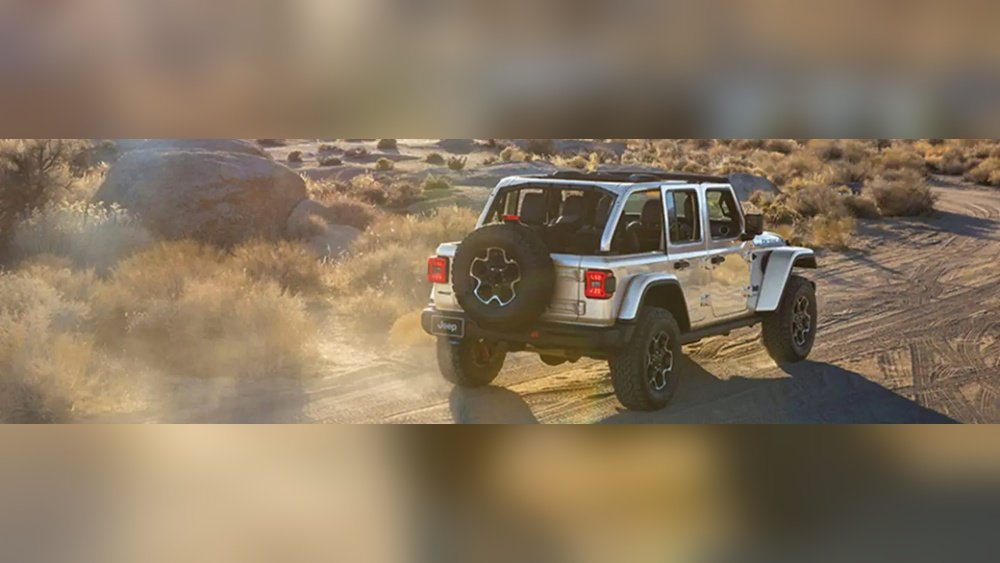
In-house financing, often called buy here, pay here (BHPH), is a method where the dealership itself provides the loan to the buyer, rather than working with a third-party lender. This can be a lifeline for individuals who have been turned down by conventional lenders. However, it’s crucial to understand that while in-house financing offers accessibility, it often comes with different terms and conditions that can significantly impact the total cost of your Jeep Wrangler. This guide will break down what in-house financing for a Jeep Wrangler entails, who it’s best for, its pros and cons, and what to watch out for.
Understanding In-house Financing (bhph)
When you finance a vehicle through a dealership’s in-house program, the dealership becomes your lender. They handle the entire process, from approving your loan to collecting your payments. This is fundamentally different from traditional financing, where the dealership acts as an intermediary, connecting you with banks, credit unions, or manufacturer financing arms like Chrysler Capital (which often offers competitive rates and incentives for Jeep vehicles).
With BHPH, the dealership uses its own capital or a line of credit to fund the loan. This gives them more control over the approval process.
They often have more flexibility with credit requirements, making it easier for buyers with less-than-perfect credit scores to get approved.
The dealership’s primary goal is to sell cars, and in-house financing is a tool to make that happen, even for customers who might not qualify elsewhere.
How It Works: The Process
- Application: You’ll fill out a loan application directly with the dealership. This will typically include personal information, employment history, and proof of income.
- Approval: The dealership reviews your application. Their approval criteria are usually less stringent than traditional lenders, focusing more on your ability to make payments rather than just your credit score. They might look at factors like how long you’ve been at your job and your current income.
- Loan Terms: If approved, the dealership will present you with loan terms. This is where careful examination is crucial. In-house loans often have higher interest rates and shorter repayment periods compared to traditional loans.
- Down Payment: A significant down payment is often required with BHPH financing. This reduces the dealership’s risk.
- Payments: You make your car payments directly to the dealership. They may offer various payment methods, including online portals, mail, or in-person at the dealership.
- Vehicle Tracking: Many BHPH dealerships equip vehicles with GPS tracking devices and ignition interrupters. These are security measures to repossess the vehicle quickly if payments are missed.
Who Benefits Most From In-house Financing?
In-house financing is primarily designed for individuals facing challenges securing traditional auto loans. This includes:
- Buyers with Bad Credit: Those with low credit scores, past bankruptcies, repossessions, or significant debt often find it difficult to get approved by banks. BHPH programs are more forgiving.
- Buyers with No Credit History: Young buyers or individuals who have never taken out a loan may not have a credit score to speak of. Dealerships can still assess their ability to pay.
- Buyers with Irregular Income: Self-employed individuals or those with fluctuating income may struggle to meet the strict income verification requirements of traditional lenders. BHPH programs might offer more flexibility.
- Buyers Needing Immediate Transportation: When time is of the essence and other options are exhausted, in-house financing can provide a quicker path to driving away in a vehicle.
Pro Tip: While BHPH can be a solution, it’s essential to view it as a last resort after exploring all other financing avenues.
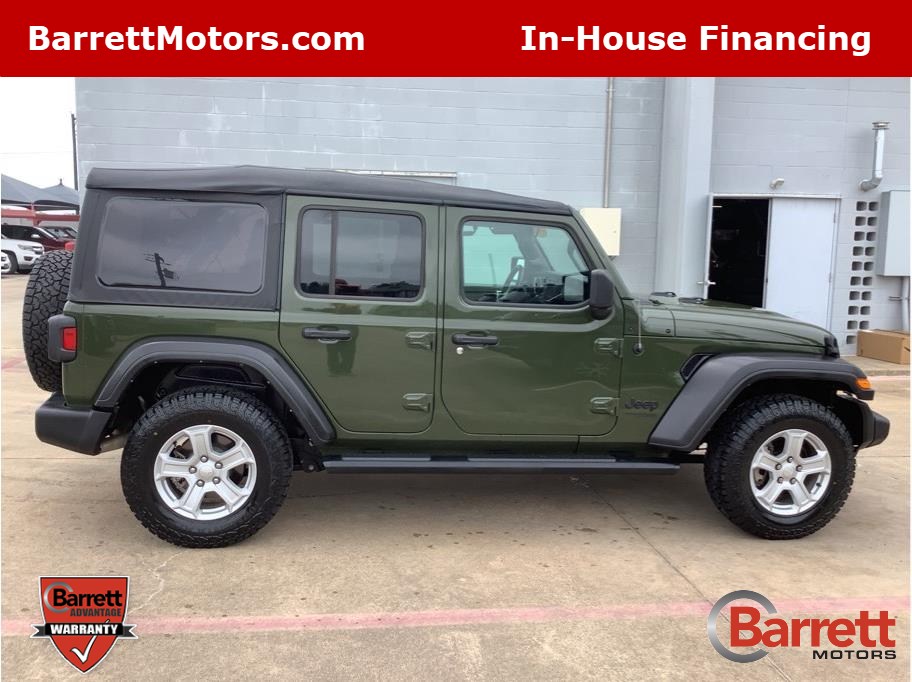
The Pros Of In-house Financing For A Jeep Wrangler
Despite its potential drawbacks, in-house financing does offer several advantages that can make it an attractive option for certain buyers.
1. Easier Approval Process
This is the biggest advantage. Dealerships offering BHPH financing prioritize making sales. Their in-house team is empowered to approve loans based on a broader set of criteria than traditional banks. This means that if you have a damaged credit history, you still have a good chance of driving home in a Jeep Wrangler. They focus on your current ability to pay, not just your past financial mistakes.
2. Faster Transaction Time
The entire financing process happens under one roof. You apply, get approved, and often drive away in your Wrangler the same day.
There’s no waiting for external lender approvals, which can sometimes take days. This speed is particularly beneficial if you need a vehicle urgently.
3. Potential For Credit Rebuilding
For individuals with poor credit, successfully completing an in-house financing loan can be a stepping stone to rebuilding their credit history. By making consistent, on-time payments directly to the dealership, you can demonstrate financial responsibility. The dealership may report your payment history to credit bureaus, helping to improve your score over time. However, this is not always guaranteed, so it’s important to ask if they report to the major credit bureaus.
4. Flexibility And Negotiation
While interest rates are often higher, some BHPH dealerships may offer a degree of flexibility in negotiating down payment amounts or even the purchase price of the vehicle. Since they control the entire transaction, there might be more room for discussion compared to dealing with a separate bank.
5. Immediate Access To A Jeep Wrangler
For Jeep enthusiasts who have been dreaming of a Wrangler, in-house financing can make that dream a reality sooner rather than later, especially if traditional financing avenues are closed off. It provides immediate access to a vehicle that might otherwise be out of reach.
The Cons Of In-house Financing For A Jeep Wrangler
The convenience and accessibility of in-house financing come at a cost, and it’s vital to be aware of these potential downsides before signing any agreement.
1. Higher Interest Rates (aprs)
This is arguably the most significant drawback. Because BHPH lenders take on more risk by approving buyers with poor credit, they compensate by charging much higher interest rates. Annual Percentage Rates (APRs) on in-house loans can easily range from 15% to 30% or even higher, compared to typical rates for buyers with good credit which might be 5-10%. This dramatically increases the total amount you’ll pay for the Wrangler over the life of the loan.
For example, a $30,000 loan at 25% APR for 60 months could result in monthly payments of around $800 and a total repayment of nearly $48,000. The same loan at 7% APR would have monthly payments of about $590 and a total repayment of roughly $35,400.
The difference is substantial.
2. Shorter Loan Terms
In-house financing often comes with shorter repayment periods than traditional loans. While this means you might pay off the vehicle faster, it also results in higher monthly payments. A shorter term on a higher-interest loan exacerbates the affordability issue. For instance, a 36-month or 48-month term is more common than a 60-month or 72-month term.
3. Larger Down Payments Required
To mitigate their risk, BHPH dealerships frequently demand a larger down payment than traditional lenders. This can be a significant barrier for buyers who are already struggling financially. You might need 10-20% or more of the vehicle’s price upfront.
4. Limited Vehicle Selection
Not all dealerships offer in-house financing, and those that do might have a specific inventory of vehicles designated for these programs. You might find that the selection of Jeep Wranglers available through in-house financing is limited to older models, higher-mileage vehicles, or specific trim levels.
The newest, most desirable Wranglers might not be available.
5. Potential For Predatory Practices
While not all BHPH dealerships are predatory, the industry has a reputation for some less-than-scrupulous operators. Be wary of dealers who:
- Pressure you to sign quickly without reading the contract.
- Offer vague terms or refuse to explain the contract clearly.
- Charge excessive fees for everything from processing to late payments.
- Do not provide a clear payoff amount.
6. Vehicle Condition And Warranty Concerns
Vehicles sold through BHPH programs are often sold “as-is.” This means there’s typically no warranty, and you’ll be responsible for any repairs needed after purchase. Given that these vehicles might be older or have higher mileage, the potential for costly repairs is significant. A thorough pre-purchase inspection by an independent mechanic is highly recommended, though difficult to arrange if you need the car immediately.
7. Repossession Risk And Tracking Devices
As mentioned, BHPH vehicles often come with GPS trackers and starter interrupt devices. If you miss even a single payment, the dealership can repossess the vehicle remotely, often without prior notice. This can leave you stranded and further damage your credit.

Evaluating In-house Financing Offers For Your Jeep Wrangler
If you’re considering in-house financing for a Jeep Wrangler, thorough evaluation is paramount. Don’t be swayed solely by the ease of approval.
1. Understand The Total Cost Of The Loan
This is the most critical step. Calculate the total amount you will repay.
Multiply your estimated monthly payment by the number of months in the loan term. Then, subtract the down payment.
This gives you the total interest paid. Compare this figure to what you might expect from traditional financing.
Example Calculation:
- Vehicle Price: $25,000
- Down Payment: $5,000
- Loan Amount: $20,000
- APR: 25%
- Loan Term: 48 months
- Estimated Monthly Payment: ~$636
- Total Payments: $636 x 48 = $30,528
- Total Interest Paid: $30,528 – $20,000 = $10,528
- Total Cost of Vehicle: $5,000 (down) + $30,528 (payments) = $35,528
Compare this to a traditional loan scenario:
- Loan Amount: $20,000
- APR: 7%
- Loan Term: 60 months
- Estimated Monthly Payment: ~$381
- Total Payments: $381 x 60 = $22,860
- Total Interest Paid: $22,860 – $20,000 = $2,860
- Total Cost of Vehicle: $5,000 (down) + $22,860 (payments) = $27,860
The difference in total cost is over $7,500.
2. Read The Contract Carefully
Never sign a contract you don’t fully understand. Pay close attention to:
- The APR (Annual Percentage Rate).
- The loan term (duration of the loan).
- The monthly payment amount.
- All fees (origination fees, late fees, administrative fees).
- Details about prepayment penalties (can you pay off the loan early without a penalty? ).
- Warranty information (if any).
- The dealership’s policy on late payments and repossession.
3. Inquire About Credit Reporting
Ask the dealership directly if they report your payment history to the major credit bureaus (Experian, Equifax, TransUnion). If they don’t, this loan won’t help you rebuild your credit, defeating one of the potential benefits.
4. Inspect The Jeep Wrangler Thoroughly
Even if it’s an in-house deal, a Jeep Wrangler is a significant investment.
- Test drive it extensively. Listen for unusual noises. Check the brakes, steering, and suspension.
- Inspect the body for rust, damage, or mismatched paint.
- Check the tires, battery, and fluids.
- Verify that all electronics (radio, AC, power windows) are working.
- If possible, have an independent mechanic inspect the vehicle before signing. This might be challenging with BHPH, but it’s worth trying.
5. Understand The “as-is” Clause
Most BHPH sales are “as-is, no warranty.” This means once you drive off the lot, any problems are your responsibility. Factor in the potential cost of repairs, especially for a used vehicle like a Wrangler, which can be prone to wear and tear, particularly if it’s been used for off-roading.
6. Consider Alternatives
Before committing to in-house financing, exhaust all other options:
- Credit Unions: Often offer lower rates than banks and may be more flexible with credit scores.
- Local Banks: Try your community bank, even if your credit isn’t perfect.
- Manufacturer Financing: Check Chrysler Capital for any special programs or incentives on Jeeps.
- Credit Score Improvement: If you have time, focus on improving your credit score before applying for a loan. This could involve paying down debt, disputing errors on your credit report, or becoming an authorized user on someone else’s credit card.
- Co-signer: A trusted friend or family member with good credit might be willing to co-sign your loan, making it easier to get approved with better terms.
The Jeep Wrangler: Considerations Beyond Financing
When buying a Jeep Wrangler, especially a used one potentially financed in-house, there are specific model-related factors to consider:
Trim Levels And Features
Wranglers come in numerous trims (Sport, Sahara, Rubicon, etc. ) With varying features and capabilities.
Higher trims like the Rubicon offer more advanced off-road hardware (locking differentials, sway bar disconnects) which can command higher prices and potentially indicate heavier use.
Understand what features you need versus what you want.
Off-road Use And Wear
A significant number of Jeep Wranglers, particularly those with higher mileage or older models, may have been used for off-roading. This type of use can put more stress on the suspension, drivetrain, and body. Look for signs of excessive