The Jeep Wrangler TJ is a favorite among off-road fans and Jeep lovers. Its compact size and strong build make it perfect for trails, city streets, and everything in between.
But if you’re thinking about buying, modifying, or just understanding your TJ, one important question always comes up: how wide is a TJ Jeep? This guide covers the key width measurements, how they affect driving, and what you need to know for upgrades or daily use.
The Standard Width Of A Tj Jeep
The Jeep TJ was produced from 1997 to 2006. All models have similar body shapes, but there are small changes across years and trims. The official body width (without mirrors) is about 66.7 inches. This is the number you’ll see in most brochures and technical sheets.
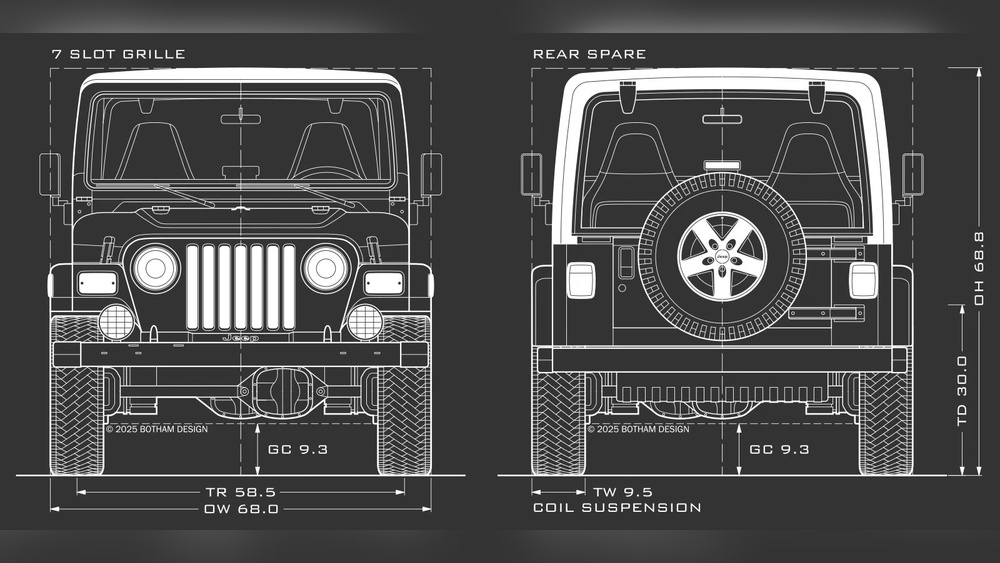
The width with mirrors included is roughly 75 inches. This extra space matters when parking in tight spots or squeezing through narrow trails. The track width (distance between the center of the left and right wheels) is 58 inches in the front and 58.5 inches in the rear.
Here’s a quick look at the key measurements:
| Specification | Measurement |
|---|---|
| Body Width (no mirrors) | 66.7 inches |
| Width (with mirrors) | ~75 inches |
| Front Track Width | 58.0 inches |
| Rear Track Width | 58.5 inches |
You’ll notice there’s a difference between body width and track width. The body width is the widest part of the sheet metal, while the track width is about the tires’ placement.
How Tj Width Compares To Other Jeeps
If you’re curious how the TJ stacks up to other Jeep models, here’s a useful comparison:
| Model | Years | Body Width |
|---|---|---|
| Wrangler YJ | 1987–1995 | 66.0 in |
| Wrangler TJ | 1997–2006 | 66.7 in |
| Wrangler JK | 2007–2018 | 73.7 in |
| Wrangler JL | 2018–Present | 73.8 in |
The TJ is narrower than the JK and JL models. This makes it more agile on narrow trails, but you’ll feel a bit less interior space compared to the newer versions.
Why Tj Width Matters
The width of your TJ Jeep affects more than just looks. Here’s how it impacts your driving and ownership experience:
- Trail Performance: The TJ’s slim body lets you navigate tight forest roads or rocky paths that wider Jeeps can’t handle. Many off-road parks have gates or passages set for 67 inches.
- Daily Driving: In city traffic or crowded parking lots, a narrower vehicle means less stress. You’ll fit in more spots and avoid scraping mirrors.
- Garage Fit: Older homes often have narrow garages. A TJ usually fits easily, even with larger tires.
- Towing and Hauling: If you transport your Jeep on a trailer, knowing the exact width ensures a safe, legal fit.
Many new owners forget to measure their garage or trailer before buying. This small oversight can turn into a big headache.
How Upgrades And Modifications Affect Width
Jeep TJs are famous for modifications. But changing wheels, tires, or adding fender flares can quickly increase overall width. For example:
- Wider tires: Most stock TJ tires are about 9.5 inches wide. If you go up to 12.5 inches with aftermarket wheels, your overall width can grow by 6 inches or more.
- Wheel spacers: Adding spacers pushes the tires outward for stability, but also adds to the total width.
- Fender flares: Legal requirements in some states mean your tires must be covered. Larger flares add a few inches to each side.
Here’s a basic look at how modifications can change your Jeep’s width:
| Modification | Approx. Added Width |
|---|---|
| Wider Tires (12.5”) | +6 in (overall) |
| Wheel Spacers (1.5” each side) | +3 in |
| Wide Fender Flares | +2–4 in |
A heavily modified TJ could easily measure 80 inches or more from the outside of one tire or fender to the other. Always check local laws about maximum allowed width if you plan big upgrades.

Practical Tips For Measuring Your Tj
- Use a Tape Measure: Measure from the widest point on each side, including mirrors if needed.
- Check With and Without Modifications: Record the width before and after adding new tires or parts.
- Know Legal Limits: In many US states, vehicles over 80 inches wide need special marker lights. Check your state’s DMV rules.
- Consider Your Needs: If you use tight trails, keep your Jeep as narrow as possible. If you want stability on the road, a bit of extra width can help.
A common mistake is not measuring after installing new wheels or fender flares. This can lead to failed inspections or legal issues.
Real-world Example
Let’s say you own a 2004 TJ with stock wheels and tires. The factory width is 66.7 inches. You upgrade to 35×12.5-inch tires on 8-inch wide wheels with 1.5-inch spacers. The new total width can reach almost 75 inches at the tires, or slightly more with wide fender flares. Suddenly, your Jeep is as wide as a newer JK model.
This extra width improves stability, but you might struggle on narrow off-road trails or when using older trailers.

Final Thoughts
Understanding how wide a TJ Jeep is helps you make better choices for off-roading, daily driving, and modifications. The factory width is about 66.7 inches, but real-world numbers change with upgrades. Always measure your own Jeep, especially after making changes. This simple step can save you trouble on the trail or with the law.
For more technical details, you can check the official specs on the Wikipedia TJ Wrangler page.
Frequently Asked Questions
How Wide Is A Tj Jeep Without Mirrors?
A stock TJ Jeep is 66.7 inches wide, measured at the body’s widest point but not including side mirrors.
How Wide Is A Tj Jeep With Mirrors?
Including the factory mirrors, a TJ Jeep measures about 75 inches wide. Aftermarket mirrors can change this slightly.
Does Adding Bigger Tires Make My Tj Wider?
Yes, wider tires and new wheels can add several inches to your Jeep’s total width. Always measure after making changes.
Will A Tj Jeep Fit In A Standard Garage?
Most TJs fit easily in a typical US garage, which is at least 96 inches wide. But check your garage size if you have added wide tires or fender flares.
What Is The Track Width Of A Tj Jeep?
The front track width is 58.0 inches, and the rear track width is 58.5 inches. This measures from the center of one wheel to the center of the other on the same axle.