Wiring trailer lights on a 2004 Jeep Grand Cherokee can seem complicated at first. Many drivers worry about electrical problems, mismatched connectors, or faulty signals. However, once you understand the basics and follow the right steps, the process is straightforward and safe. In this guide, you’ll learn exactly how to wire trailer lights for your Jeep, avoid common mistakes, and get your trailer road-ready. Whether you’re towing a boat, camper, or cargo, clear trailer lights are not just legal—they’re essential for safety. Good wiring means drivers behind you can see your intentions, especially at night or in bad weather. It also helps you avoid costly fines and accidents.
Understanding Trailer Light Wiring
Before you start, it’s important to know how trailer light wiring works. Most trailers use a 4-way flat connector. This connects your Jeep’s brake lights, turn signals, and tail lights to the trailer. The Jeep Grand Cherokee uses standard wiring, but older cars can have unique setups. Always check your Jeep’s wiring diagram and trailer manual. Some owners are surprised to find their Jeep already has a factory connector, while others may need to do extra work.
Basic Wiring Functions
- Tail lights: Show when headlights are on. This helps other drivers see your trailer at night or in low light.
- Brake lights: Show when brakes are applied. These lights tell drivers behind you that you are slowing or stopping.
- Turn signals: Show left or right turns. Clear signals help prevent confusion, especially in busy traffic.
- Ground wire: Provides the electrical path back to the battery. Without a solid ground, none of the lights will work correctly.
One detail many first-timers miss: trailers often combine the brake and turn signals into a single wire for each side, while some vehicles keep them separate. This difference can cause confusion if you don’t match the wiring correctly.
Preparing For Wiring
Proper preparation saves time and trouble. Here’s what you need:
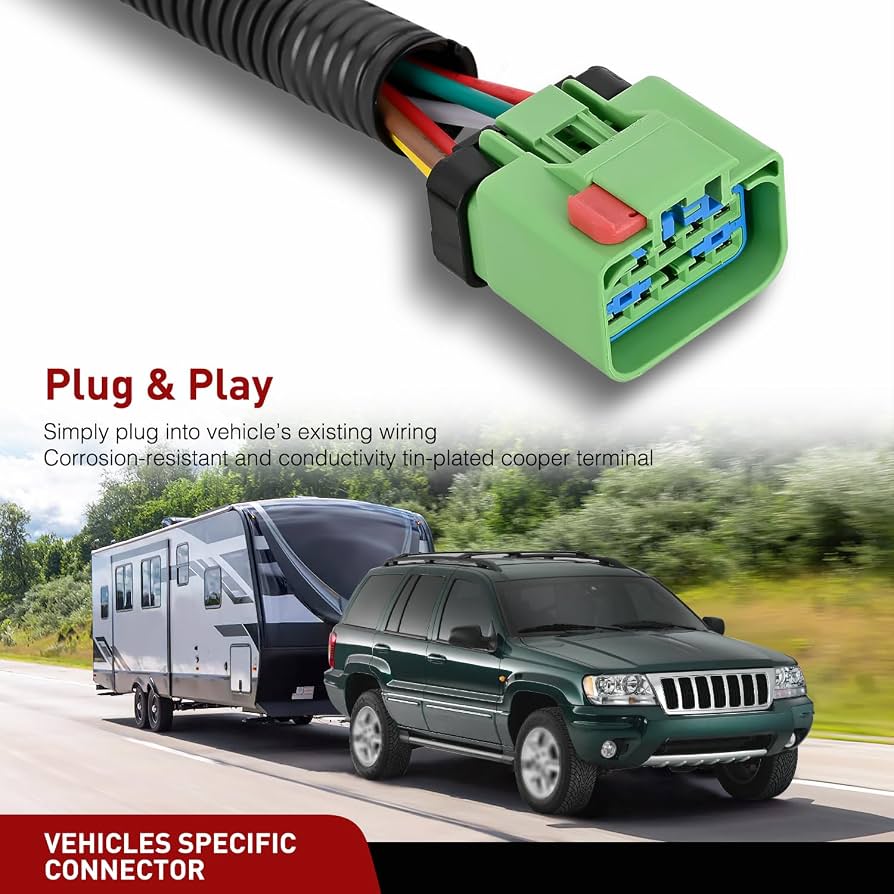
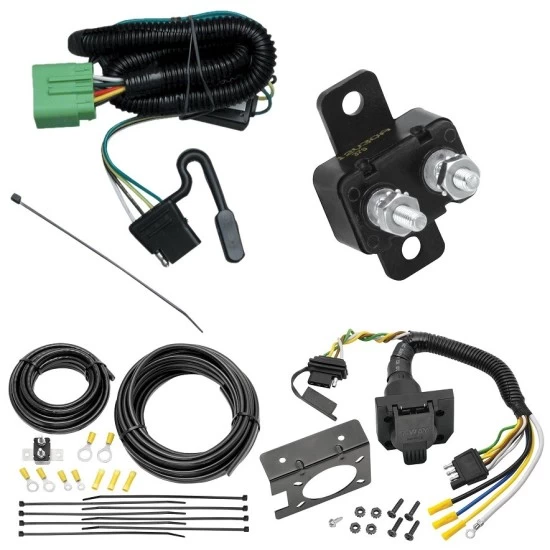
- Wiring kit: Includes connectors, wires, and instructions for your Jeep. It’s best to choose a kit designed for your Jeep’s year and model to avoid compatibility issues.
- Tools: Wire stripper, electrical tape, crimping tool, screwdriver, and test light. A test light is especially useful for quickly checking each wire’s function.
- Safety gear: Gloves and safety glasses. Protecting your hands and eyes is important, as working under the car can expose you to sharp edges and debris.
- Trailer wiring diagram: Check your trailer’s manual for details. This ensures you connect the wires in the right order.
Check all lights and wiring for damage before starting. If you see rust, frayed wires, or broken bulbs, replace them.
Don’t skip this step damaged wiring can cause shorts or make troubleshooting much harder later. Clean connectors with a small wire brush if you see any corrosion.
A practical tip: Lay out all your tools and parts before you begin. Having everything within reach will save you time and prevent frustration as you work through each step.
Step-by-step Wiring Process
Follow these steps to wire trailer lights on your 2004 Jeep Grand Cherokee:
1. Locate The Wiring Harness
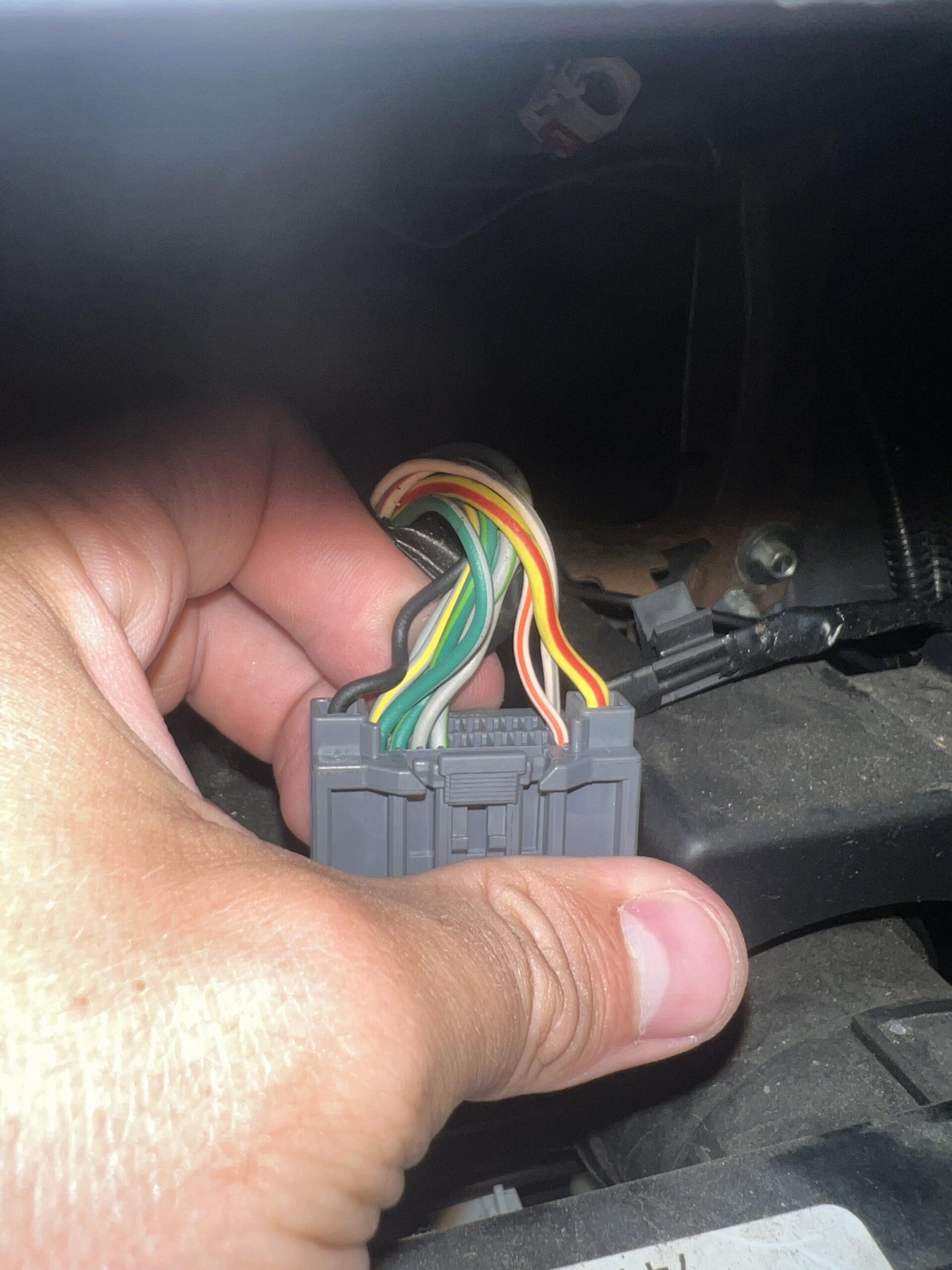
The Jeep’s factory wiring harness is usually behind the rear bumper or inside the cargo area. Remove the trim panels carefully. Look for the connector labeled “Trailer Tow.” In some cases, you may need to gently pull back the carpeting or a plastic panel to find it. Take your time—forcing panels can break the clips.
If you don’t see a dedicated connector, check your manual or look near the left tail light. Some models have the harness tucked away or taped to other wires.
2. Connect The Wiring Kit
Attach the wiring kit’s 4-way connector to the Jeep’s harness. The colors usually match:
- Brown: Tail lights
- Yellow: Left turn/brake
- Green: Right turn/brake
- White: Ground
If your Jeep doesn’t have a factory connector, use a splice kit to connect wires directly. When splicing, strip only enough wire to fit in the connector, and twist wires together tightly before crimping. Loose wires can pull out, especially if the trailer moves a lot.
Check that the connector is fully seated. Some connectors “click” when in place.
If it feels loose, unplug and try again.
3. Secure The Ground Wire
The ground wire (white) must be attached to bare metal on the Jeep’s frame. Use a self-tapping screw.
This step is critical bad grounding causes flickering or dead lights. Scrape away any paint or dirt from the frame before attaching.
A common mistake is using a rusty bolt or painted surface for ground. Always choose a clean spot, and tug the wire gently to be sure it’s tight.
4. Route Wires Safely
Run the wires under the bumper, away from moving parts and heat. Use zip ties to secure them.
Avoid sharp edges to prevent cuts. If wires hang loose, they can get caught by road debris or damaged by the exhaust.
For extra protection, wrap wires in split loom tubing. This helps prevent water damage and keeps wires organized.
5. Connect To Trailer
Plug the Jeep’s 4-way connector into the trailer’s connector. If they don’t match, use an adapter. Make sure the connection is firm and not corroded. If the connectors are exposed to water, add a little dielectric grease to prevent rust.
Adapters are available at most auto parts stores and can solve most mismatches. Always double-check that all pins line up correctly.
6. Test Each Function
Use a test light or ask a helper to check the trailer lights. Try:
- Headlights (for tail lights)
- Brake pedal (for brake lights)
- Turn signal lever (for turn signals)
Fix any problems before driving. If a light doesn’t work, check the connection at both ends Jeep and trailer.
Test one function at a time to make it easier to find wiring mistakes.
Common Problems And Solutions
Wiring trailer lights can go wrong for many reasons. Here are some frequent issues and how to fix them:
- No lights: Check the fuse box. Replace any blown fuses. Sometimes the problem is a simple blown fuse, especially if you see all trailer lights are dead.
- Dim lights: Clean rust from connectors. Bad ground is often the cause. If cleaning doesn’t help, run a new ground wire.
- Wrong signals: Double-check wire colors and connections. Swapping left and right wires is a common error.
- Short circuits: Use electrical tape to cover exposed wires. Shorts can blow fuses and even damage your Jeep’s electrical system.
Tip: Always check your Jeep’s manual for fuse locations and ratings. If you keep blowing fuses, check for pinched or frayed wires along the harness.
An extra tip: If your trailer lights work with one vehicle but not another, the issue is likely on the vehicle side, not the trailer.
Choosing The Right Wiring Kit
Not all wiring kits are equal. Here’s a comparison of popular options for the 2004 Jeep Grand Cherokee:
| Kit Name | Connector Type | Price (USD) | Ease of Install |
|---|---|---|---|
| CURT 55355 | 4-way flat | $30 | Easy |
| Hopkins 42615 | 4-way flat | $25 | Medium |
| Tekonsha 118369 | 4-way flat | $32 | Easy |
Choose a kit that matches your Jeep’s connector and your trailer’s needs. Avoid universal kits unless you have experience.
Kits with “plug-and-play” connectors are best for beginners, while universal kits need more wiring skill.
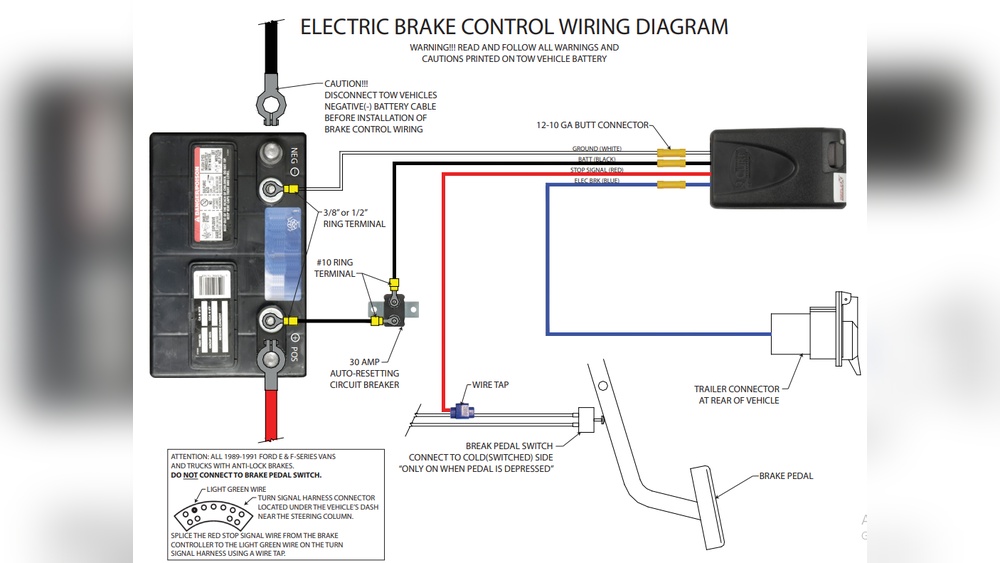
If you have a trailer with extra features like backup lights or electric brakes you may need a 5-way or 7-way connector and a more advanced kit.
Wiring Color Codes Explained
Understanding color codes prevents mistakes. Here’s a quick reference:
| Wire Color | Function | Common Jeep Location |
|---|---|---|
| Brown | Tail/Running lights | Rear harness |
| Yellow | Left turn/brake | Left tail light |
| Green | Right turn/brake | Right tail light |
| White | Ground | Frame |
Some trailers use blue or red wires for extra functions. Always check both Jeep and trailer diagrams.
If you’re unsure, use a test light to verify each wire’s purpose before connecting.
One thing new installers often overlook is that wire color can vary, especially on older trailers or DIY repairs. Never assume always check.
Practical Safety Tips
Towing with faulty trailer lights is dangerous and illegal. Here are proven safety tips:
- Check lights before every trip: Faults can develop overnight. A quick walk-around takes less than a minute but can prevent accidents.
- Carry spare bulbs and fuses: Quick fixes save time. A blown bulb can be replaced on the spot if you have a spare.
- Avoid overloading circuits: Too many lights can blow fuses. Stick to the number of lights recommended for your Jeep.
- Protect connectors from water: Use dielectric grease to prevent rust. Moisture is a common cause of wiring problems.
Non-obvious insight: Many beginners forget that a loose ground wire can cause only one side of trailer lights to work. Always double-check the ground.
Another detail: If you notice your trailer lights dim when you turn on another accessory (like a fridge or interior light in the trailer), you may be overloading the wiring. Consider upgrading the wiring gauge.
Mistakes To Avoid
Even experienced drivers make mistakes when wiring trailer lights. Here are some common errors:
- Mixing up wire colors: Not all trailers use standard colors. Check both sides. Always test each wire if you’re not sure.
- Ignoring wire length: Wires that are too short can break when turning. Leave a little extra slack, but not so much that wires drag.
- Skipping the test: Never drive without checking every light.
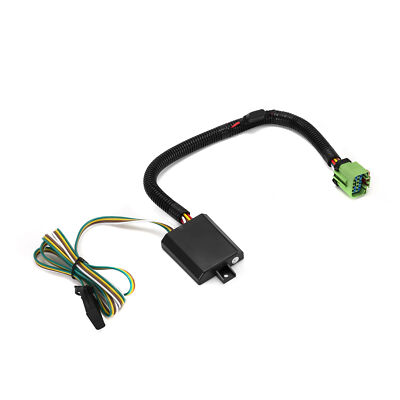
Non-obvious insight: Some Jeeps have separate brake and turn signals, while most trailers combine them. You may need a special converter if your signals don’t match.
Another error: Using household electrical tape instead of automotive-grade tape. Regular tape can lose its grip in heat or moisture. Use tape designed for cars.
Upgrading Trailer Lights
LED trailer lights are brighter and last longer than standard bulbs. Upgrading is easy:
- Remove old lights and disconnect wires. Label wires if you’re unsure where each one goes.
- Install new LED lights using the same color codes.
- Test for brightness and signal clarity. If LEDs flicker, check for a weak ground or voltage drop.
Stat: LED lights use up to 80% less power and can last 50,000 hours.
Another advantage: LEDs are sealed, so they resist water and dirt better than old-style bulbs.
Jeep Grand Cherokee Electrical System Data
Here are key details about the 2004 Jeep Grand Cherokee’s electrical system:
| Component | Location | Fuse Rating |
|---|---|---|
| Tail light fuse | Interior fuse box | 15A |
| Turn signal fuse | Engine bay | 10A |
| Trailer harness fuse | Rear cargo area | 20A |
Always use the correct fuse rating to prevent electrical fires. Don’t substitute a higher-rated fuse it can damage your wiring in case of a short.
If a fuse keeps blowing, check all wiring for signs of wear or pinching, especially near moving parts or sharp corners.
Legal Requirements For Trailer Lights
In the US, trailers must have:
- Tail lights (red)
- Turn signals (amber or red)
- Brake lights (red)
- License plate light (white)
These requirements keep you safe and prevent tickets. Check your state’s laws for extra details.
Some states require side marker lights or reflectors as well. If you travel across state lines, it’s smart to follow the strictest rules to avoid trouble.
If you want to read more about trailer wiring standards, visit the Wikipedia page on trailer lights.
How Do I Know If My Jeep Needs A Wiring Converter?
If your Jeep has separate brake and turn signals, but your trailer combines these functions, you’ll need a converter. Check your Jeep’s wiring diagram or ask a mechanic. If you notice turn signals work but brake lights don’t, this is a common sign you need a converter.
Can I Wire Trailer Lights Without A Kit?
Yes, but it’s riskier. Kits include connectors and instructions that make wiring safe and easy.
Without a kit, you must cut and splice wires yourself. If you go this route, use good quality connectors and seal all connections with heat-shrink tubing.
Why Are My Trailer Lights Flickering?
Flickering lights are usually caused by a bad ground connection or corroded contacts. Clean the connectors and secure the ground wire. Sometimes, using a larger ground wire can also help if you’re running multiple lights.
Are Led Trailer Lights Better Than Traditional Bulbs?
Yes. LED lights are brighter, use less power, and last longer. They’re also more resistant to vibration and water. For frequent towers or rough roads, LEDs are a smart upgrade.
What Fuse Should I Use For Trailer Lights?
Most trailer light circuits use a 15A to 20A fuse. Always check your Jeep’s manual and use the correct rating to avoid electrical problems. Never use a fuse with a higher rating than recommended.
Wiring trailer lights on your 2004 Jeep Grand Cherokee isn’t just a technical job—it’s a key part of safe towing. With the right tools, clear steps, and attention to detail, you’ll get reliable lights and avoid road trouble. Always test your lights before every trip, and don’t ignore small problems. Well-wired trailer lights help you drive with confidence, knowing your Jeep and trailer are ready for any journey. With good preparation and regular checks, you’ll save time, stay legal, and keep every trip as safe as possible.