Wiring side lights on your Jeep can make a big difference, both for safety and style. Many Jeep owners upgrade their side lights for better visibility, easier off-road driving, or simply to stand out. But wiring these lights correctly is not always simple. If you do it wrong, you risk electrical problems—or even damaging your vehicle. This guide gives you clear, step-by-step instructions, practical tips, and real examples to help you wire side lights on your Jeep confidently.
Understanding Side Lights On A Jeep
Side lights, sometimes called marker lights or running lights, are found on the side of your Jeep. They help other drivers see your vehicle from the side, especially in low light or bad weather. On newer Jeeps, side lights are often integrated into the fenders or mirrors. Older models may have separate bulbs.
Upgrading or adding side lights is popular among Jeep owners. Some use LEDs for brighter light and lower power use. Others install custom lights for off-road trips. Knowing your Jeep’s wiring and the type of lights you want is key for a successful installation.
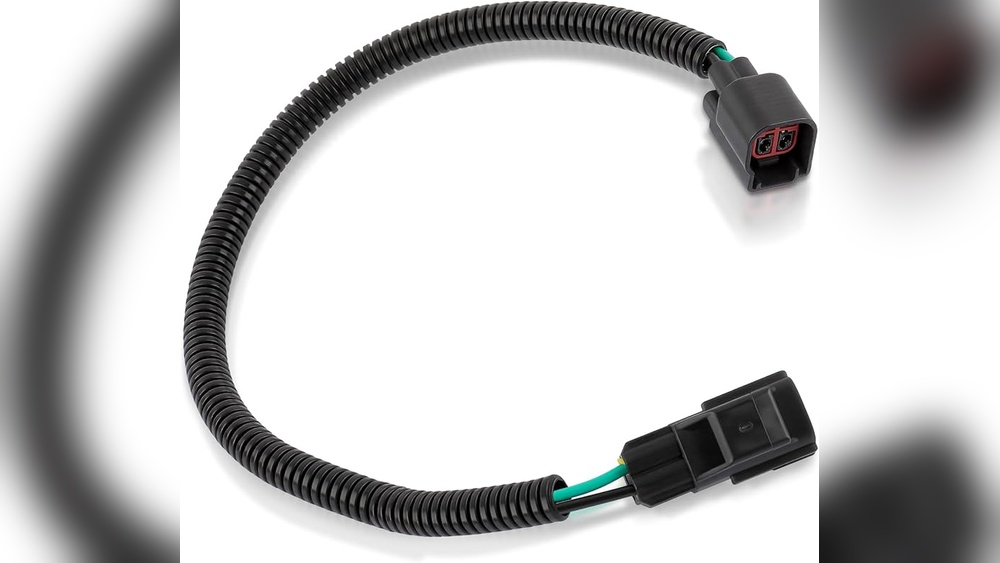
Tools And Materials Needed
Before starting, collect all tools and materials. This makes the job faster and reduces mistakes. Here’s what you need:
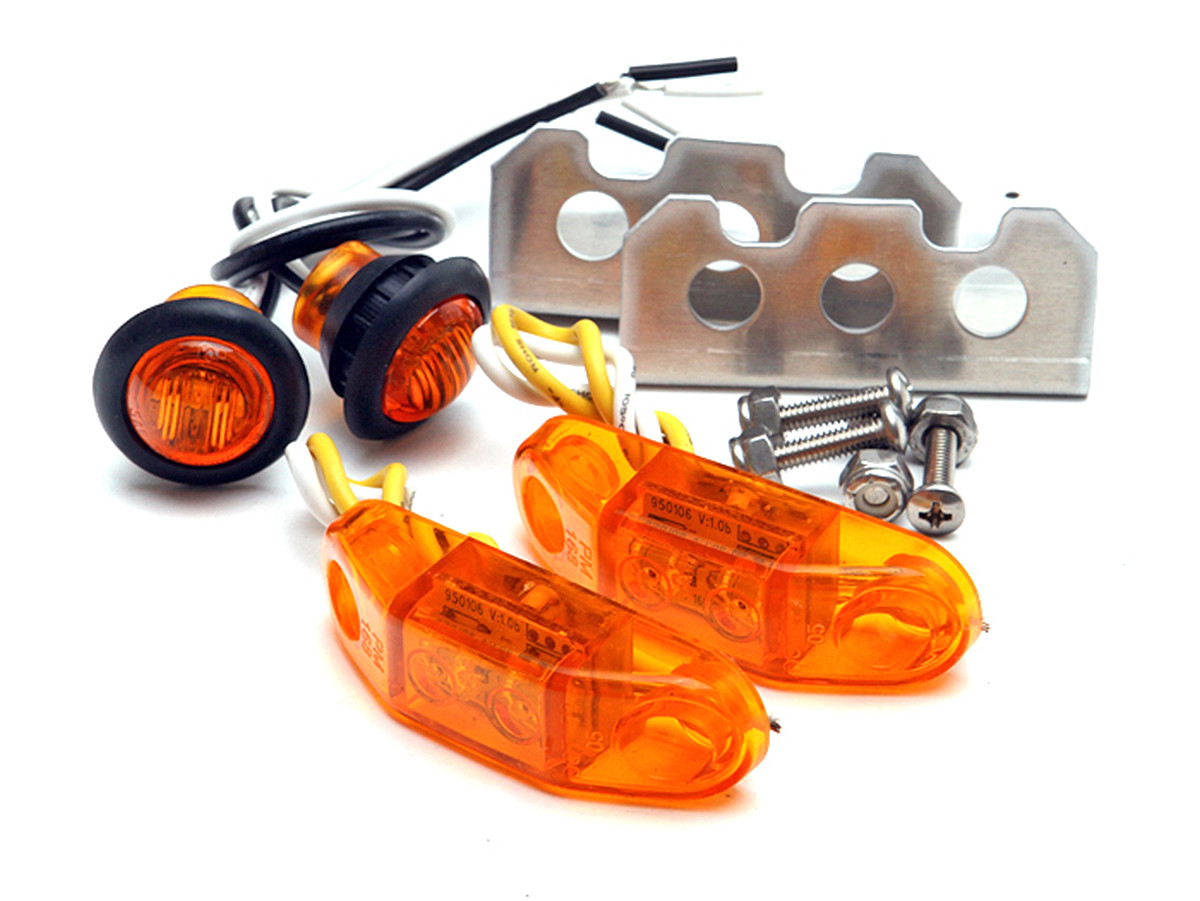
- Side light kit (LED or halogen, depending on your preference)
- Wire stripper/cutter
- Electrical tape
- Multimeter
- Heat shrink tubing
- Crimp connectors
- Fuse tap or add-a-circuit kit
- Screwdriver set
- Drill (if mounting new lights)
- Zip ties
- Wiring diagram for your Jeep model
Many beginners skip the multimeter, but it’s important for checking connections and preventing wiring errors. Using a fuse tap is safer than splicing wires, as it protects your Jeep’s electrical system.
Planning Your Wiring Route
Before you start wiring, plan where your wires will go. This helps prevent pinching, overheating, or rubbing against moving parts. On most Jeeps, you’ll run wires from the side lights to the fuse box or an existing running light circuit.
Route planning tips:
- Avoid sharp edges and hot surfaces
- Use zip ties to secure wires every 12–18 inches
- Leave slack near connection points to prevent stress
- Check for existing wire channels or grommets in the body
Let’s compare two common wiring routes:
| Route | Difficulty | Safety | Best For |
|---|---|---|---|
| Direct to Fuse Box | Medium | High | Custom installations |
| Splice into Running Lights | Easy | Medium | Factory replacements |
Step-by-step Wiring Instructions
Wiring side lights is not just about connecting wires. You need to follow the right steps to keep your Jeep safe and ensure the lights work as expected.
1. Disconnect The Battery
Always start by disconnecting the negative terminal of your Jeep’s battery. This prevents accidental shorts and protects you from shocks.
2. Prepare The Mounting Location
If you’re installing new lights, mark the spots where you’ll mount them. Drill holes if needed, but be careful not to hit existing wires or metal parts.
3. Connect The Wires
Most side lights have two wires:
- Positive (usually red or white)
- Negative (usually black)
If you’re replacing existing lights, match the new wires to the old ones. If adding new lights, run the positive wire to either the fuse box or an existing running light circuit. Use crimp connectors for secure connections. Slide heat shrink tubing over the joints and heat it to seal.
4. Test The Circuit
Use a multimeter to check for power at the light. Turn on your Jeep’s running lights and see if the side lights receive voltage (usually 12V). If not, check your connections.
5. Secure The Wiring
Fasten wires with zip ties, keeping them away from moving parts and heat sources. Use electrical tape at connection points for extra protection.
6. Reconnect The Battery And Check Function
Reconnect the negative battery terminal. Turn on the Jeep’s running lights and check if the side lights work. Check both sides for equal brightness.
Choosing The Right Side Lights
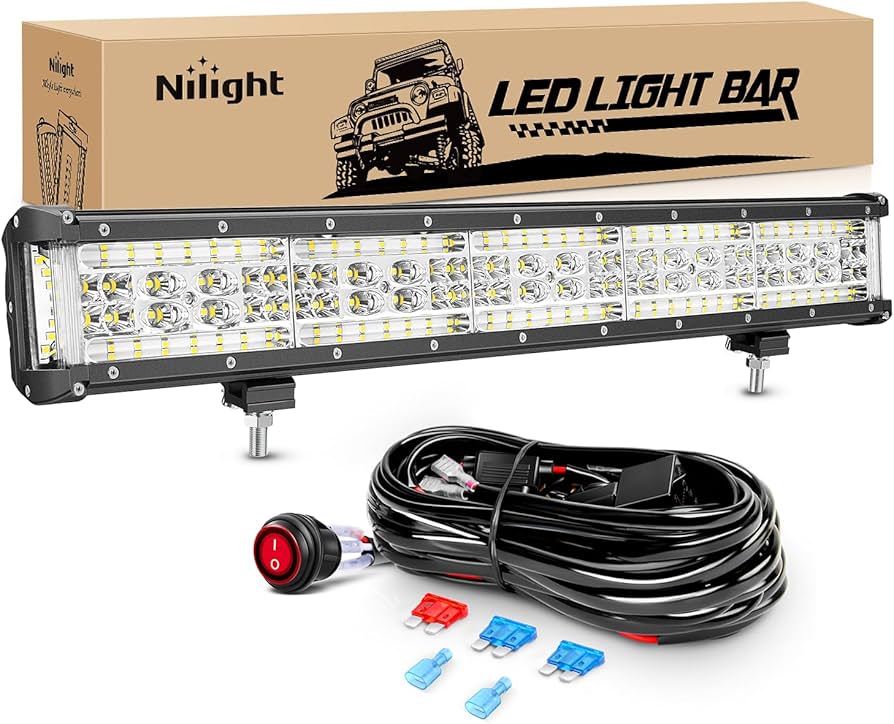
Picking the right lights is just as important as wiring them correctly. Here’s a quick comparison of popular types:
| Type | Brightness | Power Use | Lifespan | Cost |
|---|---|---|---|---|
| Halogen | Medium | High | 1–2 years | Low |
| LED | High | Low | 5–10 years | Medium |
| Custom RGB | Varies | Medium | 3–5 years | High |
LED side lights are the most popular for Jeeps, because they are bright, use less power, and last longer.
Common Mistakes And How To Avoid Them
Even experienced Jeep owners can make mistakes when wiring side lights. Here are some common errors and how to avoid them:
- Skipping the fuse: Always use a fuse to protect your circuit. If your lights short out, a fuse prevents damage to your Jeep’s wiring.
- Using wrong wire gauge: Too thin wires can overheat. Use at least 18-gauge wire for side lights.
- Bad ground connection: If the negative wire isn’t grounded well, lights may flicker or fail. Attach ground wires to clean, bare metal.
- Ignoring water protection: Jeep side lights are exposed to rain and mud. Use heat shrink tubing and waterproof connectors.
- Overloading circuits: Don’t add too many lights to one circuit. Check your Jeep’s fuse ratings and add new circuits if needed.
One insight many beginners miss: LED side lights sometimes need a resistor to avoid hyper-flashing or error codes, especially on newer Jeeps with computer-controlled lighting.
Practical Tips For A Clean Installation
A neat installation is not just about looks—it prevents future problems. Here are some practical tips:
- Run wires inside factory channels when possible
- Use colored zip ties to mark wires for troubleshooting later
- Keep wiring diagrams for your Jeep handy
- Check local laws for side light color and placement
Another tip: If you plan to add more lights later, leave extra wire slack and label each wire. This saves time and effort in future upgrades.
Real Example: Jeep Wrangler Jl Side Light Upgrade
Let’s look at a real-world example. A Jeep Wrangler JL owner wants to install LED side marker lights. He chooses a plug-and-play kit, but wants extra brightness.
Steps followed:
- Removes old halogen side markers
- Installs new LED markers with included connectors
- Splices positive wire to running light circuit using add-a-circuit kit
- Grounds negative wire to fender bolt
- Uses heat shrink tubing for all connections
- Secures wires with zip ties
- Tests lights before final mounting
The result: Brighter side lights, improved visibility, and a safer Jeep. The owner avoided common mistakes by using proper connectors and planning his wiring route.

Jeep Side Light Wiring Vs Other Vehicles
Jeep wiring is different from many cars. Jeeps often have body-on-frame construction, which means more space and easier access to wiring. But their exposed fender areas make waterproofing more important.
Here’s a quick comparison:
| Feature | Jeep | SUV | Sedan |
|---|---|---|---|
| Access to wiring | Easy | Medium | Hard |
| Exposure to elements | High | Medium | Low |
| Factory wire channels | Many | Some | Few |
Because of this, Jeep owners should always use weatherproof connectors and check wiring regularly.
Safety And Legal Considerations
When wiring side lights, always think about safety and local laws. In many states, side lights must be amber or white. Using red or blue can be illegal and may result in fines.
Always use a fuse for each circuit, and avoid overloading your Jeep’s electrical system. If you’re unsure, check your Jeep’s manual or ask an auto electrician.
For more information on vehicle lighting laws, see this NHTSA Lighting Guide.
Frequently Asked Questions
What Wire Size Should I Use For Jeep Side Lights?
Use 18-gauge wire or thicker. Thinner wires may overheat and fail. For LED lights, 18–16 gauge is usually safe.
Can I Wire Side Lights To My Jeep’s Existing Running Light Circuit?
Yes, you can splice into the running light circuit. Use a fuse tap or add-a-circuit kit for safety. Avoid overloading the circuit with too many lights.
Are Led Side Lights Better Than Halogen For A Jeep?
LED side lights are brighter, use less power, and last longer. They are more expensive but are the best choice for most Jeep owners.
How Can I Waterproof My Side Light Wiring?
Use heat shrink tubing and waterproof connectors. Seal all connections tightly, and avoid running wires where water can pool.
Is It Legal To Use Colored Side Lights On My Jeep?
Most states require amber or white side lights. Avoid red, blue, or green, as these colors are often restricted. Check your local laws before changing side light colors.
Wiring side lights on your Jeep is a rewarding project. When done correctly, it improves safety and gives your vehicle a unique look.
Plan your wiring route, use the right tools and materials, and avoid common mistakes. With careful work and attention to detail, your Jeep’s side lights will shine bright for years to come.