Jeeps have a strong reputation for off-road power, rugged looks, and adventure. But many people wonder: are Jeeps unreliable? Some drivers swear by their Jeeps for decades, while others share stories of frequent repairs and breakdowns. This article looks at real data, expert opinions, and owner experiences to give you a clear answer.
What Reliability Really Means
Reliability shows how often a vehicle has problems, needs repairs, or leaves drivers stranded. It includes engine issues, transmission problems, and small annoyances like faulty electronics. Major sites like J.D. Power and Consumer Reports use thousands of surveys to rank cars on reliability each year.
Some brands are famous for lasting a long time with few repairs, like Toyota and Honda. Others, like Jeep, often appear lower in these rankings. But numbers only tell part of the story.

Jeep Reliability: The Numbers
Here’s how Jeep compares to other brands in recent years. This comparison uses data from J.
D. Power’s 2026 Vehicle Dependability Study and Consumer Reports.
Brand | Problems per 100 Vehicles | Ranking (out of 32) |
|---|---|---|
Toyota | 163 | 5 |
Honda | 178 | 12 |
Jeep | 210 | 23 |
Land Rover | 273 | 32 |
Jeep usually ranks in the bottom third for reliability among mainstream brands. This means Jeeps tend to have more reported problems than average, but they are not always the worst.
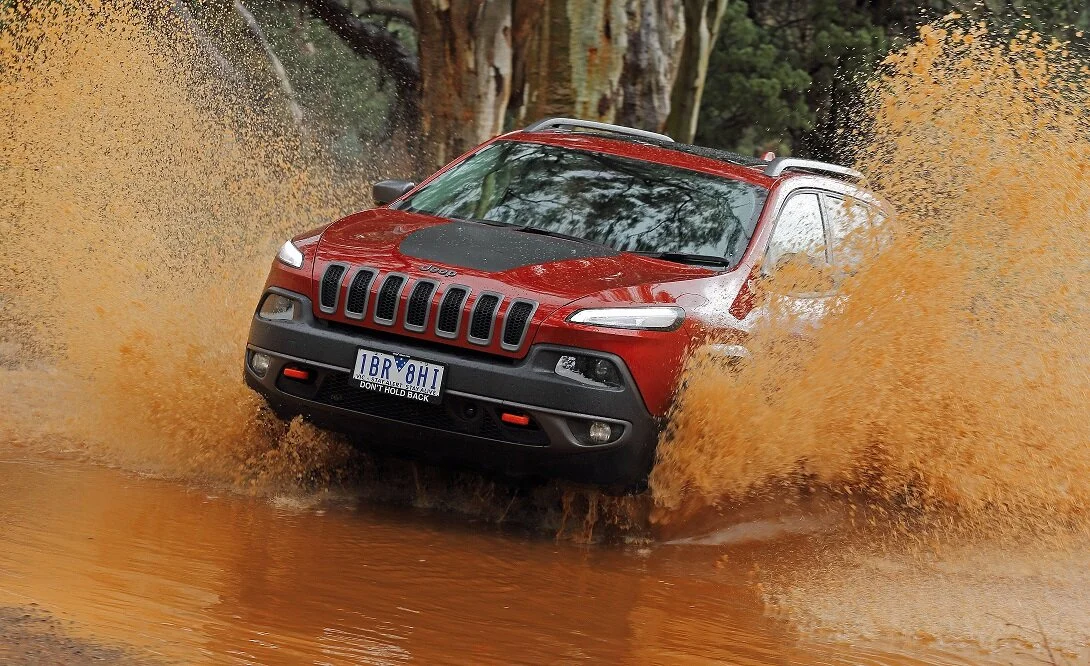
Common Jeep Problems
Some Jeep models are more reliable than others. However, certain issues come up often:
Electrical issues: Owners report problems with power windows, infotainment screens, and sensors.
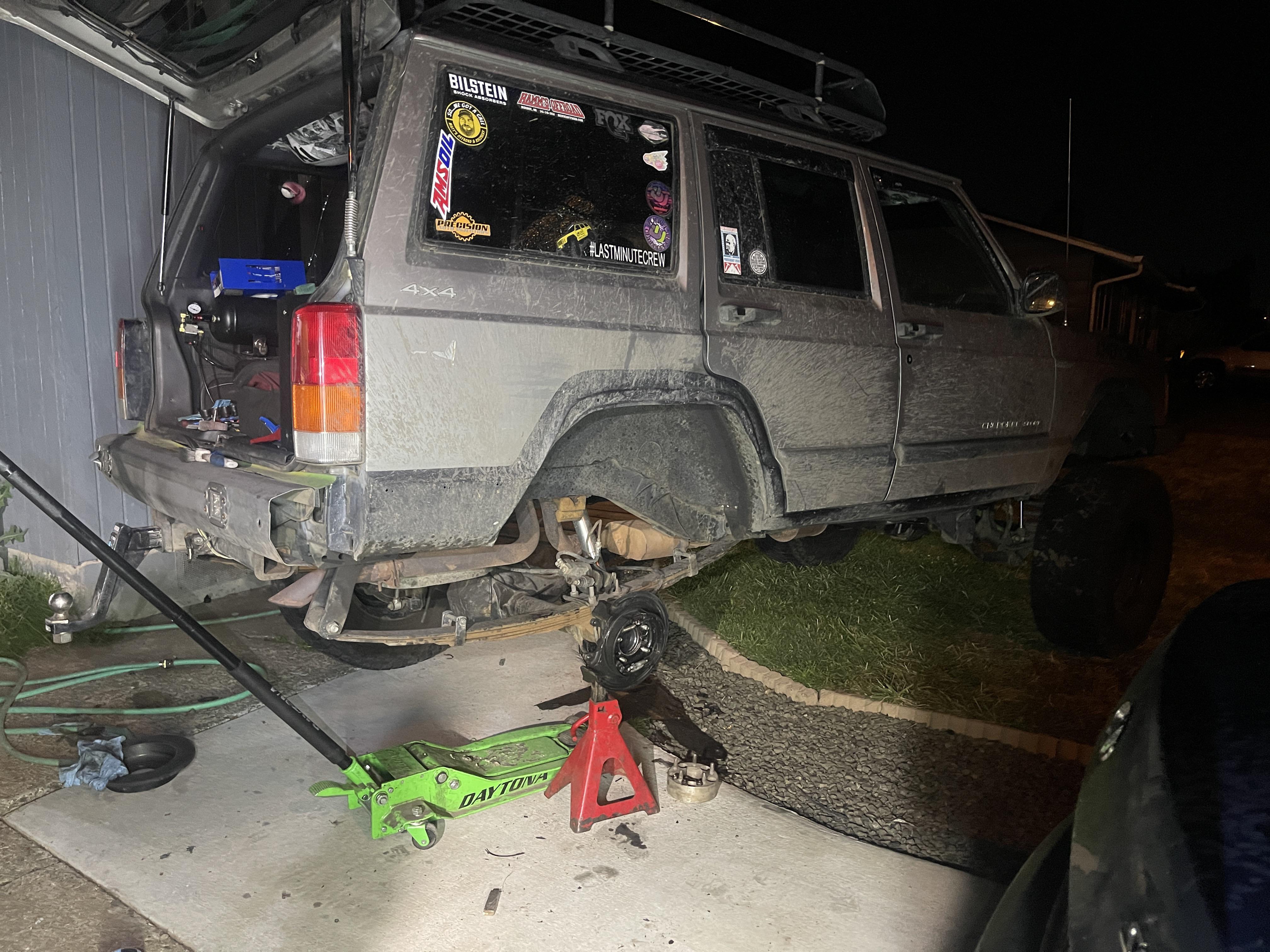
Transmission troubles: Some Wranglers and Cherokees have experienced rough shifting or failures.
Leaking seals: Door and roof leaks are common, especially in the Wrangler’s removable tops.
Suspension noise: Rattles or clunks from the suspension are sometimes found in older models.
Not every Jeep will have these problems, but they are more common than in other brands. It’s important to check the exact model and year, as reliability changes over time.
Why Do People Still Love Jeeps?
Despite average or below-average reliability, Jeep has a loyal following. Here’s why:
Off-road ability: Very few brands match the Wrangler or Grand Cherokee for rough terrain.
Iconic design: The boxy shape and seven-slot grille are well-known and loved.
Community: Jeep owners feel part of a club, sharing tips and organizing “Jeep wave” events.
Strong resale value: Some models, like the Wrangler, hold their value better than most SUVs.
For many buyers, these positives are worth more than a few extra trips to the mechanic.
Jeep Models: Reliability Differences
Not all Jeeps are created equal. Some models score higher than others for reliability.
Model | Recent Reliability Score (out of 100) | Comments |
|---|---|---|
Wrangler | 45 | Fun, but frequent repairs |
Cherokee | 43 | Transmission issues common |
Grand Cherokee | 49 | Improved recently |
Compass | 51 | Average for segment |
The Wrangler is loved for adventure, but its reliability is among the lowest. The Compass and newer Grand Cherokees are closer to average.
Maintenance And Ownership Costs
Jeeps can cost more to maintain than some rivals. Here’s a quick comparison of annual maintenance costs, based on data from RepairPal.
Brand | Average Yearly Maintenance Cost |
|---|---|
Jeep | $634 |
Toyota | $441 |
Honda | $428 |
Ford | $775 |
Jeeps are not the most expensive, but they cost more to keep running than brands known for reliability. Also, parts for off-road models can be pricier.
Surprising Truths About Jeep Reliability
Many First-time Jeep Buyers Don’t Realize:
Driving style matters: Off-roading and city driving cause different kinds of wear. Wranglers that never leave the pavement often last longer.
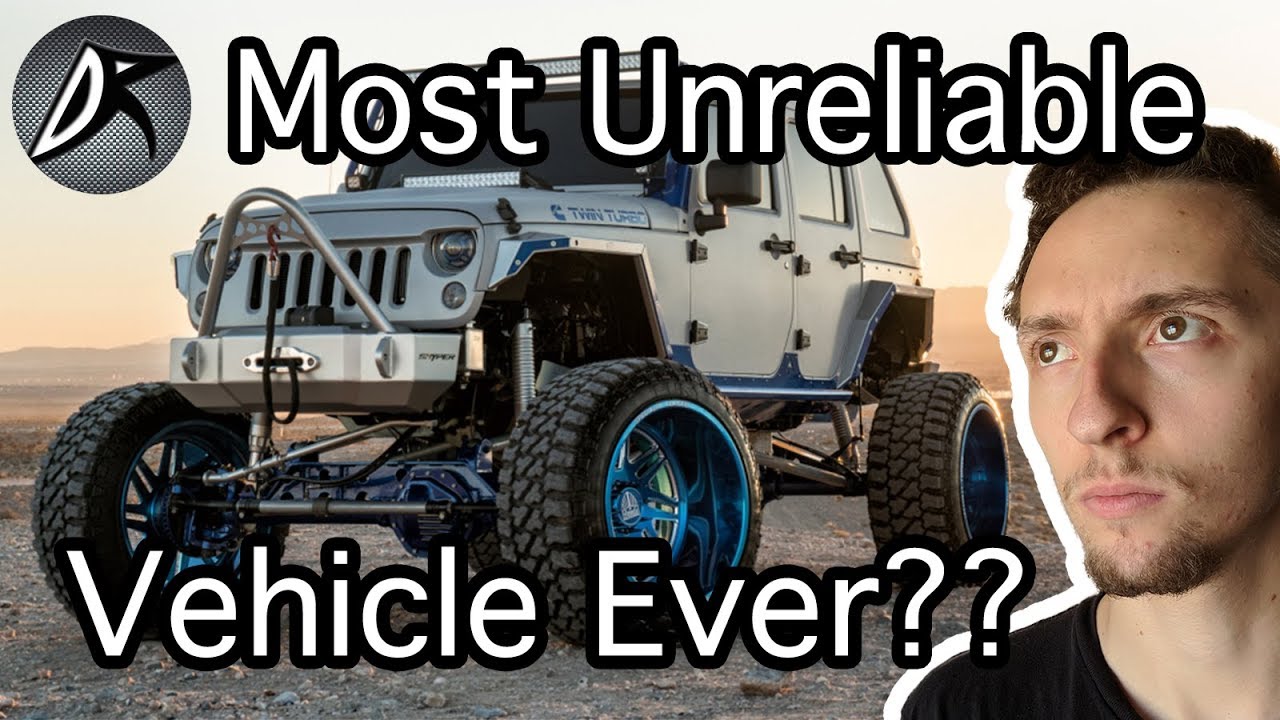
Aftermarket parts affect reliability: Lifting your Jeep or adding big tires can lead to faster wear and more breakdowns.
Regular care is critical: Missing oil changes or ignoring small problems can quickly lead to bigger, more expensive issues.
Owners who follow the maintenance schedule, use quality parts, and treat the vehicle gently often have fewer problems.
Should You Buy A Jeep?
If you want a vehicle mainly for commuting and worry about repair bills, a Jeep might not be the best choice. But if you love adventure, value style, and don’t mind a few extra repairs, a Jeep can be a fun and rewarding vehicle.
Before buying, always:
Research the exact model year for common issues.
Get a pre-purchase inspection by a trusted mechanic.
Consider an extended warranty for peace of mind.
If you want more detailed ratings, check out the Consumer Reports Jeep page.
A Jeep is not perfect, but for the right person, it’s worth the quirks.
Are Jeeps Expensive To Repair?
Jeeps usually cost more to repair than average brands, but much less than luxury vehicles. The cost depends on the model and how you drive it.
Which Jeep Model Is The Most Reliable?
The Jeep Compass and recent Grand Cherokee models are the most reliable. The Wrangler is fun but has more reported problems.
How Long Do Jeeps Usually Last?
With proper care, many Jeeps last over 150,000 miles. Off-roading, missed maintenance, or poor repairs can shorten their life.
Do Jeeps Have Rust Problems?
Some older Jeeps, especially Wranglers, are known for frame rust. Newer models have better rust protection, but it’s wise to check under the vehicle regularly.
Is Jeep Reliability Improving?
Yes, Jeep reliability has slowly improved, especially for newer Grand Cherokees and Compasses. However, they still trail brands like Toyota and Honda.
Choosing a Jeep means accepting some risk for extra fun and adventure. If you know what to expect and keep up with maintenance, your Jeep can be a dependable companion for years.