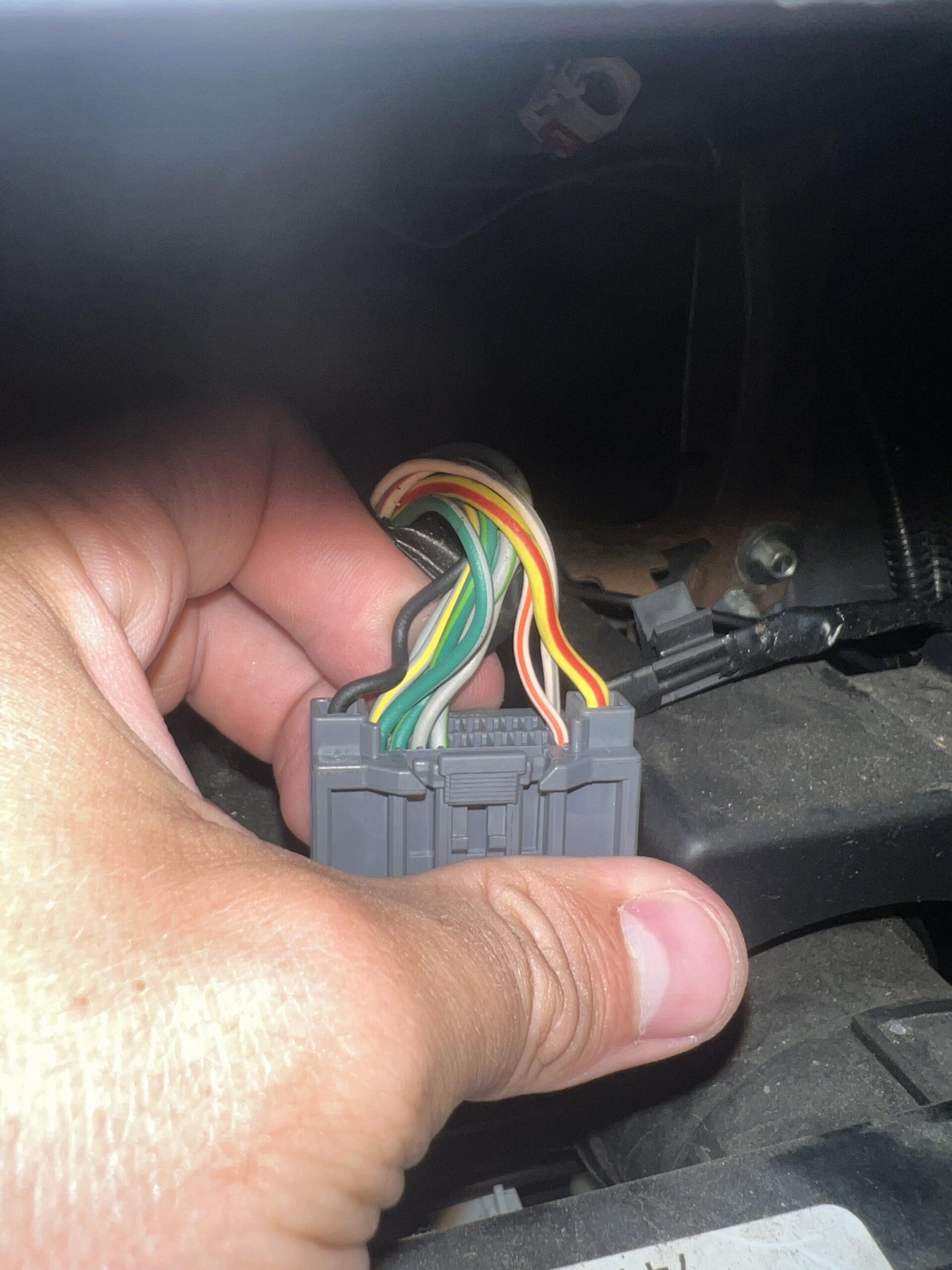
Wiring lights on a Jeep is a rewarding project for many owners. Whether you want brighter headlights, extra fog lights, or those eye-catching LED bars, installing lights yourself can save money and give you more control over your vehicle’s look and function.
But for first-timers, the process can feel confusing. There are wires, fuses, relays, and switches one mistake could cause a short circuit or even damage your Jeep’s electrical system.
The good news is, with some planning and careful steps, almost anyone can wire lights safely and effectively.
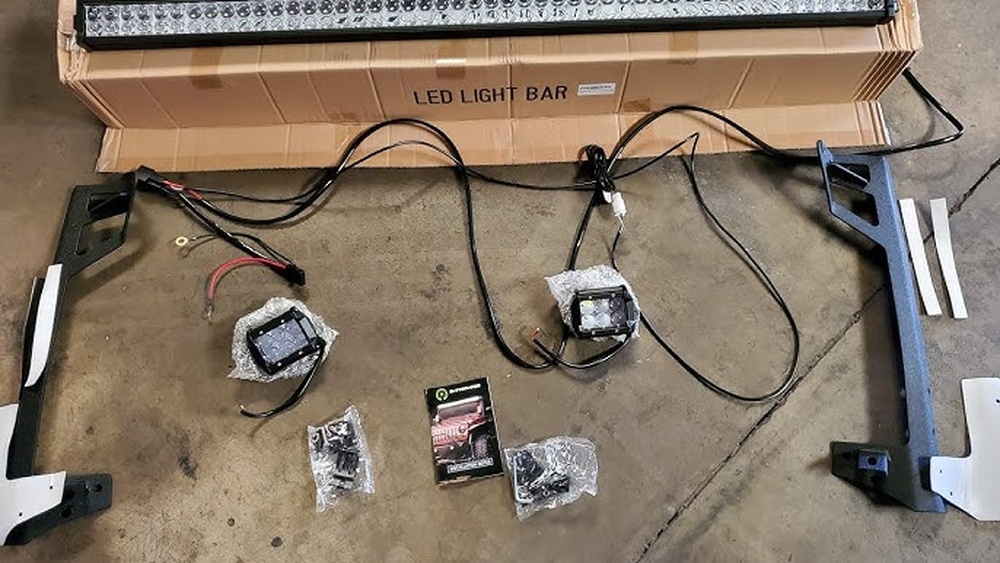
In this guide, you’ll learn the basics of wiring lights on a Jeep, common mistakes to avoid, and tips that even seasoned DIYers sometimes miss. You’ll also find easy-to-follow tables to help you pick the right wires, fuses, and relays. By the end, you’ll have the confidence to wire your Jeep lights the right way—without risking your vehicle or your safety.
Planning Your Jeep Lighting Project
Before picking up a tool, it’s important to plan your lighting setup. Start by asking yourself what types of lights you want and where you want to mount them. Popular options include LED light bars, fog lights, rock lights, and aftermarket headlights. Each type may have different power needs and mounting locations.
Think about the following:
- Purpose: Are you adding lights for off-roading, daily driving, or just for style?
- Location: Where will you mount the lights? Common spots are the front bumper, roof, or underbody.
- Jeep Model: Wiring can differ between models like the Wrangler JK, JL, or Gladiator.
- Legal Requirements: Some states have rules about light brightness and placement. Check your local laws before you begin.
A common mistake is not considering the total power your new lights will draw. Adding too many high-wattage lights can overload your Jeep’s electrical system.
To avoid problems, always check your owner’s manual for the maximum safe amperage.
Tools And Materials You’ll Need
Having the right tools makes the job faster and safer. Here’s a list of essentials:
- Wire stripper/crimper
- Multimeter (for testing voltage and continuity)
- Electrical tape
- Heat-shrink tubing
- Zip ties
- Drill with bits (if mounting lights)
- Socket set
- Screwdrivers
- Relay and fuse kit
- Switches (waterproof is best for off-road use)
- Appropriate gauge wire (see table below)
The wire gauge you choose is critical. Too thin, and it can overheat. Too thick, and it’s hard to work with. Here’s a quick reference for common light setups:
| Light Wattage | Amps (12V) | Recommended Wire Gauge |
|---|---|---|
| Up to 60W | 5A | 16 AWG |
| 61–120W | 10A | 14 AWG |
| 121–180W | 15A | 12 AWG |
| Over 180W | 15A+ | 10 AWG |
Understanding Wiring Basics
A simple lighting circuit usually includes a power source, a switch, a relay, and a fuse. Some beginners skip the relay, but this is risky. Relays protect your Jeep’s factory wiring by handling the high current needed for powerful lights.
Fuse: Always use a fuse rated just above your total light amperage. For example, for a circuit drawing 10A, use a 15A fuse.
Relay: A relay is an electronic switch. It lets you use a small wire (from your switch) to control a large current (for your lights). This keeps your dashboard wiring safe.
Switch: Use a waterproof switch for off-road or exterior mounting. Place it within easy reach when driving.
Grounding: Always ground your lights to bare metal on your Jeep’s frame. Poor grounding is a common cause of flickering or dim lights.
Step-by-step: How To Wire Lights On A Jeep
1. Plan Your Wiring Route
Map out where each wire will go. Avoid moving parts, sharp edges, and hot surfaces.
Use zip ties to secure wires and prevent vibration wear.
2. Mount The Lights
Install the lights in their chosen spots. Most come with brackets.
Clean the mounting area and tighten all bolts. Double-check the aim of each light.
3. Install The Relay And Fuse
Mount your relay close to the battery but away from heat. Most relays have four pins:
- 30: Power from battery (through fuse)
- 87: Power to lights
- 85: Ground
- 86: Signal from switch
Mount the fuse as close to the battery as possible.
4. Connect The Wires
- Run a power wire from the positive battery terminal to the relay (pin 30), with the fuse in between.
- Run a wire from relay pin 87 to your lights’ positive terminal.
- Ground the lights directly to the Jeep’s chassis.
- Run a wire from relay pin 85 to a chassis ground.
- Connect relay pin 86 to one side of your switch. Connect the other side of the switch to a 12V power source (like the fuse box).
Here’s a typical Jeep lighting wiring diagram in table form for quick reference:
| Component | Wire Connection | Notes |
|---|---|---|
| Battery (+) | To relay pin 30 (via fuse) | Use thick wire and keep fuse close to battery |
| Relay pin 87 | To light positive terminal | One wire for each light or split to multiple lights |
| Relay pin 85 | To ground | Chassis ground bolt |
| Relay pin 86 | To switch, then to 12V source | Switch can be mounted inside cabin |
| Light negative terminal | To ground | Direct to frame for best results |
5. Test Your Setup
Reconnect the battery. Turn on the switch and check each light.
If anything doesn’t work, use your multimeter to check for voltage at each step. Common issues include blown fuses, poor grounds, or loose connections.
6. Secure And Protect
Once everything works, secure all wires with zip ties. Use heat-shrink tubing or electrical tape to seal connections from moisture.
Tuck wires out of the way and double-check that nothing touches moving parts or hot engine areas.
Tips For A Cleaner And Safer Install
- Label every wire at both ends. This makes troubleshooting easier later.
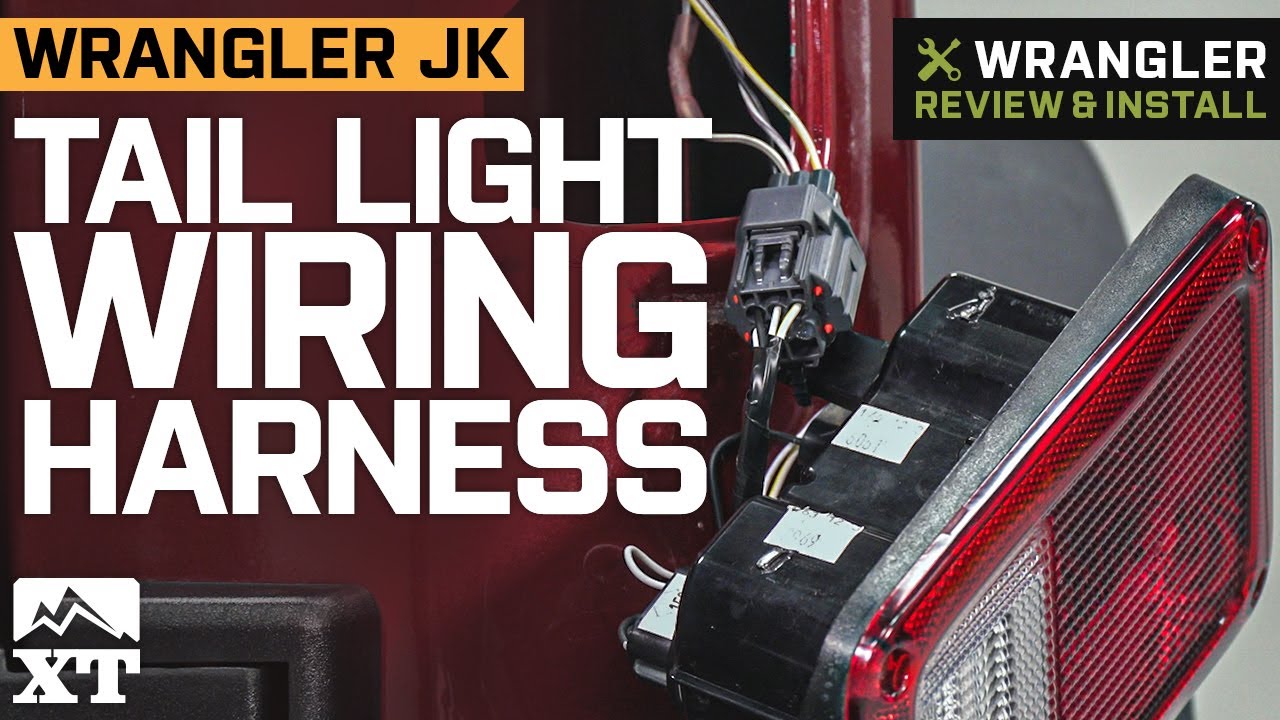
- Use split loom or wire sleeves for a factory look and extra protection.
- Choose marine-grade connectors for the best weather resistance.
- If you’re running multiple lights, consider a switch panel with built-in fuses and relays.
- For roof-mounted lights, use rubber grommets where wires pass through metal to prevent chafing.
- Don’t rely on self-tapping screws for grounds—always find a solid, rust-free bolt on the frame.
Many Jeep owners forget to check their battery condition before adding lights. If your battery is weak, new lights may cause dimming or starting problems. Test your battery and alternator before installation.
Choosing Between Direct Wiring And Aftermarket Harnesses
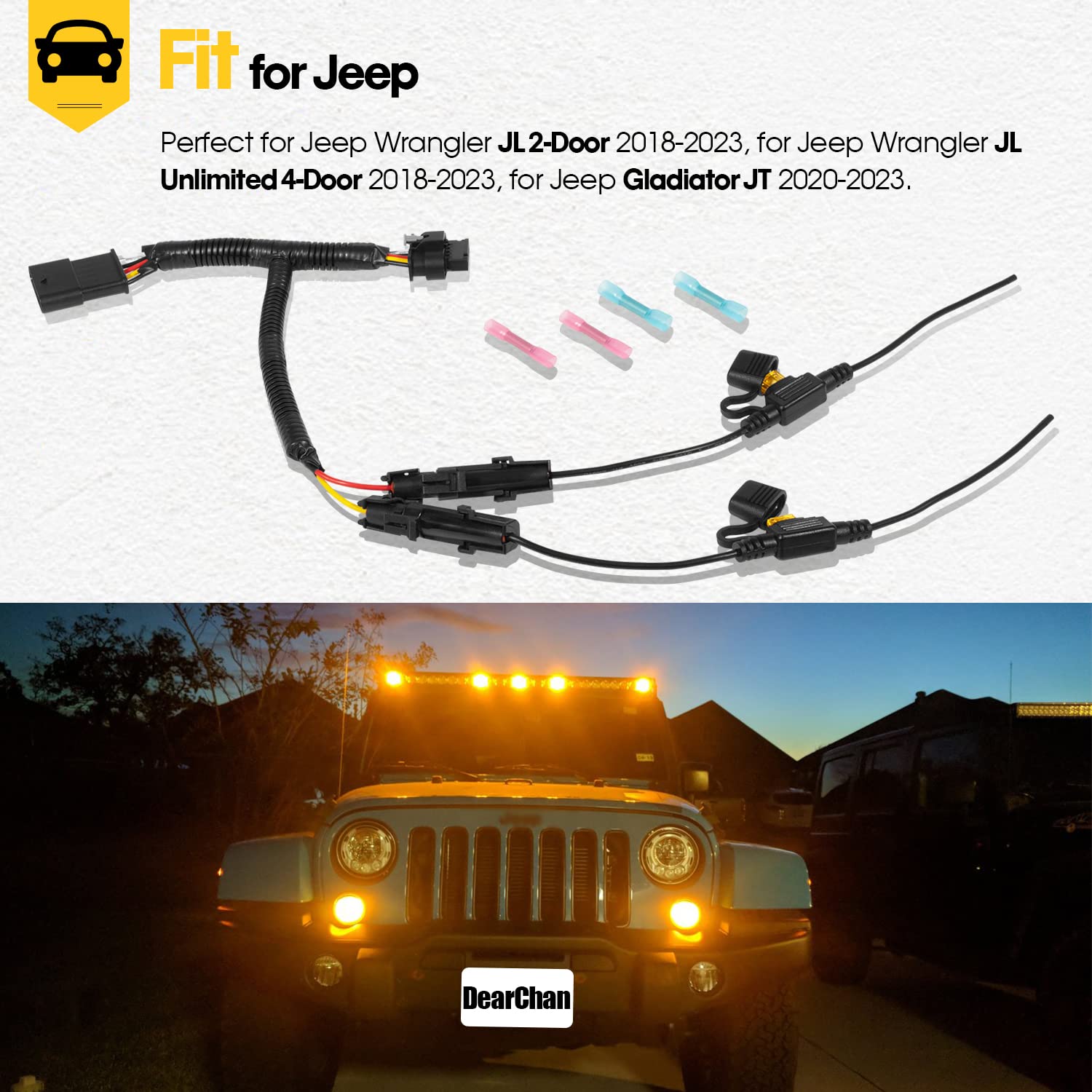
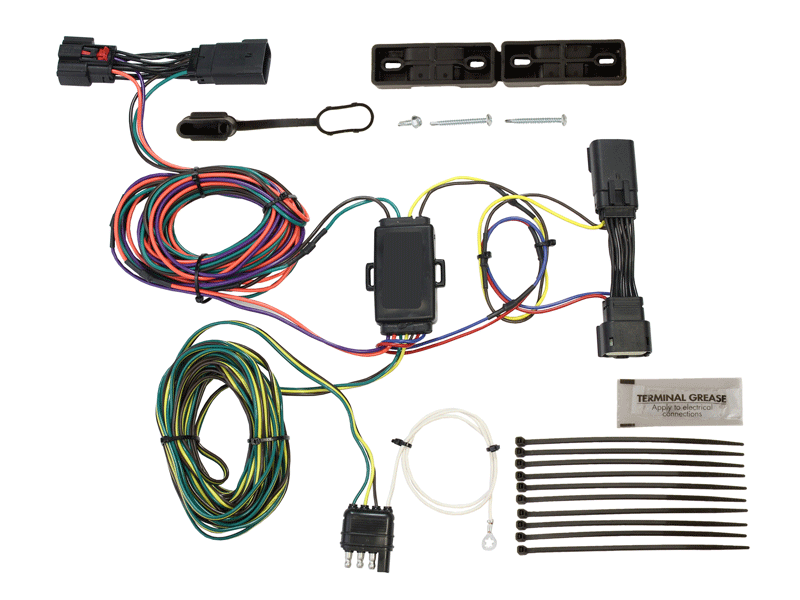
Some lights come with their own wiring harness. These can make installation much simpler, especially for beginners.
Harnesses usually include the right wire gauge, pre-installed connectors, and sometimes even a relay and fuse.
But custom wiring gives you more control. You can choose higher-quality parts, adjust wire lengths, and build in features like dual switches or indicator lights.
Here’s a quick comparison:
| Option | Pros | Cons |
|---|---|---|
| Aftermarket Harness | Easy, fast, less chance of mistakes | Less flexible, sometimes lower quality |
| Custom Wiring | Fully customizable, upgradeable parts | More planning, takes longer |
If you’re not sure, start with a harness for your first project. As you get comfortable, you may want to build your own custom circuits.
Preventing Common Wiring Problems
Wiring mistakes can cause lights to flicker, fail, or even damage your Jeep. Here are frequent errors:
- Skipping the relay: This can overheat your switch or factory wiring.
- Undersized wires: Leads to voltage drop and poor light performance.
- Bad grounds: Causes flickering or dim lights.
- No fuse: A short circuit without a fuse could cause a fire.
- Loose connections: Make sure all terminals are tight. Tug gently to test.
A less obvious mistake: forgetting to check how much power your alternator can support. If you add too many high-wattage lights, your alternator may not keep up, especially at idle. If you see your voltage drop when the lights are on, consider upgrading your alternator.
Safety Reminders
- Disconnect the negative battery terminal before starting.
- Never work on wiring with wet hands or in the rain.
- Use only automotive-grade wire and connectors.
- Test your lights away from traffic or other drivers. Bright aftermarket lights can be blinding.
If you ever feel unsure, consult a professional or refer to trusted resources like the Jeep official site for model-specific wiring diagrams and safety information.
Upgrading And Expanding Your Jeep’s Lighting
Once you’ve wired your first set of lights, you may want to add more. For example, some owners add rock lights for underbody illumination or rear work lights for camping. Each new light set should have its own relay and fuse. Avoid daisy-chaining multiple lights to a single relay unless the total amperage is within safe limits.
Consider installing a switch panel. These panels centralize control and make future upgrades simpler. Some panels even offer wireless control or smartphone integration.
How Many Lights Can I Safely Wire To My Jeep?
This depends on your alternator’s output and the total amperage draw. Most Jeeps can handle one or two light bars or up to four auxiliary lights without issue. Always add up the total current and compare it to your alternator’s rating.
Do I Need A Relay For Every Set Of Lights?
If the total load of the lights is above 5A (about 60W at 12V), use a relay. For small accent lights, you can sometimes wire them directly, but relays improve safety and reliability.
Can I Wire My Lights To The Factory Fog Light Switch?
You can, but only if you use a relay. The factory switch and wiring are not designed for high-wattage aftermarket lights. Always check the wiring diagram for your Jeep model.
What If My Lights Flicker Or Don’t Turn On?
Check for bad grounds, loose connections, or blown fuses. Use a multimeter to check for 12V at each step in the circuit. If everything checks out, make sure your battery and alternator are in good condition.
Is It Legal To Install Extra Lights On My Jeep?
Laws vary by state and country. Some areas limit how many and how bright extra lights can be, and when you can use them. Check with your local Department of Motor Vehicles or traffic authority before installation.
Wiring lights on your Jeep is a great way to boost both function and style. With careful planning, the right tools, and attention to detail, you can create a safe, professional-quality lighting setup.
Don’t rush test every connection, protect your wires, and always use a relay and fuse for safety.
Your Jeep will not only look better, but you’ll be able to see and be seen wherever your adventures take you.