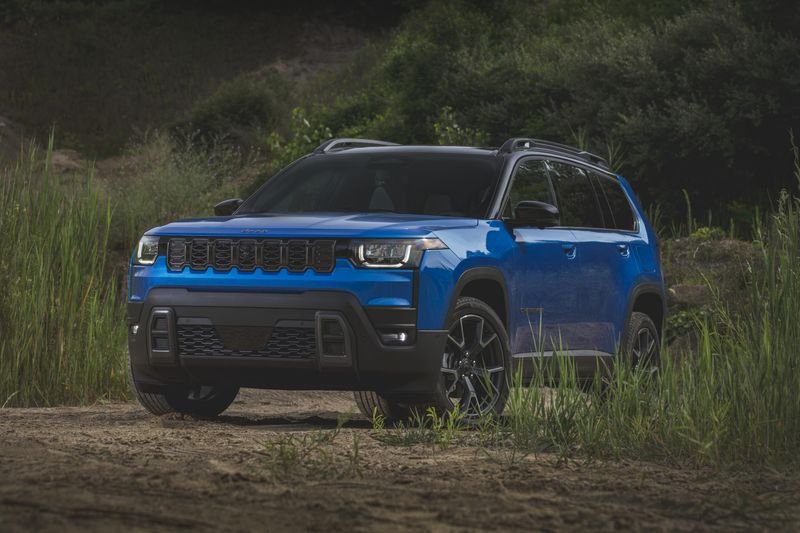
Wiring LED tail lights on a Jeep Wrangler is a practical upgrade that many owners choose for both style and safety. LED lights are brighter, last longer, and use less power than traditional bulbs.
If you want to modernize your Jeep’s look or boost visibility, learning how to wire LED tail lights is a smart first step.
This guide will walk you through each stage, from preparation to troubleshooting, using clear English and real examples. By the end, you’ll know exactly how to make your Wrangler’s rear lights shine with confidence.
Why Upgrade To Led Tail Lights?
LED tail lights are more than just a trend. They offer real benefits for Jeep Wrangler owners:
- Brighter illumination: Makes your vehicle easier to see, especially in poor weather.
- Faster response time: LEDs light up instantly, improving safety during braking.
- Longer lifespan: LEDs can last up to 50,000 hours, compared to 2,000 for halogen bulbs.
- Lower energy use: They draw less power, reducing strain on your Jeep’s electrical system.
- Stylish appearance: Modern LEDs give your Wrangler a fresh, custom look.
According to industry data, vehicles with LED tail lights are 18% more visible during nighttime driving, reducing rear-end collisions by up to 10%. These numbers show that upgrading isn’t just about aesthetics it’s about safety too.
Understanding Your Jeep Wrangler’s Tail Light System
Before starting, it’s important to know how the tail light wiring works on Jeep Wranglers. Most models (especially JK, JL, and TJ) use a simple wiring setup:
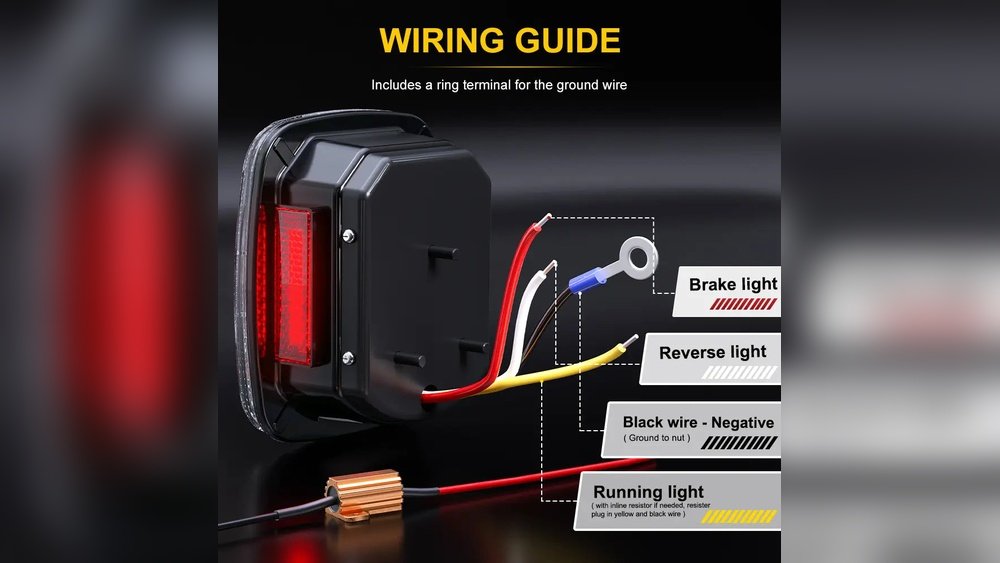
- Three main wires: One for tail/running lights, one for brake/turn signal, one for ground.
- Color codes: Jeep uses different colors for each function. For example, black (ground), green (turn/brake), and white or brown (tail).
It’s crucial to check your Wrangler’s year and model, as wiring colors and connectors may vary. Reading your owner’s manual or searching for your model’s wiring diagram can save time and prevent mistakes.
Here’s a basic comparison of Wrangler tail light wiring across model years:
| Model Year | Ground Wire Color | Brake/Turn Wire Color | Tail Wire Color |
|---|---|---|---|
| TJ (1997-2006) | Black | Green | White |
| JK (2007-2018) | Black | Green | White/Brown |
| JL (2018+) | Black | Green/Yellow | White/Brown |
Always double-check your wiring before making connections.
Tools And Materials You’ll Need
Getting the right tools and materials is key for a safe and clean installation. Here’s a checklist:
- LED tail lights compatible with your Jeep Wrangler
- Wire strippers and cutters
- Crimp connectors or soldering kit
- Electrical tape or heat shrink tubing
- Screwdrivers (Phillips and flat)
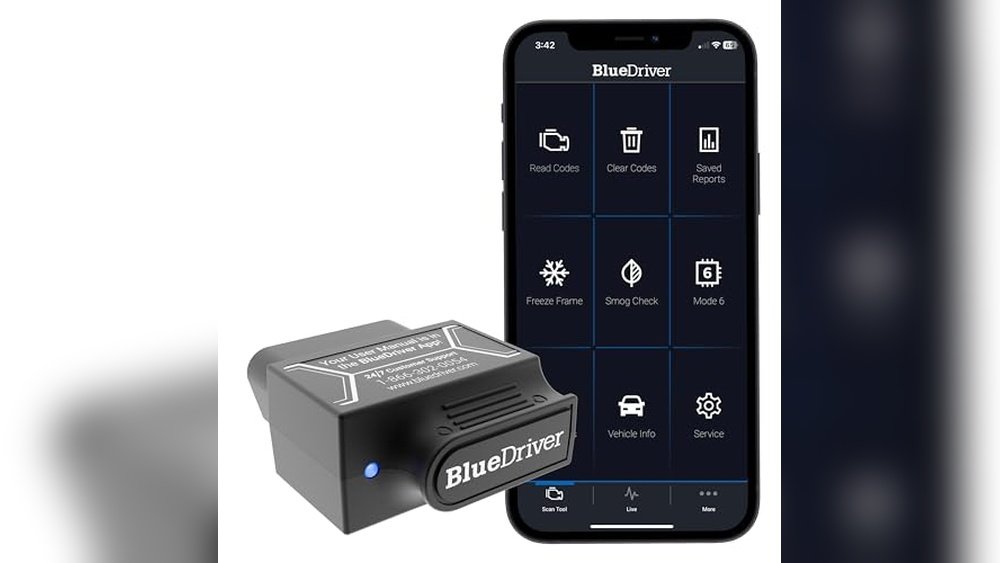
- Multimeter (for testing voltage and continuity)
- Optional: Resistors or load equalizers (if you want to avoid “hyperflash” or error codes)
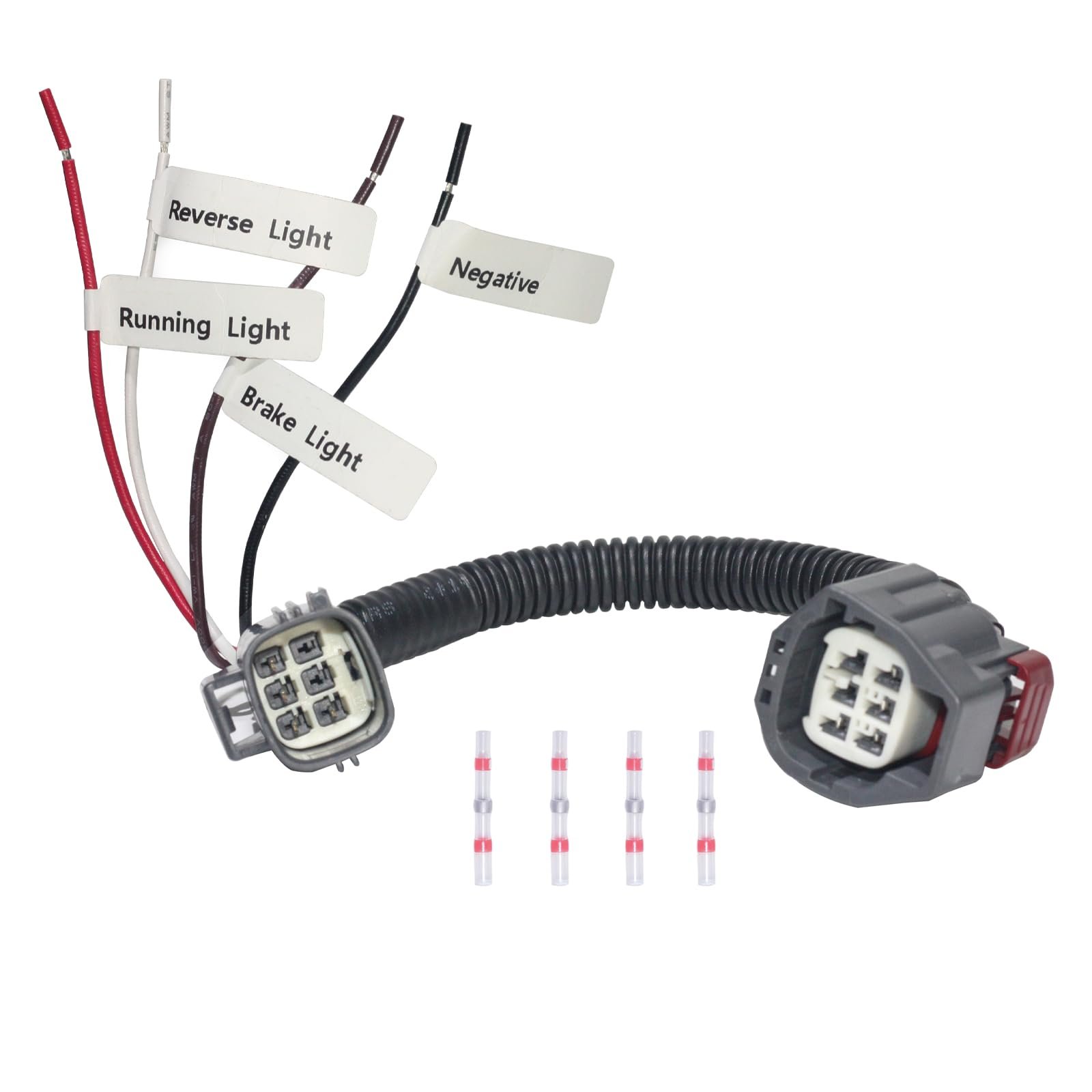
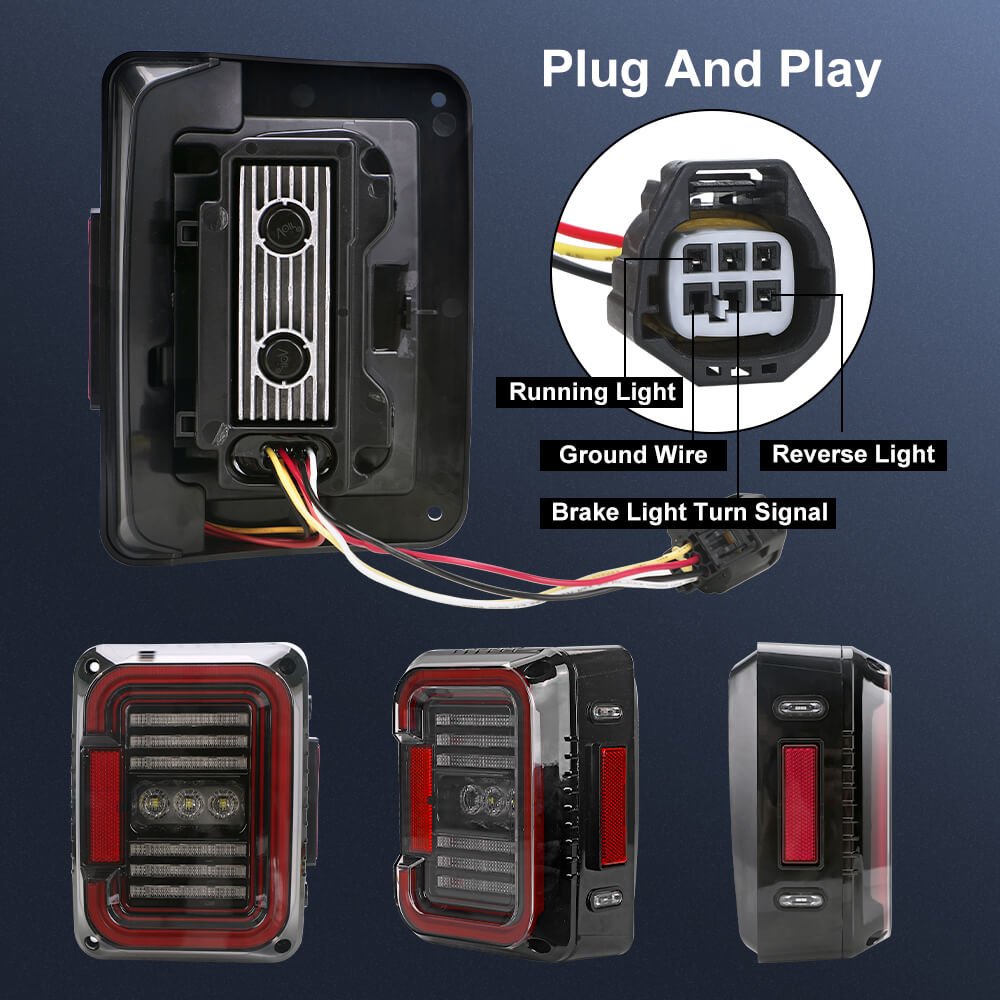
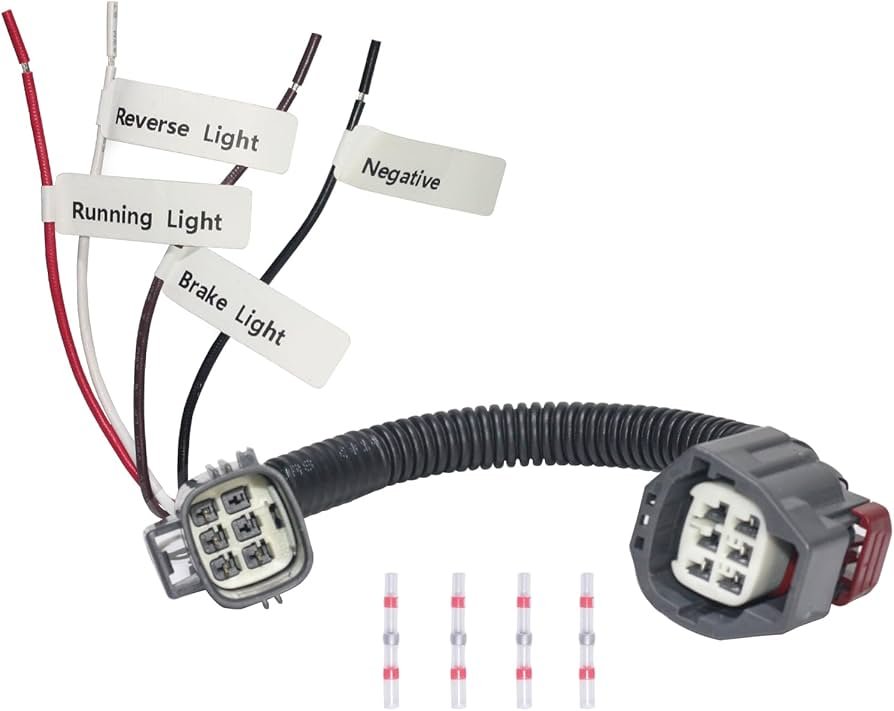
Some LED tail lights come with plug-and-play connectors. If yours do, installation is easier. If not, you’ll need to wire manually.
Step-by-step Guide To Wiring Led Tail Lights
1. Remove The Old Tail Lights
Start by opening your Jeep’s rear tailgate. Use a screwdriver to remove the screws holding the tail light housing.
Gently pull out the housing, exposing the wiring at the back.
Disconnect the factory harness by pressing the tab or unscrewing the connector. If your Wrangler uses a plug, unplug it directly.
For older models, you may need to cut wires and strip them for new connections.
2. Identify And Prepare The Wires
Using your multimeter, test each wire:
- Ground: Usually black. Attach the multimeter’s negative lead to this wire; you should get zero volts.
- Brake/Turn: Usually green or green/yellow. When the brake or turn signal is active, this wire shows 12 volts.
- Tail: Usually white or brown. When headlights are on, this wire shows 12 volts.
Strip about 1/2 inch of insulation from each wire. Make sure the copper is clean and shiny.
3. Connect The Led Tail Lights
If your LED tail lights are plug-and-play, simply connect the harness. For manual wiring:
- Match each wire from the LED tail light to the corresponding Jeep wire.
- Use crimp connectors, or solder for a stronger connection.
- Cover connections with electrical tape or heat shrink tubing to prevent moisture and corrosion.
Here’s a quick reference table for wiring connections:
| LED Tail Light Wire | Jeep Wire | Function |
|---|---|---|
| Black | Black | Ground |
| Red | Green/Green-Yellow | Brake/Turn |
| White | White/Brown | Tail |
If your LED tail lights have extra wires (for reverse or fog lights), consult the instructions. Not all models need these connections.
4. Test The Lights
Before closing everything, test each function:
- Turn on headlights (tail lights should glow).
- Press brake pedal (lights should brighten).
- Activate turn signals (lights should blink).
- Test reverse lights (if your LEDs include them).
If any light doesn’t work, check your connections. Sometimes, LEDs are polarized—they only work if wired the right way. If needed, swap the wires.
5. Secure And Finish
Once satisfied, tuck the wiring neatly inside the tail light housing. Reinstall the housing and tighten the screws. Avoid pinching wires or leaving them exposed.
If your Jeep shows a “bulb out” warning or the turn signals blink fast (“hyperflash”), you may need to install a resistor or load equalizer. This fixes the difference in power draw between LEDs and original bulbs.
Common Mistakes And How To Avoid Them
Many beginners make errors during installation. Here are the most frequent issues:
- Incorrect wire matching: Always check color codes and test with a multimeter. Don’t assume colors are universal.
- Poor connections: Loose wires can cause flickering or total failure. Use quality crimp connectors or solder.
- Skipping heat shrink or tape: Moisture can corrode wires quickly. Seal all connections.
- Not testing before reassembly: It’s easier to fix problems before the housing is back in place.
- Ignoring resistor needs: Some Jeeps need load resistors to avoid errors or hyperflash. Don’t skip this step if you see warning lights.
A non-obvious insight: Many LED tail lights have a built-in resistor, but not all do. Always check the product details before buying.
Practical Tips For A Smooth Installation
- Work in daylight or use a bright work lamp. It’s easier to see wire colors and connections.
- Take photos of your factory wiring before you start. If you get confused, you can refer back.
- Label wires with masking tape if you’re working on both sides at once.
- If you’re unsure, search for your Jeep’s wiring diagram online or ask in Jeep forums.
Some owners find that aftermarket LED tail lights are slightly larger or shaped differently. Test fit before wiring to avoid surprises.
Choosing The Right Led Tail Lights For Your Wrangler
With hundreds of options online, picking the best LED tail lights can be tricky. Here’s what matters:
- Fitment: Choose lights designed for your Jeep’s year and model.
- Quality: Look for DOT-approved (street legal) lights with good reviews.
- Brightness: Compare lumens (LED brightness) between brands.
- Features: Some LEDs offer built-in turn signals, reverse lights, or even smoke lenses.
- Warranty: Reliable brands offer at least a 1-year warranty.
Here’s a comparison of popular LED tail light options:
| Brand | Fitment | Brightness (Lumens) | Features | Warranty |
|---|---|---|---|---|
| KC HiLiTES | JK & JL | 1200 | Smoke lens, built-in resistors | 2 years |
| Morimoto | JK | 1400 | Sequential turn signals | 3 years |
| JW Speaker | TJ, JK, JL | 1000 | Plug-and-play, DOT approved | 1 year |
Avoid buying cheap, non-branded LEDs. They often fail early and may not be legal for road use.
Troubleshooting: Fixing Common Problems
Even after careful installation, problems can happen. Here’s how to fix typical issues:
- Hyperflash: Turn signals blink too fast. Install a load resistor or relay.
- Bulb out warning: Jeep’s computer thinks a bulb is blown. Resistors solve this.
- Flickering lights: Check for loose connections or poor ground.
- Dim lights: Make sure the ground wire is solid, and test battery voltage.
If your tail lights don’t turn on at all, check the fuse box. Sometimes, a blown fuse is the culprit.
Another tip: If you plan to install a trailer harness, make sure your LED tail lights are compatible. Some LEDs interfere with trailer wiring, so check before buying.
Safety And Legal Considerations
Upgrading to LED tail lights is legal in most US states, but they must be DOT approved. Non-approved lights can cause problems during inspections or with law enforcement.
LEDs should be bright enough to be seen but not so bright they blind other drivers. If you’re unsure, check the brightness rating (lumens) and make sure it’s within legal limits.
For more information about automotive lighting laws, visit the National Highway Traffic Safety Administration.
Frequently Asked Questions
How Long Does It Take To Wire Led Tail Lights On A Jeep Wrangler?
Most installations take about 1-2 hours. Plug-and-play kits are faster, while manual wiring can take longer if you’re new to electrical work.
Do I Need Any Special Tools?
Basic tools like screwdrivers, wire strippers, and electrical tape are enough for most jobs. A multimeter is recommended for testing, and a soldering kit can help make stronger connections.
Will Led Tail Lights Cause Error Codes Or Hyperflash?
Some Wranglers may show errors or blink too fast after installing LEDs. This happens because LEDs use less power. Installing a load resistor fixes these problems.
Are Led Tail Lights Legal?
Yes, as long as they are DOT approved and meet brightness requirements. Always check local laws if you’re unsure.
Can I Install Led Tail Lights Myself, Or Should I Hire A Professional?
Many Jeep owners install LED tail lights themselves. If you’re comfortable with basic tools and wiring, you can do it.
If not, a professional can finish the job quickly and safely.
Upgrading your Jeep Wrangler’s tail lights to LED is a rewarding project that improves both style and safety. By following these steps and tips, you can make the switch confidently, avoid common mistakes, and enjoy brighter, longer-lasting rear lights.
Remember to always double-check your wiring, test before final assembly, and choose quality LEDs.
With good preparation and care, your Wrangler will stand out wherever you drive.