Adding auxiliary lights to your Jeep isn’t just about style—it’s about safety and function. Whether you’re off-roading at night or want better visibility on rural roads, extra lighting can make a huge difference. Wiring these lights yourself isn’t as hard as it sounds, but you need a careful approach to avoid electrical problems or voiding your warranty. Let’s break down the process step by step so you can confidently install auxiliary lights on your Jeep.
Understanding The Basics Of Jeep Auxiliary Lights
Auxiliary lights come in many shapes and sizes. The most common types are LED light bars, spotlights, and fog lights. Each has its own purpose:
- LED light bars: Wide, powerful beams for off-road use.
- Spotlights: Focused beams for long-distance visibility.
- Fog lights: Low, wide beams for poor weather conditions.
Before you buy, check your local laws. Some states limit the number or brightness of extra lights allowed on public roads.
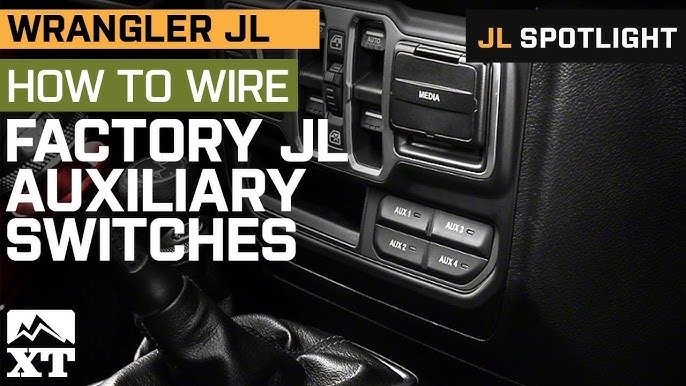
Here’s how these lights compare:
| Type | Beam Pattern | Best For | Average Power Use |
|---|---|---|---|
| LED Light Bar | Wide/Flood | Off-roading | 60-180W |
| Spotlight | Narrow/Spot | Long-range vision | 15-60W |
| Fog Light | Wide/Short | Fog, rain, snow | 15-45W |
Tools And Materials You’ll Need
You don’t need a full workshop, but a few basic tools are essential for a safe, clean install:
- Auxiliary lights with mounting brackets
- Wiring harness (often included with lights)
- Relay (prevents too much current from reaching the switch)
- Switch (on/off control, usually mounted inside the cabin)
- Inline fuse (protects from electrical shorts)
- Wire connectors and crimping tool
- Socket set and screwdrivers
- Electrical tape and zip ties
- Multimeter (for checking connections)
Here’s a quick comparison of wiring options for beginners:
| Wiring Option | Difficulty | Time Needed | Reliability |
|---|---|---|---|
| Plug-and-play harness | Easy | 30-60 min | High |
| Custom wiring | Moderate | 1-2 hours | Very high (if done well) |
| Direct to battery, no relay | Easy | 15-30 min | Low (not recommended) |
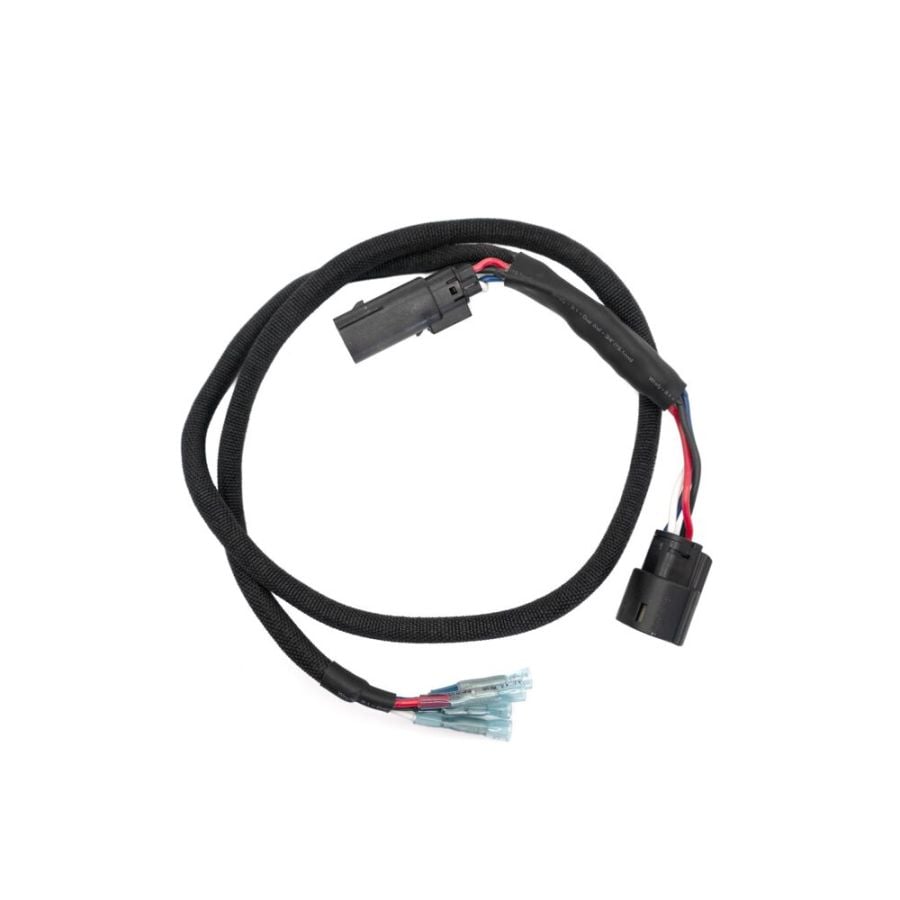
Step-by-step Guide: How To Wire Jeep Auxiliary Lights
1. Plan Your Installation
Think about where you want to mount the lights on the bumper, roof, or windshield pillars. Make sure wires can reach the battery and switch location without crossing hot or moving parts.
Mark mounting points with tape before drilling. Measure twice to avoid mistakes.
2. Mount The Lights
Use the provided brackets and hardware. Tighten bolts but don’t overtighten plastic parts can crack.
Point the lights in the direction you’ll need most, but you can adjust later.
3. Prepare The Wiring Harness
Most auxiliary lights include a wiring harness with a relay, switch, and fuse. If yours doesn’t, buy a harness kit. Lay out the harness along your Jeep’s frame to check the length.
Connect the positive and negative wires to your lights. Red is usually positive, black is negative. Double-check with your multimeter to avoid confusion.
4. Connect To Power
Run the harness’s main power wire directly to the battery positive terminal. Install the inline fuse as close to the battery as possible—this protects your Jeep from electrical fires if there’s a short circuit.
Attach the negative wire to a clean metal ground point on the frame. Bad grounding is a common beginner mistake—paint or rust can block the connection.
5. Install The Switch
Route the switch wire through a grommet in the Jeep’s firewall. Avoid drilling new holes if possible—use existing rubber grommets for safety.
Mount the switch in a spot that’s easy to reach but won’t get hit accidentally, such as next to the steering wheel or on the dash.
6. Secure And Test Everything
Use zip ties to keep wires away from hot engine parts and moving suspension. Double-check every connection. Replace any loose connectors or exposed wires with heat-shrink tubing.
Turn on your lights and test all functions. If a light doesn’t work, check your fuse, relay, and grounding points first.
Non-obvious Tips For A Trouble-free Install
- Use a relay rated for at least 30 amps. Lower ratings might melt or fail under high load.
- Upgrade your battery terminals if you plan to run several lights. Cheap or old terminals can cause flickering or power loss.
- Weatherproof all connections. Even “waterproof” lights can fail if connectors get wet. Use dielectric grease on terminals for extra protection.
- Route wires along factory harnesses when possible. This keeps your install neat and reduces the chance of pinched or damaged wires.
Common Mistakes To Avoid
- Skipping the relay: Direct wiring can overheat your switch and cause electrical fires.
- Bad grounding: Always sand down paint or rust at the ground point.
- Incorrect fuse size: Too large, and it won’t protect you. Too small, and it will blow even when nothing’s wrong.
Safety And Legal Reminders
Many states have laws about how and when you can use auxiliary lights. For example, some require covers on lights when driving on public roads. Always check your local regulations before installing or using your lights.
If you’re unsure about wiring or electrical safety, consult a professional. Electrical shorts can cause fires or damage expensive electronics.
For a deep dive into off-road lighting laws and safe installation, visit the Specialty Equipment Market Association (SEMA).
Frequently Asked Questions
How Many Auxiliary Lights Can I Wire To My Jeep?
It depends on your battery and alternator capacity. Most setups can handle 2–4 lights, but always check your total wattage and stay within 80% of your alternator’s rated output.
Do I Need A Relay For Every Set Of Lights?
Yes, use a relay for each circuit of lights over 30 watts. This prevents overloading your switches and keeps wiring safe.
Can I Wire My Auxiliary Lights To Turn On With My High Beams?
Yes, but you’ll need to tap into your high beam circuit and use a trigger wire for the relay. This lets the auxiliary lights turn on only when your high beams are active.
Are Led Auxiliary Lights Better Than Halogen?
Generally, yes. LED lights use less power, last longer, and provide more light per watt. However, quality varies, so buy from trusted brands.
Will Adding Auxiliary Lights Void My Jeep Warranty?
Usually, no if installed correctly. However, improper wiring or damage caused by an electrical short may not be covered. Always use a proper harness and fuse.
Adding auxiliary lights to your Jeep can transform your driving experience both on and off the road. With careful planning and attention to detail, you’ll enjoy brighter, safer journeys without electrical headaches.


















