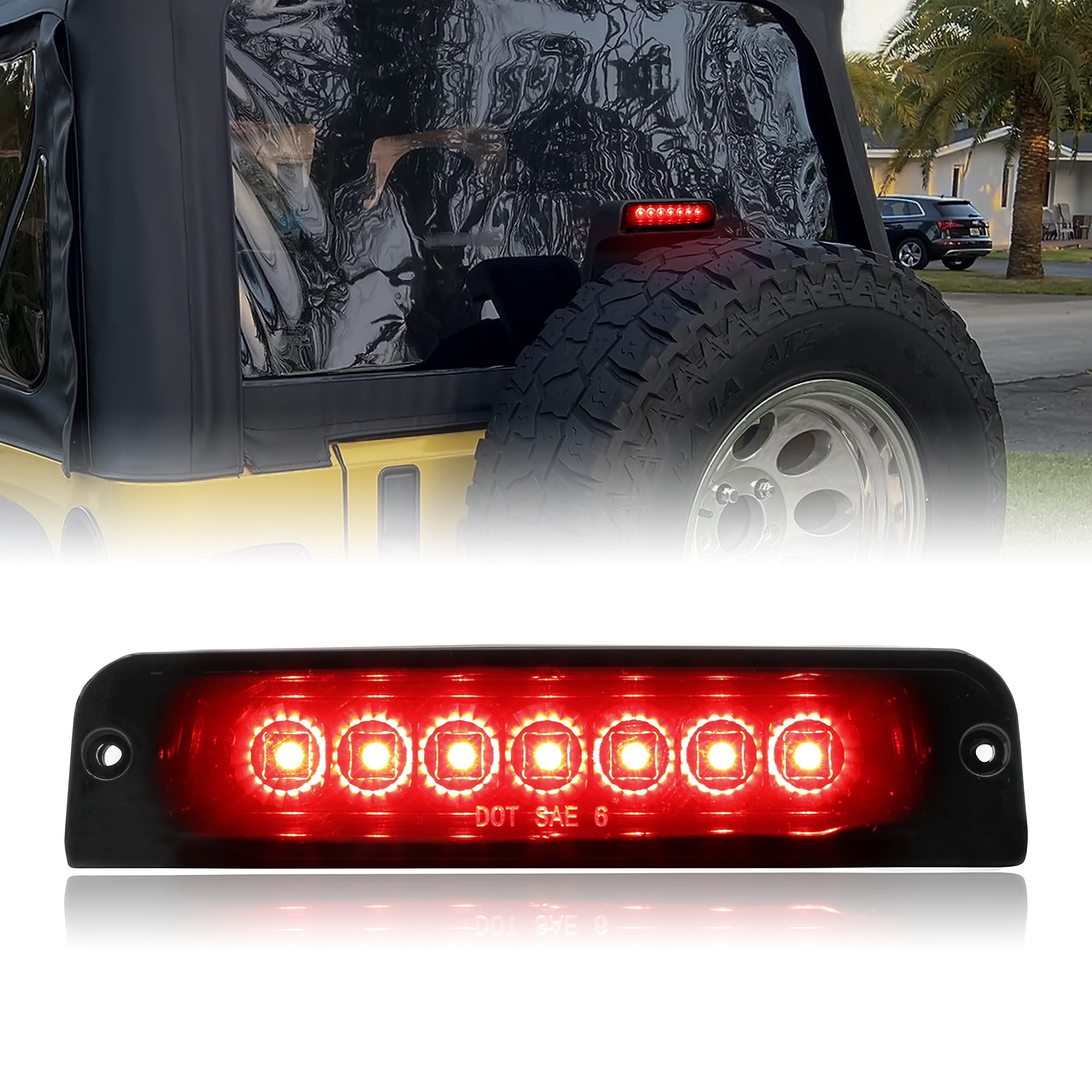
Wiring fog lights on a Jeep TJ can make night driving safer and improve visibility in tough conditions. Many Jeep owners want this upgrade but feel unsure about the wiring process. With the right tools and guidance, even beginners can handle this task.
This article walks you through everything planning, wiring, mounting, and tips for a clean, reliable install. You’ll also learn about choosing the best fog lights, avoiding common mistakes, and making sure your work lasts.
If you’re ready to give your Jeep TJ a functional upgrade, read on.
Choosing Fog Lights For Your Jeep Tj
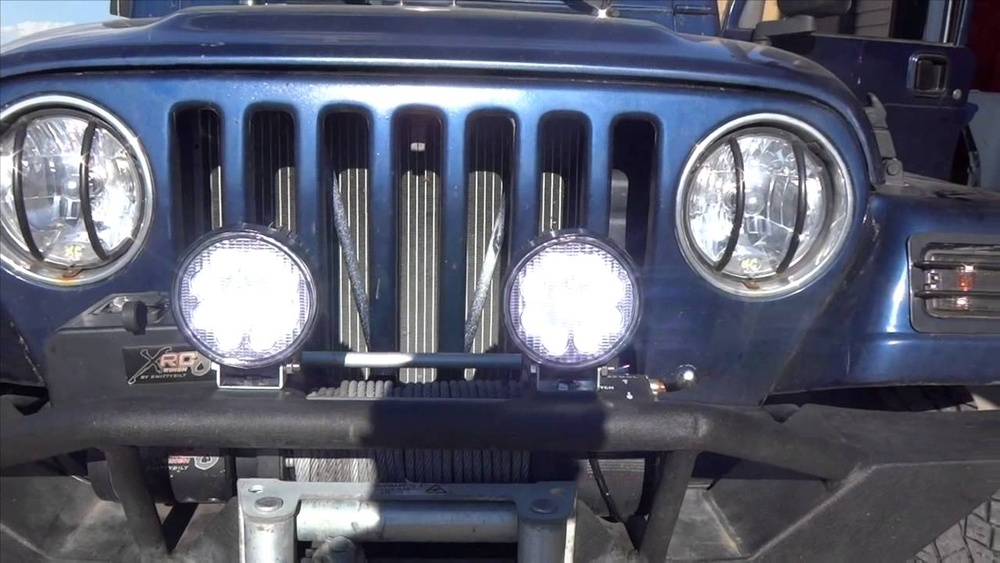
Before wiring, select fog lights that match your needs. Fog lights come in various sizes, brightness levels, and power ratings.
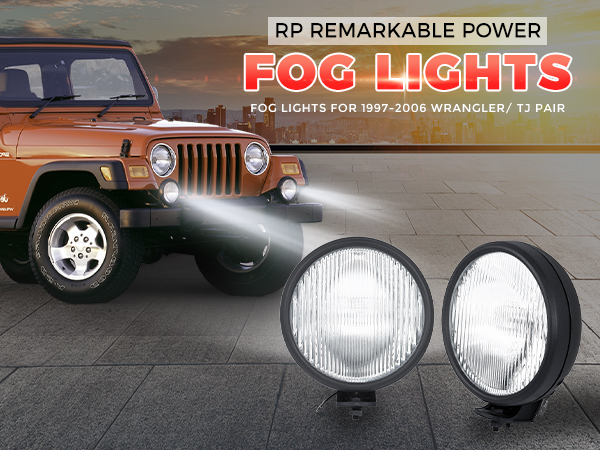
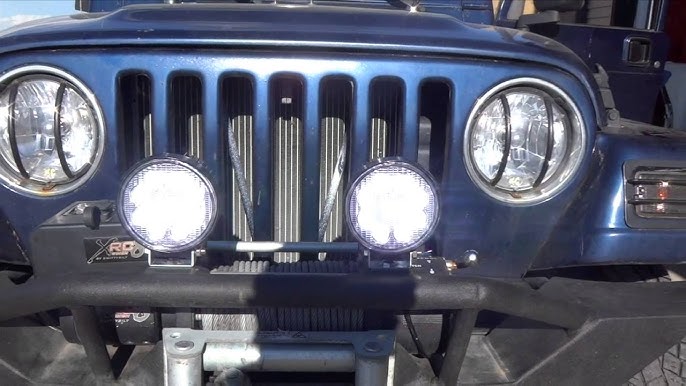
For the Jeep TJ, 4-inch round lights are popular, but rectangular models fit too. Some owners also prefer lights with adjustable mounting brackets, making it easier to aim the beam exactly where you need it.
| Feature | Standard Fog Lights | LED Fog Lights |
|---|---|---|
| Brightness (Lumens) | 800–1200 | 1200–2500 |
| Power Consumption (Watts) | 35–55 | 10–30 |
| Life Span | 1–3 years | 5–10 years |
| Color Temperature | 3000K–4000K | 4000K–6500K |
LED fog lights are brighter and last longer but cost more. They also use less power, which puts less strain on your Jeep’s electrical system. Some LED models come with built-in water resistance or dustproof ratings (like IP67), which can be very helpful for off-roading or wet climates. Halogen fog lights are cheaper and easier to find but need more power. They may also be easier to replace if a bulb burns out on the trail, since halogen bulbs are widely available.
Choose based on your budget, brightness needs, and how often you drive in bad weather. If you often drive in fog, snow, or rain, picking a light with a wider, lower beam pattern is better.
Some models allow you to switch between different light modes, which can be useful for changing conditions.
Tools And Materials Needed
Having the right tools saves time and prevents mistakes. Here’s what you’ll need:
- Fog lights
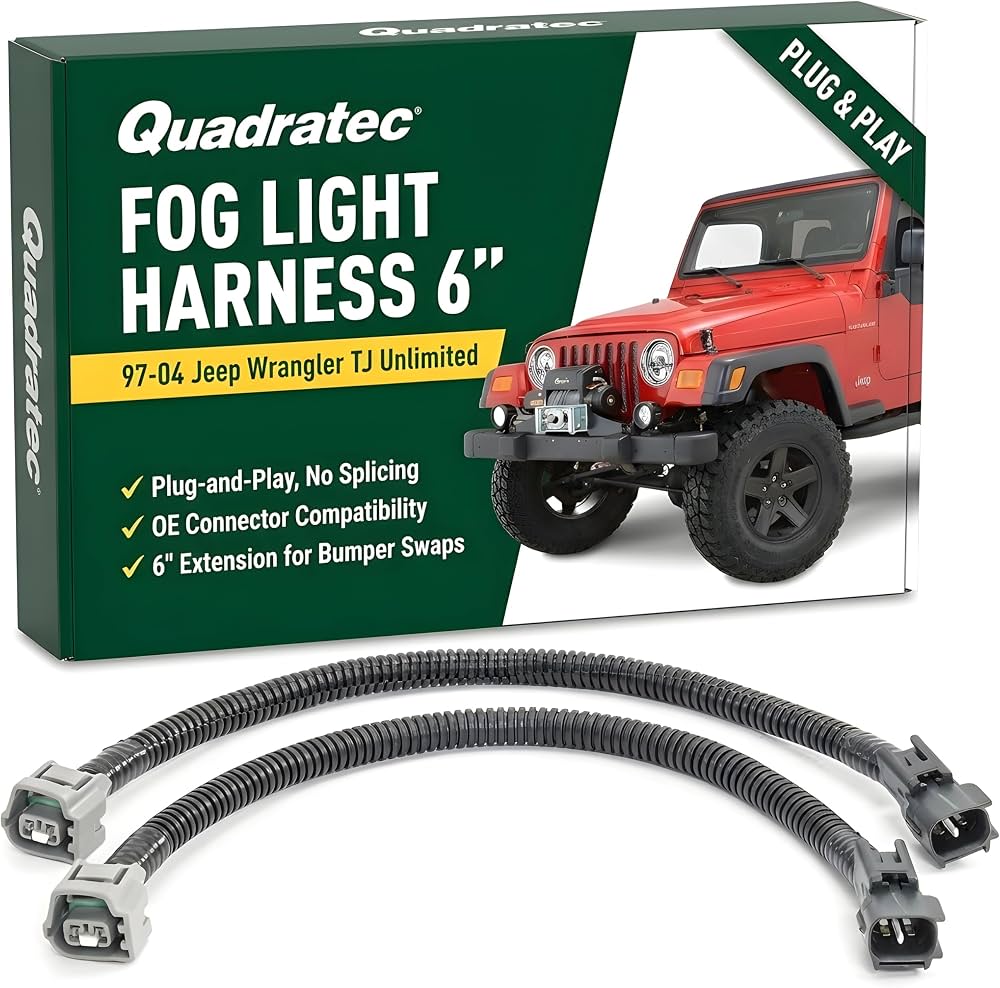
- Wiring harness (with relay and fuse)
- Switch (for dashboard or console)
- Wire strippers
- Crimp connectors
- Electrical tape
- Drill and bits
- Screwdrivers
- Multimeter (for testing)
- Zip ties
- Heat shrink tubing
Some kits come with a wiring harness, relay, and switch. If your kit does not, buy them separately. Using a relay and fuse is important for safety and reliability.
If you want a truly professional look, consider getting wire loom to hide and protect the wiring. A small piece of sandpaper can help clean ground points for the best possible connection.
Having a flashlight on hand will also help you see behind the dash or under the hood.
Planning The Wiring Route
A good plan prevents future headaches. Decide where you’ll mount the fog lights usually on the front bumper or grille.
Some Jeep TJ owners use aftermarket brackets to mount lights higher or lower, depending on their driving needs. Keep wires away from moving parts, hot surfaces, and sharp edges.
Tips for Planning:
- Measure wire lengths before cutting.
- Route wires along factory harnesses if possible.
- Avoid areas near the exhaust or steering components.
- Use zip ties to secure wires every 12 inches.
- Plan where the relay and fuse will sit—close to the battery, but protected from water or mud.
Non-obvious insight: Many beginners forget to leave extra slack at wire ends. This makes future repairs easier and reduces stress on connectors. Also, think about the path for the switch wire through the firewall; using an existing grommet saves time and keeps things watertight.
Step-by-step Wiring Guide
Let’s break down the wiring process for your Jeep TJ.
1. Mount The Fog Lights
- Choose strong mounting points on the bumper or grille.
- Use bolts or brackets from the kit.
- Aim lights slightly downward and outward.
- Tighten securely to avoid vibration.
Be sure to test-fit the lights before tightening everything. Adjusting them after wiring is harder, so get the placement right from the start. If your kit includes rubber washers or pads, use them to cut down on vibration.
2. Connect Wires To Fog Lights
- Each light will have a positive (power) and ground (negative) wire.
- Strip about 1/2 inch from each wire end.
- Attach crimp connectors or solder for a solid connection.
- Cover with heat shrink tubing for weather protection.
If you’re wiring in wet or muddy conditions, consider double-sealing the connection with both heat shrink tubing and electrical tape. Use color-coded wires for easy troubleshooting later red for power, black for ground.
3. Installing The Relay And Fuse
A relay lets you use a small switch to control high-power lights. It also protects the circuit.
| Relay Terminal | Connection Purpose |
|---|---|
| 85 | Ground |
| 86 | Switch input |
| 87 | Fog lights power |
| 30 | Battery power |
- Mount relay near the battery.
- Use a fuse (15–20A) between battery and relay for safety.
- Secure all connections with crimp connectors.
Some relays come with mounting tabs. Use a self-tapping screw to attach the relay to a solid metal part of the engine bay.
This keeps it from rattling or coming loose. For added protection, use a waterproof relay if you drive in deep water or mud.
4. Wiring The Switch
- Run a wire from relay terminal 86 to the switch.
- Mount switch in a spot that’s easy to reach but won’t get bumped by accident.
- Many aftermarket switches fit in the Jeep TJ’s dashboard knockouts.
Practical tip: If you want fog lights to turn on only with the headlights, connect the switch power wire to the headlight circuit. Otherwise, wire directly to an ignition source.
Some switches come with a built-in LED indicator. This is helpful at night, so you know when the fog lights are on.
If your switch does not light up, you can wire a small LED in parallel with the fog lights for a clear visual cue.
5. Connecting Power And Ground
- Run a wire from relay terminal 30 to the positive battery terminal.
- Use a ring terminal for a solid connection.
- Connect relay terminal 85 to a chassis ground—bare metal, not painted.
- Connect fog lights’ ground wires to a nearby ground point.
If you can’t find a good ground, drill a small hole and use a self-tapping screw with a star washer. Always clean the area to bare metal for the best contact. Avoid grounding to thin metal or parts that move.
6. Testing The System
Before finishing, test every connection.
- Check all wires for tightness.
- Use a multimeter to check for power at the lights.
- Flip the switch—lights should turn on.
- If not, check fuse, relay, and ground.
Non-obvious insight: Many beginners test only one light. Always check both, as a bad ground on one can cause both to fail. Also, check that the switch turns the lights off and on cleanly—sometimes a loose connector will make the lights flicker or stay on.
Common Mistakes And How To Avoid Them
Wiring fog lights seems simple, but mistakes can lead to problems.
- Skipping the relay: Directly wiring fog lights to the switch can cause melted wires or switch failure.
- Poor ground connections: Loose or rusty ground points will cause flickering or no light.
- No fuse: Without a fuse, a short can cause fire or damage.
- Routing wires carelessly: Wires touching hot or moving parts will wear out fast.
| Mistake | Effect | Solution |
|---|---|---|
| No relay | Overheated switch, possible fire | Always use relay and fuse |
| Poor ground | Lights flicker or don’t work | Clean ground points, tighten bolts |
| Exposed wires | Corrosion, shorts | Use heat shrink, tape |
| Wrong fuse size | Fuse blows or doesn’t protect | Use 15–20A fuse |
Another common issue is using wire that’s too thin. Always use wire rated for automotive use (at least 14 gauge for most fog lights). Thin wire can overheat and fail, especially if you upgrade to brighter lights later.
Practical Tips For A Clean Install
- Use heat shrink tubing instead of tape for weather protection.
- Label wires if you plan future upgrades.
- Bundle wires neatly with zip ties.
- Test lights in the dark to check alignment.
- If wiring through the firewall, use a rubber grommet to prevent rubbing.
Example: A Jeep TJ owner wired fog lights but skipped the relay. The switch melted after a week. Adding a relay fixed the problem and prevented future issues.
If you want an extra-clean look, run wires inside flexible split loom tubing. This not only protects the wires from abrasion but also makes future repairs easier.
Some owners add quick-disconnect plugs to the lights, making it easier to remove the bumper or grille for other repairs.
Legal And Safety Considerations
Some states have laws about fog light use. For example, fog lights must turn off when high beams are on. Check your local regulations before wiring.
- Mount lights below headlight level for legal compliance.
- Avoid blinding other drivers; aim lights downward.
- Use a switch with an indicator light to remember if fog lights are on.
For more details on automotive lighting laws, visit Wikipedia.
If you travel between states or countries, remember that lighting laws can change. Keeping the installation neat and switch easy to reach makes it simple to turn off fog lights if required by law enforcement.
In most areas, fog lights should be used only in poor visibility not all the time.
Maintenance And Troubleshooting
After wiring, keep your system working with regular checks.
- Inspect connections every six months.
- Clean ground points if you see corrosion.
- Replace bulbs as needed—LEDs last longer but can fail.
- If lights flicker, check the fuse and relay first.
- Use a multimeter to test voltage at the light terminals.
Practical tip: Keep a spare fuse in your glove box. If fog lights fail suddenly, a blown fuse is the most common cause.
If you drive off-road or in winter, check for mud or ice around the lights and wiring. Buildup can pull on wires or block the light beam.
It’s also smart to keep a small kit with spare connectors, tape, and a screwdriver in case you need to repair a connection on the trail.
How Long Does It Take To Wire Fog Lights On A Jeep Tj?
For most beginners, the job takes 2–3 hours. If you have experience, it might take less than 90 minutes. Planning your wiring route and gathering tools ahead of time speeds things up. Working slowly and double-checking connections helps avoid mistakes that cost time later.
Do I Need A Relay For Fog Lights?
Yes, a relay is important. It protects your switch from high current and prevents overheating. Always use a relay and fuse for safety. Even if your lights seem to work without a relay, skipping it puts your wiring at risk.
Can I Wire Fog Lights To My Existing Headlight Switch?
It’s possible, but not recommended for beginners. This requires tapping into the headlight circuit, which can be tricky.
Using a dedicated switch is safer and easier. If you really want this setup, look for Jeep-specific wiring diagrams or kits that are designed for this purpose.
What Fuse Size Should I Use For Fog Lights?
For most Jeep TJ fog lights, use a 15–20 amp fuse. Check your fog light specs for exact needs. Too small a fuse will blow; too large won’t protect the circuit. If you upgrade to brighter or multiple lights, check if you need a higher-rated relay and thicker wire.
Why Do My Fog Lights Flicker After Wiring?
Flickering is usually caused by a poor ground connection, loose wire, or a dying bulb. Check ground points and all connectors first. If all is secure, try a new bulb. Sometimes, cheap connectors lose grip over time—re-crimp or replace them as needed.
Wiring fog lights on your Jeep TJ is a practical upgrade that improves safety and style. With clear planning, proper tools, and careful wiring, you can do the job yourself.
Avoid shortcuts and check your work thoroughly. If you follow these steps, your fog lights will work reliably for years, making your Jeep ready for any road or weather.