Getting the most from your Jeep Patriot 4 wheel drive system is not just about pressing a button or moving a lever. The Patriot’s 4WD options offer drivers valuable control and confidence on different road conditions, but only if you use them correctly. Many drivers buy a 4WD SUV like the Patriot but never fully understand what each mode does, or when to use it. This article breaks down the process in clear steps, explains the four key 4WD modes, and gives practical advice to help you drive safer and smarter.
Understanding Jeep Patriot 4 Wheel Drive Systems
The Jeep Patriot comes with two main 4WD systems: Freedom Drive I and Freedom Drive II. Both are designed for different driving needs. Freedom Drive I is a full-time 4WD system for light off-roading and slippery roads. Freedom Drive II is more advanced, offering better off-road capability, including a special low-range mode. Before using 4WD, always check which system your Patriot has. This information is usually in the owner’s manual or on the vehicle’s rear badge.
Key Features Of Jeep Patriot 4wd
- Automatic engagement: The system often switches from 2WD to 4WD when needed.
- Lock mode: Some models have a lock feature for extra traction.
- Low-range gearing: Only on Freedom Drive II, for tough terrain.
Understanding these basics helps you choose the right mode for the situation.

The Four Main 4wd Modes Of Jeep Patriot
Jeep Patriot’s 4WD system offers four main driving options. Using the correct one can make the difference between a safe journey and getting stuck. Here’s what each mode does and when to use it.
1. Two-wheel Drive (2wd) Mode
Most of the time, the Jeep Patriot operates in 2WD mode. This means power goes only to the front wheels. It is best for everyday driving, dry roads, and highway travel.
When to use 2WD:
- Dry pavement
- Good weather
- City and highway driving
Benefits:
- Better fuel economy
- Less wear on 4WD parts
Tip: Always start in 2WD on normal roads. Switching to 4WD when not needed uses more fuel and can cause extra wear.
2. Four-wheel Drive Automatic (4wd Auto) Mode
In 4WD Auto, the system sends power to all four wheels only when it senses slipping. This mode is automatic, meaning you do not need to do anything. The vehicle detects when extra grip is needed.
When to use 4WD Auto:
- Rainy, icy, or snowy roads
- Gravel or dirt roads
- Light off-road trails
Benefits:
- Improved traction in changing conditions
- No need to manually switch modes
Practical insight: Many drivers do not realize that 4WD Auto is not the same as 4WD Lock. In Auto, the system helps you without you needing to think about it, but it does not stay on all the time.
3. Four-wheel Drive Lock (4wd Lock) Mode
4WD Lock is for tougher situations where you need constant power to all four wheels. This mode is ideal for deep snow, sand, or mud. You usually engage it by pulling a lever or pressing a button, depending on your model.
When to use 4WD Lock:
- Deep snow or mud
- Steep hills
- Off-road adventures
Benefits:
- Maximum traction
- Helps avoid getting stuck
Key advice: Always return to 2WD or 4WD Auto once you are back on normal roads. Staying in 4WD Lock on dry pavement can damage the system.
4. Four-wheel Drive Low (4wd Low) Mode
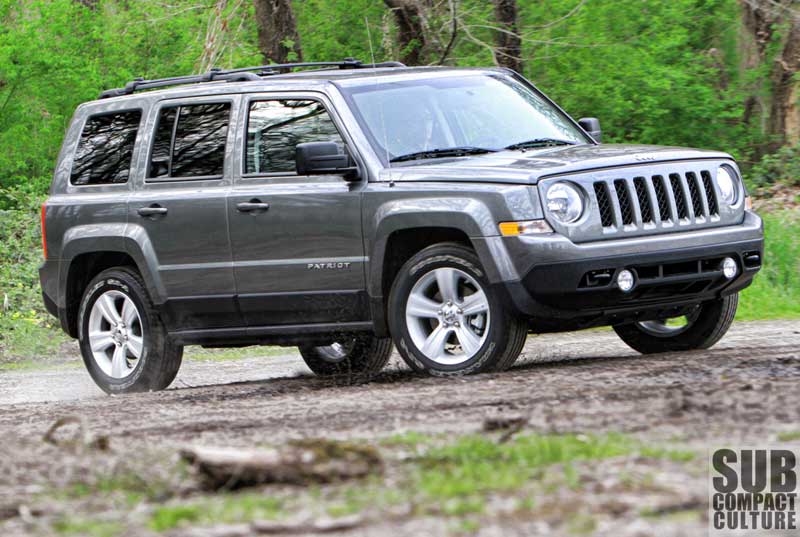
Only the Freedom Drive II package offers 4WD Low. This mode uses lower gears for extra torque, which is helpful for climbing rocks, steep hills, or getting out of very slippery spots.
When to use 4WD Low:
- Very rough or rocky terrain
- Deep mud or sand
- Slow, controlled driving on trails
Benefits:
- Extra power and control at low speeds
- Prevents wheel spin on tough surfaces
Example: If you are crossing a stream or driving up a steep, muddy hill, 4WD Low gives you the best chance of making it safely.
How To Switch Between 4wd Modes
Switching between 2WD, 4WD Auto, 4WD Lock, and 4WD Low is usually simple, but must be done correctly to avoid damage. Most Jeep Patriots let you switch modes using a lever or knob near the gearshift.
- From 2WD to 4WD Auto/Lock: Usually, you can do this while driving at low speeds (below 55 mph). Reduce speed, then switch modes.
- From 4WD Lock to 4WD Low: Stop the vehicle, shift to neutral, then move the lever to 4WD Low.
- Back to 2WD: Slow down, switch back to 2WD when on clear roads.
Important tip: Never switch to 4WD Low while driving fast. This can damage the transmission.
When And Why To Use Each Mode
Choosing the correct mode depends on the road and weather conditions. Here’s a quick comparison:
| Mode | Best For | Speed Range | Fuel Efficiency |
|---|---|---|---|
| 2WD | Dry pavement | Any speed | High |
| 4WD Auto | Wet, light snow, gravel | Up to 55 mph | Medium |
| 4WD Lock | Deep snow, off-road | Below 35 mph | Low |
| 4WD Low | Rocks, steep hills | Below 10 mph | Lowest |
This table helps you match the right mode to the situation for safer driving.
Common Mistakes To Avoid
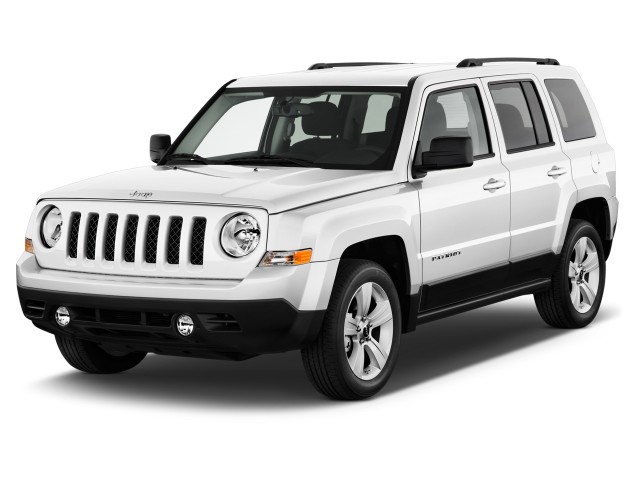
Many Jeep Patriot owners accidentally misuse the 4WD system. Here are common errors and how to avoid them:
- Using 4WD Lock or Low on dry roads: This can cause drivetrain damage and uses more fuel.
- Switching modes at high speed: Always slow down or stop before changing modes, especially to 4WD Low.
- Ignoring system warnings: If you see warning lights or hear unusual noises after switching modes, check the manual or see a mechanic.
- Not engaging 4WD early enough: If you wait until you are already stuck, it may be too late. Switch to 4WD before you enter tough conditions.
Practical Tips For Using Jeep Patriot 4wd
Knowing how to use the system is important, but so is knowing when and why. Here are some tips to get the most from your Jeep Patriot 4WD:
- Practice in safe areas: Try switching between modes in a quiet parking lot or on a mild off-road trail so you know how each feels.
- Plan ahead: If you know you will face snow or off-road conditions, check your 4WD system before the trip.
- Listen for changes: Switching to 4WD Lock or Low often changes how the vehicle sounds and feels. This is normal, but any loud bangs or grinding is not.
- Check your tires: Good tires are as important as the right 4WD mode. Worn tires reduce the system’s effectiveness.
- Maintain your system: Have the 4WD system checked during regular service. Fluids and parts wear out over time.
Differences Between Freedom Drive I And Ii
Not all Jeep Patriots have the same 4WD abilities. Here’s a quick comparison:
| Feature | Freedom Drive I | Freedom Drive II |
|---|---|---|
| Low-range mode | No | Yes |
| Hill Descent Control | No | Yes |
| Maximum ground clearance | 8.1 in | 9.1 in |
| Water fording depth | Not rated | 19 in |
Knowing your system helps you avoid trying something your Jeep cannot handle.
Real-world Examples
Example 1: You’re driving up a snowy hill. Start in 4WD Auto. If the wheels start to spin, shift to 4WD Lock. The extra grip helps you climb without sliding.
Example 2: You plan to drive on a rocky trail with steep climbs. Engage 4WD Low before you start the trail. This gives you slow, steady power to navigate rocks safely.
Example 3: After a heavy rain, your street is flooded and muddy. Use 4WD Lock to avoid getting stuck, but switch back to 2WD when you reach dry pavement.
Non-obvious insight: Many people think 4WD means they cannot get stuck. This is not true. 4WD helps you move, but it does not help you stop faster on slippery roads. Always drive carefully, even with 4WD on.
Maintenance For 4wd Systems
Caring for your Jeep’s 4WD system makes it last longer and work better when you need it. Here’s how:
- Check fluids regularly: The transfer case and differentials need fresh oil to work smoothly.
- Listen for new noises: Clicking, grinding, or whining may mean parts need service.
- Test the system: Engage 4WD modes every few months, even if you do not use them often.
- Read your owner’s manual: Each model may have special tips.
Practical insight: If you do not use the 4WD system for many months, the parts can become stiff or stuck. Regular testing keeps everything in good shape.
Safety Precautions
Driving with 4WD gives you more control, but it is not magic. Always remember:
- Adjust your speed: 4WD helps you go, not stop. Slow down in bad weather.
- Keep a safe distance: Other cars may not have the same traction.
- Be careful on hills: 4WD can help climb, but you still need skill going down.
If you are new to using 4WD, watch videos or join a local off-roading group for hands-on practice.
Frequently Asked Questions
How Do I Know Which 4wd System My Jeep Patriot Has?
Check your owner’s manual or look for badges on the back of your Patriot. Freedom Drive I and II have different features. You can also ask your dealer for details.
Can I Switch Between 2wd And 4wd While Driving?
Yes, you can switch from 2WD to 4WD Auto or Lock at low speeds (usually below 55 mph). However, always stop the vehicle before engaging 4WD Low.
What Should I Do If The 4wd Warning Light Stays On?
If the warning light does not go off, it means there may be a problem with the system. Stop and check the manual. If the issue continues, visit a certified mechanic.
Does Using 4wd Affect Gas Mileage?
Yes, using 4WD Lock or Low uses more fuel than 2WD. Only use 4WD when necessary to avoid wasting gas.
Is The Jeep Patriot Good For Serious Off-roading?
The Patriot is good for light to moderate off-roading, especially with Freedom Drive II. For very tough terrain, consider larger Jeeps like the Wrangler. For more details, check the Jeep Patriot Wikipedia page.
Getting comfortable with your Jeep Patriot’s 4WD system takes a little practice, but it pays off in confidence and safety. Use the right mode for the right condition, maintain your system, and do not hesitate to learn from more experienced Jeep drivers.
With the right approach, your Patriot will take you farther on and off the road.