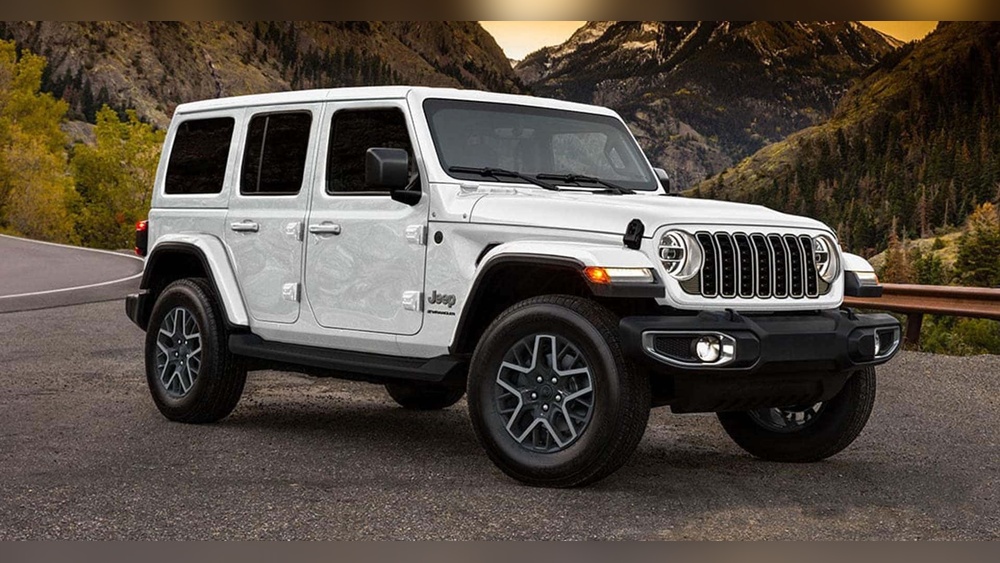
If you drive a Jeep Wrangler, you know it’s built to handle tough roads and off-road adventures. But even these strong vehicles have parts that wear out over time.
One small but important part is the PCV valve. If this valve starts to fail, it can cause many problems—some you might not expect.
Understanding the symptoms of a bad PCV valve in your Jeep Wrangler can help you prevent bigger engine troubles and keep your Jeep running smoothly.
What Is A Pcv Valve And Why Does It Matter?
The PCV valve stands for Positive Crankcase Ventilation valve. It’s a simple device, but it plays a crucial role in your engine’s health. The main job of the PCV valve is to let gases escape from inside the engine’s crankcase and send them back into the intake system to be burned again. This helps:
- Reduce harmful emissions
- Keep the engine oil clean
- Improve fuel efficiency
If the PCV valve fails, those gases build up or escape in the wrong way. This can lead to oil leaks, poor performance, and even engine damage.
Common Symptoms Of A Bad Jeep Wrangler Pcv Valve
Recognizing a failing PCV valve early can save you money and trouble. Here are the most common signs to watch out for:
1. Rough Idle Or Stalling
When your Jeep is idling (the engine is running but you’re not moving), it should sound steady and smooth. A bad PCV valve can create a vacuum leak, making the idle rough or causing the engine to stall. If your Wrangler shakes or sounds uneven at stoplights, the PCV valve could be a culprit.
2. Increased Oil Consumption
A failing PCV valve can let oil vapor slip into the intake, which is then burned in the engine. If you notice you’re adding oil more often, but don’t see obvious leaks, the PCV system might be to blame.
3. Oil Leaks
Pressure from a blocked PCV valve can push oil past seals and gaskets. Over time, you might see oil stains on your driveway or under the hood. Sometimes, the leaks are small but can get worse if ignored.
4. Engine Misfires
Misfires happen when the air-fuel mixture in the engine isn’t right. A stuck PCV valve can create a vacuum leak, making the mixture too lean (too much air, not enough fuel). This causes misfires—your engine may hesitate, shake, or lose power.
5. Check Engine Light
Modern Jeep Wranglers have sensors that track many engine issues. If the PCV valve fails, it can trigger the check engine light. The light alone doesn’t point directly to the PCV valve, but if it comes along with other symptoms on this list, it’s a strong clue.
6. Sludge Or Milky Oil
A broken PCV valve can let moisture build up in the engine, leading to sludge or a milky look in the oil (often seen on the oil cap). This is a sign of water mixing with oil, which is bad for engine health.
7. Whistling Or Hissing Noises
If you hear odd whistling or hissing sounds from the engine bay, it could be air leaking around a stuck PCV valve. These noises usually change with engine speed.
8. Poor Fuel Economy
An engine with a faulty PCV valve may burn more fuel. If you notice your Jeep’s MPG dropping, and there’s no clear reason, the PCV system should be checked.
9. Engine Smoke
A stuck PCV valve can cause blue or white smoke from the exhaust. This smoke is often oil vapor or unburned fuel escaping the wrong way.
Why Pcv Valve Issues Often Go Unnoticed
Many drivers miss PCV valve problems because the symptoms can seem minor or are blamed on other things. For example, rough idle or poor gas mileage might be blamed on bad gas or old spark plugs. But ignoring the PCV valve can lead to bigger repairs, like replacing gaskets or even rebuilding parts of the engine.
A non-obvious insight: Jeep Wranglers, especially those used off-road or in dusty environments, are more likely to have PCV issues. Dust can clog the valve faster than in city-only vehicles. Changing the PCV valve regularly is smart maintenance—especially if you love off-road adventures.
How The Pcv Valve Works In The Jeep Wrangler
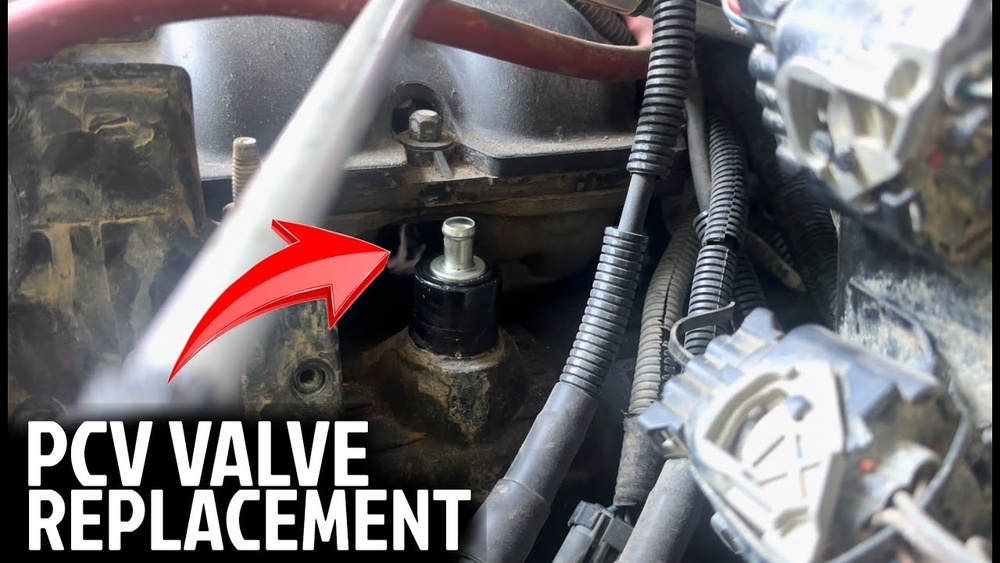
The PCV valve in a Jeep Wrangler is usually found on the valve cover. It’s a small, spring-loaded valve that opens and closes based on engine vacuum. When the engine runs, gases from the crankcase are sucked into the intake and burned.
Here’s a basic flow:
| Engine Condition | PCV Valve Position | Result |
|---|---|---|
| Idle/Low Speed | Partially Open | Controlled gas flow |
| High Speed/Load | Fully Open | Increased gas flow |
| Backfire/High Pressure | Closed | Blocks gases to protect engine |
If the valve gets stuck in any of these positions, problems start to show up.
How To Check For A Bad Pcv Valve In Your Jeep Wrangler
You don’t always need a mechanic to check the PCV valve. Here’s a simple way to test it:
- Locate the PCV valve—usually on the valve cover.
- Remove the valve with the engine off.
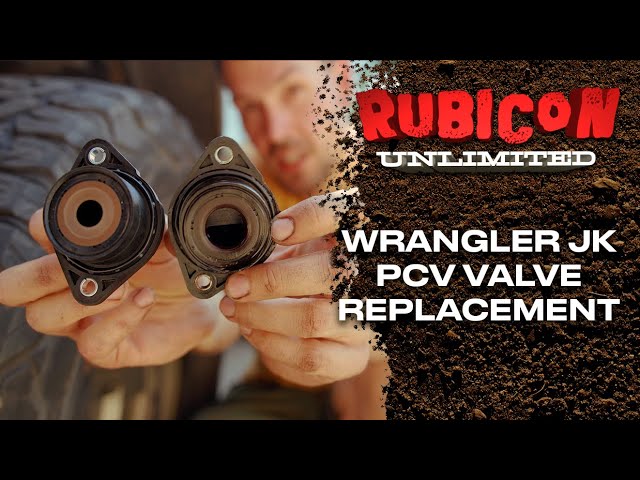
- Shake the valve. If you don’t hear a rattle, the valve may be clogged.
- Check for oil or sludge inside the valve. This is a sign it needs replacing.
- Inspect the hose for cracks, blockages, or oil.
If you’re unsure, a mechanic can test the valve with vacuum tools. But for most Jeep owners, a simple shake and visual check work well.
Comparing Pcv Valve Symptoms With Other Engine Problems
It’s easy to confuse PCV valve problems with other engine issues. Here’s a quick comparison to help you tell the difference:
| Symptom | Possible PCV Valve Issue | Other Common Causes |
|---|---|---|
| Rough Idle | Yes | Spark plugs, fuel injectors |
| Oil Leaks | Yes | Old gaskets, loose bolts |
| Check Engine Light | Yes | O2 sensor, catalytic converter |
| Engine Smoke | Yes | Head gasket, turbo issues |
A non-obvious insight here: Replacing the PCV valve is much cheaper than fixing most other causes of these symptoms, so it’s a smart first step.
How Often Should You Replace The Pcv Valve In A Jeep Wrangler?
Most Jeep experts recommend checking or changing the PCV valve every 30,000 to 60,000 miles. But if you drive in dusty places, tow heavy loads, or notice symptoms sooner, check it more often.
Here’s a quick chart for reference:
| Driving Condition | Check Interval | Replace Interval |
|---|---|---|
| Normal (city/highway) | Every 30,000 miles | Every 60,000 miles |
| Off-road/dusty | Every 15,000 miles | Every 30,000 miles |
| Heavy towing | Every 15,000 miles | Every 30,000 miles |
What Happens If You Ignore Pcv Valve Problems?
Ignoring a bad PCV valve doesn’t just affect fuel economy or make the engine run rough. Over time, it can cause:
- Engine sludge that blocks oil flow
- Blown gaskets from too much pressure
- Catalytic converter damage from burning oil and unburned fuel
- Increased emissions, which can fail inspection tests
Many Jeep owners don’t realize that a bad PCV valve can even cause engine failure if left unchecked for too long. It’s a small part, but its effects are big.
Diy Vs. Professional Repair
Replacing the PCV valve on a Jeep Wrangler is often a simple job. For most models, the valve is easy to reach, and you only need basic tools. The valve itself is inexpensive—usually under $20. Still, if you’re not comfortable working under the hood, a mechanic can do the job quickly.
Pro tip: If you replace the PCV valve, also check the hoses. Cracked or blocked hoses can cause the same symptoms as a bad valve.
Cost Of Pcv Valve Replacement
Here’s what you can expect to pay:
- DIY parts cost: $10–$25
- Professional labor cost: $50–$100 (plus parts)
Compared to other engine repairs, this is a very small investment for better performance and peace of mind.
Tips For Maintaining Your Jeep Wrangler’s Pcv System
- Check the PCV valve regularly—especially before long trips or after heavy off-roading.
- Use quality engine oil to reduce sludge and deposits.
- Replace air filters often if you drive in dusty areas.
- Listen for new noises and pay attention to changes in engine behavior.
- Don’t ignore small leaks or warning lights. Early action prevents big repairs.
Jeep Wrangler Models And Pcv Valve Differences
Not all Jeep Wranglers use the same PCV valve design. Older models (like YJ or TJ) may have different locations or hose setups than newer JK or JL models. Always check your owner’s manual or a trusted parts guide to get the right part for your Wrangler.
Some aftermarket parts claim to fit all models, but exact fit matters for proper function.
When To Seek Professional Help
If you’ve checked the PCV valve and still have engine problems, it’s time to see a mechanic. Some symptoms, like engine misfires or oil leaks, can have more than one cause. A professional can use diagnostic tools to pinpoint the exact issue, saving you from guessing and possibly replacing parts that don’t need it.
For more detailed information about the PCV system and how emissions controls work, you can visit the Wikipedia page on crankcase ventilation.
Frequently Asked Questions
<!– wp:rank-math/faq-block {"questions":[{"id":"faq-question-a88b366a9bf0","title":"What Does The Pcv Valve Do In A Jeep Wrangler?","content":"The PCV valve controls the flow of gases from inside the engine crankcase back into the intake system. This reduces emissions, keeps the engine clean, and helps the engine run efficiently.
“,”visible”:true},{“id”:”faq-question-f41756c78ab0″,”title”:”Can A Bad Pcv Valve Cause Engine Damage?”,”content”:”Yes, if ignored, a bad PCV valve can lead to sludge, oil leaks, blown gaskets, and even engine failure. It’s important to fix PCV valve issues early.
“,”visible”:true},{“id”:”faq-question-1b3fdd825785″,”title”:”How Do I Know If My Jeep Wrangler Needs A New Pcv Valve?”,”content”:”Common signs include rough idle, oil leaks, increased oil use, engine misfires, and the check engine light. If you notice these, check the valve or have a mechanic inspect it.
“,”visible”:true},{“id”:”faq-question-0c3c2a4a2e3b”,”title”:”Is It Easy To Replace The Pcv Valve Myself?”,”content”:”For most Jeep Wranglers, yes. The valve is usually easy to reach and only needs basic tools. Always check your owner’s manual for the exact location and part number.
“,”visible”:true},{“id”:”faq-question-9c1103c02167″,”title”:”How Much Does It Cost To Fix A Pcv Valve On A Jeep Wrangler?”,”content”:”If you do it yourself, the parts cost is about $10–$25. At a repair shop, expect to pay $50–$100 for labor, plus the cost of the valve.
Taking care of your Jeep Wrangler’s PCV valve is a small task that makes a big difference. Watch for the symptoms, replace the valve as needed, and your Jeep will thank you with smooth, reliable performance for years to come.
“,”visible”:true}]} –>What Does The Pcv Valve Do In A Jeep Wrangler?
The PCV valve controls the flow of gases from inside the engine crankcase back into the intake system. This reduces emissions, keeps the engine clean, and helps the engine run efficiently.
Can A Bad Pcv Valve Cause Engine Damage?
Yes, if ignored, a bad PCV valve can lead to sludge, oil leaks, blown gaskets, and even engine failure. It’s important to fix PCV valve issues early.
How Do I Know If My Jeep Wrangler Needs A New Pcv Valve?
Common signs include rough idle, oil leaks, increased oil use, engine misfires, and the check engine light. If you notice these, check the valve or have a mechanic inspect it.
Is It Easy To Replace The Pcv Valve Myself?
For most Jeep Wranglers, yes. The valve is usually easy to reach and only needs basic tools. Always check your owner’s manual for the exact location and part number.
How Much Does It Cost To Fix A Pcv Valve On A Jeep Wrangler?
If you do it yourself, the parts cost is about $10–$25. At a repair shop, expect to pay $50–$100 for labor, plus the cost of the valve.
Taking care of your Jeep Wrangler’s PCV valve is a small task that makes a big difference. Watch for the symptoms, replace the valve as needed, and your Jeep will thank you with smooth, reliable performance for years to come.