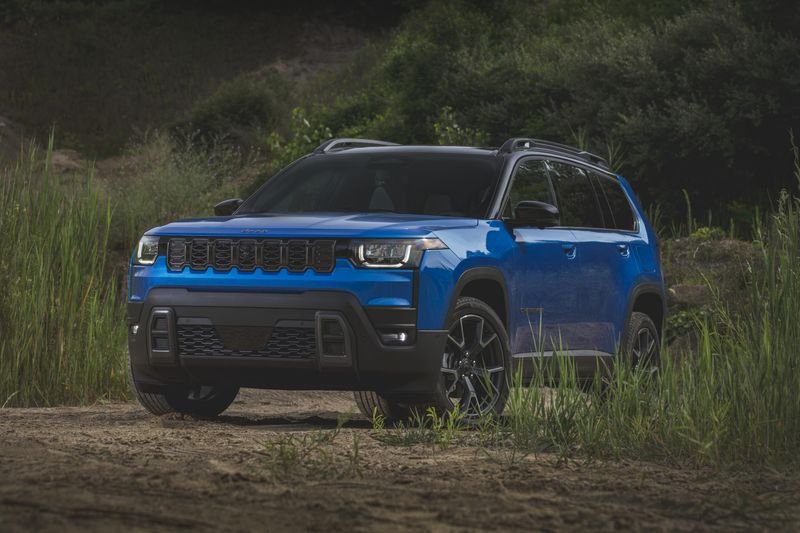
Many drivers buy a Jeep Liberty for its promise of adventure and off-road power. However, using the 4 wheel drive system can be confusing, especially for first-time Jeep owners. Learning how to use all four modes—2WD, Part-Time 4WD, Full-Time 4WD, and 4LO—keeps you safe and protects your vehicle from damage. This guide explains each mode in simple language, with practical tips and real-world examples. You’ll know exactly when and how to use each setting, so your Jeep Liberty works at its best wherever you drive.
Understanding Jeep Liberty 4 Wheel Drive Systems
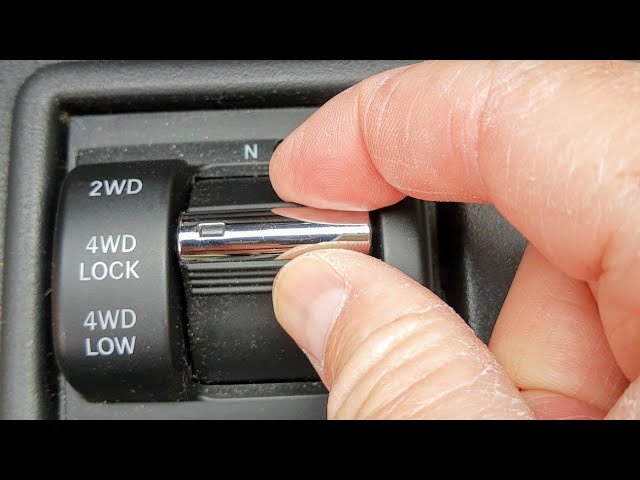
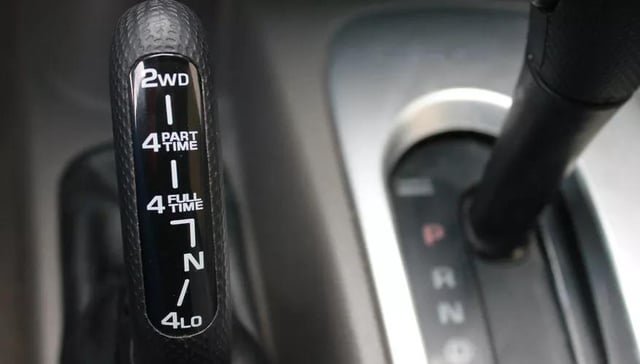
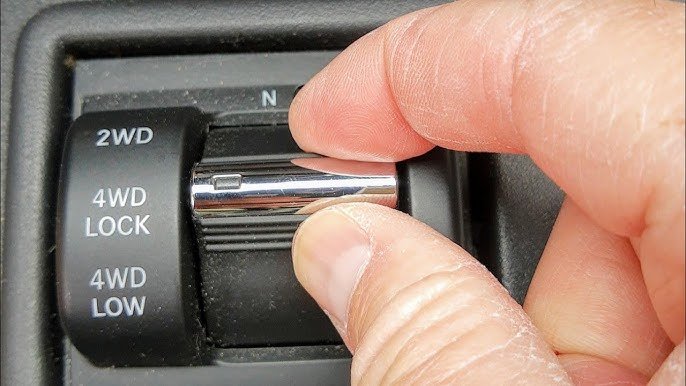
The Jeep Liberty (especially the 2002–2012 models) comes with either the Command-Trac or Selec-Trac system. Both allow you to choose between two-wheel drive (2WD) and several four-wheel drive (4WD) modes. These systems are controlled using a lever or a switch, usually near the center console. Each mode has a specific purpose, and using the wrong mode can lead to costly repairs or unsafe driving.
Let’s look at each of the four main settings and how to use them.
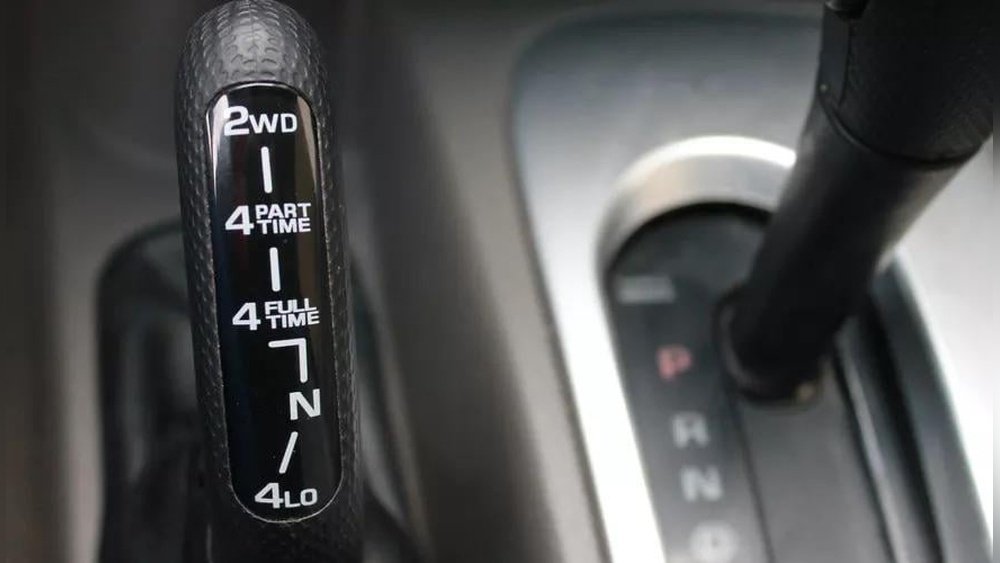
1. 2wd (two-wheel Drive)
In 2WD, only the rear wheels receive power. This is the default setting for most daily driving.
- When to use: Dry pavement, city streets, and highways.
- Benefits: Best fuel economy and less wear on the 4WD system.
How to engage:
Simply make sure the lever or switch is set to 2WD. Most Jeep Libertys are in this mode when you start the car.
Non-obvious insight: Staying in 2WD on dry roads prevents extra strain on your drivetrain. Many new owners believe 4WD is always better, but using it on dry pavement can actually damage the system.
2. Part-time 4wd
Part-Time 4WD sends power to all four wheels, but the front and rear axles spin at the same speed. This is great for slippery or loose surfaces.
- When to use: Snow, mud, sand, or loose gravel.
- How to engage:
- Slow down to under 55 mph.
- Shift the lever from 2WD to Part-Time 4WD while driving straight (no need to stop).
- A dashboard light usually confirms you’re in Part-Time 4WD.
Important note: Never use this mode on dry, hard surfaces. The lack of a center differential means the tires can bind and wear out quickly.
Non-obvious insight: If you hear tire chirping or feel resistance when turning, you may be using Part-Time 4WD on a surface with too much grip. Switch back to 2WD to avoid damage.
3. Full-time 4wd
Full-Time 4WD (if equipped) allows you to drive with all four wheels powered, even on dry pavement, thanks to a center differential.
- When to use: Changing road conditions, wet or icy pavement, and mixed surfaces.
- How to engage:
- Shift from 2WD or Part-Time 4WD to Full-Time 4WD (can usually be done at low speeds).
- A dash light will indicate Full-Time 4WD is active.
Key advantage: You get better stability without the risk of drivetrain binding.
Example: If you’re driving in the city and hit patches of snow and dry pavement, Full-Time 4WD is the safest choice.
4. 4lo (4 Low)
4LO is for tough situations where you need maximum traction and power at very low speeds.
- When to use: Deep mud, steep hills, rocky trails, or deep snow.
- How to engage:
- Stop the vehicle completely.
- Shift the transmission to Neutral.
- Move the 4WD lever to 4LO.
- Return the transmission to Drive or 1st gear.
4LO multiplies the engine’s torque but limits speed. Never use it for normal driving.
Non-obvious insight: Many drivers forget to return the lever to 2WD or 4WD High after leaving rough terrain. Staying in 4LO on regular roads can damage the transmission.
Comparison: 4wd Modes At A Glance
This chart shows when to use each mode:
| Mode | Best For | Speed Range | Surface Type |
|---|---|---|---|
| 2WD | Everyday driving | Any legal speed | Dry pavement |
| Part-Time 4WD | Loose, slippery roads | Below 55 mph | Snow, mud, sand |
| Full-Time 4WD | Mixed conditions | Any legal speed | Wet, icy, variable |
| 4LO | Off-road/steep climbs | Below 25 mph | Deep mud, rocks |
How To Shift Between Modes Safely
Switching between modes is simple, but timing matters. Here’s a quick reference:
| From | To | Vehicle Speed | Extra Steps |
|---|---|---|---|
| 2WD | Part-Time 4WD | Below 55 mph | None |
| Part-Time 4WD | Full-Time 4WD | Below 55 mph | None |
| Any | 4LO | 0 mph (Stopped) | Shift transmission to Neutral |
Tip: If a mode won’t engage, roll the vehicle slowly forward and try again. This helps the gears line up.
Common Mistakes To Avoid
- Using Part-Time 4WD on dry pavement.
- Driving at high speeds in 4LO.
- Forgetting to shift back to 2WD after leaving slippery or rough roads.
- Forcing the lever if it feels stuck—always follow the recommended steps.
Maintenance Tips For Your 4wd System
- Engage all modes at least once a month, even if you don’t need them. This keeps the system lubricated.
- Check for leaks or unusual noises after using 4WD.
- Follow your manual for fluid changes in the transfer case and differentials.
For more technical details, check the official Jeep FAQ page.
Frequently Asked Questions
How Do I Know Which 4wd System My Jeep Liberty Has?
Check your owner’s manual or look near the 4WD lever for labels like Command-Trac or Selec-Trac. The Selec-Trac system offers a Full-Time 4WD mode.
Can I Switch Between 2wd And 4wd While Driving?
Yes, you can shift between 2WD and Part-Time or Full-Time 4WD at speeds below 55 mph. Always drive straight and avoid turning the wheel sharply during the shift.
Is It Bad To Use 4wd All The Time?
Using Part-Time 4WD on dry roads can damage your vehicle. Only use Full-Time 4WD for daily driving if your Jeep is equipped with this mode.
What Should I Do If My 4wd Won’t Engage?
Make sure you’re following the correct steps. If it still won’t engage, stop, shift to Neutral, and try again.
If there’s still a problem, have a mechanic check the system.
How Often Should I Service My Jeep Liberty’s 4wd System?
Change transfer case and differential fluids every 30,000 60,000 miles, or as your manual recommends. Regular maintenance keeps your system reliable.
Driving a Jeep Liberty with 4WD opens up new possibilities, but understanding each mode is essential for safety and performance. With this guide, you’re ready to tackle changing roads and off-road adventures with confidence.