If you own a 4WD Jeep Grand Cherokee, you have a powerful tool for different road and weather conditions. But many drivers do not fully understand how to use the 4WD system correctly. Using it the right way can keep you safe, protect your car, and make driving much more enjoyable. This guide will help you learn how to use your Jeep’s 4WD system, avoid common mistakes, and feel more confident on and off the road.
Understanding Your 4wd System
The Jeep Grand Cherokee comes with different 4WD systems. The most common are Quadra-Trac I, Quadra-Trac II, and Quadra-Drive II. Each system has unique features, but all are designed to improve traction and control.
Here’s a quick comparison of the main Grand Cherokee 4WD systems:
| System | Type | Main Feature |
|---|---|---|
| Quadra-Trac I | Full-time | Automatic power split, no driver input needed |
| Quadra-Trac II | Active 4WD | Low-range for tough conditions, driver selectable |
| Quadra-Drive II | Advanced 4WD | Electronic limited-slip for max grip |
Knowing your system is important, as the way you use it can change. Check your owner’s manual or the badge near the gear shifter to find out which 4WD system you have.
When To Use 4wd Modes
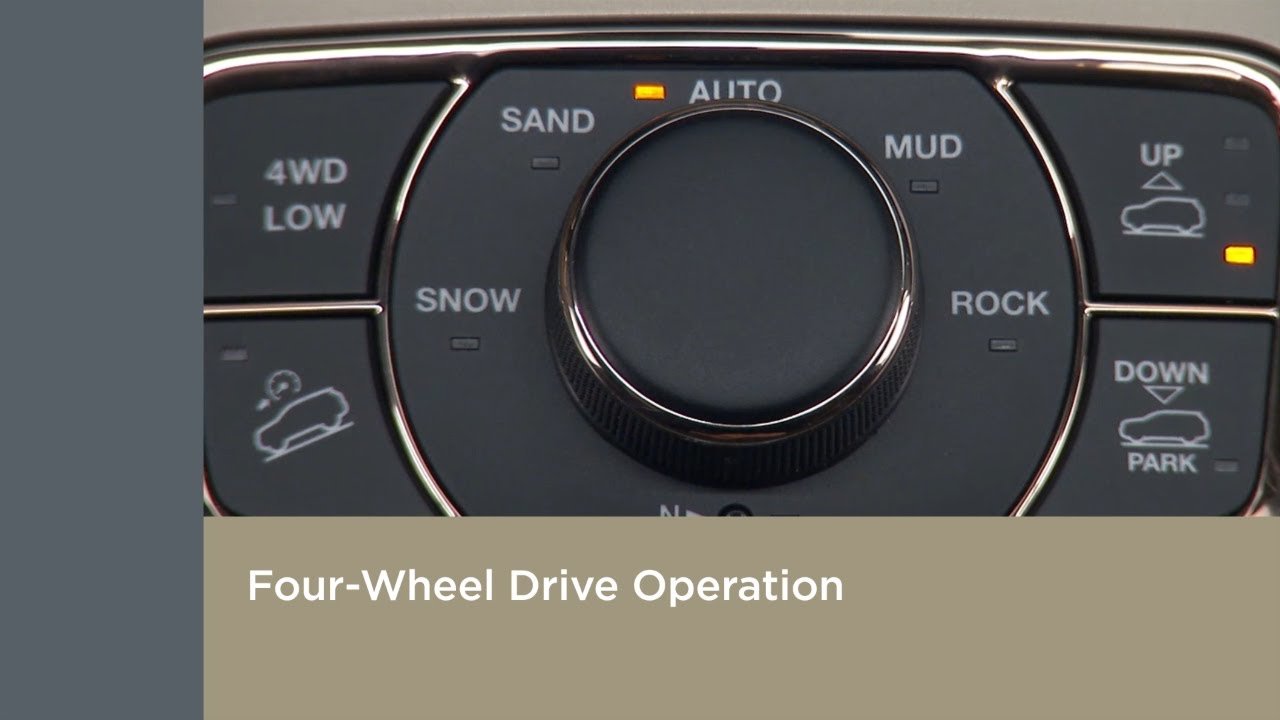
Your Jeep may have several drive modes: 2WD, 4WD Auto, 4WD High, and 4WD Low. Each mode is designed for different situations.
- 2WD: For dry pavement and normal driving. Uses only the rear wheels.
- 4WD Auto: Good for mixed or changing conditions (rain, light snow).
- 4WD High: For slippery roads, mud, sand, or deep snow.
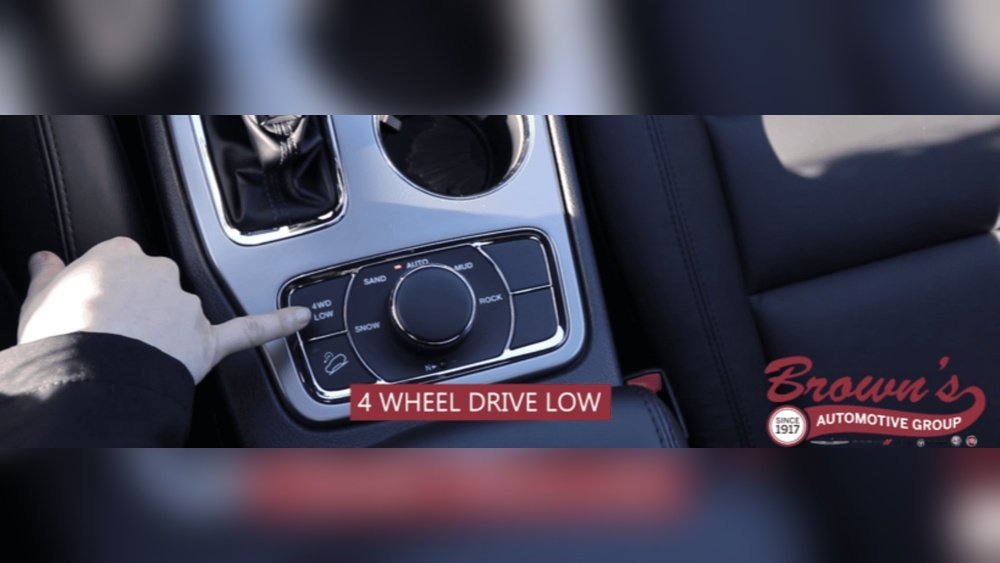
- 4WD Low: For off-road, steep hills, or when you need maximum torque at low speeds.
Here’s a simple table to help you choose the right mode:
| Mode | Best For | Speed Limit |
|---|---|---|
| 2WD | Dry roads | No limit |
| 4WD Auto | Rain, light snow | No limit |
| 4WD High | Deep snow, mud | Below 55 mph |
| 4WD Low | Off-road, steep climbs | Below 25 mph |
Important: Do not use 4WD Low on dry pavement; it can damage the system.
How To Activate 4wd
Switching between modes is simple, but you must do it correctly to avoid damage.
- For 4WD Auto or 4WD High: You can switch while driving at low speed. Make sure your wheels are straight and you’re going below 55 mph.
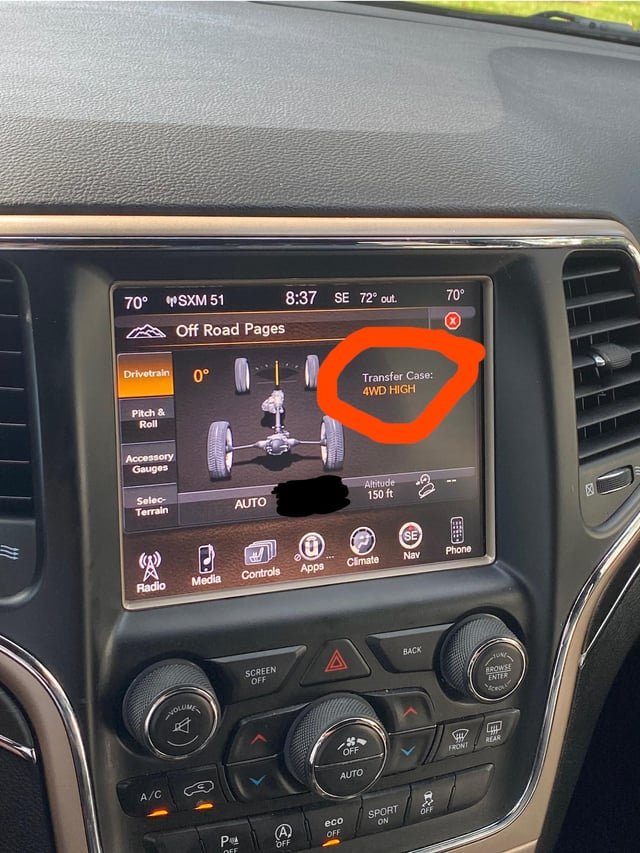
- For 4WD Low: Stop your Jeep. Shift into Neutral, then select 4WD Low. You’ll hear a click or see a message on the dash.
- Return to 2WD: Slow down, switch back, and drive normally.
Not all Grand Cherokees have a 2WD option many use full-time 4WD that changes automatically. Always read your manual if unsure.
Practical Tips For Using 4wd
- Plan ahead: Switch modes before you reach mud, snow, or sand. Waiting too long can get you stuck.
- Keep speed low: In 4WD Low, drive slowly. High speeds can break parts.
- Use gentle steering: Sharp turns on 4WD can strain the system, especially on dry roads.
- Listen to your Jeep: If you hear grinding or feel resistance, stop and check your mode.
- Don’t use 4WD on dry pavement: It can cause tire wear and damage.
Most beginners forget to return to 2WD or Auto mode after leaving slippery roads. This mistake can affect fuel economy and increase wear.
Off-roading With Your Grand Cherokee
The Jeep Grand Cherokee is a strong off-roader, but using 4WD properly is key.
- Assess the terrain: Before going off-road, walk the area if possible. Look for deep holes or large rocks.
- Use 4WD Low for steep hills: It gives more power and control.
- Descend slowly: Let the engine brake for you in 4WD Low. Avoid pressing the brakes hard.
- Don’t panic if you get stuck: Rock the vehicle gently, shifting between Drive and Reverse, to gain traction.
- Lower tire pressure: For sand or snow, dropping the pressure slightly can help grip. Don’t go too low—15–20 psi is usually safe.
A hidden insight: Many drivers forget to disable the traction control when off-roading. Doing this can help in deep mud or sand, allowing the wheels to spin and pull you out.
Common Mistakes And How To Avoid Them
- Switching to 4WD Low while moving: Always stop first. Shifting on the go can damage the transfer case.
- Using 4WD on dry roads: Only use it for slippery or loose surfaces.
- Ignoring warning lights: If a light stays on after switching modes, something may be wrong. Check your manual or visit a service center.
- Not practicing: Try different modes in a safe area before you need them. Confidence comes with experience.
Maintenance Tips
Keeping your 4WD system in good shape is important.
- Check fluid levels: Transfer case and differentials need fluid changes as recommended.
- Inspect tires: All four tires should be the same size and wear. Mismatched tires can confuse the 4WD system.
- Service regularly: Follow the Jeep’s maintenance schedule. A well-maintained system lasts much longer.
One tip many owners miss: After heavy use, especially off-road, wash the underbody to remove mud and salt. This prevents rust and protects sensors.
Frequently Asked Questions
How Do I Know Which 4wd System My Grand Cherokee Has?
Check your owner’s manual or look for a badge near the gear selector. You can also ask your dealer to check your VIN.
Can I Switch To 4wd High While Driving?
Yes, you can switch to 4WD High at speeds up to 55 mph. Make sure the wheels are straight, and avoid shifting on sharp turns.
When Should I Use 4wd Low?
Use 4WD Low only for off-road, very steep hills, or deep snow/mud at low speeds. Never use it on dry pavement.
Does Using 4wd All The Time Damage My Jeep?
No, if your Jeep has full-time 4WD. However, using part-time 4WD on dry roads can cause damage and wear.
Where Can I Learn More About Jeep’s 4wd Systems?
You can find detailed information on the official Jeep Grand Cherokee website.
Driving a 4WD Jeep Grand Cherokee opens many new possibilities. With the right knowledge and practice, you’ll enjoy safer and more fun journeys, whether on the highway or deep in the wilderness.
Remember, the best way to master your 4WD system is to use it often and learn its limits in safe settings.