Owning a 2012 Jeep Grand Cherokee brings adventure and confidence, but understanding how to use its 4 wheel drive system makes a huge difference. Many drivers don’t realize how much control and safety they gain with the right settings. If you want to handle mud, snow, or rocky roads, knowing how to use all four drive modes is essential. This guide breaks down each mode, gives practical tips, and helps you avoid common mistakes. Whether you’re new to Jeep or just want to master your Grand Cherokee, you’ll find everything you need here.
Understanding The 4 Wheel Drive System
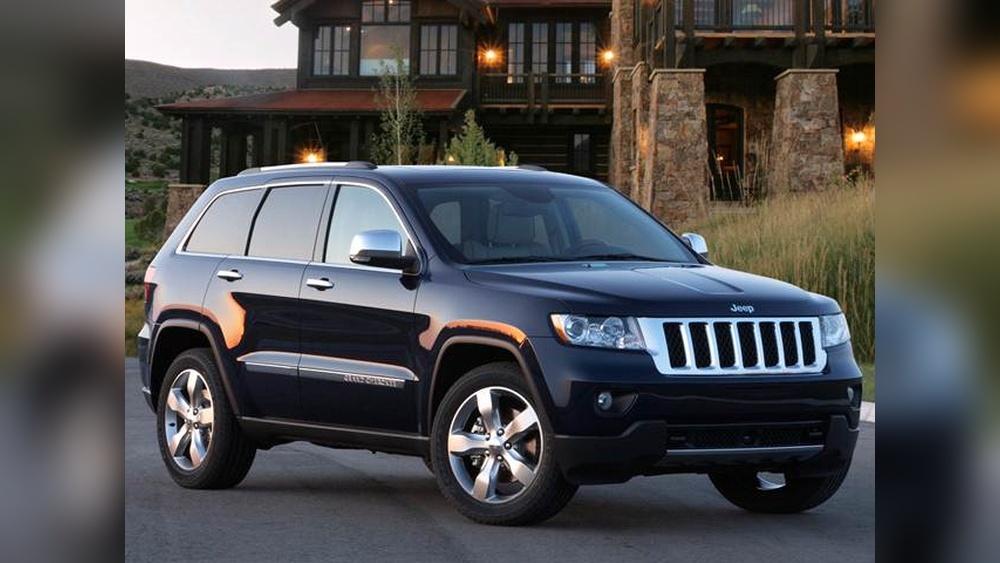
The 2012 Jeep Grand Cherokee offers a sophisticated 4WD system designed for various road and off-road conditions. The main types are Quadra-Trac I, Quadra-Trac II, and Quadra-Drive II. Most Grand Cherokees use either Quadra-Trac II or Quadra-Drive II, which include a Selec-Terrain dial for quick mode selection.
The system automatically senses wheel slip and sends power where it’s needed. This means you get better grip and control without manually shifting gears.
However, using the right mode at the right time is crucial for safety and performance.
The Four Main Drive Modes
The 2012 Jeep Grand Cherokee’s Selec-Terrain system offers four key modes:
- Auto
- Snow
- Sand/Mud
- Rock
Each mode is tuned for specific situations. Let’s look at how and when to use them.
Auto Mode
Auto is the default setting for everyday driving. It adapts to changing conditions, sending power to the wheels with the most grip. This mode is ideal for:
- City streets
- Highways
- Light rain
How to Use Auto Mode:
- Start your Jeep and ensure the Selec-Terrain dial is set to Auto.
- Drive as you normally would. The system will adjust power automatically.
Non-obvious tip: Many drivers think they must switch modes for every slight change in weather. In fact, Auto is highly effective for most situations, even light snow or gravel. Switching modes unnecessarily can reduce comfort and performance.
Snow Mode
Snow mode optimizes the 4WD for slippery surfaces by adjusting throttle sensitivity and power distribution. It helps prevent wheel spin and makes starting and stopping smoother.
When to Use Snow Mode:
- Fresh or packed snow
- Ice-covered roads
- Cold, wet conditions
How to Activate Snow Mode:
- Stop the vehicle or slow to a safe speed.
- Turn the Selec-Terrain dial to Snow.
- Drive gently; avoid sudden acceleration.
Example: If you’re driving in a snowstorm or starting your Jeep after it’s been parked overnight in icy conditions, switch to Snow mode before moving.
Non-obvious tip: Snow mode also helps on wet grass or cold mud. Many overlook this feature when parking at events or in rural areas.
Sand/mud Mode
Sand/Mud mode is built for loose surfaces. It increases wheel spin to help dig through sand or mud and keeps power balanced for traction.
When to Use Sand/Mud Mode:
- Sandy beaches
- Muddy trails
- Loose gravel
How to Activate Sand/Mud Mode:
- Slow down or stop if possible.
- Turn the dial to Sand/Mud.
- Keep a steady speed. Avoid sudden stops or turns.
Example: If you’re driving on a muddy construction site or sandy campgrounds, this mode helps prevent getting stuck.
Non-obvious tip: Sand/Mud mode can help when moving through deep leaves or loose dirt during autumn. It’s not just for extreme terrain.
Rock Mode
Rock mode is designed for slow, technical driving over rocks and uneven surfaces. It uses low-range gearing for maximum torque.
When to Use Rock Mode:
- Off-road trails with rocks or boulders
- Steep inclines or declines
- Rutted paths
How to Activate Rock Mode:
- Stop the vehicle.
- Shift the transmission to Neutral.
- Engage 4WD Low if your Jeep has it.
- Turn the dial to Rock.
- Move slowly and carefully.
Example: When tackling rocky mountain trails or rough paths at off-road parks, Rock mode gives you the control needed to avoid damage.
Non-obvious tip: Many beginners forget to shift to Neutral before engaging 4WD Low. This mistake can cause grinding or failure to engage Rock mode.
Comparing Drive Modes: Performance And Safety
To help you choose the right mode, here’s a comparison of their performance and safety benefits:
| Mode | Best For | Traction Level | Throttle Response | Safety |
|---|---|---|---|---|
| Auto | Everyday, mixed conditions | Balanced | Smooth | High |
| Snow | Snow, ice, wet grass | Maximized | Gentle | Very High |
| Sand/Mud | Loose terrain, mud | Enhanced | Aggressive | Moderate |
| Rock | Rocky, uneven surfaces | Maximum | Precise | High (at slow speed) |
How To Switch Between Modes Safely
Switching between drive modes is simple, but there are important steps to follow:
- Slow down or stop: Changing modes at high speed can cause damage.
- Check the dial: Always turn the Selec-Terrain dial smoothly.
- Engage 4WD Low (for Rock mode): Shift to Neutral first, then press the 4WD Low button.
- Wait for indicator light: The dashboard will show which mode is active.
Common mistake: Many drivers rush the switch or forget to wait for the indicator. This can result in the wrong mode or a loss of traction.
Real-world Examples: Mode Selection
Urban Winter Driving
If you wake up to icy streets, select Snow mode before leaving your driveway. The Jeep will adjust power and throttle to prevent slipping at stop signs and intersections.
Beach Adventure
Heading to a sandy beach? Use Sand/Mud mode as you enter loose terrain. Your Jeep will dig in and keep you moving, even if the sand is deep.
Off-road Trail
On rocky mountain trails, stop and shift to Rock mode. Move slowly over obstacles, letting the Jeep’s low-range gears handle steep climbs and descents.
Everyday Commute
For normal roads, stick with Auto. Let the system do the work, and enjoy a smooth, safe drive.
Maintenance Tips For 4wd System
Proper care keeps your Grand Cherokee’s 4WD system working well. Here are some tips:
- Check fluids regularly: Transfer case and differential fluids are key for smooth operation.
- Inspect for leaks: Look under your Jeep for drips after off-road trips.
- Clean sensors: Mud and sand can block wheel sensors. Clean them after rough rides.
- Use the right tires: All-season or off-road tires improve traction and protect the system.
- Follow the manual: Jeep’s official maintenance schedule prevents costly repairs.
Non-obvious tip: Many owners forget to check wheel sensors after mud or sand. Dirty sensors can cause false warnings or reduce 4WD performance.

4wd System Data: Longevity And Reliability
The 2012 Jeep Grand Cherokee is known for reliability when maintained well. According to industry data, Jeeps with regular 4WD maintenance last over 150,000 miles with minimal issues. However, neglecting fluid changes or driving in the wrong mode increases wear.
| Maintenance Task | Recommended Frequency | Impact on Lifespan |
|---|---|---|
| Fluid Change | Every 30,000 miles | Extends system life by 30% |
| Sensor Cleaning | After off-road use | Prevents faults |
| Tire Rotation | Every 6,000 miles | Reduces uneven wear |
Practical Advisor: Mistakes To Avoid
Even experienced drivers make errors with 4WD. Watch out for these:
- Leaving Sand/Mud mode on paved roads: This stresses the drivetrain and tires.
- Forgetting to shift to Neutral for Rock mode: This prevents proper engagement.
- Switching modes at high speed: Can cause system damage.
- Ignoring warning lights: Always check dashboard alerts.
Expert insight: If you hear grinding noises or feel jerky movement after changing modes, stop and check the manual. Driving with a mis-engaged mode risks expensive repairs.
Comparing Jeep 4wd To Other Brands
Many SUVs offer 4WD, but Jeep’s Selec-Terrain system is unique for ease of use and adaptability. Here’s a quick comparison:
| Brand | Mode Selection | Automatic Adjustment | Off-Road Capability |
|---|---|---|---|
| Jeep Grand Cherokee | Dial (Selec-Terrain) | Yes | High |
| Toyota 4Runner | Manual lever | No | Medium-High |
| Ford Explorer | Button | Limited | Medium |
| Chevrolet Tahoe | Switch | Some | Medium |
Jeep’s system stands out for quick mode changes and automatic response to wheel slip. This makes it ideal for drivers who need both comfort and off-road power.
Advanced Tips For Experienced Drivers
If you want to push your Grand Cherokee’s limits, try these tips:
- Pre-select modes: Set the right mode before entering tough terrain.
- Use manual shifting: In Rock mode, shift manually for better control.
- Monitor tire pressure: Low pressure improves grip in sand, but reset after driving.
- Test modes regularly: Practice switching modes in safe conditions to build confidence.
Non-obvious insight: Testing modes in a parking lot or empty field helps you understand how your Jeep responds before facing real challenges.

What Happens If I Use The Wrong Mode?
Using the wrong mode can reduce traction or damage your 4WD system. For example, Sand/Mud on pavement causes tire wear, while Auto in deep mud can lead to getting stuck.
Can I Switch Modes While Driving?
You can switch between Auto, Snow, and Sand/Mud at low speeds. For Rock mode, you must stop, shift to Neutral, and engage 4WD Low.
How Do I Know If 4wd Is Working?
Watch for dashboard indicator lights. If a mode is active, the light stays on.
If you hear strange noises or see warning symbols, check the manual or visit a mechanic.
Is Jeep’s 4wd Better Than Other Brands?
Jeep’s Selec-Terrain system offers quick mode changes and automatic traction adjustment. Compared to manual systems (like Toyota), it’s more user-friendly for beginners and provides strong off-road capability. For more details, visit the Jeep official site.
How Often Should I Service The 4wd System?
Follow Jeep’s schedule: change fluids every 30,000 miles, clean sensors after off-road use, and inspect tires regularly. This keeps the system reliable for years.
Mastering the 4 wheel drive Jeep Grand Cherokee 2012 gives you confidence in any situation. By understanding each mode, following best practices, and maintaining your vehicle, you unlock the true power of your Jeep. Whether you face snow, mud, rocks, or daily roads, your Grand Cherokee is ready—if you are, too.