Driving a Jeep Wrangler is exciting, especially when you want to explore rough terrain or tackle tricky road conditions. One special feature of this vehicle is its 4 wheel drive (4WD) system. Many beginners ask, “How do I use 4 wheel drive in my Jeep Wrangler?” Knowing when and how to use each 4WD mode is essential for safety, performance, and protecting your vehicle. Let’s break down the steps, the different modes, and offer practical advice for confident driving.
Understanding Jeep Wrangler 4wd Modes
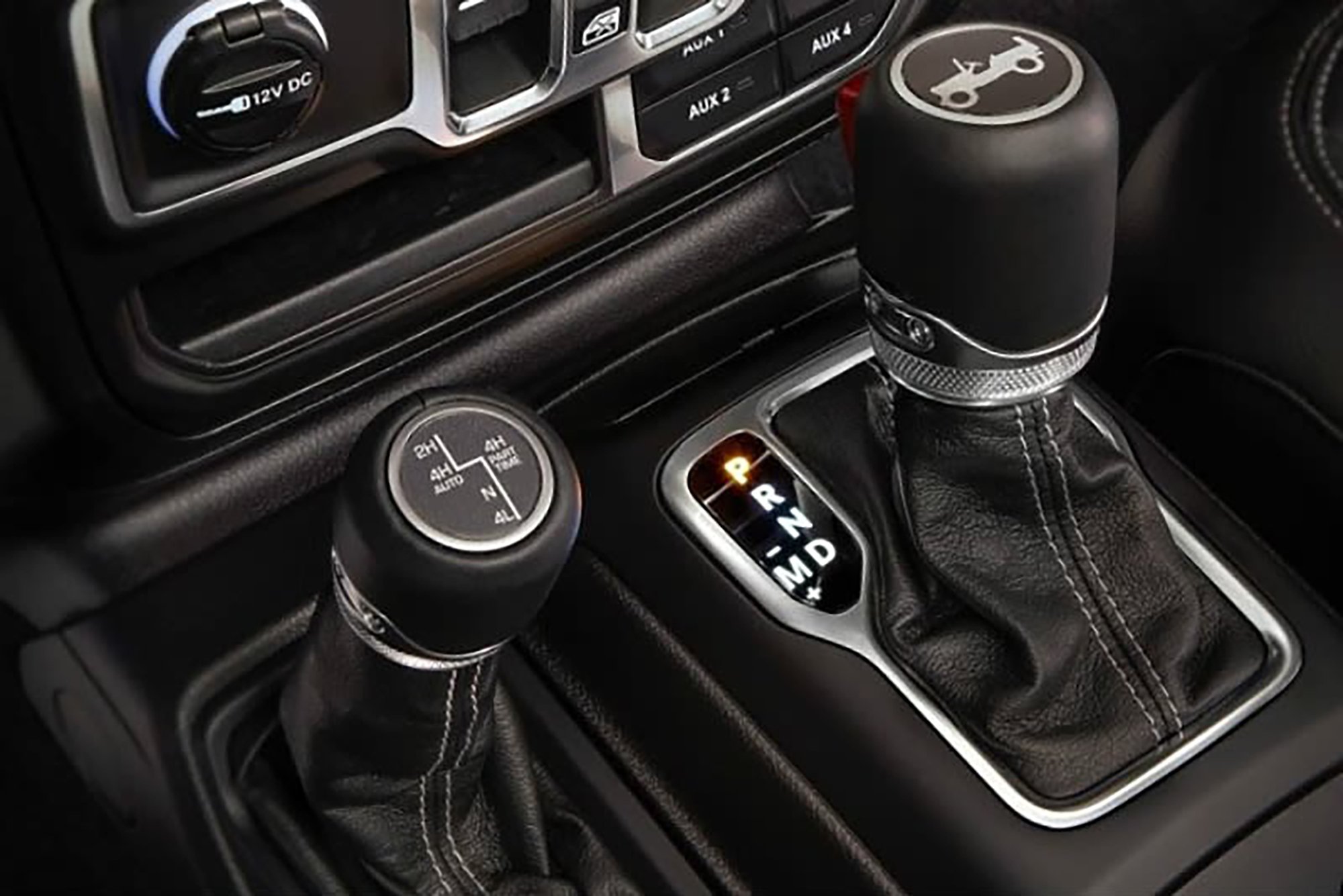
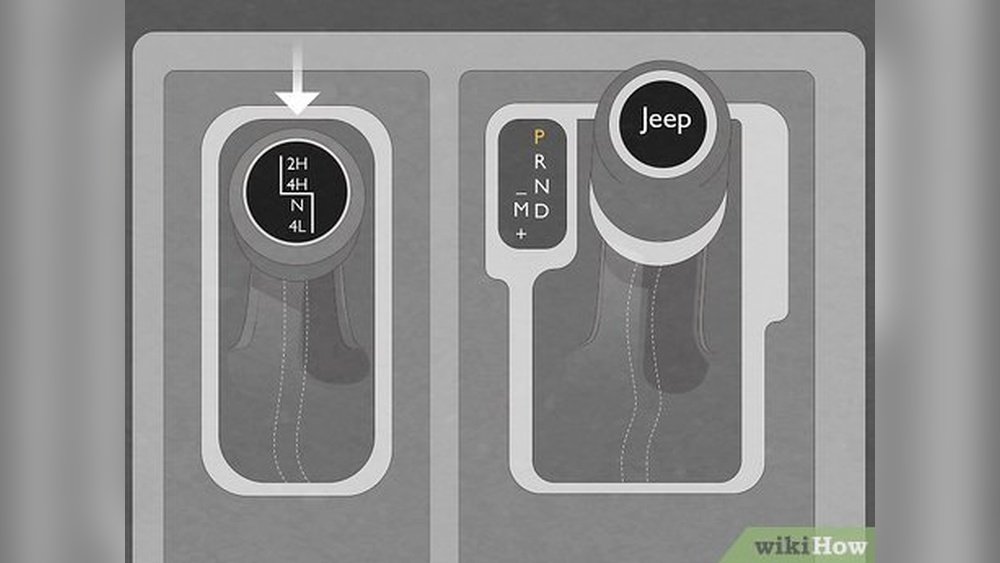
Jeep Wrangler 4WD systems usually have four main modes. Each mode is designed for specific situations:
- 2H (Two High)
- 4H (Four High)
- 4L (Four Low)
- Neutral
Let’s look at each mode and when to use it.
1. 2h (two High)
2H is the default setting for everyday driving. In this mode, only the rear wheels receive power. This is perfect for dry pavement and regular roads. Using 2H saves fuel and reduces wear on the 4WD system.
How to use:
- Keep the transfer case lever in 2H for city driving or highways.
- Do not use other modes unless you need extra traction.
Common mistake:
Many new drivers think 4WD should be used all the time. This is incorrect.
Using 4WD on dry, smooth roads can damage the system and increase tire wear.
2. 4h (four High)
4H is for situations where you need extra traction but not extreme power. This includes wet roads, snow, mud, or gravel.
How to shift:
- You can switch from 2H to 4H while driving (up to 55 mph), but always let off the accelerator.
- Move the transfer case lever smoothly from 2H to 4H.
When to use:
- Rainy days
- Light off-roading
- Snowy streets
Example:
Imagine driving through a muddy path after rain. Switching to 4H helps all four wheels grip the ground, preventing slipping.
3. 4l (four Low)
4L is for the toughest conditions. This mode gives maximum torque and slow speed control. Use 4L when climbing steep hills, crossing deep sand, rock crawling, or getting out of thick mud.
How to shift:
- Stop your Jeep completely.
- Shift transmission to neutral (N).
- Firmly move the transfer case lever from 4H to 4L.
- Shift back to drive or first gear.
Important tip:
Never shift to 4L while moving. This can seriously damage the transfer case.
When to use:
- Off-road trails with big rocks
- Deep sand beaches
- Snow drifts
- Extreme mud
Data:
In 4L, the Jeep’s speed is reduced, but power to the wheels increases. This helps maintain control and prevents getting stuck.
4. Neutral
The Neutral position disconnects the transmission from the wheels. This mode is mainly used when towing the Jeep.
How to use:
- Only use Neutral when the Jeep needs to be towed with all four wheels on the ground.
Warning:
Never use Neutral while driving. The vehicle will not move or respond to acceleration.
How To Use Each 4wd Mode Safely
Using 4WD is simple, but there are important steps:
- Read your owner’s manual. Each Jeep Wrangler model may have unique instructions.
- Check your speed. Only shift between 2H and 4H when driving slowly (under 55 mph).
- Stop completely for 4L. Always shift into 4L when the vehicle is stopped.
- Avoid using 4WD on dry pavement. This can cause binding and damage.
- Listen for strange sounds. If you hear grinding or feel resistance, stop and check the system.

Real-world Examples
If you’re new to 4WD, here are two situations:
- Snowy commute: Start in 2H. If the road gets slippery, shift to 4H. You’ll notice better grip and safer handling.
- Mountain trail: Begin in 2H, switch to 4H on loose gravel, and use 4L for steep climbs or sharp turns.
Comparison Tables
To help you see the differences, here are two tables:
| Mode | Best For | Speed Range | How To Shift |
|---|---|---|---|
| 2H | Normal roads | Any speed | Default |
| 4H | Slippery surfaces | Up to 55 mph | On-the-fly |
| 4L | Extreme off-roading | Low speed only | Stop, shift to Neutral |
| Neutral | Towing | Not for driving | Stop, shift to Neutral |
Compare 2H and 4WD modes:
| Feature | 2H | 4H | 4L |
|---|---|---|---|
| Fuel Efficiency | High | Medium | Low |
| Traction | Normal | Improved | Maximum |
| Speed | Any | Moderate | Slow |
| Use Case | Everyday driving | Rain, snow, mud | Off-road, towing |

Two Common Beginner Mistakes
1. Leaving 4wd On Too Long:
Some drivers forget to switch back to 2H after the road is clear. This can cause extra wear and waste fuel.
2. Shifting At Wrong Speeds:
Trying to switch to 4L while moving is a frequent error. Always stop and shift to neutral first.
Jeep Wrangler 4wd Maintenance Tips
- Check fluids regularly in the transfer case.
- Inspect tires for even wear.
- Test 4WD modes monthly, even if you don’t use them often.
Neglecting these steps can lead to expensive repairs.
Why Proper 4wd Use Matters
Using the right mode at the right time keeps you safe and extends your Jeep’s life. It also improves fuel efficiency and prevents damage. Experienced drivers know that confidence comes from understanding your vehicle’s limits. If you’re unsure, practice in a safe area before heading into tough conditions.
For deeper technical details, visit the official Jeep Wrangler page: Jeep Official Site.
Frequently Asked Questions
How Do I Know If 4wd Is Engaged?
Most Jeeps have a dashboard light showing which mode you’re in. Listen for changes in engine sound and feel extra grip.
Can I Switch From 2h To 4h While Driving?
Yes, as long as you’re below 55 mph. Let off the gas and shift smoothly.
Is It Bad To Use 4wd On Dry Pavement?
Yes, it can cause drivetrain binding and damage. Only use 4WD when the road is slippery or rough.
What Happens If I Shift To 4l While Moving?
You risk damaging the transfer case. Always stop fully and shift to neutral first.
How Often Should I Check My 4wd System?
Check monthly, even if you don’t use it often. Inspect fluids and test all modes.
Mastering 4WD in your Jeep Wrangler takes practice, but with these tips, you’ll be ready for any adventure. Understanding each mode, knowing when to use it, and caring for your system will keep your Jeep running strong for years to come.