Getting behind the wheel of a Jeep brings a sense of adventure. But for many drivers, the 4 wheel drive system can feel confusing. Used correctly, it keeps you safe on rough roads, sand, snow, or mud. Used the wrong way, it can damage your Jeep or leave you stuck. Understanding how to use 4 wheel drive in a Jeep is important for both new and experienced owners. In this guide, you’ll learn exactly when and how to use all four 4WD modes, what makes each one unique, and how to avoid common mistakes.
Jeep 4 Wheel Drive Modes Explained
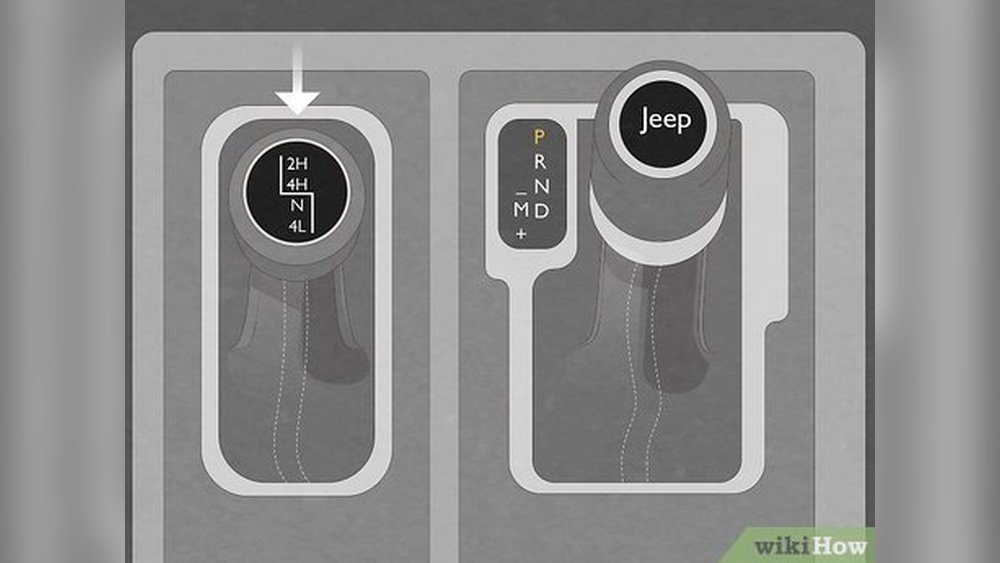
Most Jeep models, like the Wrangler, Gladiator, and Cherokee, offer four main 4WD options:
- 2H (Two Wheel Drive High)
- 4H (Four Wheel Drive High)
- N (Neutral)
- 4L (Four Wheel Drive Low)
Each mode is designed for specific situations. Using the right mode means better traction, control, and safety.
Quick Comparison Of 4wd Modes
Below is a table comparing the four modes and when to use them.
| Mode | Wheels Powered | Best For | Max Speed |
|---|---|---|---|
| 2H | Rear | Normal roads | Highway speeds |
| 4H | All | Snow, mud, sand | Up to 55 mph |
| N | None | Towing | 0 mph (vehicle off) |
| 4L | All | Steep, rocky, deep mud | Below 25 mph |
How To Use Each Jeep 4 Wheel Drive Mode
1. 2h (two Wheel Drive High)
Most of the time, 2H is all you need. Power goes to the rear wheels, giving better fuel economy and smooth handling on dry pavement.
How to engage:
Just leave your Jeep in 2H for daily driving. If you have a manual lever, it usually sits in the 2H position by default.
When to use:
- Dry, paved roads
- Everyday city or highway driving
Common mistake:
Some drivers use 4H on dry roads, thinking it’s safer. This can cause extra wear on the 4WD system.
2. 4h (four Wheel Drive High)
Switch to 4H when conditions get slippery but you still need to travel at regular speeds. In this mode, power is split between all four wheels.
How to engage:
Slow down (under 55 mph). Shift from 2H to 4H while moving.
In most Jeeps, you don’t need to stop or use neutral.
When to use:
- Snowy or icy roads
- Rain-soaked, muddy, or gravel surfaces
- Light off-roading
Example:
If you’re climbing a snowy hill, 4H keeps your Jeep from spinning out.
Common mistake:
Leaving it in 4H after returning to dry pavement. This increases tire wear and can stress the drivetrain.
3. N (neutral)
The Neutral position disconnects the wheels from the transmission. It is not for regular driving.
How to engage:
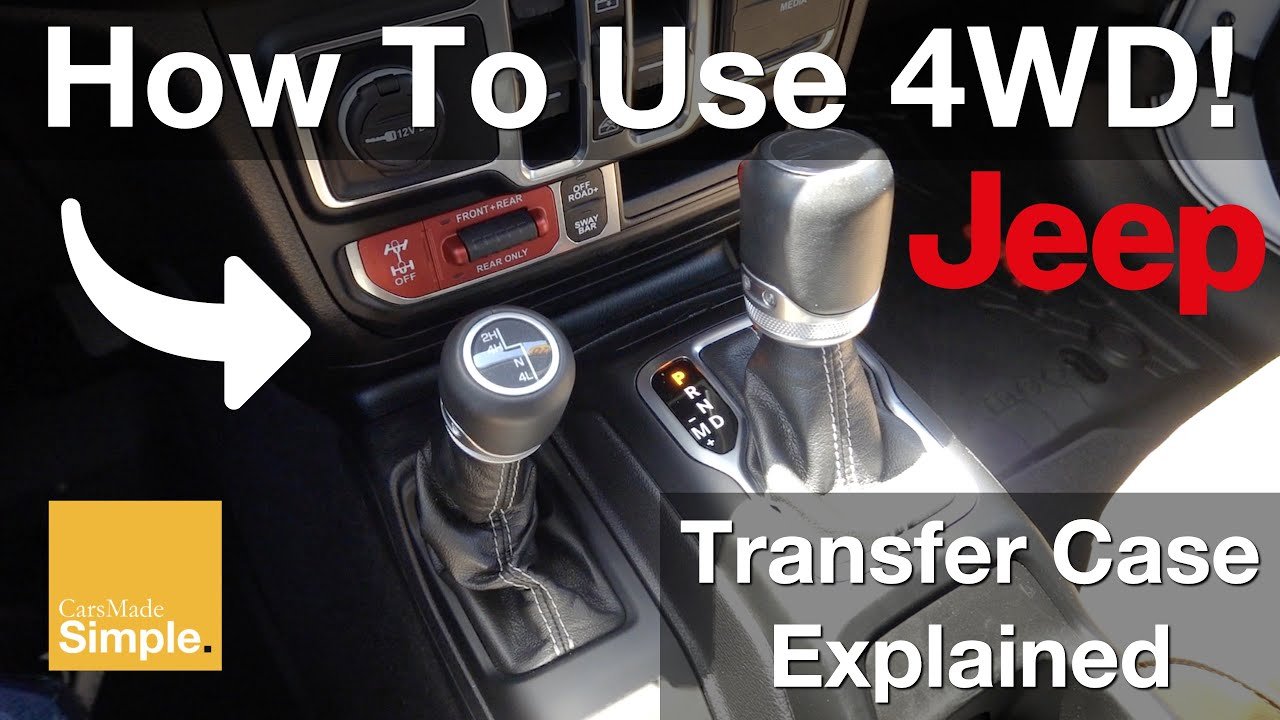
Stop the Jeep, shift into neutral on your main gear shifter, then move the 4WD lever to N. Always follow your owner’s manual.
When to use:
- Towing your Jeep with all four wheels on the ground (flat towing)
- Certain off-road winching situations
Key insight:
Neutral is not the same as “park. ” If you leave it in N, the Jeep can roll freely.
4. 4l (four Wheel Drive Low)
4L is for slow, tough situations. It multiplies engine torque, helping you crawl over rocks, deep mud, or steep hills.
How to engage:
Come to a complete stop. Shift your transmission to neutral.
Firmly move the 4WD lever into 4L. You’ll feel a clunk as it engages.
When to use:
- Rock crawling
- Deep snow or sand
- Climbing or descending very steep slopes
- Getting unstuck from mud
Speed tip:
Never drive faster than 25 mph in 4L. It’s for slow maneuvering only.
When And Why To Switch 4wd Modes
Switching modes at the right time makes a big difference in safety and performance. Here’s a visual breakdown of when to use each mode:
| Scenario | Best Mode |
|---|---|
| Dry highway driving | 2H |
| Rain or light snow | 4H |
| Deep mud or sand | 4L |
| Towing behind an RV | N |
Practical Tips For Using Jeep 4wd
- Practice in a safe area. Try switching between modes in a parking lot to get used to the feel.
- Do not use 4H or 4L on dry pavement. This can cause “driveline binding” and damage your Jeep.
- Shift smoothly. Don’t force the lever; if it’s stuck, roll the Jeep slightly forward or back.
- Listen for noises. Grinding or clunking can mean you’re not fully engaged.
- Understand your Jeep. Different models (like Rubicon vs. Sport) may have extra features like locking differentials.
Common Misunderstandings
Many beginners believe that 4WD is “set and forget.” In reality, you should switch modes as road conditions change. Also, 4WD does not help you stop faster on slippery roads—it only helps you keep moving.
Another thing new Jeep owners miss: Tire pressure matters. Lowering tire pressure helps in sand or snow, but always return to normal for the highway.
For more on Jeep technology, see the official Jeep 4×4 Systems page.
Frequently Asked Questions
How Fast Can I Drive In 4h?
In most Jeeps, you can drive up to 55 mph in 4H. However, always check your owner’s manual. Driving too fast in 4H can overheat the transfer case.
Can I Switch To 4h While Driving?
Yes, you can shift from 2H to 4H while moving, as long as you are below about 55 mph. For 4L, you must stop first.
What Happens If I Use 4l On Pavement?
Driving in 4L on dry pavement can damage your Jeep’s drivetrain. Only use 4L on loose, slippery, or uneven terrain.
Is 4 Wheel Drive The Same As All Wheel Drive?
No. 4 wheel drive (4WD) is for tough off-road conditions and can be manually selected. All wheel drive (AWD) works automatically and is meant for light off-road or bad weather.
Do I Need To Use 4wd Every Month?
It’s a good idea to engage 4WD once a month, even if you don’t need it. This keeps the system lubricated and working smoothly.
Owning a Jeep means knowing your vehicle’s strengths. Understanding and using your 4WD system correctly makes every trip safer and a lot more fun.
With the tips above, you’ll be ready for whatever the road (or trail) throws your way.



















