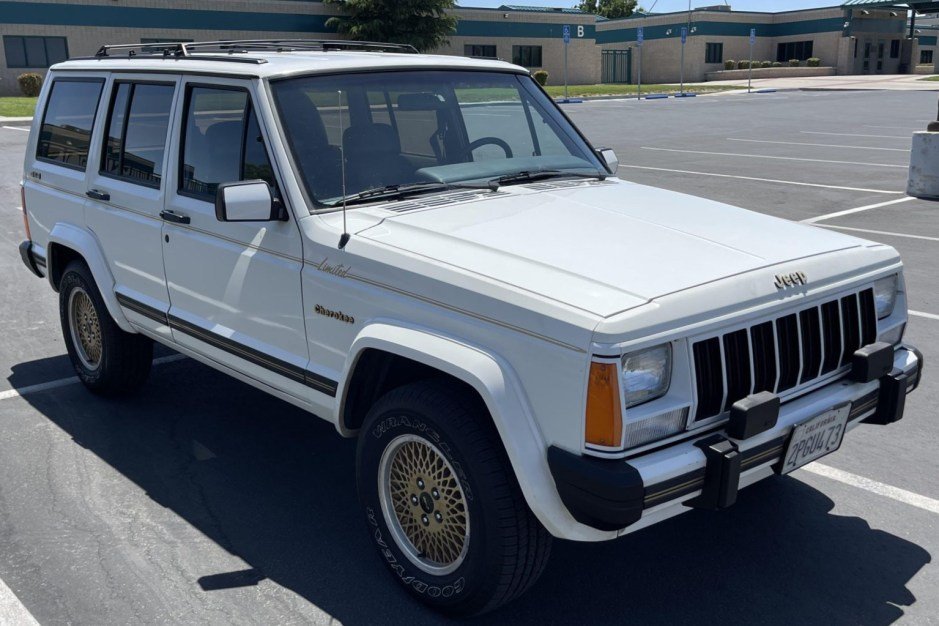
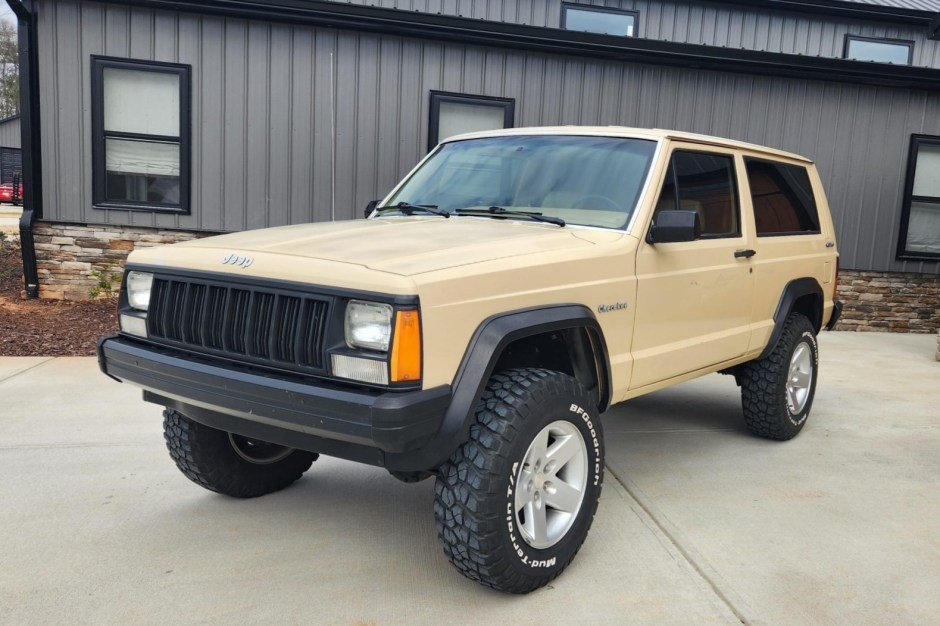
If you own a 1989 Jeep Cherokee, you probably love its rugged design and off-road ability. One of the Cherokee’s best features is its 4 wheel drive system.
But using 4WD in an older vehicle like this isn’t always simple. Many drivers are unsure when to use each mode, how to switch safely, and what each setting actually does.
If you want your Jeep to perform at its best—and avoid costly mistakes—learning how to use 4 wheel drive correctly is essential.
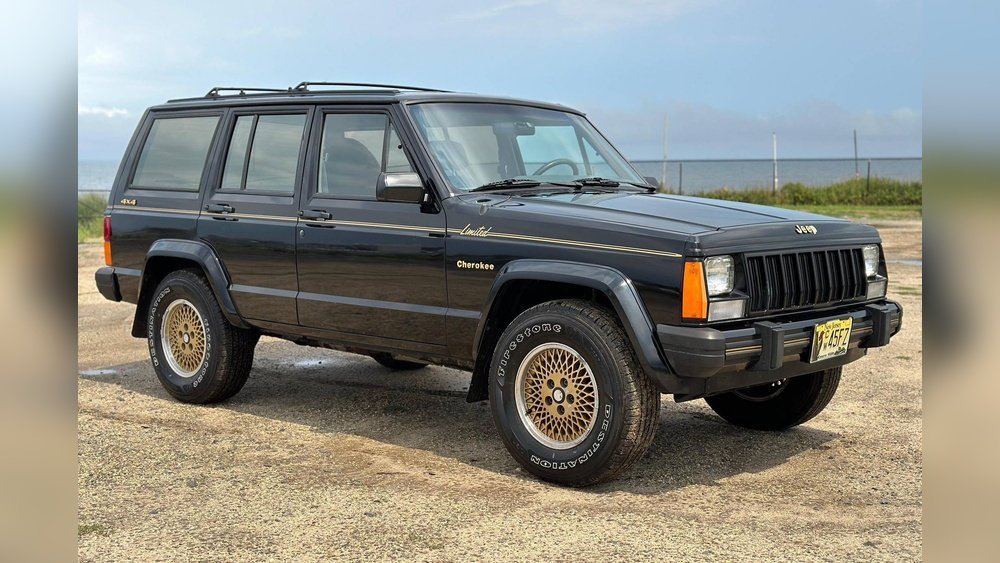
This guide explains, step by step, how to use 4WD in the 1989 Jeep Cherokee. You’ll discover what makes this vehicle’s system unique, how each mode works, and practical tips for smooth operation.
We’ll also look at real-world scenarios, common problems, and expert advice that even experienced drivers sometimes overlook.
Understanding The 1989 Jeep Cherokee 4wd System
The 1989 Jeep Cherokee comes with two main 4WD systems: Command-Trac (part-time) and Selec-Trac (full-time). Both are designed for different driving conditions and needs. Before you use 4WD, know which system your Jeep has. Most Cherokees from this year used Command-Trac, but Selec-Trac was also an option.
Command-trac Vs. Selec-trac
Command-Trac is a part-time 4WD system. It’s strong, simple, and reliable—but not for use on dry pavement. Selec-Trac offers both part-time and full-time 4WD options, making it more flexible.
Here’s a quick side-by-side comparison:
| Feature | Command-Trac | Selec-Trac |
|---|---|---|
| 4WD Modes | 2H, 4H, 4L | 2H, 4H Part-Time, 4H Full-Time, 4L |
| Drive on Dry Pavement | No | Yes (in 4H Full-Time) |
| Transfer Case | NP231 | NP242 |
| Best For | Off-Road, Slippery Roads | Mixed Conditions |
Knowing your system is the first step to using 4WD correctly. If you’re unsure, check your owner’s manual or the label near your transfer case shifter.
The Four 4wd Modes Explained
Your 1989 Jeep Cherokee’s 4WD has four main modes. Each mode serves a different purpose and is used in specific situations.
1. 2h (two-wheel Drive High)
2H is the default mode for normal driving. In this setting, power goes only to the rear wheels. This gives you good fuel efficiency and a smooth ride on dry, paved roads. Most drivers keep their Cherokee in 2H for daily use.
When to use 2H:
- Dry pavement
- Highways and city streets
- Any time extra traction is not needed
2. 4h (four-wheel Drive High)
4H splits power between the front and rear wheels. It gives extra traction for slippery or loose surfaces like gravel, mud, snow, or wet grass. In Command-Trac, 4H is part-time—use it only when roads are slippery. In Selec-Trac, 4H can be part-time or full-time.
When to use 4H:
- Snowy or icy roads
- Muddy or sandy trails
- Off-road surfaces
Caution: Using part-time 4H on dry roads can damage your drivetrain.
3. 4l (four-wheel Drive Low)
4L is for maximum traction and torque at low speeds. It’s ideal for steep hills, deep mud, or rocky terrain. In 4L, your Cherokee moves slowly but with more pulling power.
When to use 4L:
- Climbing or descending steep hills
- Deep mud, sand, or snow
- Rock crawling
Do not use 4L for normal driving it’s only for tough, slow conditions.
4. 4h Full-time (selec-trac Only)
If you have Selec-Trac, there’s a 4H Full-Time mode. This lets you use 4WD on any surface, even dry pavement, because it includes a center differential. It’s useful when road conditions change often, like during rain or when patches of snow alternate with clear pavement.
When to use 4H Full-Time:
- Mixed road conditions
- Changing weather
- Long highway drives with some slippery spots
How To Shift Between 4wd Modes
Switching modes in the 1989 Jeep Cherokee isn’t hard, but you need to do it correctly to avoid damage.
Shifting From 2h To 4h (and Back)
- Speed: You can shift between 2H and 4H while driving up to about 55 mph (88 km/h).
- How: Take your foot off the gas, move the transfer case lever smoothly, and then gently accelerate. If the lever feels stuck, shift the transmission into Neutral (N), then try again.
- Tip: If your wheels are spinning, let off the gas before shifting to 4H.
Shifting To 4l
- Stop completely before shifting to 4L.
- Place the transmission in Neutral (N).
- Firmly pull the transfer case lever into 4L.
- Put the transmission back in Drive (or 1st gear for manual) and move slowly.
Never shift into or out of 4L while moving. This can seriously damage your transfer case.
For Selec-trac: Using 4h Full-time
- Shifting: You can go from 2H to 4H Full-Time while moving, but for best results, do it below 55 mph.
- If stuck: If the lever resists, stop the vehicle, shift to Neutral, and then move the lever.
Real-world Scenarios And How To Choose The Right Mode
Let’s see how these modes work in everyday driving:
- Dry highway driving: Use 2H.
- Snow-covered streets: Shift to 4H (part-time or full-time if you have Selec-Trac).
- Off-road trail with rocks and mud: Use 4H for most of the trail, but shift to 4L for very steep or rough sections.
- Rainy day with mixed pavement: If you have Selec-Trac, 4H Full-Time is ideal. If not, stay in 2H unless roads are truly slippery.
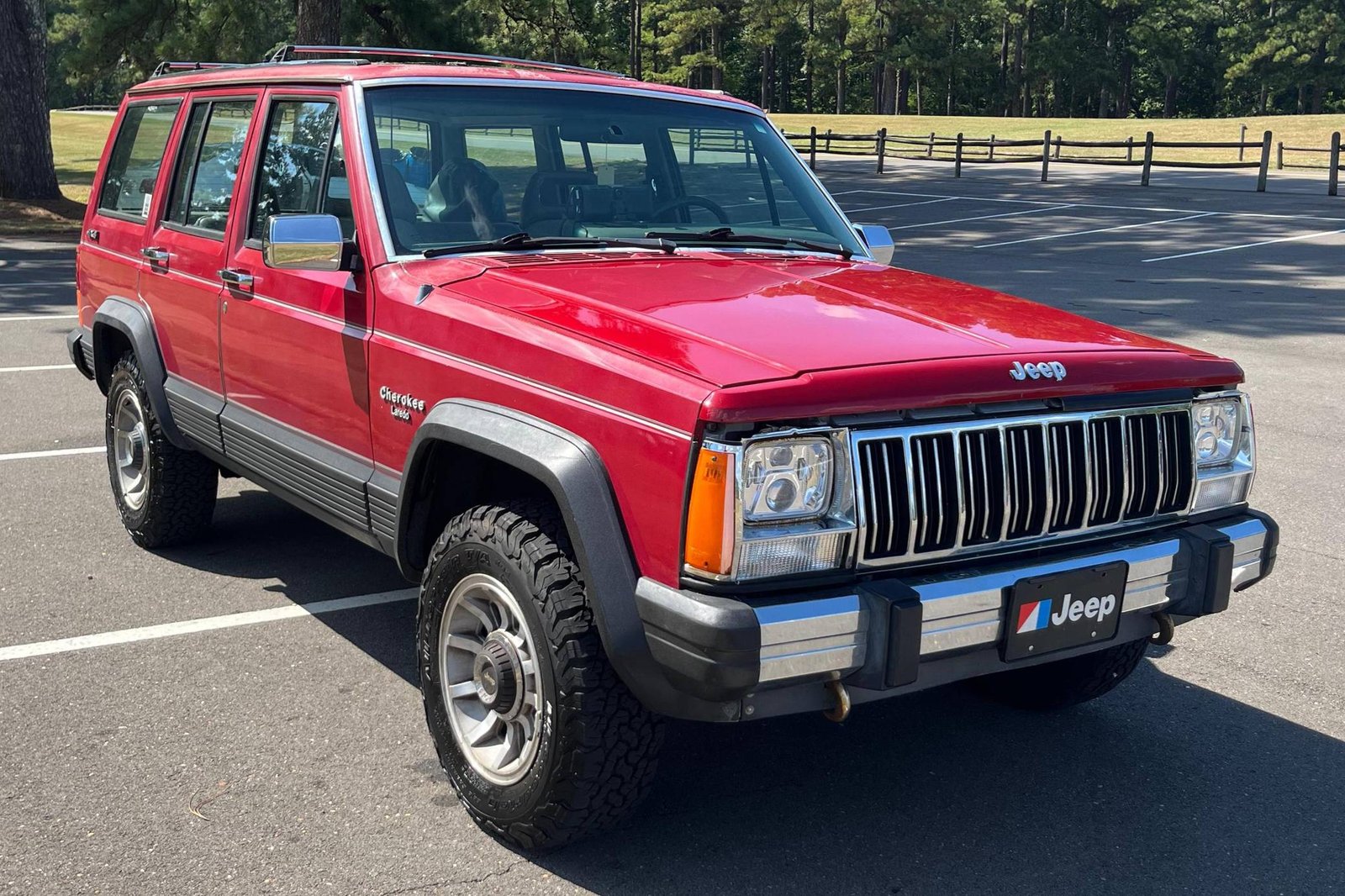
Many drivers make the mistake of using 4H on dry roads, thinking it gives “extra safety.” But in part-time 4WD, this can lead to drivetrain binding or even break your transfer case.
Common Mistakes And How To Avoid Them
Beginner drivers often do one of these:
- Using 4H on dry pavement: This can cause binding, noise, or mechanical failure.
- Shifting to 4L while moving: Always stop first!
- Forgetting to shift back to 2H after conditions improve: This wastes gas and wears out parts.
Insight: If you hear “popping” or “clunking” sounds when turning in 4H, switch back to 2H as soon as possible. This is a warning sign of drivetrain stress.
Another mistake is not engaging 4WD enough. If you rarely use 4H or 4L, the internal parts can get sticky or seize up. Engage your 4WD system a few times each year, even if only for a short drive on loose ground.
Maintenance Tips For Reliable 4wd Operation
A well-maintained 4WD system lasts longer and works better. Here’s how to keep yours in top shape:
- Check transfer case fluid: Low or dirty fluid causes hard shifting and extra wear. Change it every 30,000 miles or as needed.
- Listen for unusual noises: Grinding or whining from under the car means something needs attention.
- Inspect driveshafts and U-joints: Grease them regularly and replace if worn.
- Test 4WD system regularly: Engage all modes at least twice a year to keep parts moving.
- Look for leaks: The transfer case and axles should be dry. Oil stains mean you need a fix.
Expert tip: After off-roading in mud or deep water, check all fluids and clean the underside of your Jeep. Dirt can damage seals and cause leaks.
Troubleshooting: What If 4wd Won’t Engage?
Sometimes, 4WD won’t engage or disengage as it should. Here are common reasons:
- Linkage is out of adjustment: The lever may not fully move the transfer case. Adjust or lubricate as needed.
- Vacuum lines (Selec-Trac): Old vacuum lines can crack or leak, preventing engagement.
- Transfer case fluid low or dirty: This makes shifting hard.
- Internal damage: If 4WD makes grinding noises or won’t move, get a mechanic to inspect.
If you’re stuck in a mode, try rolling the Jeep forward or backward a few feet while gently moving the lever. Sometimes the gears just need to line up.
4wd Mode Performance Comparison
Let’s compare how each mode performs in different driving conditions:
| Mode | Pavement | Snow/Ice | Mud/Sand | Steep Hills |
|---|---|---|---|---|
| 2H | Excellent | Poor | Poor | Poor |
| 4H (Part-Time) | Bad | Good | Good | Fair |
| 4H (Full-Time) | Good | Good | Fair | Fair |
| 4L | Bad | Excellent | Excellent | Excellent |
Practical Tips For Safe And Smooth 4wd Use
- Shift at the right speed: Only shift between 2H and 4H below 55 mph.
- Keep tires matched: All four tires should have the same size and tread for proper 4WD operation.
- Practice before you need it: Try shifting modes in a safe area before you get stuck for real.
- Don’t forget to disengage: Once you’re back on dry pavement, return to 2H.
- Check your owner’s manual: Your Jeep may have specific instructions or warnings.
Non-obvious insight: 4WD helps you move, but it does not help you stop. In snow or ice, keep your distance and brake gently, even in 4WD.
Another tip: If you drive off-road often, consider installing tow hooks. If you get stuck, recovery is much easier.
Quick Reference: How To Use Each Mode
Here’s a summary for quick decisions:
| Situation | Recommended Mode |
|---|---|
| Dry pavement | 2H |
| Snow/Ice | 4H (Part-Time/Full-Time) |
| Mud/Sand | 4H or 4L |
| Steep hills | 4L |
| Mixed weather | 4H Full-Time (Selec-Trac) |
Frequently Asked Questions
How Do I Know If My 1989 Jeep Cherokee Has Selec-trac Or Command-trac?
Check the transfer case shifter or your owner’s manual. If your 4WD lever has a 4H Full-Time setting, you have Selec-Trac (NP242). If not, it’s likely Command-Trac (NP231).
Is It Safe To Use 4wd On The Highway?
Yes, but only with Selec-Trac in 4H Full-Time. Do not use part-time 4H on dry highways—it can damage your drivetrain. Only use 4H (part-time) on slippery roads or loose surfaces.
Why Does My Jeep Make Noise Or Feel Stiff In 4wd?
If you hear noises or feel resistance when turning in 4H, you may be using 4WD on dry pavement. This is called drivetrain binding. Shift back to 2H for normal roads.
Can I Shift Into 4wd While Driving?
You can shift between 2H and 4H while moving (up to about 55 mph), but you must stop completely before shifting into or out of 4L. Always follow the steps in your manual.
Where Can I Learn More About Jeep 4wd Systems?
For more technical details and the history of Jeep 4WD, visit Wikipedia’s Jeep Cherokee (XJ) page.
The 1989 Jeep Cherokee’s 4WD system is one of its greatest strengths but only if you use it the right way. Take time to learn the modes, practice shifting, and stay alert for common mistakes.
With the right knowledge, your Cherokee will handle mud, snow, or rocky trails with confidence for years to come.