If you’ve ever wondered how to get the most from your 2019 Jeep Wrangler’s 4-wheel drive system, you’re not alone. The Wrangler is built for adventure, but many owners don’t use its full off-road potential because they’re unsure how to operate its four-wheel drive modes correctly. Using the wrong mode in the wrong situation can damage your Jeep, reduce traction, or even get you stuck. But with a little know-how, you can handle mud, snow, sand, and rocky trails with confidence.
Below, you’ll find everything you need to know about the 2019 Jeep Wrangler’s 4WD system: how it works, what each mode does, and when to use each one. If you want to make the most of your Wrangler—whether you’re just starting out or you’ve been driving Jeeps for years—this guide will help you avoid costly mistakes and enjoy your vehicle’s capabilities safely.
Understanding 4 Wheel Drive In The 2019 Jeep Wrangler
The 2019 Jeep Wrangler uses a part-time 4WD system. Most models come with the Command-Trac transfer case, while Rubicon models use the Rock-Trac system. Both have four main modes: 2H (Two-Wheel Drive High), 4H (Four-Wheel Drive High), N (Neutral), and 4L (Four-Wheel Drive Low). Each mode serves a different purpose and is designed for specific driving conditions.
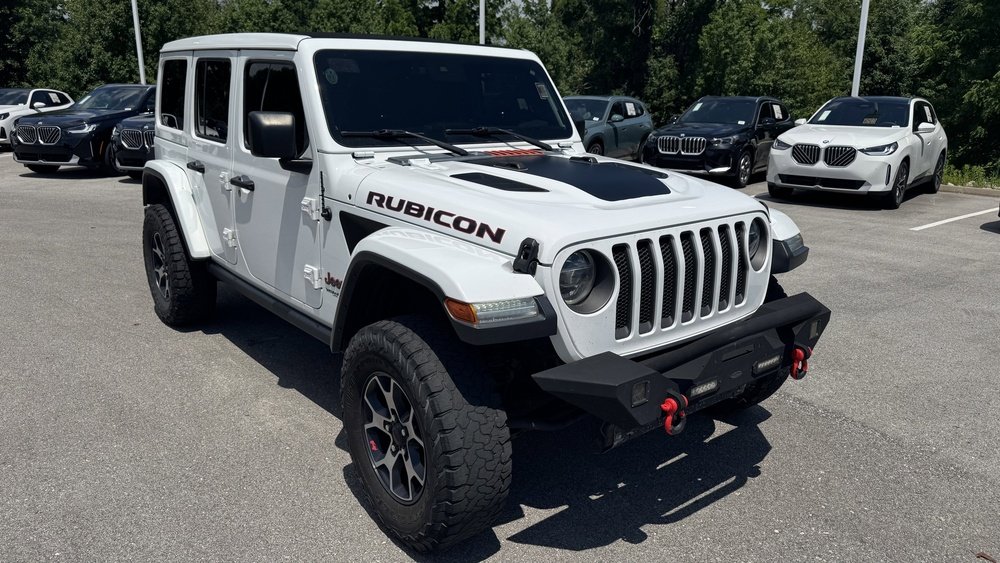
Before you shift, it’s important to know that the Wrangler’s system is not all-wheel drive. You need to choose the right mode based on the surface and the situation. Using 4WD on dry pavement can cause drivetrain binding and lead to expensive repairs.
Quick Look: 4wd Modes
| Mode | Best For | Speed Range | How to Engage |
|---|---|---|---|
| 2H | Everyday driving, dry pavement | All speeds | Shift lever to 2H |
| 4H | Light off-road, snow, sand | Up to 55 mph | Shift lever to 4H (can shift while moving) |
| N | Towing, recovery | Vehicle stationary | Shift lever to N (at a stop) |
| 4L | Serious off-road, steep hills | Up to 25 mph | Shift lever to 4L (must be stopped) |
Let’s dive into each mode in detail, so you know exactly when and how to use them.
2h (two-wheel Drive High)
2H is the default setting for your Jeep Wrangler. In this mode, power goes only to the rear wheels. This gives you the best fuel economy and smoothest handling on paved roads.
When to use 2H:
- Dry pavement (city streets, highways)
- Good weather conditions
- Everyday driving
How to engage 2H:
Make sure your Jeep is in gear or Park. Simply move the transfer case lever to 2H. You can switch back to 2H from 4H while driving, as long as you’re below 55 mph.
Common mistakes:
Many owners accidentally use 4H on dry pavement, thinking it adds safety. But this can actually stress the drivetrain and cause premature wear. Use 2H unless traction is poor.
Non-obvious tip:
On snowy roads that have been cleared and are mostly dry, stay in 2H until you see patches of ice or snow. This helps protect your 4WD system.

4h (four-wheel Drive High)
4H is the mode for loose or slippery surfaces where you need extra grip. When you shift into 4H, power is sent to both the front and rear wheels, improving traction.
When to use 4H:
- Packed snow or ice
- Wet, muddy, or gravel roads
- Sand or loose dirt
- Light off-road trails
How to engage 4H:
You can shift between 2H and 4H “on the fly” (while moving) if your speed is below 55 mph. Simply pull the transfer case lever from 2H to 4H with a firm, steady motion.
You might feel a small clunk or change in steering this is normal.
What 4H does:
4H splits torque between the front and rear axles, helping prevent wheel spin. However, because the Wrangler doesn’t have a center differential, you shouldn’t use 4H on dry pavement—this can cause drivetrain binding.
Example:
You’re driving up a snowy hill. If you stay in 2H, the rear wheels may spin. Shift to 4H, and your Jeep will climb with much less effort.
Non-obvious tip:
If you hear tire chirping or feel the Jeep hopping while turning in 4H, the surface isn’t slippery enough for 4WD. Go back to 2H to avoid wear.
N (neutral)
N, or Neutral, disconnects the transmission from the wheels. In this mode, the Jeep can roll freely, but no power goes to any wheels. It’s rarely used in daily driving, but it’s crucial for certain situations.
When to use N:
- Flat towing (towing the Jeep behind another vehicle)
- Vehicle recovery (e.g., being pulled out of mud)
- Some maintenance tasks
How to engage N:
Stop the Jeep completely. With your foot on the brake, shift the transmission into Neutral. Then, move the transfer case lever to N. Always follow the steps in your owner’s manual to avoid damage.
Important caution:
Never shift to N while the Jeep is moving. This can damage the transfer case. Also, don’t use N for coasting downhill this is unsafe and can harm your brakes.
Practical insight:
If you plan to flat tow your Wrangler (common with RV owners), N is the only safe way to disconnect the drivetrain. Forgetting this step can destroy your transmission.

4l (four-wheel Drive Low)
4L, or Low Range, is for the toughest conditions. In 4L, your Jeep’s transfer case multiplies torque, giving you maximum power at low speeds. This is essential for serious off-roading, deep mud, or climbing steep hills.
When to use 4L:
- Rock crawling
- Deep mud or snow
- Steep hills (up or down)
- Pulling a heavy trailer up a hill
- Getting unstuck
How to engage 4L:
Bring your Jeep to a complete stop. Shift the transmission into Neutral.
Then, with steady pressure, move the transfer case lever from 4H to 4L. You might hear a mechanical noise this is normal.
Once in 4L, shift the transmission into Drive (or first gear for manuals) and go.
What makes 4L special:
4L reduces your speed and increases torque, making it easier to control the Jeep over obstacles. But don’t use 4L for normal driving it’s only for tough terrain and should not be used above 25 mph.
Example:
You’re crossing a rocky stream. In 4L, you can crawl slowly and maintain control, avoiding damage to your Jeep.
Non-obvious tip:
If you switch to 4L and notice the steering feels heavier or turning radius is tighter, this is normal. The extra torque and drivetrain engagement make steering stiffer, especially on rough ground.
How To Shift Between 4wd Modes Safely
Switching between 2H, 4H, N, and 4L isn’t difficult, but it’s important to follow the correct steps to avoid damage:
- 2H to 4H and back:
- You can shift “on the fly” below 55 mph.
- Keep a steady speed and use firm, smooth pressure on the lever.
- 4H to 4L (or back):
- Bring the Jeep to a complete stop.
- Shift the transmission into Neutral.
- Move the transfer case lever firmly into the new position.
- Wait for the “4L” or “4H” light to appear on the dashboard.
- To and from N:
- Always stop the vehicle first.
- Follow the owner’s manual for exact steps.
Comparison: 4H vs 4L
| Feature | 4H | 4L |
|---|---|---|
| Speed Range | Up to 55 mph | Up to 25 mph |
| Torque | Standard | High (multiplied) |
| Use Case | Light off-road, snow | Serious off-road, obstacles |
| Steering Feel | Normal | Heavier |
Practical insight:
If you hear grinding or have trouble shifting, pause and gently move the Jeep forward or backward a few inches. This can help gears align and allow a smooth shift.
When To Use Each Mode: Real-world Examples
Understanding the theory is one thing. But the real value comes from knowing how to use these modes in everyday situations.
- City driving in rain: Stay in 2H. Only use 4H if roads are flooded or extremely slick.
- Country road after snowstorm: Use 4H for extra grip on packed snow. Return to 2H when the pavement clears.
- Mountain trail with boulders: Stop, shift to Neutral, engage 4L. Crawl over rocks slowly.
- Getting out of deep sand: Use 4H to keep momentum. If you get stuck, stop, shift to 4L, and try again with gentle throttle.
Data point:
According to Jeep’s owner surveys, the most common mistake is using 4H on dry pavement, which can cause “crow hopping” (binding). The second most common is forgetting to shift to 4L before entering deep mud or a steep incline.
Common 4wd Mistakes To Avoid
Even experienced drivers sometimes misuse the 4WD system. Here are mistakes you should avoid:
- Using 4H or 4L on dry pavement: Causes drivetrain stress and tire wear.
- Shifting to 4L or N while moving: Risks serious damage to the transfer case.
- Ignoring dashboard lights: If the 4WD indicator blinks or stays on, check your shift or consult a mechanic.
- Overusing 4L: Only use 4L for very low-speed, difficult terrain—not for faster trails or daily driving.
- Forgetting to return to 2H: After leaving slippery or rough terrain, always shift back to 2H for normal driving.
Maintenance Tips For Your 4wd System
To keep your Jeep Wrangler’s 4WD system running smoothly:
- Check fluid levels in the transfer case and differentials regularly.
- Listen for unusual noises during shifts—grinding or loud clunks may signal problems.
- Inspect undercarriage after off-roading for damage to the driveshaft or axles.
- Use 4WD monthly to keep the system lubricated, even if you don’t off-road often.
Pro tip:
Schedule a transfer case fluid change every 30,000 miles if you do a lot of off-roading. This helps prevent expensive repairs.
How The Wrangler’s System Compares To Other 4wd Vehicles
| Feature | 2019 Jeep Wrangler | Toyota 4Runner | Ford Bronco |
|---|---|---|---|
| Transfer Case | Part-Time | Full-Time/Part-Time | Part-Time/On-Demand |
| Low Range | Yes | Yes | Yes |
| Shift-On-The-Fly | 2H↔4H up to 55 mph | Yes | Yes |
| Center Differential | No | Optional | No |
The Wrangler’s part-time system is simple and strong, but not as flexible as full-time or all-wheel drive systems on other SUVs. It’s built for serious off-road use, so knowing when and how to shift is more important than in some competitors.
Frequently Asked Questions
How Do I Know If My 4wd Is Engaged On My 2019 Jeep Wrangler?
When you shift into 4H or 4L, a 4WD light will appear on your dashboard. If the light blinks, the system may not be fully engaged—try shifting again or move the Jeep slightly to help the gears align.
Can I Use 4h Or 4l On The Highway?
No. Both 4H and 4L are only for slippery or off-road surfaces. Using them on dry highway pavement can damage your drivetrain and increase tire wear. Always use 2H for highway driving.
What’s The Difference Between Part-time And Full-time 4wd?
Part-time 4WD, like in the Wrangler, must be manually engaged and should only be used when needed. Full-time 4WD or all-wheel drive can be used on any surface, as it uses a center differential to avoid drivetrain binding.
How Often Should I Use 4wd If I Mostly Drive On Pavement?
It’s a good idea to engage 4WD once a month for a few miles. This keeps the system lubricated and prevents parts from sticking, even if you don’t off-road regularly.
Where Can I Find More Technical Details About My Jeep’s 4wd System?
The official Jeep Owner’s Manual and technical guides provide the most reliable information. For more details, check the Jeep Official Owner’s Manual.
Your 2019 Jeep Wrangler is a capable machine. When you know how to use its 4WD system, you’ll get better performance, stay safer, and avoid costly repairs. Practice shifting the modes in a safe area, and always match the mode to the road conditions. This way, every trip—whether it’s a daily commute or a weekend trail ride—will be smoother and more fun.