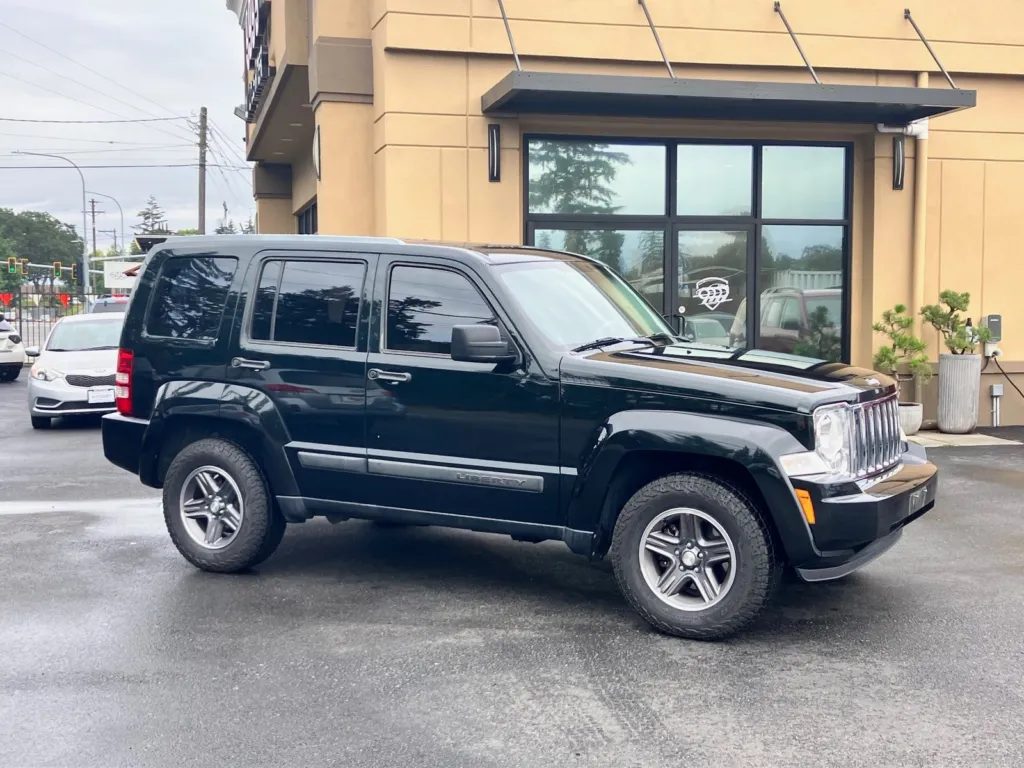
Driving off-road or in tough weather is exciting, but it can be confusing if you’re not sure how to use your 4 wheel drive system. The 2012 Jeep Liberty offers solid 4WD capabilities, but to get the most out of them, you need to know when and how to use each setting.
Many owners make mistakes with 4WD because they don’t fully understand the controls or what each mode does. This article will walk you through each of the four main 4WD modes for the 2012 Jeep Liberty—2WD, 4WD Lock, 4WD Low, and Neutral—with clear steps, real examples, and practical advice.
You’ll learn how to switch modes safely, when to use each one, and what happens if you use them incorrectly. By the end, you’ll feel confident using your Jeep Liberty in snow, mud, sand, or even on steep hills.
Understanding The 4wd System On 2012 Jeep Liberty
Before diving into each mode, it’s important to understand the basics. The 2012 Jeep Liberty uses a part-time 4WD system. This means you can switch between 2WD and 4WD as needed. The system is controlled by a lever or switch, usually found near the center console. Knowing how the system works helps you avoid common mistakes, like using 4WD on dry pavement (which can damage the drivetrain).
Key Features Of The Jeep Liberty’s 4wd
- Selectable Modes: You choose the mode based on driving conditions.
- Part-time System: Designed for off-road or slippery conditions—not always engaged.
- Shift-on-the-fly: Some modes can be switched while driving, others require stopping.
Common Mistakes Beginners Make
- Using 4WD Lock on dry roads (can cause binding and damage).
- Shifting to 4WD Low at high speed (risk of mechanical failure).
- Not engaging Neutral for towing (can damage transmission).
These points may seem simple, but missing them can lead to expensive repairs or unsafe driving.
1. Using 2wd Mode
The 2WD mode is the default setting for most driving conditions.
When To Use 2wd
- Normal roads: Use 2WD on dry, paved streets.
- Better fuel economy: Only the rear wheels get power, so the engine works less.
- Less wear and tear: Keeps the 4WD system healthy for when you really need it.
How To Engage 2wd
- Make sure the vehicle is moving straight, not turning.
- Locate the 4WD lever or switch.
- Move the lever to the 2WD position. On the Liberty, this is usually the farthest forward position.
You can switch between 2WD and 4WD while moving at speeds up to about 55 mph, but it’s best to slow down to under 30 mph for smoother shifting.
Example
Driving to work on a sunny day, you should stay in 2WD. It’s safer, uses less gas, and avoids unnecessary wear.
2. Using 4wd Lock Mode
4WD Lock is for slippery or loose surfaces. It splits power between the front and rear wheels, improving traction.
When To Use 4wd Lock
- Snowy roads
- Mud
- Sand
- Loose gravel
Using 4WD Lock on dry pavement can cause the wheels to bind, which stresses the drivetrain and can lead to repairs costing over $1,000.
How To Engage 4wd Lock
- Slow down to under 30 mph.
- Make sure the wheels are straight.
- Move the lever to the 4WD Lock position.
- Wait for the 4WD indicator light to come on.
Comparison Table: 2wd Vs 4wd Lock
| Feature | 2WD | 4WD Lock |
|---|---|---|
| Best for | Dry roads | Slippery/off-road |
| Fuel economy | Higher | Lower |
| Traction | Normal | High |
| Risk of drivetrain damage | Low | High (on dry pavement) |
Real-world Example
If you’re driving through deep snow after a storm, switch to 4WD Lock before you leave your driveway. This will help prevent the wheels from slipping and keep you moving.
3. Using 4wd Low Mode
4WD Low is for extreme situations: steep hills, deep mud, or rocky trails. It gives more torque and slower speeds, making it easier to control the Jeep.
When To Use 4wd Low
- Steep inclines
- Rocky terrain
- Deep mud or sand
- Pulling heavy loads at low speed
Do not use 4WD Low for normal driving—it’s only for tough conditions. Using it wrongly can make the Jeep hard to control and may damage the system.
How To Engage 4wd Low
- Stop the Jeep and shift to Neutral.
- Move the lever to the 4WD Low position.
- Wait for the 4WD Low indicator light to appear.
- Shift back to Drive (or first gear for manual).
Tip: Never shift to 4WD Low while moving, and always return to 4WD Lock or 2WD once you’re back on easier ground.
Comparison Table: 4wd Lock Vs 4wd Low
| Feature | 4WD Lock | 4WD Low |
|---|---|---|
| Use case | Slippery surfaces | Extreme off-road |
| Speed range | Up to 55 mph | Under 25 mph |
| Torque | Normal | High |
| Shifting requirement | Can shift while moving | Must stop |
Example Scenario
You’re climbing a steep dirt hill at a campsite. Stop your Jeep, shift to Neutral, engage 4WD Low, and continue up the hill slowly. You’ll have more control and power.

4. Using Neutral Mode
The Neutral mode is not for driving. It’s for towing your Jeep with all four wheels on the ground (flat towing).
When To Use Neutral
- Flat towing behind an RV or truck
- Transmission disconnect for maintenance
If you tow your Jeep without putting it in Neutral, you risk serious damage to the transmission and transfer case.
How To Engage Neutral
- Stop the Jeep completely.
- Shift transmission to Neutral.
- Move the 4WD lever to Neutral.
- Make sure the Neutral indicator is on.
Practical Example
If you’re planning a road trip and want to tow your Jeep behind your camper, make sure you follow these steps exactly. Missing a step can void your warranty and cost thousands in repairs.
Tips For Switching Between Modes
Switching between modes is simple, but there are a few things you must remember:
- Always slow down before shifting between 2WD and 4WD Lock.
- Stop completely and shift to Neutral before going into 4WD Low or Neutral.
- Wait for the indicator lights to confirm the mode is active.
- Do not use 4WD Lock or Low on dry pavement.
Data Table: Mode Switching Safety
| Mode | Can Shift While Moving? | Recommended Speed | Indicator Light |
|---|---|---|---|
| 2WD | Yes | < 55 mph | 2WD |
| 4WD Lock | Yes | < 30 mph | 4WD |
| 4WD Low | No | Stopped | 4WD Low |
| Neutral | No | Stopped | Neutral |
Avoiding Common 4wd Mistakes
Many Jeep Liberty owners make mistakes that can lead to expensive repairs or unsafe driving. Here are some you should avoid:
- Engaging 4WD modes on dry pavement: Causes drivetrain damage.
- Shifting to 4WD Low while moving: Can break gears or transfer case.
- Not waiting for indicator lights: Leads to incomplete mode engagement.
- Forgetting to disengage 4WD after off-roading: Reduces fuel economy and increases wear.
A non-obvious tip: After using 4WD modes in mud or sand, check for debris around the wheels and underbody. Mud can dry and harden, affecting performance and causing vibration.
Real-life Driving Examples
Knowing when and how to use each mode is key to safe, enjoyable driving.
Example 1: Heavy Rain On Highway
You hit a patch of highway covered in water. Stay in 2WD unless traction is lost; if the wheels start slipping, slow down and switch to 4WD Lock.
Example 2: Muddy Trail
You’re on a muddy, uneven trail. Switch to 4WD Lock as soon as you see mud. If you get stuck or need extra power to climb, stop and shift to 4WD Low.
Example 3: Towing Behind An Rv
You want to flat-tow your Jeep. Put both the transmission and the 4WD lever in Neutral. Double-check indicator lights before starting your trip.
Maintenance And Safety Tips
Using the 4WD system often means you’ll put extra stress on your Jeep. Here are some tips to keep it running smoothly:
- Check fluids: Transfer case and transmission fluids should be checked after heavy off-road use.
- Inspect for leaks: Look for leaks in the transfer case and axles.
- Wash after off-roading: Mud and sand can hide damage or cause corrosion.
- Listen for noises: Grinding or clicking sounds can signal problems with the 4WD system.
A tip many overlook: If you hear odd noises after shifting out of 4WD Low, drive a short distance in 2WD to allow the system to reset. This can clear up minor issues.
Frequently Asked Questions
What’s The Difference Between 4wd Lock And 4wd Low?
4WD Lock is for slippery surfaces like snow or mud. It helps wheels grip better. 4WD Low gives extra torque for extreme conditions, like climbing steep hills or driving through deep mud.
Can I Switch Between 2wd And 4wd Lock While Driving?
Yes, you can shift between 2WD and 4WD Lock while moving, but slow down to under 30 mph for smooth shifting. Make sure the wheels are straight.
Should I Use 4wd Lock In Heavy Rain?
Only if you lose traction. For most wet roads, 2WD is enough. Using 4WD Lock on dry or lightly wet roads can damage your Jeep.
How Do I Know If 4wd Is Engaged?
Look for the 4WD or 4WD Low indicator light on your dashboard. If it doesn’t come on, the mode isn’t engaged.
Is It Safe To Tow My Jeep Liberty Without Putting The Transfer Case In Neutral?
No. Always put both the transmission and transfer case in Neutral before towing. Otherwise, you may seriously damage your Jeep.
Driving a 2012 Jeep Liberty with 4WD opens up new roads and adventures, but only if you use the system correctly. Understanding when and how to use 2WD, 4WD Lock, 4WD Low, and Neutral keeps your Jeep running smoothly and safely. If you want more details or official guidance, check the owner’s manual or visit Jeep’s official site. With the right knowledge, you’ll avoid mistakes, save money, and enjoy every drive—rain, snow, mud, or sand.