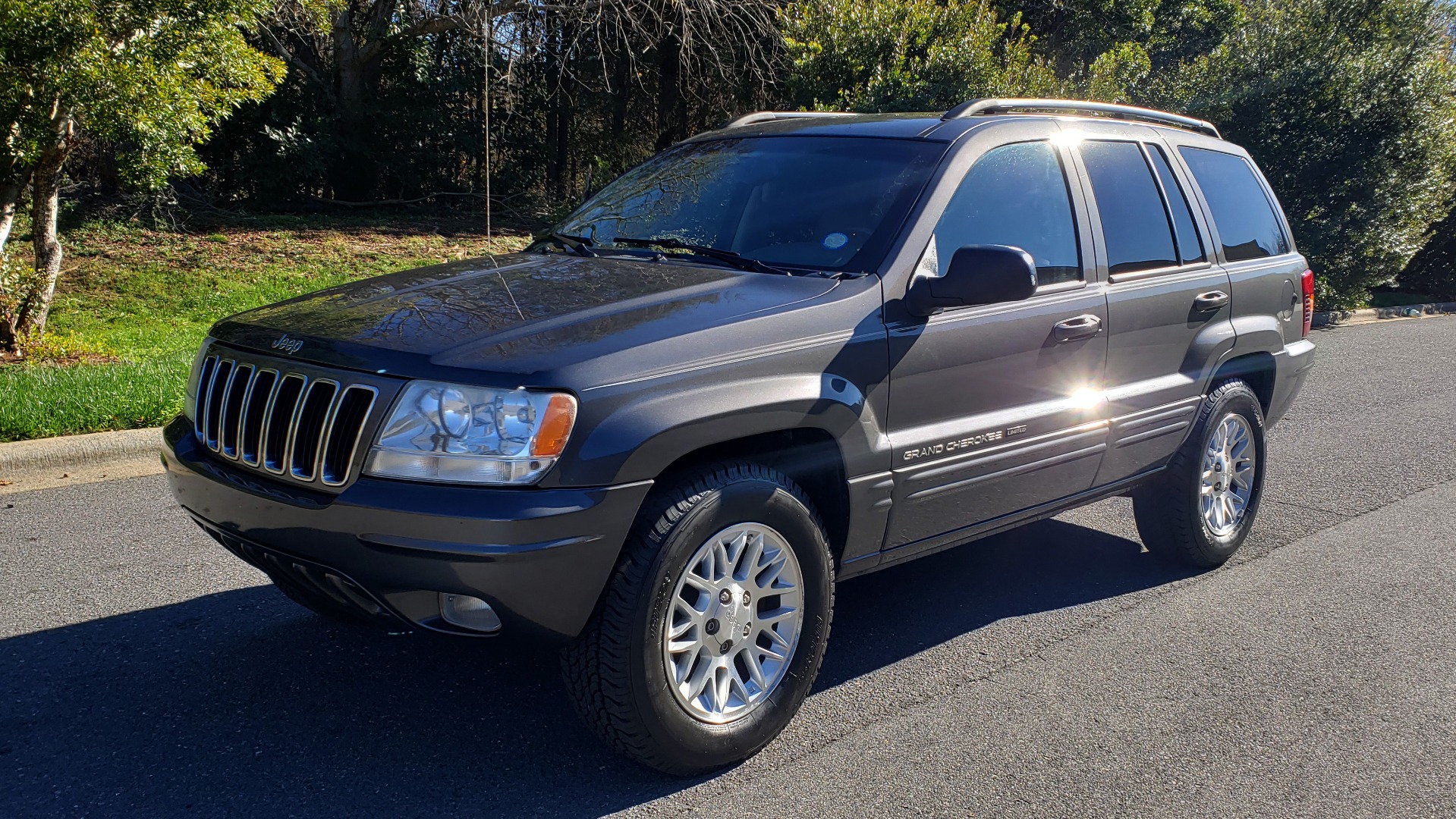
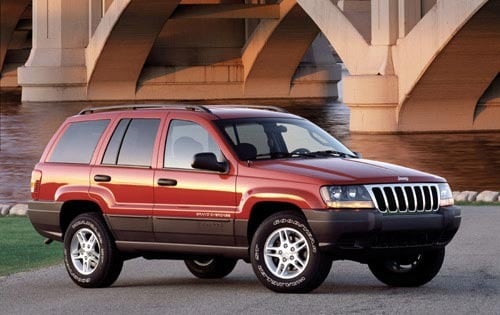
Owning a 2002 Jeep Grand Cherokee gives you the power to handle rough roads, slippery conditions, and off-road adventures. But many drivers aren’t sure how to use the 4 wheel drive system correctly. Understanding when and how to switch between the different modes can make your drive safer and smoother. This guide explains each of the four main 4WD options in the 2002 Grand Cherokee, gives practical advice for real-world driving, and clears up common mistakes.
Understanding The 4 Wheel Drive System
The 2002 Jeep Grand Cherokee uses the Quadra-Trac II or Selec-Trac 4WD system. These systems help the Jeep grip the road better by sending power to all four wheels. There are four main modes: 2WD, 4WD Part-Time, 4WD Full-Time, and 4WD Low. Knowing which mode to use—and when—makes a big difference, especially in tough conditions.
Here’s a quick overview comparing the four modes:
| Mode | Best Use | Speed Limit | Fuel Efficiency |
|---|---|---|---|
| 2WD | Dry pavement | No limit | Best |
| 4WD Part-Time | Snow, mud, sand | Up to 55 mph | Lower |
| 4WD Full-Time | Rain, mixed roads | No limit | Moderate |
| 4WD Low | Steep hills, deep mud | Up to 25 mph | Lowest |
1. Using 2wd
Most days, you’ll drive in 2WD (Two Wheel Drive). In this mode, only the rear wheels get power. It’s the default for city roads and highways.
- When to use: Dry, paved roads with good traction.
- Benefits: Best fuel economy, less wear on the 4WD parts.
- How to engage: The system is usually set to 2WD unless you switch to another mode.
Tip: Don’t use 2WD on slippery roads. The Jeep might slide or lose control.
2. Using 4wd Part-time
4WD Part-Time is for conditions where roads are slippery or uneven. It sends power to all four wheels but locks the front and rear together.
- When to use: Deep snow, mud, sand, or loose gravel.
- How to engage: Stop the vehicle. Shift the lever from 2WD to 4WD Part-Time. If your Jeep has a lever, move it straight up. If it has a knob, turn to the correct mode.
- Speed limit: Don’t drive faster than 55 mph in this mode.
| Condition | Recommended Mode |
|---|---|
| Heavy snow | 4WD Part-Time |
| Wet grass | 4WD Part-Time |
| Dry pavement | 2WD |
Common mistake: Using 4WD Part-Time on dry roads can damage the drivetrain. Only use it when you need extra grip.
3. Using 4wd Full-time
4WD Full-Time lets you drive with all four wheels powered, even on paved roads. The system automatically adjusts where the power goes.
- When to use: Rainy weather, mixed surfaces, light snow, or when you switch between dry and slippery roads often.
- How to engage: Shift from 2WD to 4WD Full-Time while moving at low speed (below 45 mph). You don’t need to stop.
- Advantages: No need to switch back to 2WD if the road changes; safer for unexpected slick spots.
Insight: Many drivers miss that 4WD Full-Time is perfect for long trips with changing weather. It prevents sudden skids if rain or snow appears.
4. Using 4wd Low
4WD Low is your Jeep’s strongest mode for serious off-road or rescue situations. It multiplies torque and gives each wheel more power.
- When to use: Steep hills, deep mud, thick snow, or rocky trails.
- How to engage: Stop the Jeep completely. Move the shift lever to Neutral, then switch to 4WD Low. This protects the transmission.
- Speed limit: Don’t drive faster than 25 mph in this mode.
- Practical example: If your Jeep is stuck in mud, 4WD Low helps you get out. It’s also useful for towing heavy loads or climbing sharp slopes.
| Situation | Mode | Why |
|---|---|---|
| Stuck in mud | 4WD Low | Maximum torque |
| City driving | 2WD | Efficiency |
| Rainy highway | 4WD Full-Time | Safety |
Non-obvious insight: Avoid using 4WD Low for regular driving. It can overheat parts and cause expensive damage.
Switching Between Modes Safely
Changing between modes is easy, but you must follow the right steps:
- Read your owner’s manual: Some Grand Cherokees may have different systems.
- Slow down: Shifting to 4WD Part-Time or Full-Time is smoother under 45 mph.
- Stop for 4WD Low: Always stop and shift to Neutral first.
- Listen for noises: Grinding or clunking means you may have shifted incorrectly.
Tip: Practice mode changes in a safe area before you need them in real conditions.
Maximizing Performance And Avoiding Mistakes
Using 4WD correctly keeps your Jeep running well and protects your investment.
- Use the right mode: Don’t use 4WD Part-Time or Low unless the road is slippery.
- Maintain your system: Check fluids and listen for odd sounds after using 4WD.
- Don’t forget tire pressure: All four tires should have equal pressure for best performance.
- Know the limits: 4WD helps with traction, but it doesn’t make your Jeep stop faster.
Many beginners overlook tire pressure and regular 4WD maintenance. These simple checks help your Jeep last longer.
Frequently Asked Questions
How Do I Know Which Mode To Use?
Start with 2WD for normal roads. If you see snow, mud, or feel slipping, switch to 4WD Part-Time. Use 4WD Full-Time for mixed conditions or rain. Only use 4WD Low for tough off-road or when stuck.
Can I Switch To 4wd While Driving?
You can shift to 4WD Part-Time or Full-Time at low speed (under 45 mph). But for 4WD Low, always stop and shift to Neutral first.
Will 4wd Help Me Drive Faster?
No. 4WD gives better traction, not speed. It helps you avoid getting stuck or sliding, but you should drive carefully in tough conditions.
What Happens If I Use The Wrong Mode?
Using 4WD Part-Time or Low on dry pavement can damage your Jeep’s drivetrain. Always match the mode to the road.
Where Can I Learn More About My Jeep’s System?
You can find detailed information in the official Jeep owner’s manual or at Jeep’s official site.
Driving your 2002 Jeep Grand Cherokee with the right 4WD mode keeps you safe, protects your vehicle, and makes every journey smoother. With these tips, you’ll feel confident in any weather or terrain. Remember to check your manual, practice changing modes, and keep your Jeep well maintained for the best results.