If you own a Jeep, you know the feeling of adventure that comes with driving it—whether you’re on city streets or rough trails. But sometimes, something as simple as the interior lights can cause frustration. Maybe you want to keep the cabin dark while camping, or you’re driving with the doors off and the lights just won’t turn off. Learning how to control your Jeep’s interior lighting is a small skill that can save you annoyance and even preserve your battery. This guide will walk you through the practical steps to turn the interior lights off in various Jeep models, explain why they sometimes stay on, and offer troubleshooting tips for common issues.
Understanding Your Jeep’s Interior Light System
Every Jeep, from the classic Wrangler to the latest Grand Cherokee, has a slightly different interior lighting system. However, most models share basic features: dome lights, map lights, and sometimes ambient floor or dashboard lights.
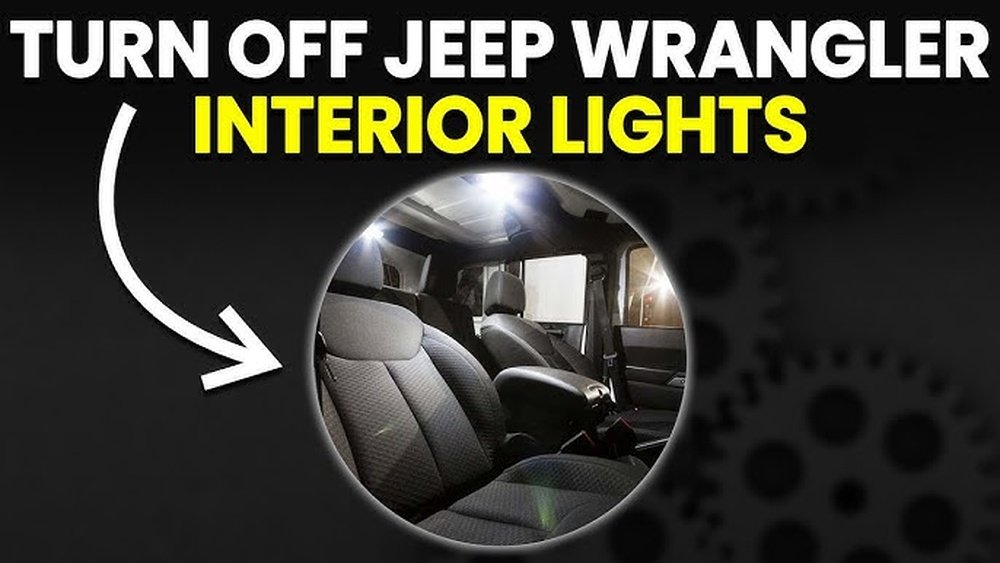
The control of these lights usually involves:
- The main headlight switch (often with a dimmer or wheel)
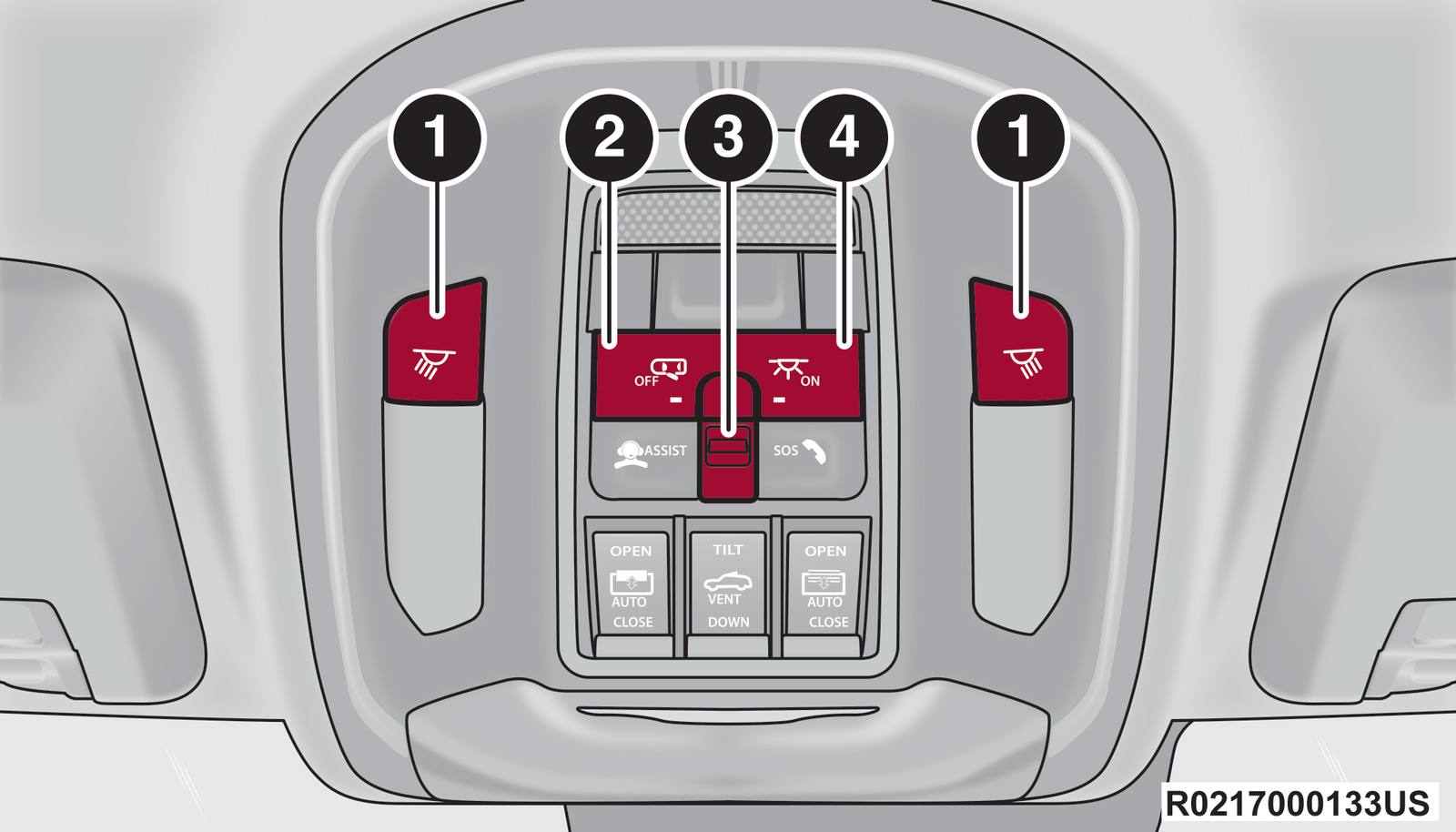
- Individual map light buttons above the seats
- Door sensors that trigger lights when doors open or close
Some models add a lighting control module, allowing more advanced settings. Knowing your Jeep’s system can help you quickly solve issues or adjust lighting as you like.
Common Reasons Lights Stay On
- Doors not fully closed: Sensors keep lights on until all doors are shut.
- Dimmer switch left on: Rotating the headlight switch all the way up often forces lights to stay on.
- Manual override: Some map lights can be turned on manually and stay on.
- Faulty sensor: Door or latch sensors may fail, tricking the car into thinking a door is open.
Turning Off Interior Lights: Step-by-step
Turning off your Jeep’s interior lights can be simple, but the steps can differ between models and years. Below are the main methods, with special notes for popular Jeep types.
1. Using The Headlight/dash Dimmer Switch
Most Jeeps have a rotary switch or a dimmer wheel next to the steering wheel. This switch is usually responsible for both the headlights and the brightness of dashboard lights and dome lights.
To turn off interior lights:
- Locate the headlight switch on the left side of the dashboard.
- Find the dimmer wheel or dial.
- Rotate the dimmer switch down or backward until you feel a click or see the interior lights turn off.
- If the dimmer is pushed upward, it may keep interior lights on—so always roll it downward.
This method works for most Wrangler, Cherokee, and Grand Cherokee models from the early 2000s onward.
Many Jeeps include map lights or reading lights above each seat. These have separate push-buttons.
- Press the button once to turn the light on.
- Press again to turn it off.
If one of these lights was turned on manually, it will stay on even if the doors are closed and the headlight switch is off. Always double-check these buttons if lights remain on.
3. Ensuring All Doors Are Closed
A door that is not fully latched—even slightly open—will trigger the interior lights. Check:
- All four doors
- The rear hatch or tailgate
- The hood (on some models)
Listen for a click when closing. If a door warning light is on in your dashboard, check that door first.
4. Removing Doors Or Roof Panels (wrangler)
If you own a Jeep Wrangler and like to remove the doors or roof panels, you may find the interior lights stay on. To solve this:
- Use the door jamb switch disconnect plug under the dashboard. Unplugging it tricks the Jeep into thinking the doors are always closed.
- Some Wranglers have a fuse (often labeled “Door” or “Dome”) that can be pulled to cut power to interior lights.
Tip: Always replace fuses carefully and keep them safe for when you reinstall the doors.
Latest Jeep models, especially Grand Cherokee and Wagoneer, let you control interior lights from the Uconnect infotainment system:
- Start the engine and access the settings menu on the touchscreen.
- Look for “Lights” or “Interior Lighting.”
- Adjust the settings to turn off dome or courtesy lights when doors open.
This feature varies by model and trim level, so check your owner’s manual for details.
Quick Model Comparison: Interior Light Controls
Here is a side-by-side look at how interior lights are commonly controlled in popular Jeep models:
| Jeep Model | Year Range | Main Control Method | Special Notes |
|---|---|---|---|
| Wrangler (JK/JL) | 2007–2024 | Dimmer Switch, Door Jamb, Fuse | Door removal needs extra step |
| Cherokee | 2014–2024 | Dimmer Switch, Map Light Button | Check rear hatch sensor |
| Grand Cherokee | 2011–2024 | Dimmer Switch, Touchscreen | Settings menu on newer models |
| Renegade | 2015–2024 | Dimmer Switch, Individual Button | Some have auto-off feature |
Troubleshooting: When Lights Won’t Turn Off
Sometimes, even after following the usual steps, the interior lights just won’t go out. Here are common issues and what you can do:
Faulty Door Switch Or Sensor
A malfunctioning door sensor (often called a door jamb switch) is a frequent cause. If your Jeep thinks a door is open, the lights stay on.
How to check:
- Look for a door-ajar warning on your dashboard.
- Press each door switch with the door open. If the warning goes away, the switch is working.
- If not, the switch may need replacement.
Dimmer Switch Left On
If the dimmer wheel is left in the “full up” position, it keeps the dome lights on even when doors are closed. Double-check the switch and rotate it down.
Manual Light Left On
Check if any individual map lights or dome lights are pressed on.
Fuse Issues
Pulling the fuse can be a last-resort solution if you can’t find the real problem. However, this will also disable other features connected to that circuit.
Check your owner’s manual for fuse box location and labels.
Wiring Problems
Rarely, a wiring issue or short can keep lights on. If you notice other electrical problems or flickering, a professional check may be needed.
Battery Drain Risk: Why It Matters
Leaving the interior lights on for hours can drain your Jeep’s battery. Even a small dome light can use about 5–10 watts. If left on overnight, it might prevent your Jeep from starting the next day.
Battery Usage Example
| Light Type | Power Usage (Watts) | Time to Drain Typical Car Battery* |
|---|---|---|
| Single Dome Light | 7 | 4–5 Days |
| All Interior Lights | 20 | 1–2 Days |
*Assumes a healthy 48 amp-hour battery, no other drains.
That’s why it’s important to fix stuck lights quickly and always double-check before leaving your Jeep for long periods.
Advanced Tips For Jeep Owners
Here are some insights that many beginners miss:
- Aftermarket modifications like LED light swaps or alarm systems can interfere with your Jeep’s light circuits. Always test after any install.
- Some Jeep models allow you to customize how long the lights stay on after closing the door (called “theater lighting” or “courtesy delay”). This can be set in the vehicle’s settings menu.
- For frequent door removal, consider an aftermarket “door jamb switch delete kit” to make life easier. These kits are plug-and-play and can save time.
When To Seek Professional Help
If your lights remain on after trying all basic steps, or if you notice electrical issues like flickering, dimming, or dashboard warnings, it may be time for a professional mechanic. Electrical issues can sometimes signal a deeper problem, such as a failing body control module or a short circuit. Addressing these early can prevent bigger repairs down the road.
Quick Reference Guide: Steps To Turn Off Jeep Interior Lights
Here’s a summary for easy recall:
- Check the dimmer switch and rotate it downward.
- Press all individual map light buttons to ensure none are manually on.
- Ensure all doors and rear hatch are fully closed.
- Unplug the door jamb connector (Wrangler, when doors are off).
- Access vehicle settings (newer models) to adjust lighting preferences.
- Inspect for faulty switches or fuses if problems persist.
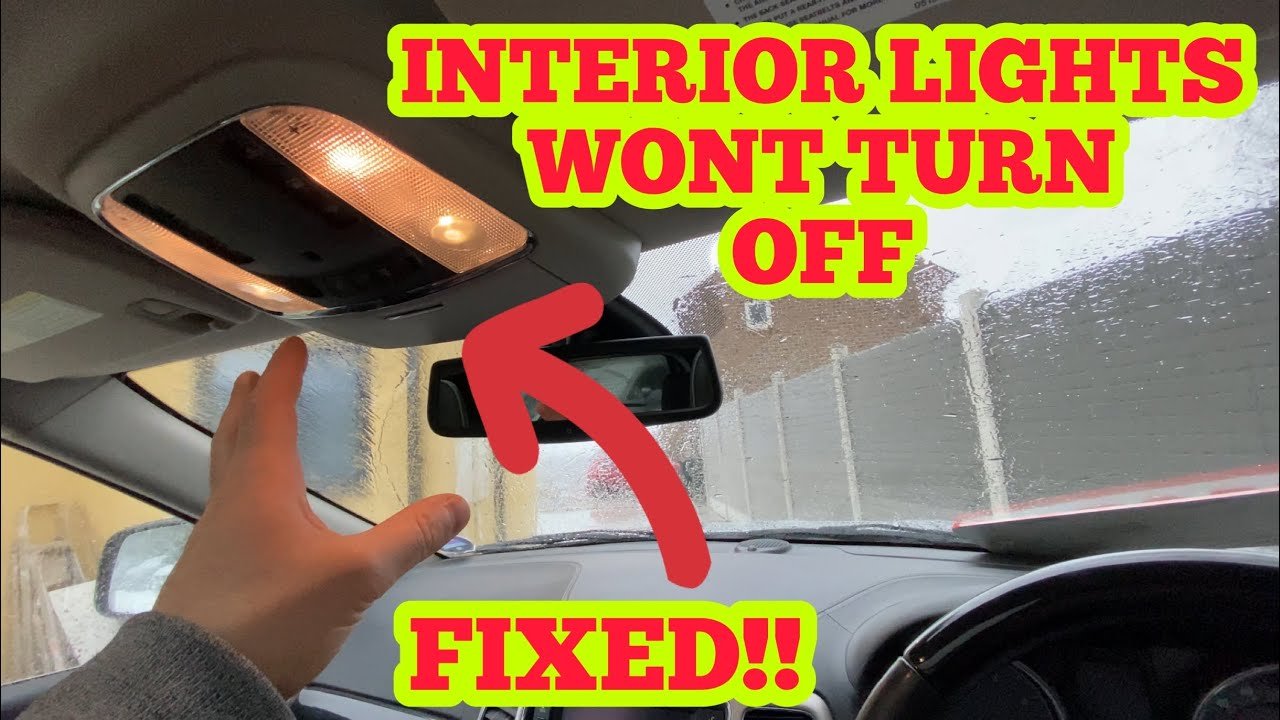
Real-world Example
Jake, a Jeep Wrangler owner, noticed his dome light stayed on after removing the doors for a weekend trip. He rotated the dimmer wheel but nothing changed.
After checking online forums, he learned about the door jamb connector under the dash.
Unplugging it solved the problem and prevented his battery from dying overnight. This simple tip is often missed by new Jeep owners.
Frequently Asked Questions

How Do I Turn Off The Interior Lights In A Jeep Wrangler After Removing The Doors?
First, locate the door jamb connector under the dashboard (usually near the driver’s footwell). Unplugging this connector tells your Wrangler’s computer the doors are closed, turning off the interior lights. Some owners prefer to pull the “Dome” fuse, but the connector method is easier and safer for most.
Why Do My Jeep’s Interior Lights Stay On Even After I Close All The Doors?
This usually means a door sensor is stuck or faulty, or the dimmer switch is in the wrong position. Double-check that all doors (including hatch and hood) are fully closed, and rotate the dimmer switch downward. If the problem continues, have the door sensors inspected.
Can I Adjust How Long The Interior Lights Stay On After Closing The Door?
Yes, on many newer Jeeps, you can change this setting using the Uconnect system’s settings menu. Look for “Courtesy Lights” or “Theater Lighting.” Older models may not have this option.
Will Pulling The Fuse For The Interior Lights Cause Problems?
Removing the interior light fuse will turn off the lights, but it may also disable other features like radio memory or alarm sensors. Always check your owner’s manual first, and only use this as a temporary fix.
Where Can I Find More Technical Details On Jeep Electrical Systems?
For in-depth wiring diagrams and technical support, visit the official Jeep website or trusted Jeep owner forums. These resources offer manuals, schematics, and community advice.
Turning off your Jeep’s interior lights doesn’t have to be a mystery. By understanding the controls, checking for common issues, and knowing what to do if problems pop up, you can keep your adventures trouble-free.
Whether you’re new to Jeeps or a seasoned trail driver, these steps will help you avoid battery drain and enjoy your ride day or night.