If you drive a Jeep Cherokee, keeping your tail lights working is essential for safety. Tail lights help drivers behind you see your car at night or during poor weather. But many owners are unsure how to turn on tail lights, or what to do if they don’t work. Whether you’re new to your Jeep or just want to double-check, this guide shows you exactly how to turn on your tail lights, explains important controls, and offers solutions for common issues.
Understanding Jeep Cherokee Tail Lights
Tail lights are the red lights at the rear of your vehicle. They activate with your headlights and are required by law to be on at night or when visibility is low. In most Jeep Cherokees, tail lights are integrated with other rear lights, like brake lights and turn signals.
Why Tail Lights Matter
- Visibility: Tail lights help other drivers spot your car.
- Safety: They reduce the chance of a rear-end collision.
- Legal requirement: Driving without working tail lights can result in a fine.
According to the National Highway Traffic Safety Administration, over 24% of nighttime crashes involve vehicles with non-functioning or dim tail lights.
How To Turn On Tail Lights Jeep Cherokee
Turning on your tail lights is simple, but there are a few things to know depending on your Jeep Cherokee’s model year.
Steps For Most Modern Jeep Cherokees (2014 And Newer)
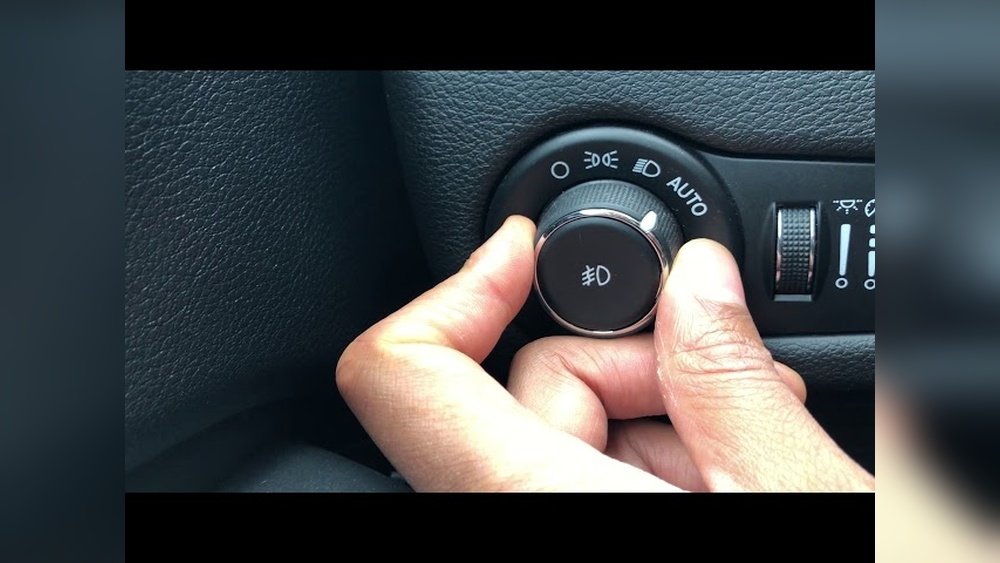
- Locate the headlight switch on the left side of the steering wheel.
- Rotate the knob to the “AUTO” or “ON” position.
- In AUTO, the lights turn on automatically when it gets dark.
- In ON, both headlights and tail lights turn on immediately.
- Check the rear of your vehicle. The tail lights should glow red when the switch is in either position.
Steps For Older Jeep Cherokees (pre-2014)
- Find the pull-out or rotary headlight switch on the dashboard.
- Pull or twist the switch to the second position (not just parking lights).
- Confirm the tail lights are on by walking to the rear of your Jeep.
Quick Comparison Of Light Switch Positions
| Switch Position | Function | Tail Lights On? |
|---|---|---|
| OFF | All exterior lights off | No |
| Parking | Small front/rear lights | Yes |
| ON | Headlights and tail lights | Yes |
| AUTO | Lights turn on as needed | Yes (when dark) |
Daytime Running Lights Vs Tail Lights
Some Jeep Cherokees have daytime running lights (DRLs). These are white front lights that stay on during the day, but they do not activate your tail lights. Always use the correct switch for proper tail light function.

Common Issues And Fixes
Sometimes, you might turn the switch but your tail lights don’t come on. Here’s what to check:
1. Burned-out Bulbs
Tail light bulbs can burn out. If only one side is out, it’s likely a bulb issue.
- Open the rear hatch.
- Remove the tail light assembly.
- Replace with a new bulb of the same type.
2. Blown Fuse
A blown fuse can stop all tail lights from working.
- Check your owner’s manual for the exact fuse location.
- Replace the fuse with one of the same rating.
3. Faulty Switch
If neither the headlights nor the tail lights turn on, the switch itself could be faulty. This may require a mechanic.
4. Wiring Problems
Sometimes, wiring issues or corrosion can cause tail light failures. Look for signs of moisture or damage near the tail light assembly.
Common Causes And Symptoms
| Issue | Symptoms | Solution |
|---|---|---|
| Burned bulb | One side out | Replace bulb |
| Blown fuse | Both sides out | Replace fuse |
| Switch problem | No lights, any position | Repair/replace switch |
| Wiring issue | Intermittent function | Check wiring, clean contacts |
Extra Tips For Reliable Tail Lights
- Check regularly: Test your tail lights every few weeks, especially before long drives.
- Clean lenses: Dirt can block light. Wipe the lens with a soft cloth.
- Keep spare bulbs: Carry extra bulbs in your glove box for emergencies.
- Be aware of warnings: Some Cherokees show a dashboard warning if a tail light fails.
One detail many drivers miss: tail lights do not always turn on with daytime running lights. Always check the switch, especially in tunnels or during storms.
Jeep Cherokee Tail Light Types By Year
Jeep Cherokee tail lights can vary by model year. Here’s a quick overview:
| Model Year | Tail Light Type | Main Control |
|---|---|---|
| 1997-2001 | Halogen bulb | Pull switch |
| 2002-2013 | Halogen bulb | Rotary switch |
| 2014-2023 | LED (most models) | Rotary/auto switch |
LED tail lights in newer models last longer but are harder to replace yourself. If you have an older Cherokee, bulb changes are usually simple.
Frequently Asked Questions
What Do I Do If My Jeep Cherokee Tail Lights Won’t Turn On?
First, check the headlight switch is in the ON or AUTO position. If the tail lights still do not work, inspect the bulbs and fuses. If both are fine, you may have a switch or wiring issue.
Do Jeep Cherokee Tail Lights Turn On Automatically?
If your Jeep has an AUTO light setting, tail lights will turn on when it gets dark. However, in bright conditions, you need to manually turn the switch if you want the tail lights on.
Can I Drive With Only One Tail Light Working?
No, you should not. Laws require both tail lights to work.
Driving with one out can result in a ticket and puts you at risk.
How Do I Know Which Fuse Controls The Tail Lights?
Check your Jeep Cherokee owner’s manual for the fuse box diagram. The tail light fuse is usually labeled “TAIL” or “PARK.” For more details, visit the official Jeep manuals site.
Do I Need Special Tools To Change A Tail Light Bulb?
Most Jeep Cherokees only require a screwdriver to remove the tail light assembly. For LED tail lights, you may need a mechanic’s help.
Keeping your Jeep Cherokee tail lights working is simple but very important. Test them often, replace bulbs or fuses as needed, and always drive with your tail lights on when required. This keeps you safe and legal on the road.