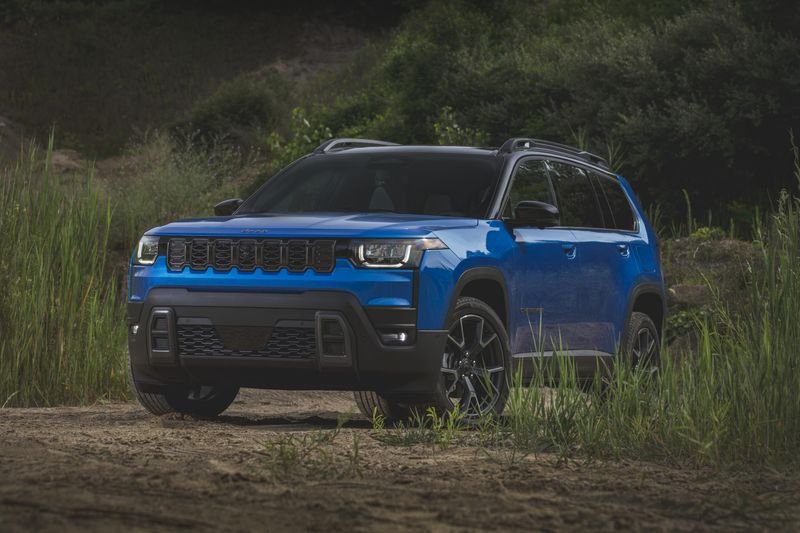
Getting stuck on the side of the road or needing to warn other drivers can happen to anyone, even in a tough vehicle like the Jeep Wrangler. Knowing how to turn on your hazard lights is an important skill that can help keep you and others safe in emergencies.
But not everyone knows exactly how to use this feature, especially if you are driving a Wrangler for the first time or if the dashboard layout is new to you.
Whether you own a classic TJ, a rugged JK, or the latest JL model, this guide will make sure you know how to activate your hazard lights quickly and confidently.
What Are Hazard Lights And Why Use Them?
Hazard lights, sometimes called emergency flashers, are a set of lights on your vehicle that flash on and off together. Their main purpose is to alert other drivers that your vehicle is stopped or moving slowly because of a problem. For example, you should use hazard lights if your Jeep breaks down, if you have a flat tire, or if you need to stop unexpectedly on a busy road.
Using hazard lights helps prevent accidents. Data from the US National Highway Traffic Safety Administration (NHTSA) shows that over 200,000 roadside crashes happen each year, many involving stationary or slow-moving vehicles. Turning on your hazards makes your Jeep much more visible, especially at night or during bad weather.
The location of the hazard light button can depend on the model year of your Wrangler. Jeep has changed the dashboard layout over the years, so it’s important to know where to look.
Wrangler Tj (1997–2006)
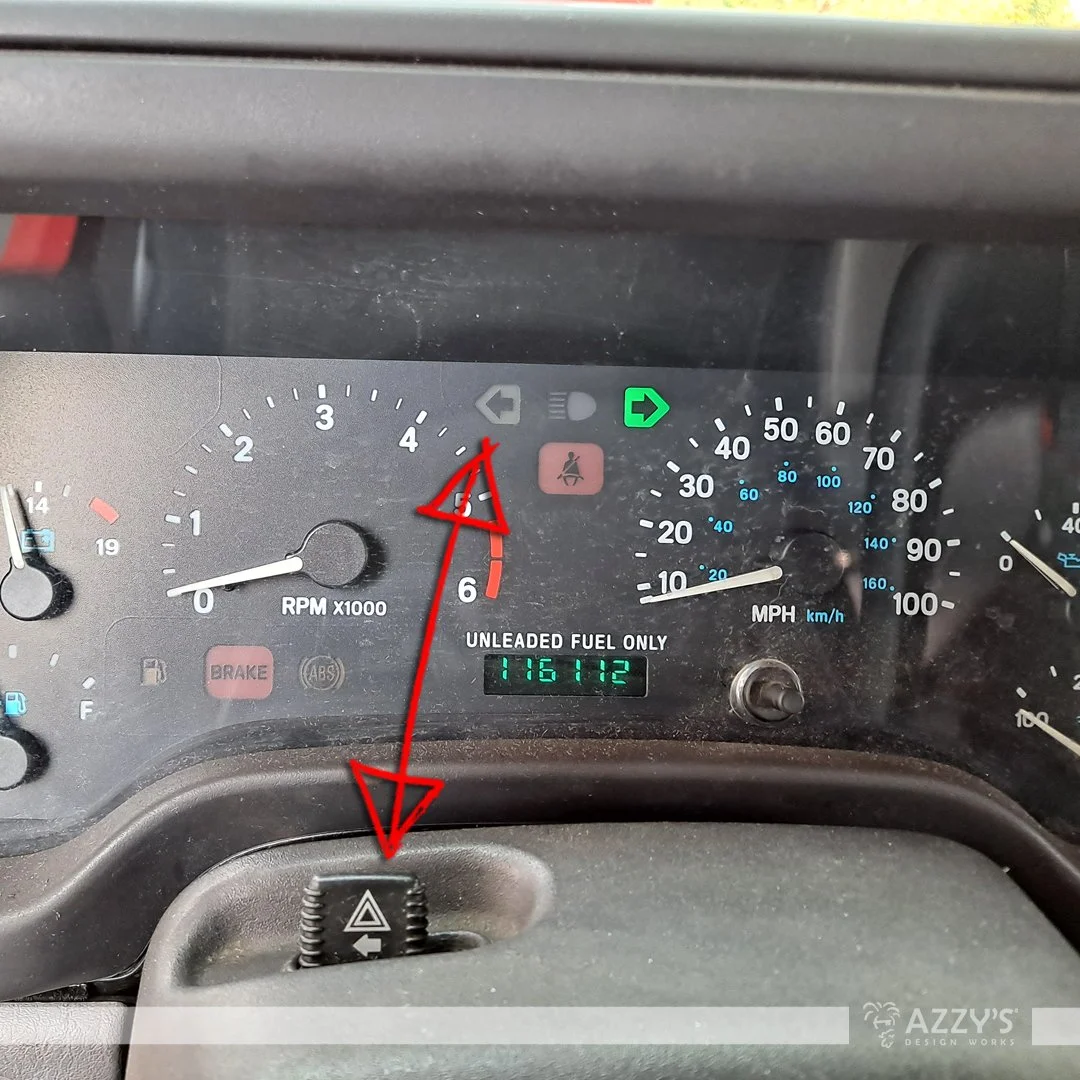
In the TJ, the hazard light button is a red triangle located on top of the steering column. It is just above the ignition key slot. To turn on the hazards, push down on the triangle button.
Wrangler Jk (2007–2018)
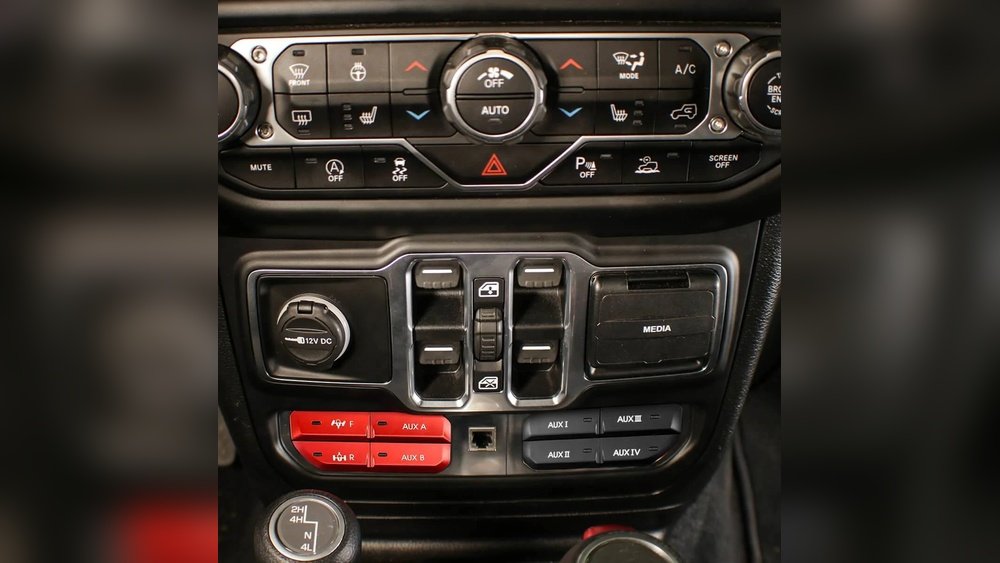
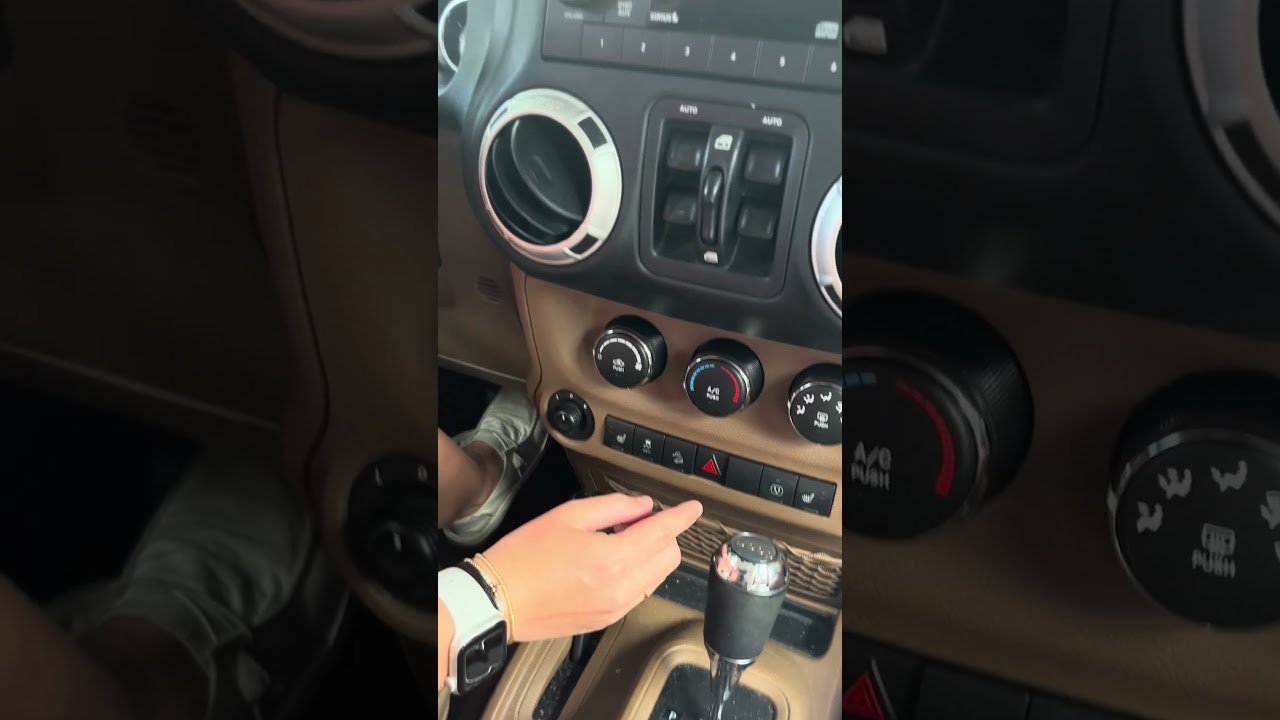
For JK models, the button is usually found in the center of the dashboard, near the climate controls. It is also marked with a red triangle symbol. Pressing this button will activate the hazard lights.
Wrangler Jl (2018–present)
In the most recent JL models, the hazard button is placed above the touchscreen display or in the middle of the center console. Again, look for the red triangle icon. The button may be a little smaller than on older models, but it works the same way.
To help you find the button quickly, here’s a comparison:
| Wrangler Model | Hazard Button Location | Button Symbol |
|---|---|---|
| TJ (1997–2006) | On steering column, above ignition | Red triangle |
| JK (2007–2018) | Center dash, near climate controls | Red triangle |
| JL (2018–present) | Above touchscreen or center console | Red triangle |
Step-by-step: How To Turn On Hazard Lights In Your Jeep Wrangler
Turning on hazard lights is quick, but many people forget the steps under pressure. Here’s what to do, whether you’re in an older TJ or the latest JL:
- Bring your Jeep to a stop if possible, and put it in park (automatic) or neutral (manual transmission).
- Locate the hazard light button using the guide above. Look for the red triangle symbol.
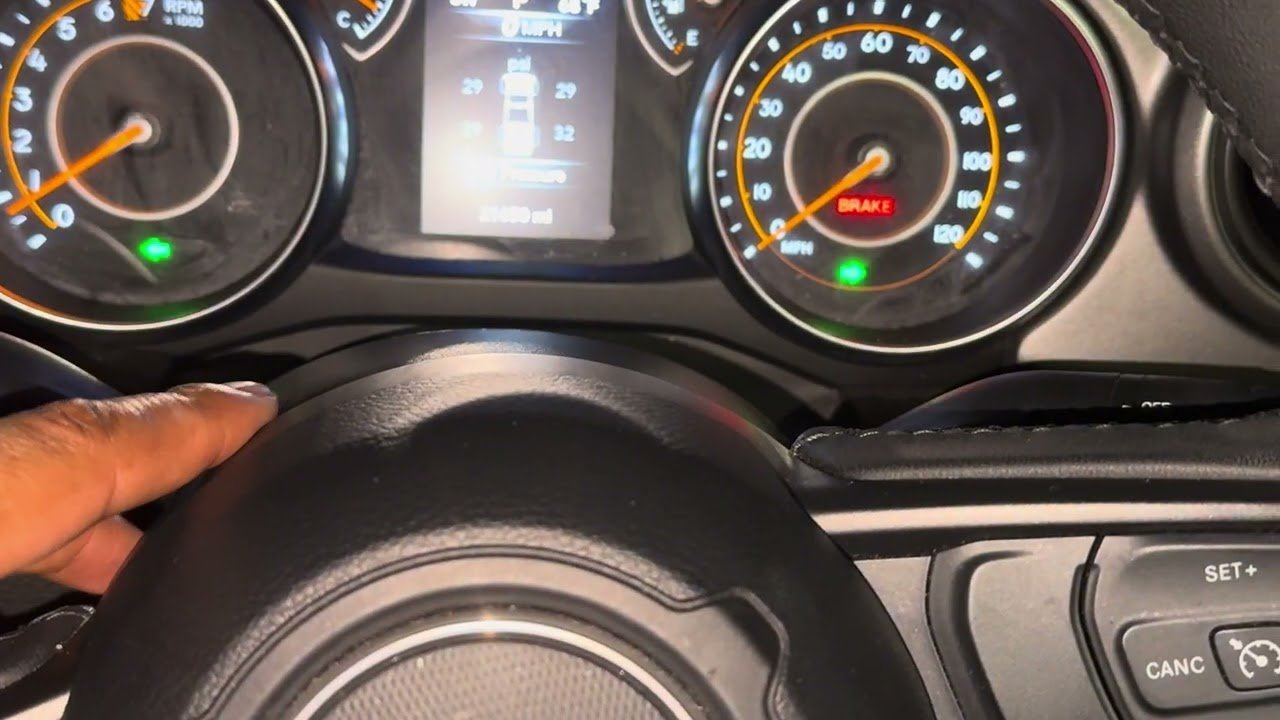
- Press the button firmly. You should hear a clicking sound and see both the left and right turn signal indicators flashing on your dashboard.
- Check the exterior lights. Walk around your Jeep if it’s safe. Both front and rear hazard lights should be blinking.
- Leave the hazard lights on as long as you need to warn other drivers.
- To turn off the hazard lights, press the button again. The flashing will stop.
Example Situation
Let’s say you get a flat tire at night on a busy highway. Pull over to the shoulder, stop your Jeep, and turn on your hazard lights before getting out.
This alerts oncoming traffic and keeps you safer while you change the tire.
When Should You Use Hazard Lights?
Hazard lights are not just for breakdowns. Here are some situations where you should use them:
- Mechanical problems: Engine trouble, overheating, or flat tires.
- Accidents: If you are involved in a crash or see one ahead.
- Extreme weather: Heavy rain, fog, or snow when visibility is low.
- Slow-moving vehicle: If you must drive much slower than traffic (for example, towing something very heavy).
- Loading/unloading: Stopping to load or unload in an area where you might block traffic.
However, there are times when using hazard lights is not recommended. For example, do not use them while driving in normal conditions, as this can confuse other drivers.
Also, in some states, using hazard lights while driving is against the law.
Always check local traffic rules.
Common Problems And Solutions
Sometimes, the hazard lights might not work as expected. Here are a few issues Jeep owners sometimes face, and how to solve them:
Hazard Lights Won’t Turn On
- Blown fuse: Check your fuse box (usually under the dashboard or hood) for a blown hazard light fuse.
- Dead bulbs: If only one side flashes, a bulb may need replacing.
- Faulty switch: If pressing the button does nothing, the switch itself could be broken. This is more common in older Wranglers.
Hazard Lights Won’t Turn Off
If the lights keep flashing even after you press the button, try turning off the ignition and restarting the vehicle. If the problem continues, you may need a new switch or electrical repair.
Hazard Lights Flash Too Fast Or Too Slow
This usually means a bulb has burned out or the wrong type of bulb is installed. Replace any non-working bulbs and make sure you use the correct type for your Jeep.
Here’s a quick problem-solving chart:
| Problem | Likely Cause | What To Do |
|---|---|---|
| Hazard lights do not turn on | Blown fuse, bad switch, dead bulbs | Check fuse and bulbs, replace switch if needed |
| Hazard lights do not turn off | Faulty switch or relay | Try restarting Jeep, see mechanic if needed |
| Hazard lights flash at wrong speed | Burned out or incorrect bulbs | Replace bulbs with correct type |
Tips For Using Hazard Lights Safely
Activating your hazard lights is only part of staying safe. Here are a few tips Jeep Wrangler owners should know:
- Use them only when necessary. Hazards are for emergencies or situations where you are stopped or moving slowly because of a problem.
- Don’t use hazards while driving in the rain unless you are moving very slowly or stopped. In some places, this is illegal.
- Avoid blocking the road. If possible, pull completely off the roadway before turning on hazards.
- Signal before stopping. Use your turn signal to let drivers know you are pulling over, then use hazards.
- Carry spare bulbs and fuses in your Wrangler, especially if you go off-roading or on long trips.
Jeep Wrangler Hazard Lights: Quick Facts
- All Jeep Wrangler models have hazard lights as a standard feature.
- The hazard light button always has a red triangle symbol.
- Modern Wranglers have hazard lights connected to the car’s computer, which can sometimes help diagnose electrical problems.
- Using hazard lights can reduce your risk of being hit when stopped by up to 50%, according to some studies.
Differences Between Hazard Lights And Turn Signals
Many new drivers confuse hazard lights with turn signals. While both use the same bulbs, their purpose is different.
- Hazard lights: Both left and right signals flash at the same time. Used to warn of a problem.
- Turn signals: Only one side flashes, to show you are turning or changing lanes.
Here’s a comparison:
| Feature | Hazard Lights | Turn Signals |
|---|---|---|
| Which lights flash? | Both left and right | Only left or right |
| Purpose | Warning/emergency | Turning/changing lanes |
| Control location | Red triangle button | Lever on steering column |
Non-obvious Insights Most Beginners Miss
It’s easy to think hazard lights are just for breakdowns, but there are a couple of extra things to know:
- Battery drain: If you leave hazard lights on for a long time with the engine off, they can drain your battery. If you expect to wait a long time for help, use them only as needed and check your battery’s condition.
- Off-road situations: If you’re off-roading and need to stop in a spot where another vehicle could come around a corner and not see you, using hazard lights can prevent a collision—even in the wilderness.
- Aftermarket modifications: Some Jeep owners add custom bumpers or lights. If you change your Wrangler’s lighting, make sure the hazard lights are still wired correctly. Aftermarket work can sometimes disconnect or disable the hazard function.
Frequently Asked Questions
How Do I Know If My Hazard Lights Are Working?
Check your dashboard. When you turn on the hazard lights, both turn signal indicators will flash together.
You should also hear a clicking sound. For extra safety, walk around your Jeep to see that all four lights (front and rear) are blinking.
Can I Use Hazard Lights While Driving In Heavy Rain Or Fog?
It depends on local laws. In some states, it’s illegal to use hazard lights while moving.
Only use them if you are stopped or moving very slowly and you are a danger to other drivers. Always check the rules for your area.
If the button will not press or gets stuck, try gently wiggling it or turning off your Jeep and restarting. If it still does not work, the switch may need to be replaced.
This is a common problem in older vehicles.
Do Hazard Lights Use More Battery Than Regular Lights?
Not really. Hazard lights use about the same power as turn signals.
However, if you leave them on for hours with the engine off, they can drain your battery. Try to limit use if you are waiting for a long time without the engine running.
Where Can I Find More Information About My Specific Wrangler’s Hazard System?
The best source is your Jeep Wrangler’s owner’s manual. You can also visit the official Jeep website or trusted auto resources like NHTSA for safety information and updates.
Turning on your hazard lights in a Jeep Wrangler is simple when you know where to look and how to do it. Take a moment to find the hazard button in your own vehicle before you need it.
This small step can make a big difference in an emergency, protecting you and everyone else on the road.
With this knowledge, you can drive your Wrangler with more confidence and stay prepared for whatever comes your way.