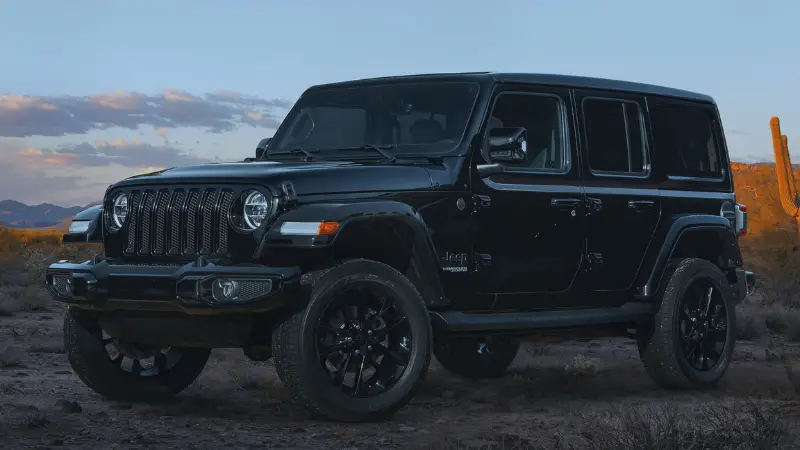
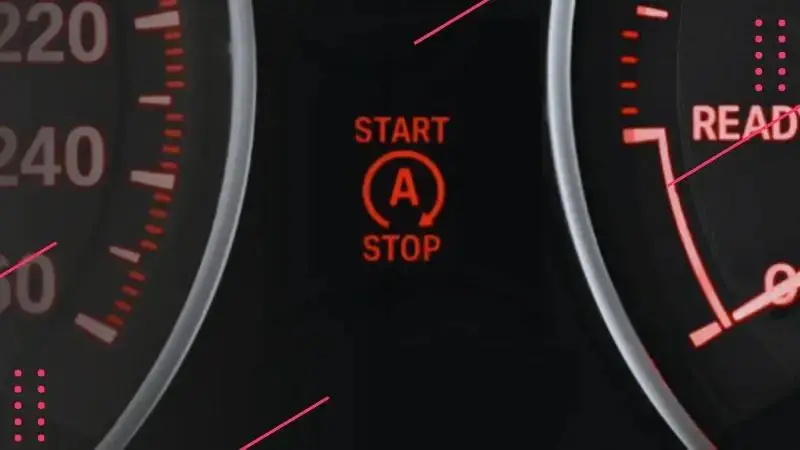
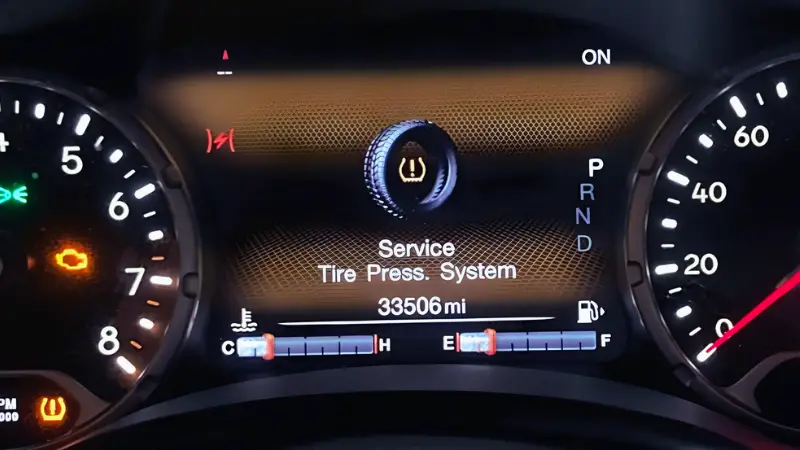
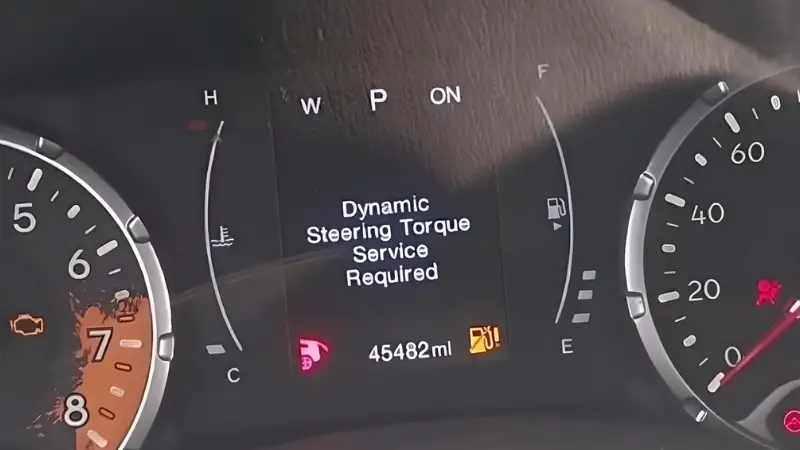
If you drive a Jeep Compass, you may have heard about its advanced safety features. One of the most important is Forward Collision Warning (FCW). This feature can help you avoid accidents by warning you if a crash is likely. But many drivers don’t realize they need to activate it—or aren’t sure how. In this guide, you’ll learn how to turn on Forward Collision Warning in your Jeep Compass, plus practical tips to make the most of this technology.
What Is Forward Collision Warning?
Forward Collision Warning is a driver-assist system. It uses sensors (like radar or cameras) to monitor the road ahead. If your Jeep Compass senses you’re closing in on another vehicle or obstacle too quickly, it gives you both visual and audio warnings. This gives you time to slow down or stop, reducing the risk of a crash.
Many drivers think FCW is always on, but in some Jeep Compass models, you need to activate or adjust it yourself.

How Forward Collision Warning Works In Jeep Compass
The FCW system in the Jeep Compass uses a mix of front-facing cameras and radar sensors. Here’s what happens:
- The system constantly checks the distance and speed between your Jeep and the vehicle ahead.
- If the gap closes too fast, it flashes a warning on your dashboard and sounds an alert.
- In some trims, it may also activate Automatic Emergency Braking if you don’t react.
Here’s a quick comparison of FCW features across Jeep Compass trims:
| Trim Level | FCW Standard? | Automatic Braking | Adjustable Sensitivity |
|---|---|---|---|
| Sport | No (optional) | No | Yes |
| Latitude | Yes | Yes | Yes |
| Limited | Yes | Yes | Yes |
| Trailhawk | Yes | Yes | Yes |

How To Turn On Forward Collision Warning Jeep Compass
Turning on FCW is simple, but steps can vary by model year. Here’s the most common method for newer Jeep Compass (2019 and later):
1. Start Your Vehicle
Turn on your Jeep Compass and make sure it’s in Park. The system won’t let you change safety settings while driving.
2. Access The Uconnect System
- Tap the Uconnect touchscreen in the center console.
- Look for the Settings icon (usually a gear symbol).
3. Find Safety & Driving Assistance
- In the menu, scroll to Safety & Driving Assistance.
- Tap to enter this section.
4. Locate Forward Collision Warning
- You’ll see a list of safety features.
- Find Forward Collision Warning (sometimes labeled as Collision Warning or FCW).
5. Turn On And Adjust Settings
- Toggle the FCW to On.
- Adjust Sensitivity (choose between Near, Medium, or Far).
- Decide if you want Automatic Emergency Braking active.
Below is a sample of what you might see on your screen:
| Feature | Status | Options |
|---|---|---|
| Forward Collision Warning | On | Near / Medium / Far |
| Automatic Braking | On | On / Off |
6. Confirm And Exit
- Press Back or Home to save your settings.
- Your FCW system is now active.
If you own an older Jeep Compass (2017-2018), you might need to use the dashboard buttons near the steering wheel. Check your owner’s manual for exact instructions.
Practical Tips For Using Forward Collision Warning
Forward Collision Warning is a powerful tool, but it works best when you understand its limits:
- Keep the sensors clean. Dirt, snow, or stickers can block the camera or radar.
- Don’t rely only on FCW. It’s an assistant, not a replacement for attention.
- Adjust sensitivity. If you drive in city traffic, set sensitivity to Near to avoid too many alerts.
- Listen to alerts. Even short beeps mean you should check the road ahead.
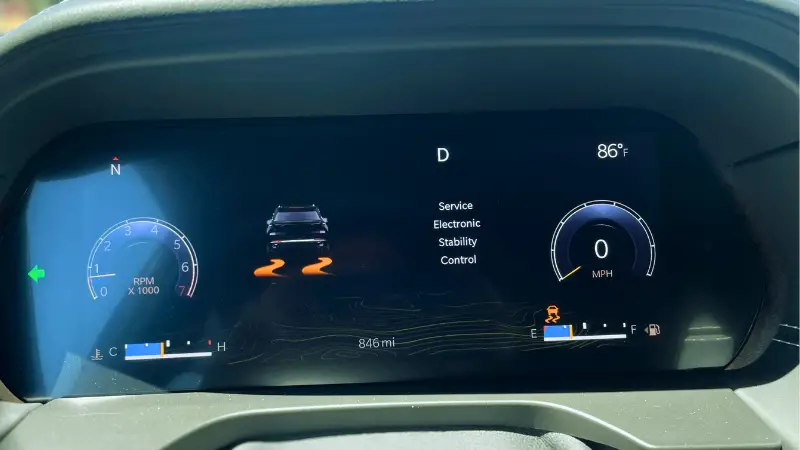
- Know when it’s off. If you see a warning like “FCW Unavailable,” sensors may be blocked or the system needs service.
Many owners forget to reactivate FCW after servicing or resetting vehicle settings. Always check after software updates or maintenance.
Common Mistakes To Avoid
It’s easy to make errors with advanced car tech. Here are two that surprise many Jeep owners:
- Turning off FCW accidentally: Some drivers disable FCW while exploring menus and forget to turn it back on.
- Ignoring sensor maintenance: Mud or ice build-up can “blind” the system, making it useless until cleaned.
Here’s a quick reference for what disables FCW in the Jeep Compass:
| Condition | FCW Status |
|---|---|
| Blocked sensors (dirt/snow) | Off/Unavailable |
| Manual deactivation | Off |
| Software update | May reset to Off |
| System fault | Unavailable |
Why Activate Forward Collision Warning?
Data from the National Highway Traffic Safety Administration shows that forward collision systems can reduce rear-end crashes by up to 27%. For Jeep Compass drivers, this means more safety for you, your passengers, and others on the road.
But FCW only helps if it’s switched on and set correctly. Many accidents happen because drivers didn’t know their system was off.

Frequently Asked Questions
How Do I Know If My Jeep Compass Has Forward Collision Warning?
Check your owner’s manual or look for Safety & Driving Assistance in your Uconnect menu. Most 2019+ models include FCW as standard.
Can I Adjust How Sensitive The Forward Collision Warning Is?
Yes, you can set the system to Near, Medium, or Far to control when alerts happen. Choose what suits your driving style.
Will Forward Collision Warning Stop My Jeep Automatically?
In many trims, yes—if you don’t react to the warning, Automatic Emergency Braking can activate and slow or stop your Jeep.
Check for dirt, ice, or obstructions on the front grill or windshield. If cleaning doesn’t fix it, visit your dealer for service.
Does Forward Collision Warning Work In All Weather?
FCW works in most conditions but may not function well in heavy rain, snow, or fog. Always stay alert, even with this system.
Turning on Forward Collision Warning in your Jeep Compass is a small step that brings big safety benefits. Spend a few minutes to activate and adjust your settings. For more details, see the official Jeep FCW resource. With the right setup, you’ll have more peace of mind on every drive.