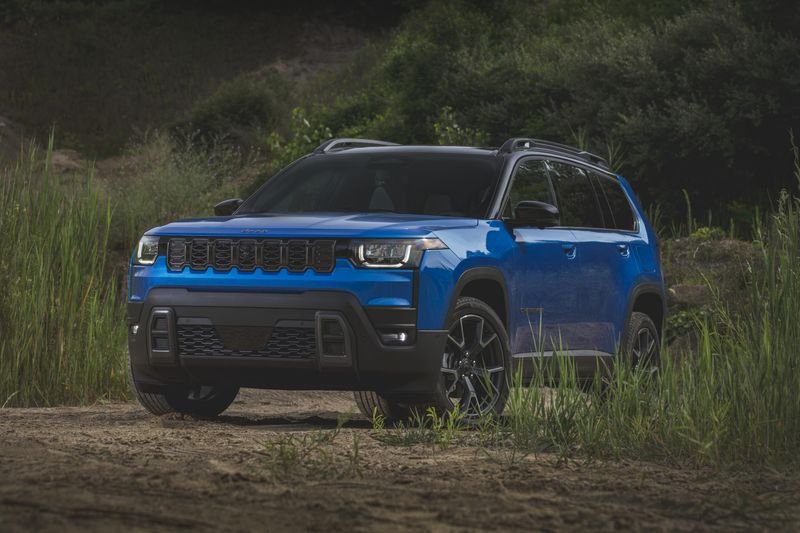
Turning on Blind Spot Monitoring (BSM) in your Jeep Compass can make driving safer and less stressful. This feature helps you detect vehicles in your blind spot, especially on highways or during lane changes. However, many Jeep Compass owners are unsure how to activate or use it correctly. Some even miss out on its benefits because they don’t know if their Compass has the feature or what to do if it isn’t working. In this guide, you’ll learn exactly how to turn on Blind Spot Monitoring in your Jeep Compass, how the system works, common issues, and important tips for safe usage.
What Is Blind Spot Monitoring And How Does It Work?
Blind Spot Monitoring is an advanced driver assistance system (ADAS) that uses sensors to watch the sides of your vehicle. When a car enters your blind spot, a light or sound alert warns you. In the Jeep Compass, the alert usually appears as a small light on the side mirrors. Some versions may also give an audible warning if you signal to change lanes while a car is in your blind spot.
This system uses radar sensors built into the rear bumper. These sensors continuously check for vehicles in adjacent lanes. Unlike standard mirrors, BSM can detect cars, motorcycles, and even some large bicycles that are difficult to see. This can greatly reduce the risk of side-swipe accidents.
Which Jeep Compass Models Have Blind Spot Monitoring?
Not every Jeep Compass comes with Blind Spot Monitoring as standard. Whether your Compass has BSM depends on the model year, trim level, and options.
| Model Year | Base Trim | Mid Trim | High Trim | BSM Standard? |
|---|---|---|---|---|
| 2017 | Sport | Latitude | Limited/Trailhawk | Optional on Latitude, Standard on Limited/Trailhawk |
| 2019 | Sport | Latitude | Limited/Trailhawk | Available on Latitude+, Standard on Limited/Trailhawk |
| 2022 | Sport | Latitude Lux | Limited/Trailhawk/High Altitude | Standard on all except Sport |
If you’re unsure, check your owner’s manual or window sticker, or look for a small car icon on your side mirrors. Another way is to enter your Vehicle Identification Number (VIN) on the Jeep official website.
How To Turn On Blind Spot Monitoring In Jeep Compass
Turning on Blind Spot Monitoring is simple, but the steps can change slightly depending on the model year or infotainment system. Here’s a step-by-step guide for most Jeep Compass vehicles from 2017 onward.
Step 1: Start Your Vehicle
First, make sure your Jeep Compass is in Park and the engine is running. The system does not activate when the car is off.
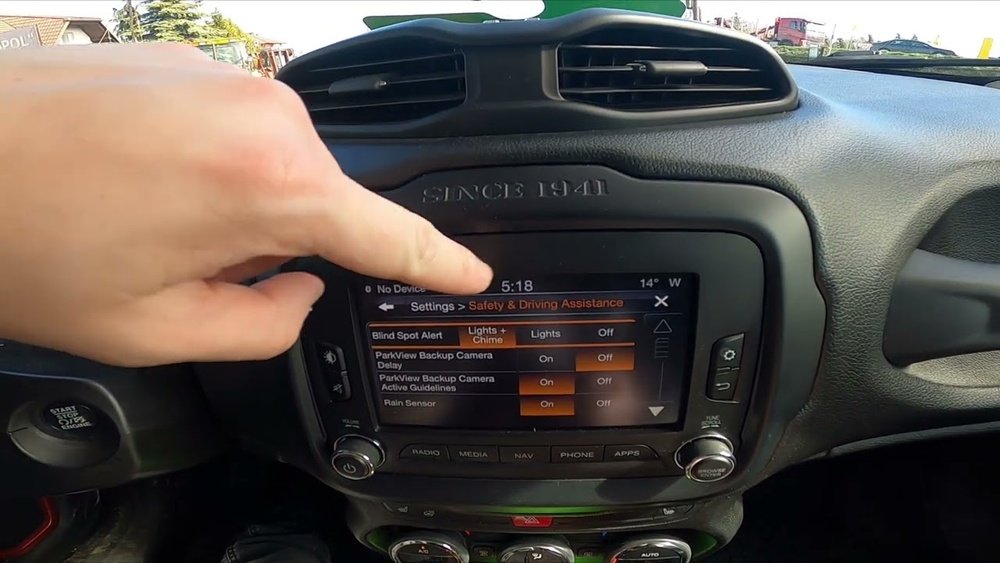
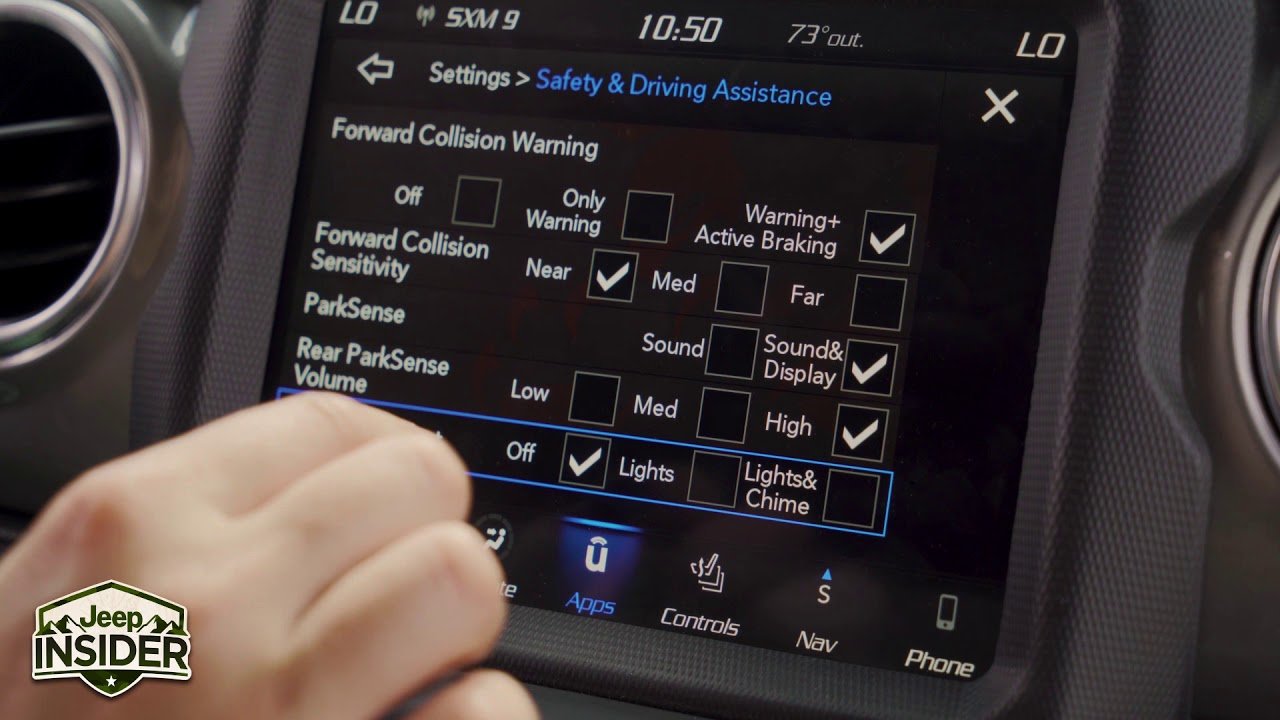
Step 2: Access The Uconnect System
Most Jeep Compass models use the Uconnect touchscreen:
- Tap the “Settings” icon on your Uconnect home screen.
- Scroll down to “Safety & Driving Assistance” or a similar menu.
- Select “Blind Spot Alert” or “Blind Spot Monitoring.”
Step 3: Enable Blind Spot Monitoring
Inside the Blind Spot Monitoring menu, you’ll usually see options like:
- On/Off: Turns the system on or off.
- Alert Type: Visual or visual + audible.
Choose “On” to activate the system. You can also select your alert preference.
If you don’t see these options, your Compass may not have BSM or may require dealer activation. Check your manual or contact a Jeep service center if you’re unsure.
Step 4: Confirm Activation
Once enabled, look for a small blind spot indicator light in your side mirrors. When you start driving, the light should briefly illuminate to show the system is active.
Step 5: Test The System Safely
With BSM on, drive in a safe, low-traffic area. When a car passes into your blind spot, the mirror indicator should light up.
If you signal to change lanes, you may also hear a warning sound.
Quick Reference: Steps To Turn On Bsm
| Step | Action | What to Check |
|---|---|---|
| 1 | Start vehicle | Engine running, in Park |
| 2 | Open Uconnect Settings | Find “Safety & Driving Assistance” |
| 3 | Enable Blind Spot Monitoring | Set to “On” |
| 4 | Confirm indicator lights | Brief illumination in side mirrors |
| 5 | Test with passing vehicle | Indicator lights up with vehicle in blind spot |
What If The Blind Spot Monitoring Doesn’t Work?
Sometimes, the BSM system may not work as expected. Here are a few common reasons and solutions:
- Blocked Sensors: Dirt, mud, or snow on the rear bumper can block sensors. Clean the bumper regularly.
- System Turned Off: Double-check the Uconnect settings to ensure BSM is enabled.
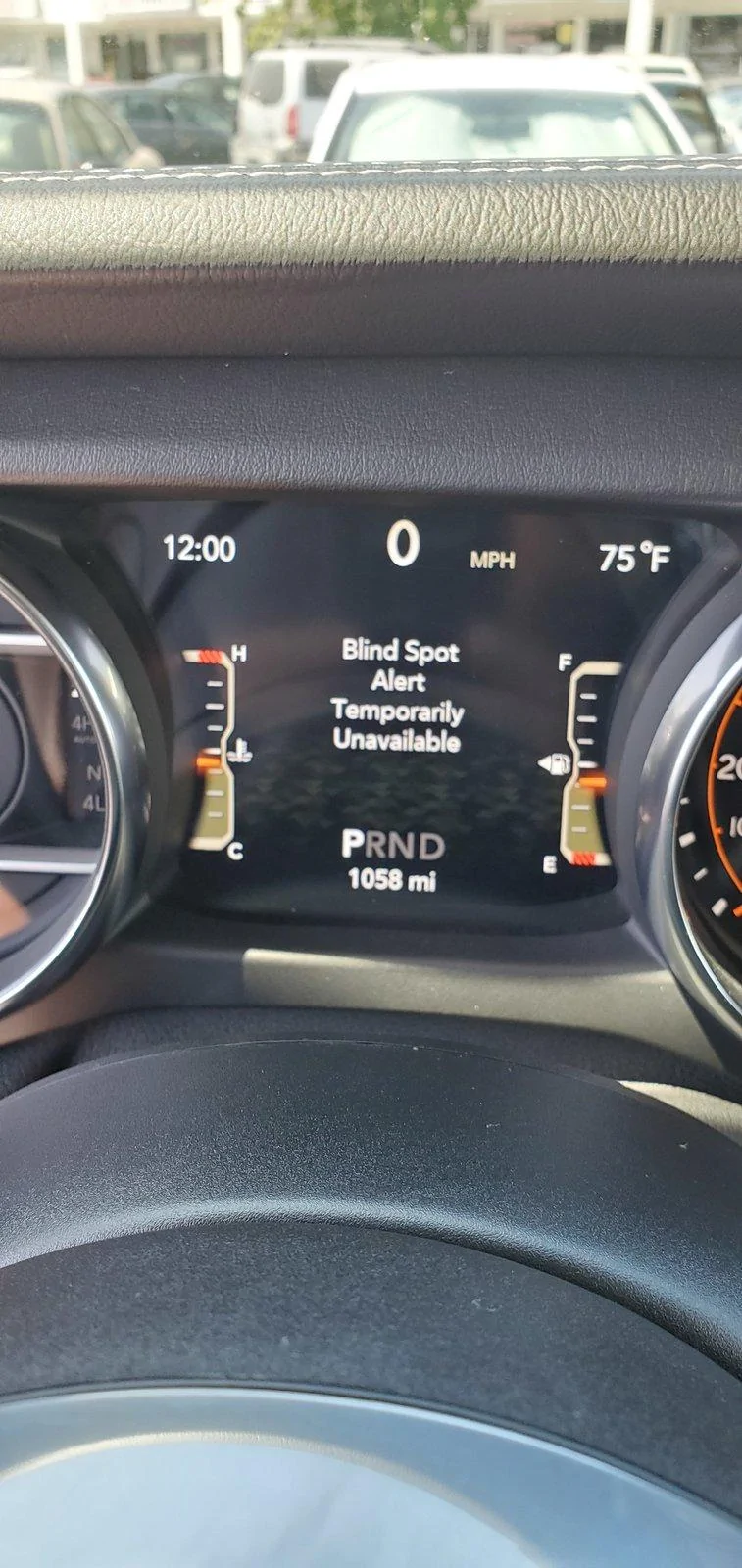
- System Error: If you see a “Blind Spot System Unavailable” message, restart the car. If the warning stays, visit a Jeep service center.
- Aftermarket Bumpers: If you installed a non-factory bumper, sensors may not work correctly.
Non-obvious insight: Extreme weather like heavy rain or ice can also disrupt sensor function. It’s good practice to check BSM operation after a car wash or snowstorm.
Key Benefits Of Using Blind Spot Monitoring
Many drivers underestimate how much BSM can improve safety and comfort. Here’s why you should use this feature:
- Fewer Lane-Change Accidents: The Insurance Institute for Highway Safety found BSM reduces lane-change crashes by 14%.
- Less Driver Fatigue: You don’t need to constantly turn your head to check blind spots.
- Helps With Trailers: If you tow, BSM can spot vehicles hidden by your trailer.
- Confidence for New Drivers: Less experienced drivers often forget to check blind spots. BSM adds a backup alert.
Important Tips For Safe Use
Blind Spot Monitoring is a helpful tool, but it’s not a replacement for safe driving. Follow these tips for best results:
- Check mirrors and look over your shoulder before changing lanes. BSM is a backup, not your only warning.
- Keep sensors clean. Even a small amount of mud can block detection.
- Don’t overload the rear. Large cargo or bike racks may block sensors.
- Know the limits. BSM usually can’t detect fast motorcycles, bicycles, or very small cars that approach quickly.
- Avoid relying in bad weather. Heavy rain or snow can reduce accuracy.
Non-obvious insight: Some Compass models let you adjust alert sensitivity. If you’re getting too many false alerts (for example, from guardrails or wide lanes), check the settings or ask your dealer to recalibrate.
How Does Blind Spot Monitoring Compare With Other Jeep Safety Features?
The Jeep Compass offers several safety features. Here’s a quick look at how BSM compares with others:
| Feature | What It Does | When It Works | Limitations |
|---|---|---|---|
| Blind Spot Monitoring | Warns of vehicles in blind spots | Speeds above ~6 mph | Can’t detect stationary objects, small vehicles in some cases |
| Rear Cross Path Detection | Alerts of traffic when reversing | When in reverse gear | Can miss fast cross-traffic, blocked by large objects |
| Lane Departure Warning | Warns if you drift out of lane | Above 37 mph | May not work on faded lane markings |
| Adaptive Cruise Control | Maintains distance from cars ahead | Highway driving | Not for stop-and-go city traffic |
BSM complements other features by focusing on side collisions, while others like Rear Cross Path Detection help when backing out of a parking spot.
Common Mistakes When Using Blind Spot Monitoring
Many Jeep Compass owners make these mistakes with BSM:
- Ignoring Dirty Sensors: Mud or snow buildup is a leading cause of false alerts or missed warnings.
- Not Checking Settings: Some drivers accidentally turn BSM off or set it to “visual only.”
- Overloading Rear Cargo: Large items or bike racks can block sensors and cause “system unavailable” errors.
- Trusting It Fully: Remember, BSM is a support—not a replacement—for safe driving habits.
If you’re new to BSM, take some time to test it in a safe area. Learn the system’s alerts, and always double-check before changing lanes.
Cost And Availability For Older Jeep Compass Models
If your Jeep Compass doesn’t have Blind Spot Monitoring, you might wonder if you can add it. Here’s what you need to know:
- Factory Retrofit: Adding factory BSM to older models is usually not possible or is very expensive (over $1,000).
- Aftermarket Kits: Some companies offer radar-based kits for $400–$900, but quality and compatibility vary.
- Trade-In Value: Vehicles with BSM often have higher resale value, especially on newer used Jeeps.
If you’re considering upgrading, talk to your dealer about options or look for a Compass with BSM included.
Frequently Asked Questions
Does Every Jeep Compass Come With Blind Spot Monitoring?
No, Blind Spot Monitoring is not standard on every Jeep Compass. It is usually included on higher trims like Limited or Trailhawk, or as part of a safety package. Always check the specific features on your model.
Can I Turn Blind Spot Monitoring Off If I Want To?
Yes, you can turn the system off through the Uconnect settings. Go to “Settings,” then “Safety & Driving Assistance,” and switch Blind Spot Monitoring to “Off.” The system stays off until you turn it back on.
What Does It Mean If The Blind Spot Monitoring Light Stays On?
If the blind spot indicator light stays on, it could mean a blocked sensor, system error, or electrical issue. Try cleaning the sensors and restarting the vehicle. If the problem continues, visit a Jeep service center.
Is Blind Spot Monitoring Reliable In All Weather Conditions?
BSM is accurate in most weather, but heavy rain, snow, or ice can block radar sensors and reduce performance. Always check sensors and use mirrors in tough conditions.
Where Can I Get More Information About Jeep Compass Safety Systems?
For detailed specs, updates, and owner’s manuals, visit the official Jeep Compass website.
Using Blind Spot Monitoring in your Jeep Compass can make every drive safer. With a few quick steps, you can turn the system on and enjoy greater confidence on the road.
Just remember to keep sensors clean, double-check your settings, and always use your mirrors along with BSM for the best protection.