If you’re driving your Jeep Wrangler and notice that stubborn TPMS light glowing on your dashboard, it can be frustrating. That little warning means your tire pressure monitoring system has detected an issue, but sometimes the light stays on even after you’ve checked your tires.
You want to get back on the road without distraction, and you need a clear, simple way to turn off that TPMS light for good.
In this guide, you’ll discover easy steps and practical tips to reset or disable the TPMS light on your Jeep Wrangler no confusing jargon, no guesswork.

Keep reading, and you’ll learn how to take control of your dashboard and drive confidently again.
Tpms Light Basics
The Tire Pressure Monitoring System (TPMS) light on your Jeep Wrangler helps keep you safe. It alerts you when tire pressure is too low.
Driving with low tire pressure can cause poor handling and tire damage.
Understanding the TPMS light helps you know what to do next. Knowing common causes can save time and avoid unnecessary repairs.
Here is what you need to know about the TPMS light.
What Tpms Light Means
The TPMS light shows up on the dashboard as a symbol shaped like a flat tire with an exclamation mark. It means one or more tires are underinflated.
The system monitors tire pressure constantly while driving.
When the pressure drops below the recommended level, the light turns on. It warns you to check and fix your tires soon.
Ignoring the light may lead to unsafe driving conditions.
Common Tpms Light Causes
The most common cause is low tire pressure due to a slow leak or temperature changes. Cold weather can reduce pressure quickly.
Another cause is a faulty or damaged TPMS sensor.
Sometimes, the light stays on after fixing tire pressure because the system needs a reset. Driving for a few minutes can help the system detect the new pressure.
Dead or weak batteries in the sensors also trigger the light.

Checking Tire Pressure
Checking your tire pressure is the first step to turn off the TPMS light on your Jeep Wrangler. The TPMS light turns on when the tire pressure is too low or too high.
Properly checking and adjusting the pressure can help you avoid this warning. This process is simple and takes only a few minutes.
Using A Tire Pressure Gauge
A tire pressure gauge is a tool that measures the air pressure inside your tires. Remove the valve cap from the tire.
Press the gauge onto the valve stem and hold it firmly. Read the pressure displayed on the gauge.
Use either a digital or a manual gauge, whichever you prefer. Check all four tires, including the spare if your Jeep has one.
Always check the pressure when the tires are cold for an accurate reading.
Recommended Pressure For Jeep Wrangler
The ideal tire pressure for a Jeep Wrangler varies by model and tire size. You can find the recommended PSI on the sticker inside the driver’s side door frame.
Most Jeep Wranglers require tire pressure between 30 and 35 PSI. Keeping your tires inflated to the recommended pressure improves safety and fuel efficiency.
Adjust the pressure as needed using an air compressor or by releasing air. Proper pressure helps keep the TPMS light off and ensures a smooth ride.
Manual Tpms Light Reset
The manual TPMS light reset on a Jeep Wrangler can clear the warning without special tools. This method works after fixing the tire pressure or if the light stays on by mistake.
It involves simple steps you can do yourself. These ways help reset the system and turn off the light quickly.
Driving To Reset The Light
Start by driving your Jeep at a steady speed above 50 mph. Keep driving for about 10 to 15 minutes.
The system will check the tire pressures while you drive. If the pressure is correct, the light should turn off. This method often resets the TPMS automatically.
Battery Disconnect Method
Turn off your Jeep and open the hood. Use a wrench to disconnect the positive battery cable.
Wait for about 15 minutes to let the system reset. During this time, the system powers down fully.
Reconnect the battery cable and start the engine. The TPMS light should go off after this reset.
Horn Drain Technique
After disconnecting the battery, press and hold the horn for 30 seconds. This step drains any leftover power in the electrical system.
It helps clear the TPMS memory. Once done, reconnect the battery and turn on the Jeep.
The light will often reset and turn off using this technique.
Using Diagnostic Tools
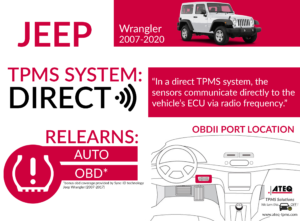
Using diagnostic tools can simplify turning off the TPMS light on your Jeep Wrangler. These tools connect to your vehicle’s system and allow you to read and clear error codes.
They also help adjust settings related to the tire pressure monitoring system. This method is more reliable than manual resets and provides detailed feedback on your vehicle’s status.
Several diagnostic tools work well with Jeep Wranglers. They range from simple OBD-II interfaces to advanced modules designed specifically for Jeep models.
Pairing these tools with the right software can make the process quick and easy, even for beginners.
Obd-ii Interface And Apps
The OBD-II interface is a basic diagnostic tool that plugs into your Jeep’s OBD port. It reads data from your vehicle’s computer, including TPMS warnings.
Many smartphone apps work with OBD-II adapters to display and clear trouble codes.
Apps like Torque or Car Scanner connect via Bluetooth to the OBD-II device. They show live data and allow you to reset the TPMS light after fixing tire pressure issues. This method is affordable and user-friendly.
Jscan And Jscan Docs
JScan is a specialized software for Jeep and Chrysler vehicles. It offers deep access to system settings, including TPMS controls.
JScan Docs provides detailed instructions on using the software for various functions.
Using JScan, you can deactivate or reset the TPMS light directly from your phone or computer. It supports advanced features like programming and sensor diagnostics.
This tool is excellent for Jeep owners who want more control over their vehicle’s systems.
Z Automotive Taser Module
The Z Automotive Taser module is a powerful programmer designed for Jeep Wranglers. It connects to your vehicle and lets you customize TPMS warning thresholds.
This means you can adjust when the light comes on based on your preferences.
This module is ideal for off-road enthusiasts who run different tire pressures. It also allows for other vehicle customizations beyond TPMS.
Using the Taser module requires a bit of technical knowledge but offers the most flexibility.
Disabling Tpms Warning Light
The TPMS (Tire Pressure Monitoring System) warning light alerts you when tire pressure is too low. Sometimes, this light stays on even after fixing the pressure or when using different tires.
Disabling the TPMS warning light in a Jeep Wrangler can stop the constant alert. This section explains when to disable it, how to do it safely, and the risks involved.
When And Why To Disable
Disabling the TPMS light makes sense if it stays on by mistake. For example, after changing tire sizes or using off-road tires without sensors.
Some drivers prefer to turn off the light during winter when tire pressure often fluctuates. It helps avoid distractions from false warnings.
Only disable it if you regularly check your tire pressure manually.
Step-by-step Deactivation
Start by connecting an OBD-II scanner to your Jeep’s diagnostic port. Use a TPMS-compatible app or tool to access the vehicle’s settings.
Find the TPMS menu and select “Deactivate” or “Off.” Confirm the change and turn off the ignition. Wait a few seconds, then restart the vehicle.
The TPMS warning light should now be off.
Alternatively, some Jeep models allow manual reset. Inflate all tires to the recommended pressure.
Turn the ignition to the “On” position without starting the engine. Press and hold the TPMS reset button until the light blinks three times.
Release the button and start driving. The system will recalibrate and turn off the warning light.
Potential Risks
Disabling TPMS removes automatic tire pressure alerts. This can lead to driving on underinflated tires.
Low tire pressure causes poor fuel economy and uneven tire wear. It also increases the chance of tire blowouts and accidents.
Ignoring tire pressure can damage your Jeep’s suspension and handling. Always check tire pressure regularly if the TPMS light is off.

Advanced Tpms Settings
Advanced TPMS settings offer more control over your Jeep Wrangler’s tire pressure monitoring system. These settings help customize the system to better suit your driving needs.
Adjusting these options can prevent the TPMS light from turning on unnecessarily.
Understanding and using these settings requires some familiarity with your vehicle’s menu and diagnostic tools. This section covers three key areas to manage the TPMS light effectively.
Adapting Tpms Thresholds
Adapting TPMS thresholds changes the pressure level that triggers the warning light. This is useful if you often drive with different tire pressures.
You can raise or lower the threshold to match your preferred tire pressure.
Lowering the threshold prevents the light from turning on too early. Raising it ensures you get alerts only for serious pressure drops.
Use a diagnostic tool or vehicle menu to adjust these settings carefully.
Tpms On/off Options
Some Jeep Wranglers allow you to turn the TPMS system on or off through advanced settings. Disabling TPMS stops the warning light from appearing, but you lose tire pressure alerts.
This option is usually found in the vehicle’s settings or via diagnostic software.
Turning off TPMS is not recommended for regular driving. It may be helpful if you use non-standard tires or off-road setups that confuse the system. Always weigh the risks before deactivating TPMS.
Resetting TPMS through the vehicle menu clears the warning light after fixing tire pressure issues. Access the reset option in the Jeep’s settings under the TPMS or tire pressure section. Follow the prompts to complete the reset.
This method is simple and does not require external tools. Use it after inflating tires to the correct pressure or after changing tires.
The reset helps the system relearn the correct pressure values.
Troubleshooting Persistent Tpms Light
The persistent TPMS (Tire Pressure Monitoring System) light on a Jeep Wrangler can signal deeper problems beyond low tire pressure. Troubleshooting this warning requires checking several key areas.
Addressing these issues can help turn off the light and ensure your vehicle remains safe on the road.
Sensor Malfunctions
TPMS sensors monitor tire pressure and send signals to the vehicle’s computer. Sometimes, sensors fail due to damage or wear.
A faulty sensor may cause the light to stay on even if tire pressure is correct. Inspect each tire sensor for cracks or corrosion.
Replace any sensor that no longer sends accurate data. Sensor malfunctions often need specialized tools for diagnosis and repair.
Wiring And Battery Issues
Wiring problems can disrupt communication between TPMS sensors and the vehicle. Check for loose connections or damaged wires near each tire and inside the wheel well.
A weak or dead sensor battery also triggers a persistent light. Sensor batteries usually last several years but cannot be replaced separately.
The entire sensor must be swapped if its battery dies.
Professional Help
Persistent TPMS issues may require expert attention. Mechanics have the tools to scan and reset the system properly.
They can reprogram sensors or replace faulty parts quickly. Professional diagnostics ensure no hidden problems remain.
Seek help if basic troubleshooting does not clear the TPMS light. Proper repairs keep your Jeep Wrangler safe and avoid unnecessary warning lights.
Preventing Future Tpms Issues
Keeping the TPMS light off on your Jeep Wrangler means preventing future issues. A well-maintained tire system helps the sensors work correctly.
This lowers the chance of warning lights showing up unexpectedly. Simple steps can keep your TPMS in good shape for a long time.
Regular Tire Maintenance
Check tire pressure at least once a month. Use a reliable pressure gauge for accuracy.
Keep tires inflated to the recommended levels found in your owner’s manual. Rotate tires every 6,000 to 8,000 miles.
This promotes even wear and helps sensors read pressure correctly. Inspect tires for damage like cuts or bulges.
Damaged tires can cause sensor errors and trigger the TPMS light.
Seasonal Tire Changes
Change tires based on the season to match road conditions. Use winter tires in cold months and switch to all-season or summer tires when it’s warm.
Proper seasonal tires improve grip and safety. When changing tires, ensure sensors are transferred or replaced correctly.
Incorrect sensor handling during changes can cause TPMS malfunctions.
Using Quality Sensors
Choose high-quality sensors designed for your Jeep model. Cheap or incompatible sensors may fail quickly.
Replace sensor batteries when they get weak, usually every 5 to 7 years. Use professional installation services for sensors.
Proper installation avoids damage and ensures accurate pressure readings. Quality sensors last longer and reduce false TPMS warnings.
Frequently Asked Questions
How To Disable Tpms On Jeep Wrangler?
To disable TPMS on a Jeep Wrangler, use an OBD-II scanner with TPMS functions. Access TPMS settings, then deactivate the system.
Alternatively, disconnect the battery briefly to reset the TPMS light. For advanced control, use a programming tool like the Z Automotive Taser module.
How To Clear Tire Pressure Light On Jeep Wrangler?
Check and inflate all tires to the recommended pressure. Drive for several minutes to reset the TPMS light.
Use a TPMS reset button if available. Disconnecting the battery for a few minutes can also clear the light.
For persistent issues, use a diagnostic tool or visit a mechanic.
How Do You Manually Turn Off The Tpms Light?
To manually turn off the TPMS light, ensure correct tire pressure first. Then, turn off the vehicle, disconnect the positive battery cable, honk the horn for a few seconds, reconnect the battery, and restart the vehicle.
This resets the system and clears the TPMS warning light.
How Do I Turn Off My Jeep Psi Alert?
To turn off your Jeep psi alert, ensure tires have correct pressure. Then, drive for a few minutes.
If the light persists, reset the system by disconnecting the battery for a few minutes or use a diagnostic tool like a Z Automotive Taser or OBD interface to disable the TPMS alert.
Conclusion
Turning off the TPMS light on your Jeep Wrangler is simple with the right steps. Check your tire pressure first to ensure safety.
Use manual resets or diagnostic tools if needed. Remember, the light signals important tire conditions.
Regularly monitor your tires to avoid future alerts.
Taking care of your Jeep keeps you safe on the road. Keep these tips handy for quick TPMS light fixes anytime.