If you see a warning light glowing on your Jeep Wrangler’s dashboard, it can be confusing and even a little alarming. You might wonder, “Is this something urgent?
Can I keep driving, or do I need to stop right away? ” Knowing what those warning lights mean is key to keeping your Jeep safe and reliable on the road. You’ll learn exactly what each warning light on your Jeep Wrangler is trying to tell you.
By the time you finish reading, you’ll feel confident spotting trouble early and taking the right steps to protect your vehicle and your peace of mind. Don’t ignore that light understanding it could save you time, money, and a whole lot of stress.

Common Warning Lights
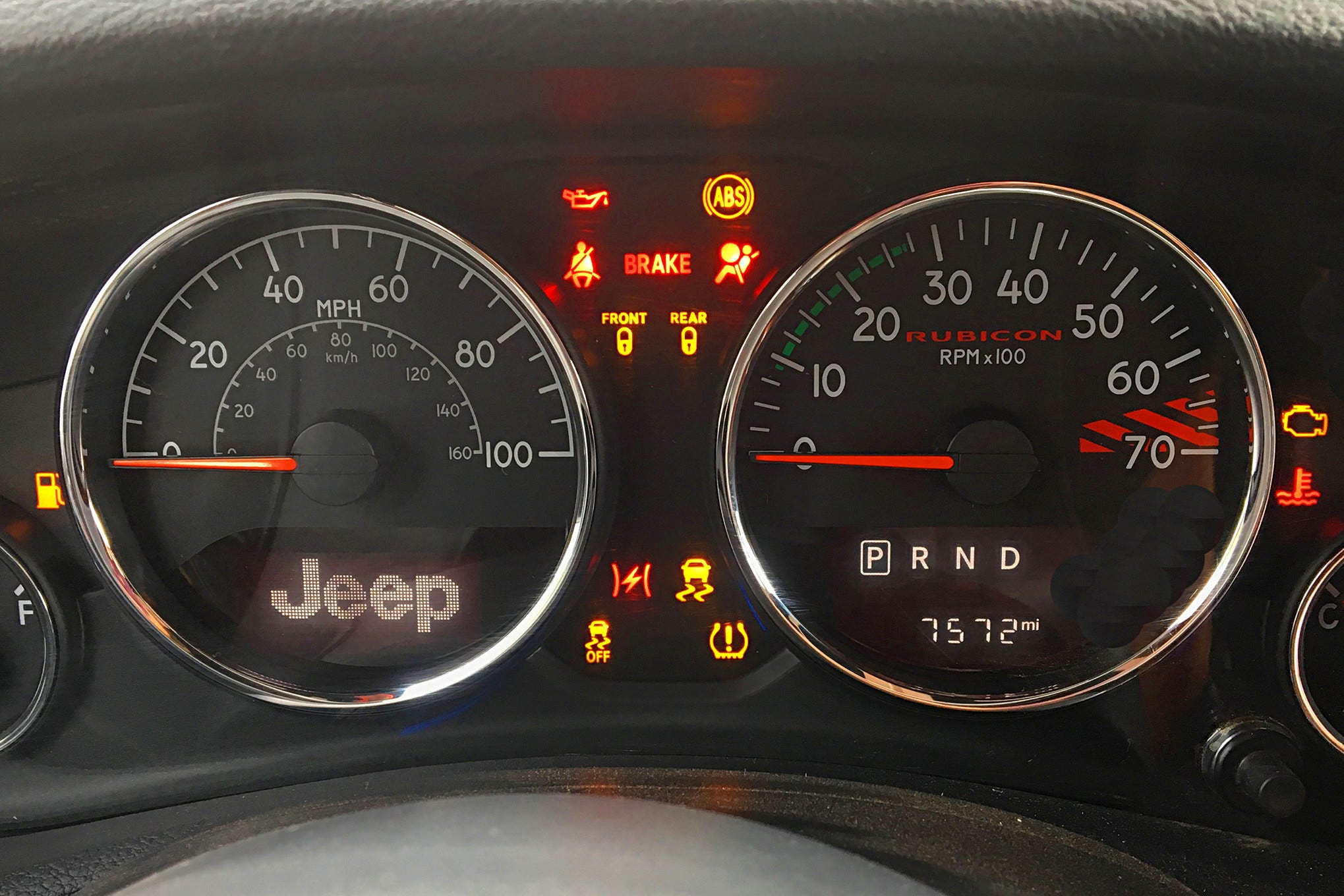
Understanding the common warning lights on your Jeep Wrangler helps keep you safe and your vehicle in top shape. These lights signal different issues or statuses about your vehicle.
Some require immediate action, while others are just informative. Recognizing the color and symbol can guide your next steps effectively.
Red Warning Lights
Red warning lights mean urgent problems. They demand immediate attention to avoid damage or danger.
Examples include the oil pressure light, brake warning, and engine temperature alert. If a red light appears, stop driving soon and check the issue.
Yellow Warning Lights
Yellow lights indicate caution. They warn you of potential problems that need checking soon.
Common yellow lights are the check engine light, tire pressure warning, and traction control alert. These lights let you continue driving but suggest a visit to a mechanic.
Green And Blue Indicators
Green and blue lights show normal vehicle operation. They inform you about active systems like headlights, cruise control, or turn signals.
These lights do not indicate problems but help you understand what features are on.
Red Warning Light Fixes
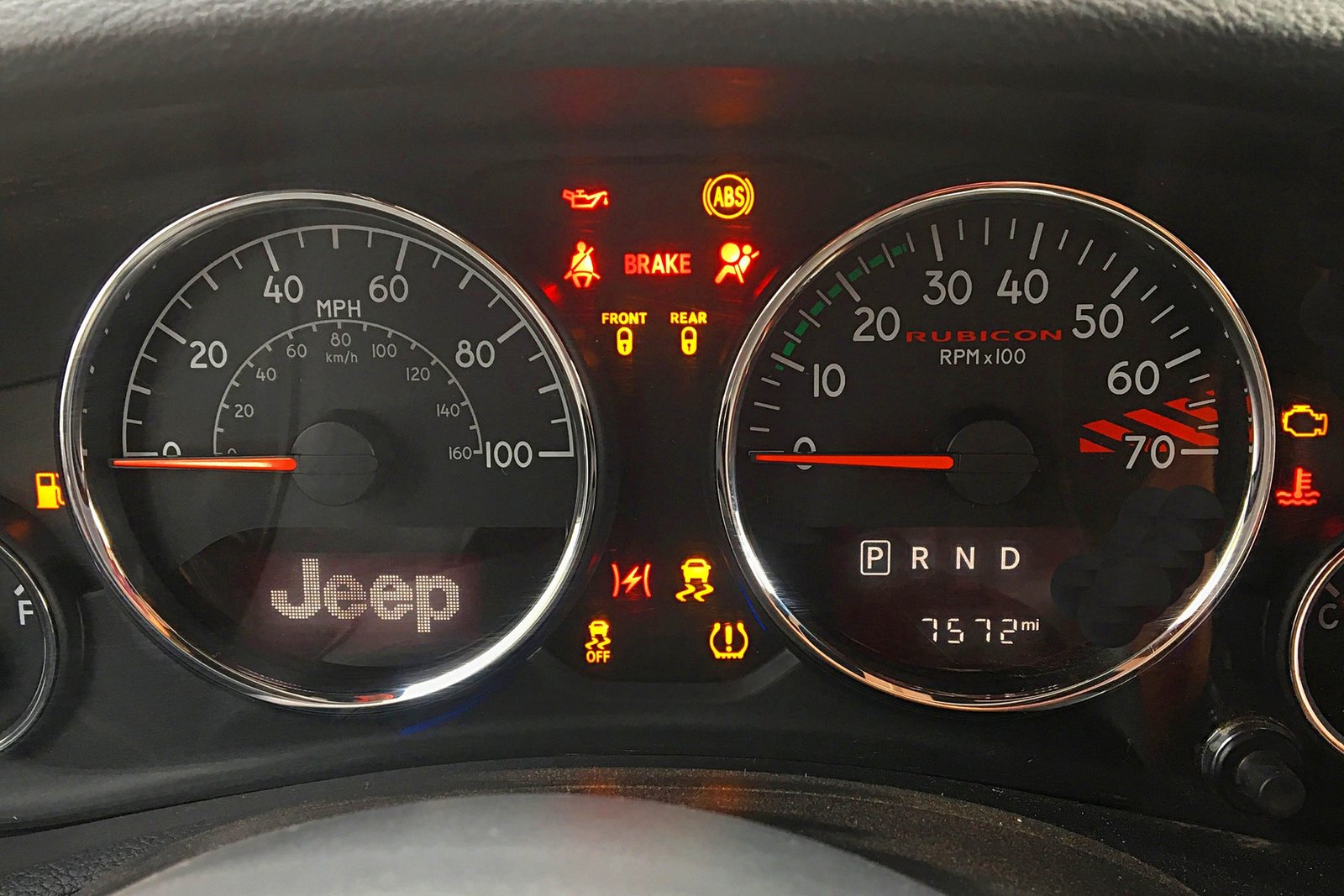
The red warning light on your Jeep Wrangler signals a serious issue. These alerts demand quick attention to avoid damage or safety risks.
Each light points to a specific problem. Understanding the fix helps you act fast and keep your Jeep safe.
Oil Pressure Light Solutions
The oil pressure light means low oil pressure. Stop your Jeep immediately.
Check the oil level using the dipstick. Add oil if it is low.
If the light stays on, do not drive. A faulty oil pump or leak may cause this. Call a mechanic for a full check.
Engine Temperature Warning
This light means the engine is overheating. Pull over and turn off the engine.
Check coolant levels once the engine cools down. Add coolant if it is low.
Inspect the radiator and hoses for leaks. A broken thermostat or water pump might be the cause. Get professional help if needed.
Brake System Alerts
The brake warning light signals brake issues. Check the brake fluid level first.
Low fluid can cause this warning. Look for leaks around the brake lines.
Worn brake pads or a faulty sensor may trigger the light. Do not drive until brakes are fully checked and fixed.
Battery And Charging Issues
A battery warning light means charging trouble. It shows the battery is not charging properly.
Check the battery terminals for corrosion. Tighten loose connections.
The alternator or battery could be failing. Test the charging system at a repair shop to avoid a dead battery.
Yellow Warning Light Fixes
The yellow warning lights on your Jeep Wrangler dashboard signal issues that need attention but are not urgent emergencies. These lights help you maintain your vehicle’s health and avoid costly repairs.
Fixing these warnings quickly keeps your Jeep running smoothly.
Below are common yellow warning lights and simple steps to address each one. Follow these guides to understand and resolve the warnings effectively.
Check Engine Light Steps
The check engine light indicates a problem with the engine or emissions system. Start by checking the gas cap.
A loose or damaged cap can trigger this light. Tighten or replace the cap if needed.
If the light stays on, get a diagnostic scan at a repair shop. The scan reveals specific trouble codes.
These codes help mechanics find and fix the exact issue fast.
Tire Pressure Monitoring
The tire pressure warning alerts you to low air in your tires. Use a pressure gauge to check each tire.
Inflate tires to the recommended level listed in the owner’s manual or door sticker.
After adjusting tire pressure, the warning light should turn off after driving a short distance. If the light remains, the tire pressure sensor might need inspection or replacement.
Loose Gas Cap Warning
A yellow warning light shaped like a fuel pump means the gas cap is loose or missing. This can allow fuel vapors to escape and cause emissions problems.
Turn off the engine, open the gas cap, and tighten it until you hear it click. If the light stays on after a few drives, replace the gas cap with a new one designed for your Jeep.
Master Warning Light
The master warning light signals a general issue requiring your attention. Check your dashboard for other warning lights or messages explaining the problem.
This light often appears with alerts like low washer fluid or a door ajar. Fix these smaller issues to clear the master warning light.
If it remains, have your Jeep inspected by a professional.
Auto Start-stop System Alerts
The Auto Start-Stop system in your Jeep Wrangler helps save fuel by turning off the engine at stops. It restarts automatically when you release the brake.
This system uses alerts to inform you about its status or any issues. Understanding these alerts can keep your vehicle running smoothly and avoid surprises on the road.
Meaning Of ‘a’ With Circle Light
The ‘A’ inside a circle on your dashboard shows the Auto Start-Stop system status. A green light means the system is active and ready to work.
A yellow or orange light signals a problem or that the system is temporarily off. A red light means the system is disabled and needs attention.
This light can also flash, which means the system tried to engage but failed. It often happens in certain conditions, like low battery or engine temperature outside normal range.
Knowing this symbol helps you understand when your Jeep is saving fuel or when the system needs help.
Troubleshooting Auto Start-stop Issues
Start by checking if your seatbelt is fastened and the door is closed. The system may not work if these are not secure.
Look for any other warning lights that might signal related problems, like battery or brake alerts.
Low battery charge can stop the Auto Start-Stop from working. Try charging or replacing the battery if needed.
Dirty sensors or faulty brake switches can also cause issues. A quick visit to a mechanic can diagnose and fix these problems.
Resetting the system might help. Turn off the engine, wait a few minutes, then restart your Jeep.
This can clear minor glitches. Always follow your owner’s manual for specific steps and safety precautions.
Abs And Traction Control Lights
The ABS and traction control lights on your Jeep Wrangler’s dashboard signal key safety features. These systems help keep control on slippery roads.
When these lights come on, they warn you about possible problems.
Understanding what triggers these lights helps maintain your Jeep’s performance. It also ensures safer drives in tough conditions.
Addressing these warnings early can prevent bigger issues.
Causes Of Abs Warning
The ABS light usually appears due to sensor problems. Dirt or damage to wheel speed sensors is common.
Faulty ABS modules also cause the light to turn on. Low brake fluid levels can trigger this warning too.
Sometimes, a blown fuse or wiring issue is the cause.
ABS warnings mean the anti-lock brake system is not working. Your Jeep will still brake, but without the ABS function.
This can increase stopping distance on slippery roads. Check sensors and fluid levels first. Repair or replace damaged parts as needed.
Fixing Traction Control Problems
The traction control light comes on when the system detects slippage or a fault. Common causes include wheel sensor errors or dirty sensors.
A malfunctioning traction control module may also be the issue. Sometimes, the light appears after a system reset or battery change.
Start by inspecting wheel sensors for dirt or damage. Clean or replace them if needed.
Reset the traction control system by turning the vehicle off and on. If the light stays on, a professional scan tool can find deeper faults.
Repair or replace faulty components to restore traction control.
Battery And Electrical Warnings
The battery and electrical system play a vital role in your Jeep Wrangler’s performance. Warning lights related to these systems signal possible issues that need attention.
Ignoring them can lead to unexpected breakdowns or costly repairs.
Electrical warnings often involve the battery, alternator, or wiring. These alerts help protect your vehicle by notifying you early about faults.
Understanding these warnings ensures your Jeep stays reliable and ready for the road.
Signs Of A Dying Battery
A dying battery often causes dim headlights and slow engine starts. You may notice the electrical accessories working erratically.
The battery warning light on the dashboard may glow or flash. Strange clicking sounds when turning the key also suggest battery problems.
Regular checks can prevent being stranded due to battery failure.
Charging System Checks
The charging system keeps the battery powered while driving. The alternator is key to this process.
A faulty alternator triggers the battery warning light. Testing the voltage output confirms if the system works correctly.
If voltage is low, the battery will not charge properly. Have a mechanic inspect the charging system to avoid electrical failure.
Quick Diagnostic Tips
Seeing a warning light on your Jeep Wrangler’s dashboard can cause concern. Quick diagnostics help you understand the issue fast.
This saves time and avoids further damage. Follow these simple steps to check what’s wrong.
Using An Obd-ii Scanner
An OBD-II scanner reads error codes from your Jeep’s computer. Plug it into the port under the dashboard. Turn on the ignition without starting the engine. The scanner will display codes that explain the problem.
Write down the codes and look them up online. This gives you clear information on the warning light cause.
Many auto parts stores offer free code reading. Using this tool is a fast way to spot issues early.
Visual Inspection Checklist
Check the basics first. Look under the hood for loose or damaged wires.
Inspect fluid levels like oil, coolant, and brake fluid. Low fluids often trigger warning lights.
Examine tire pressure with a gauge. Low or uneven pressure can cause alerts.
Check the battery terminals for corrosion or loose connections. Look for any leaks or broken parts around the engine bay.
A quick visual check can catch easy fixes before problems worsen.
When To Seek Professional Help
Some warning lights mean serious problems. Red lights, like oil pressure or brake warnings, need immediate attention.
If the OBD-II codes are unclear or keep returning, visit a mechanic. Persistent or multiple warning lights require expert diagnosis.
Do not ignore flashing check engine lights. These signals could mean engine misfires or damage.
Professionals have tools and experience for complex repairs. Trust their help to keep your Jeep safe and reliable on the road.

Preventive Maintenance
Preventive maintenance keeps your Jeep Wrangler running smoothly. It helps avoid warning lights that signal trouble.
Regular care protects your vehicle and your safety. Simple checks save costly repairs and downtime.
Take time to maintain key systems. Your Jeep will thank you with better performance and reliability.
Regular Fluid Checks
Check engine oil, coolant, brake fluid, and transmission fluid often. Low fluid levels cause warning lights to appear on the dashboard.
Dirty or old fluids reduce engine efficiency and can damage parts. Use the recommended type and replace fluids on schedule.
Always inspect for leaks under your Jeep. Proper fluid care keeps the engine healthy and warning lights off.
Tire Pressure Maintenance
Maintain correct tire pressure for safety and fuel efficiency. Low tire pressure triggers the tire pressure warning light.
Check pressure monthly and before long trips. Use a reliable gauge and inflate tires to the recommended PSI.
Uneven or low pressure wears tires faster and affects handling. Keep tires in good shape to avoid warning alerts and drive confidently.
Battery Care Tips
Inspect your Jeep’s battery regularly for corrosion and tight connections. A weak or failing battery causes the battery warning light to glow.
Clean terminals and secure cables to ensure good contact. Test the battery voltage and replace it if it shows signs of weakness.
Proper battery care prevents starting problems and electrical issues. Stay ahead of warning lights with simple battery checks.
Frequently Asked Questions
What Is The Warning Light On A Jeep Wrangler?
The warning light on a Jeep Wrangler signals issues like low oil pressure, engine problems, tire pressure, or brake system faults. Red lights need immediate attention, while yellow lights indicate issues to monitor soon. It helps ensure vehicle safety and performance.
What Does A Car With Squiggly Lines Mean On A Jeep?
A car with squiggly lines on a Jeep indicates the traction control or electronic stability system is active or has an issue. It helps maintain control on slippery surfaces.
Check the system if the light stays on continuously.
What Are The Common Dashboard Warning Lights?
Common dashboard warning lights include check engine, oil pressure, battery, brake system, tire pressure, and master warning lights. Red lights signal urgent issues; yellow lights advise soon checks.
How Do I Know If My Jeep Battery Is Dying?
Signs your Jeep battery is dying include slow engine crank, dim headlights, and warning lights on the dashboard.
Conclusion
Pay close attention to your Jeep Wrangler’s warning lights. They help protect your vehicle and ensure safety.
Address red lights immediately to avoid damage. Yellow lights signal the need for soon inspection.
Regular checks keep your Jeep running smoothly. Don’t ignore any warning signs on the dashboard.
Stay informed and act quickly to prevent costly repairs. Safe driving starts with knowing what your Jeep is telling you.