If you’re new to driving a Jeep, the dashboard can look a bit overwhelming. With so many switches, dials, and buttons, finding out how to turn on the lights might feel confusing at first.
But don’t worry Jeep lighting controls are designed to be user-friendly once you know where to look and what to do.
Whether you’re preparing for a nighttime drive, foggy weather, or just want to check your lights, learning how to operate them is essential for safety and confidence on the road.
This guide walks you through every step, explains the different types of lights, and shares tips that even experienced drivers sometimes miss.
Understanding Jeep Lighting Controls
Before you reach for the switch, it helps to know what types of lights your Jeep has and where their controls are located. Most modern Jeeps, like the Wrangler, Cherokee, and Grand Cherokee, share similar lighting systems, but older models or special editions may vary.
Main Types Of Jeep Lights
- Headlights: Standard front-facing lights for driving at night.
- Parking lights: Dimmer lights used when parked or during low-visibility situations.
- Daytime running lights (DRLs): Lights that automatically turn on to make your vehicle more visible during the day.
- Fog lights: Positioned lower on the vehicle, designed for use in fog, rain, or snow.
- Tail lights: Rear lights that activate with the headlights or brakes.
- Turn signals: Indicate your intention to turn or change lanes.
- Interior lights: Illuminate the cabin area.
Control Locations
Most lighting controls in a Jeep are on the left side of the steering wheel, either as a stalk (lever) or a rotary knob. Some models use a combination of both. The exact design can differ between years and trims, so it’s worth checking your Jeep’s manual for specifics.
Step-by-step: How To Turn Jeep Lights On
Turning on your Jeep’s lights doesn’t require advanced skills, but it’s important to follow the correct steps to avoid confusion or safety issues.
1. Locate The Main Lighting Control
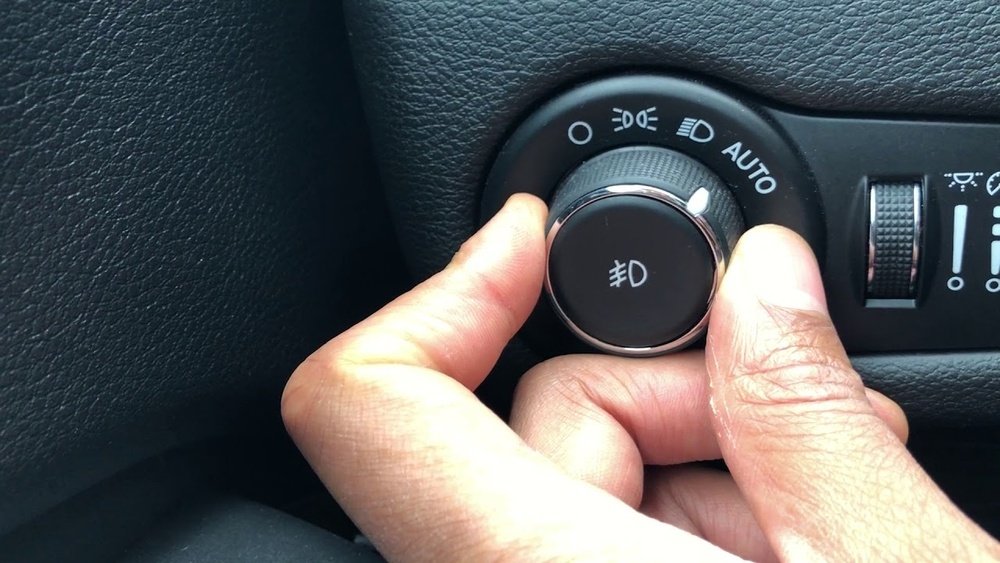
For most Jeeps built after 2000, the main lighting knob is on the left dashboard, just next to the steering wheel. In older models, you might find a lever sticking out from the steering column.
2. Identify The Light Symbols
Jeep lighting controls use universal automotive symbols to show each function. Here are the most common:
- O: Off
- ⎯: Parking lights
- ⏽: Headlights
- ☀ or A: Automatic mode
- ☁: Fog lights
Knowing these symbols helps you quickly select the right setting.
3. Turning On Headlights
- Turn the main knob or rotate the end of the stalk from “O” (Off) to the headlight symbol (⏽).
- On some Jeeps, you may need to pull the knob out or push it to activate different modes.
- For automatic headlights, set the control to the “A” or “AUTO” position. The lights will turn on or off based on outside light conditions.
4. Activating Parking Lights
- Rotate the knob to the parking light symbol (⎯).
- Parking lights are dimmer than headlights and are usually used when you’re stopped in low light but don’t need full headlights.
5. Using Fog Lights
- First, turn on your headlights.
- Then, pull the knob outwards (on rotary designs) or press the fog light button.
- The fog light indicator will appear on your dashboard.
- Remember: Fog lights are only for poor visibility conditions, not regular driving.
6. Turning On Interior Lights
- Interior lights usually turn on when you open a door.
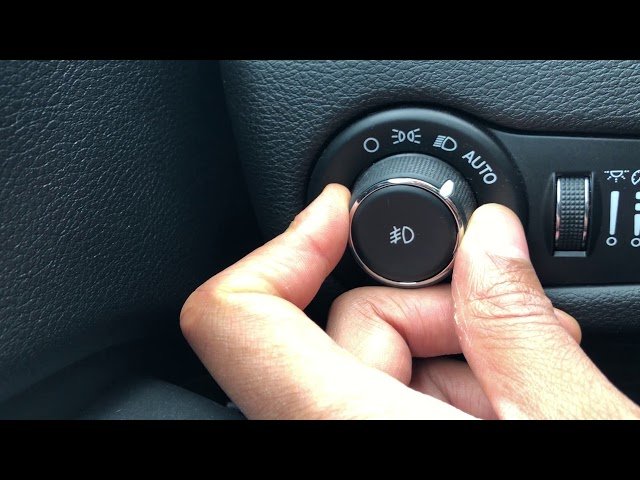
- To manually turn them on, rotate the dimmer wheel (located next to the main lighting knob) all the way up until it clicks.
7. Switching Between High And Low Beams
- Push or pull the left stalk (turn signal lever) to switch between high beams and low beams.
- A blue indicator light on your dashboard shows when high beams are on.
Special Features In Modern Jeeps
Newer Jeep models offer extra lighting features for convenience and safety.
Automatic Headlights
Many recent Jeeps use light sensors to detect when it’s dark and automatically turn on your headlights. If you set the knob to “AUTO,” you won’t need to worry about forgetting your lights.
Daytime Running Lights (drls)
DRLs are always on when the engine is running, making your vehicle more visible during the day. You can’t always control these manually they operate automatically.
Adaptive Front-lighting Systems
Some high-end Jeep trims offer adaptive headlights, which turn in the direction you steer. This helps improve visibility on curves and in tight spaces.
Common Mistakes When Turning On Jeep Lights
New Jeep owners sometimes make small mistakes that can affect safety or battery life.
- Leaving lights on when parked: This can drain your battery. Always switch to “AUTO” or “OFF” before leaving your Jeep.
- Confusing fog lights with headlights: Fog lights are dimmer and aimed low. They aren’t a substitute for headlights.
- Not switching to low beams around other drivers: High beams can blind oncoming traffic. Always dim them when approaching another vehicle.
- Ignoring dashboard indicators: A warning light often appears if a bulb is out or not working correctly.
- Failing to check if the lights are on: In bright city areas, you might not notice if your headlights are off. Confirm with the dashboard indicator or step outside to check.
Jeep Lighting System Comparison: Popular Models
Here’s a quick look at how lighting controls compare across three popular Jeep models.
| Model | Main Control Type | Fog Light Feature | Automatic Lights |
|---|---|---|---|
| Wrangler (2023) | Rotary Knob | Standard | Available |
| Cherokee (2022) | Stalk & Knob | Standard | Standard |
| Grand Cherokee (2023) | Rotary Knob | Standard | Standard |
Differences Between Jeep Lighting Modes
Understanding the different light modes is important for safe driving. Here’s a simple comparison:
| Mode | When to Use | Brightness Level |
|---|---|---|
| Headlights | Night driving, tunnels, low visibility | High |
| Parking Lights | Parking, dawn/dusk, low-visibility stops | Low |
| Fog Lights | Fog, heavy rain, snow | Medium/Low |
| High Beams | Empty roads, rural areas | Very High |
Jeep Lighting Tips For Beginners
Getting the most from your Jeep’s lights means more than just turning them on. Here are practical tips every driver should know:
- Clean your headlights regularly. Dirt can cut visibility by 30% or more.
- Check bulb health every few months. A burned-out light puts you at risk for tickets or accidents.
- Adjust your headlights if the beams seem too high or low. Most Jeeps have a simple screw for this.
- Learn to use fog lights only in poor visibility. Using them in clear weather can annoy other drivers and is illegal in some areas.
- Replace bulbs in pairs. Even if only one is out, the other is likely to fail soon.
Troubleshooting Common Jeep Lighting Issues
Even with new vehicles, light problems can happen. Here’s what to do:
Lights Won’t Turn On
- Check the fuse: A blown fuse is a common cause. Your Jeep’s manual will show the fuse box location.
- Inspect the bulbs: Burned-out bulbs are easy to replace.
- Look at the switch: If the knob or stalk feels loose, it might be broken.
Only Some Lights Work
- Wiring issues can cause one light to work while others don’t. Check for loose connections, especially after off-roading.
- Moisture in the housing can short out bulbs. Dry out the area and replace the bulb if needed.
Dashboard Lights Are Dim
- Adjust the dimmer wheel on your dashboard. If that doesn’t help, the bulb behind the dash may need replacing.
A Word On Aftermarket Jeep Lights
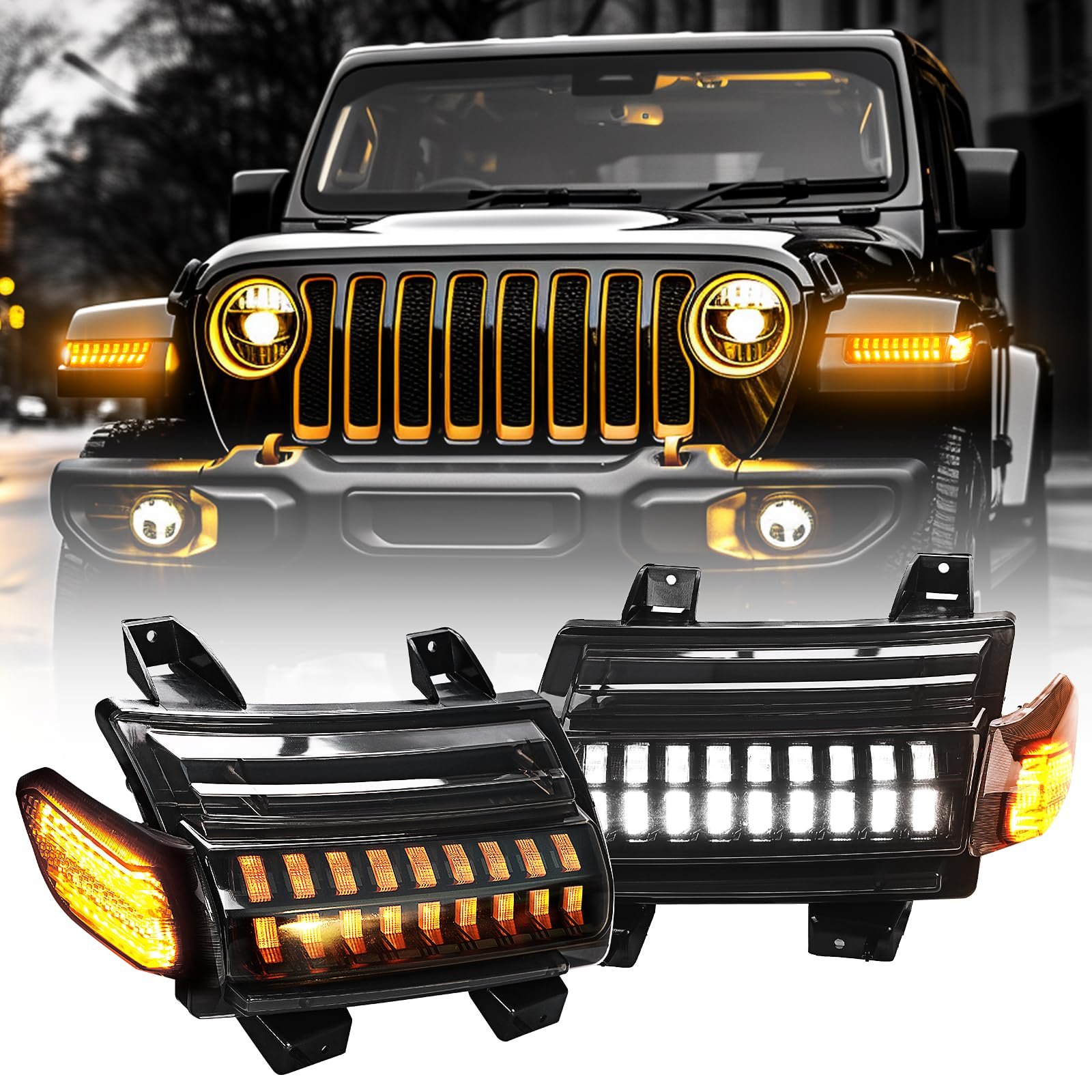
Many Jeep owners like to add LED light bars, extra fog lights, or colored accent lights. While these can improve visibility, always check your local laws before installing. Some states restrict the use of certain lights on public roads. Improper wiring can also cause electrical problems, so if you’re not comfortable with installation, it’s best to have a professional do the work.
Real-world Example: Turning On Jeep Wrangler Lights
Let’s say you just bought a 2023 Jeep Wrangler. Here’s how you’d turn on the lights for a night drive:
- Sit in the driver’s seat and locate the rotary knob left of the steering wheel.
- Turn the knob from “O” to the headlight symbol (⏽).
- For fog lights, pull the knob outwards.
- To switch to high beams, push the turn signal stalk away from you.
- Adjust the dimmer wheel upward to brighten the dashboard if needed.
You’ll see the headlight and fog light indicators on your dash. Once you’re done, always turn the knob back to “AUTO” or “O” to avoid battery drain.
Jeep Lighting System Safety Facts
- According to the National Highway Traffic Safety Administration, nearly 50% of traffic deaths happen at night, even though only 25% of driving occurs after dark.
- Dirty headlights can reduce your light output by up to 80%.
- LED headlights are now standard or optional on most Jeep models, offering up to 90% longer life compared to halogen bulbs.
Jeep Light Controls: Quick Reference Guide
Here’s a fast overview for when you’re in a hurry:
- Headlights: Turn knob to ⏽ or set to AUTO.
- Parking lights: Turn knob to ⎯.
- Fog lights: Pull knob out or press button (must have headlights on).
- High beams: Push/pull stalk (watch for blue dashboard light).
- Interior lights: Rotate dimmer wheel up.
Additional Resources
For more details, you can always check the official Jeep Owner’s Manual. This site provides free PDF manuals for nearly every Jeep model and year.
Frequently Asked Questions
How Do I Know If My Jeep’s Headlights Are On?
Look for the headlight indicator on your dashboard, which lights up when your headlights are active. You can also step outside and check the front of your Jeep to be sure.
Why Won’t My Jeep’s Fog Lights Turn On?
Fog lights only work when the headlights are on (not just parking lights). Make sure you’ve turned on the main headlights first, then activate the fog lights using the knob or button.
What Should I Do If My Jeep’s Lights Stay On After I Turn Off The Engine?
Many Jeeps have a delay feature that keeps the lights on for a minute or two for safety. If they stay on longer, check that the switch is set to “AUTO” or “OFF.” If the problem continues, a faulty relay or switch may be the cause.
Can I Upgrade My Jeep’s Headlights To Leds?
Yes, most Jeeps allow you to upgrade to LED headlights. Choose bulbs that match your vehicle’s specifications and follow local regulations. Consider professional installation if you’re not familiar with wiring.
How Do I Adjust The Brightness Of My Dashboard Lights?
Use the dimmer wheel or dial next to the main lighting control. Rotate it up to increase brightness and down to dim the lights. If the dash remains dim, the backlight bulb may need replacing.
Getting comfortable with your Jeep’s lighting system is a small step that makes a big difference in both safety and driving enjoyment. With these steps, you’ll be ready for any road or weather condition.