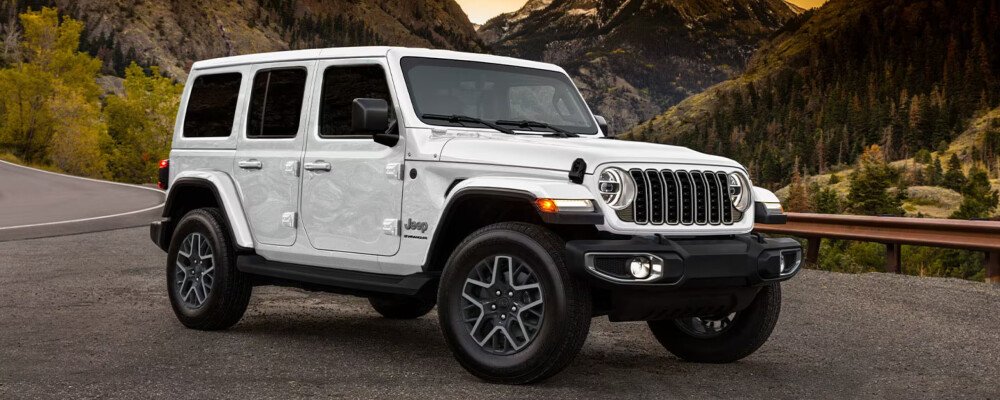
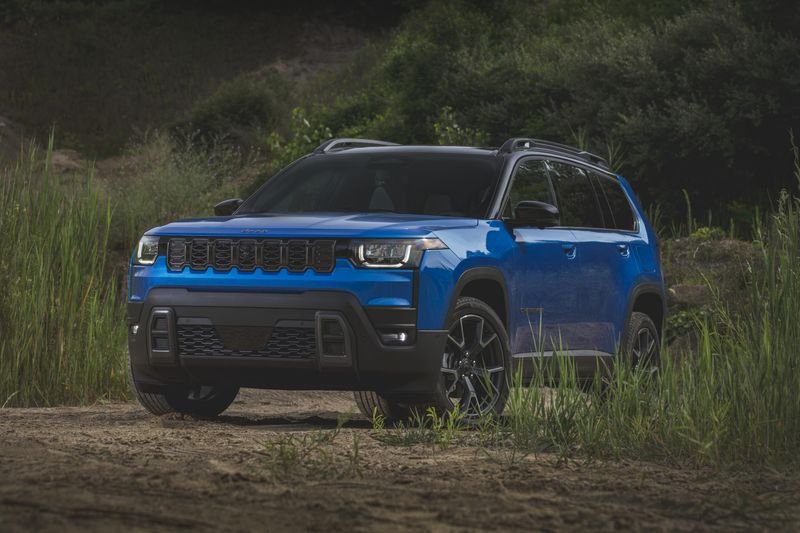
Owning a Jeep is all about adventure, but every trip costs money. Gas prices keep rising, and many Jeep owners worry about their mileage. If you want to save money and go further on each tank, tuning your Jeep’s engine is a smart move. You don’t need to be a mechanic to boost fuel efficiency. With the right steps, even beginners can see real results. Let’s explore practical ways to tune your Jeep’s engine for better mileage, avoid common mistakes, and make your next journey more affordable.
Understanding Jeep Engine Tuning
Tuning is more than just fixing parts. It’s about making small changes that help your engine work smarter, not harder. Most Jeep engines—like the Pentastar V6 or the older AMC straight-six—are built for power, not economy. But with careful tuning, you can improve mileage by 10–20% without losing performance.
Many Jeep owners skip tuning because they think it’s complicated or expensive. In reality, regular attention can prevent issues and save money long-term. For example, a dirty air filter can reduce mileage by up to 10%. Ignoring spark plugs can cause rough idling and waste gas. These are simple fixes that make a big difference.
Essential Steps For Better Mileage
1. Change Air Filter Regularly
A clean air filter helps your engine “breathe.” When the filter is clogged, your engine uses more fuel. Experts suggest changing the filter every 12,000–15,000 miles. If you drive off-road or in dusty areas, change it sooner.
2. Upgrade Spark Plugs
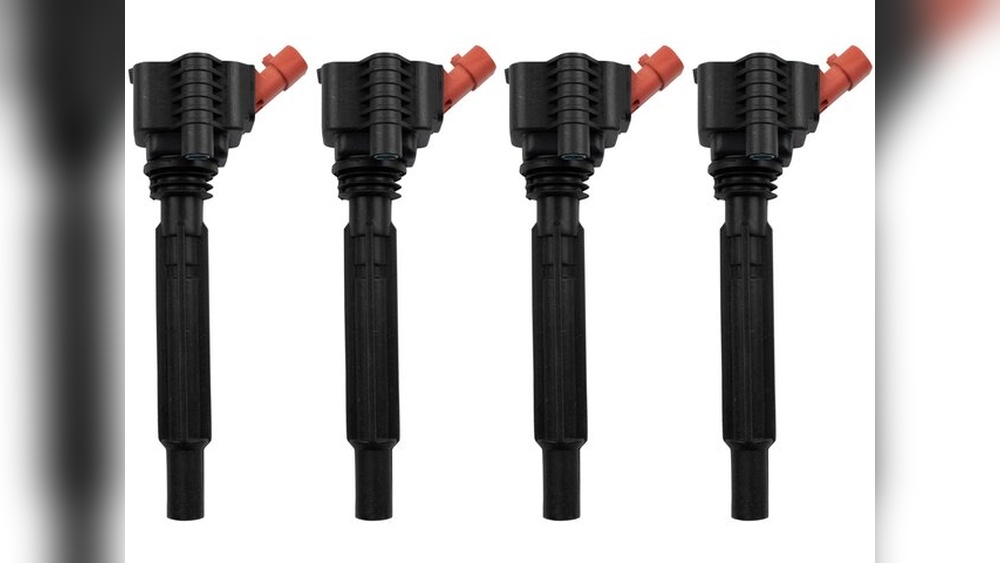
Old or worn spark plugs cause misfires and lower efficiency. For Jeeps, use high-quality platinum or iridium plugs. Replace them every 30,000–40,000 miles. This simple step can improve mileage by 2–4%.
3. Adjust Tire Pressure
Under-inflated tires create more friction, making your engine work harder. Check your tire pressure monthly.
The right PSI is usually listed on the driver’s door. Keeping tires properly inflated can boost mileage by up to 3%.
4. Use Synthetic Oil
Synthetic oil reduces friction and keeps the engine running smoothly. It lasts longer and protects better than regular oil.
Switching to synthetic can improve mileage, especially in extreme temperatures.
5. Clean Fuel Injectors
Dirty fuel injectors waste gas and slow your Jeep. Use a fuel injector cleaner every 10,000 miles or ask your mechanic to clean them. Cleaner injectors mean better combustion and higher mileage.
6. Update Engine Control Unit (ecu)
Many newer Jeeps have an ECU that controls fuel and timing. Updating the software or “flashing” the ECU can optimize fuel mapping.
Some drivers report a 5% increase in mileage after an ECU update.
7. Reduce Extra Weight
Every 100 pounds of extra weight lowers mileage by about 1%. Remove heavy items from your Jeep unless you need them.
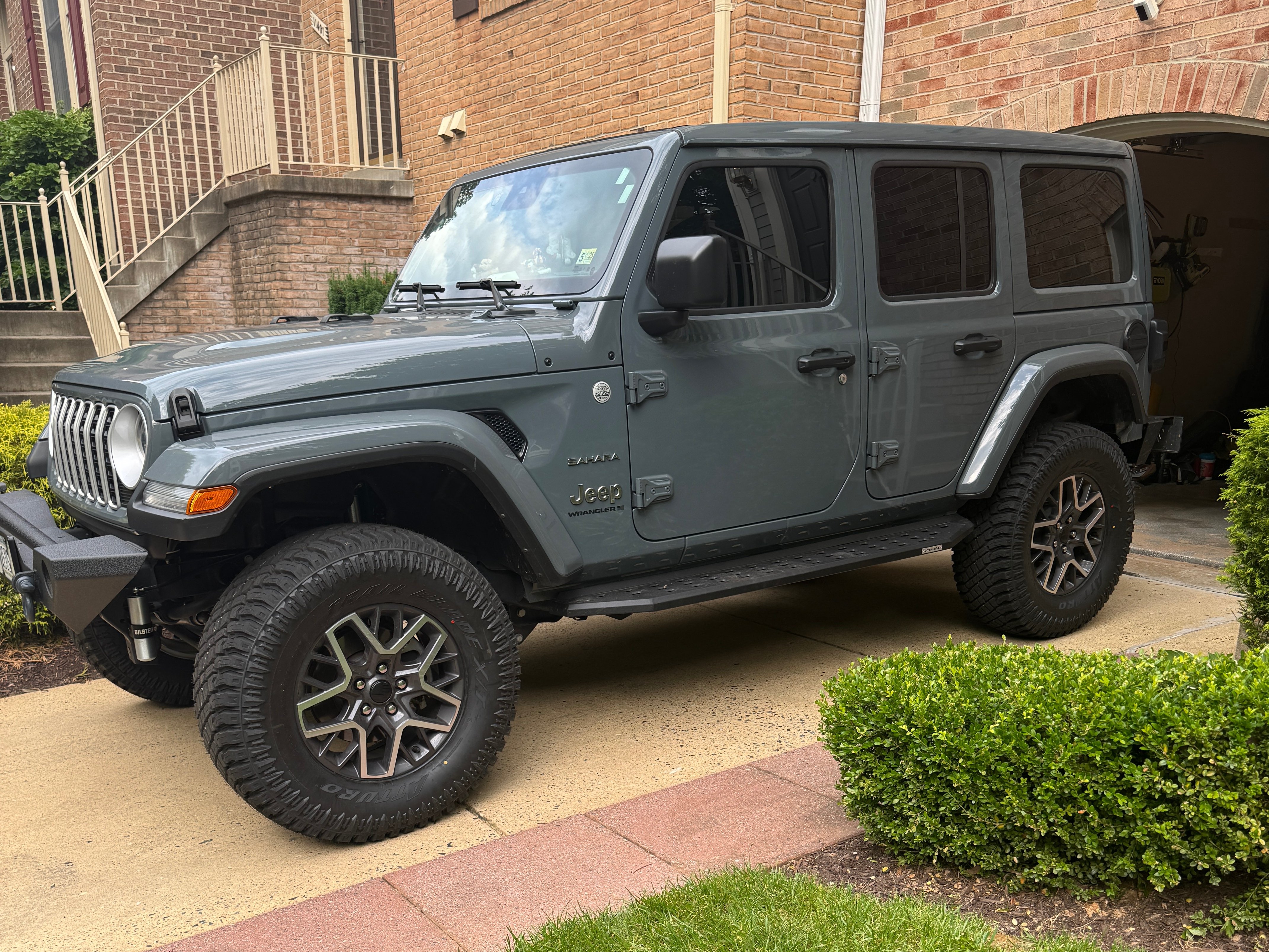
Roof racks and big tires look cool but reduce efficiency.
8. Avoid Aggressive Driving
Quick acceleration and hard braking waste fuel. Try to drive smoothly and keep speeds steady.
Using cruise control on highways can save gas.
9. Maintain Exhaust System
A clogged exhaust affects engine breathing and lowers efficiency. Have your exhaust system checked for leaks or blockages every year.
10. Regular Engine Tune-ups
Schedule a tune-up every 30,000 miles or as recommended. A mechanic will check timing, sensors, and other parts.
Well-tuned engines work better and use less fuel.
Comparing Jeep Engines For Mileage
Choosing the right engine makes a big difference. Here’s a comparison of popular Jeep engines and their average fuel efficiency:
| Engine Model | Horsepower | Average MPG |
|---|---|---|
| Pentastar V6 | 285 hp | 18–21 mpg |
| EcoDiesel V6 | 260 hp | 22–29 mpg |
| AMC Straight-Six | 190 hp | 15–18 mpg |
Common Mistakes Jeep Owners Make
Many Jeep drivers overlook small details that impact mileage:
- Ignoring regular maintenance—missing oil changes and tune-ups
- Using low-quality fuel—cheap gas can cause carbon buildup
- Adding oversized tires—big tires reduce efficiency by 5–10%
- Forgetting about alignment—bad alignment increases tire wear and fuel use
- Leaving roof racks on—creates extra drag, lowers mileage
Avoid these mistakes, and your Jeep will reward you with better fuel economy.
Practical Example: Step-by-step Engine Tune-up
Let’s look at a basic tune-up that any Jeep owner can try:
- Buy a new air filter and spark plugs (check your Jeep’s manual for part numbers).
- Remove the old air filter, insert the new one.
- Replace spark plugs—use a socket wrench and follow the correct gap.
- Check tire pressure and inflate to recommended PSI.
- Pour fuel injector cleaner into your gas tank.
- Change oil to synthetic if you haven’t already.
- Remove extra items from the trunk and roof.
- Test-drive and monitor your mileage.
Most drivers see improvement within 1 2 weeks. Always record your mileage before and after tuning.
Data Table: Mileage Improvement After Tuning
Here’s what you can expect after tuning your Jeep engine:
| Tuning Action | Expected MPG Gain | Cost (Approx.) |
|---|---|---|
| Air Filter Change | +1–2 mpg | $20–$40 |
| Spark Plug Upgrade | +2–4 mpg | $30–$70 |
| Synthetic Oil Switch | +1 mpg | $40–$80 |
| Fuel Injector Cleaning | +1–2 mpg | $10–$25 |
Expert Tips For Long-term Mileage Boost
Two advanced insights many beginners miss:
- Throttle body cleaning: Carbon can build up and reduce engine response. Cleaning the throttle body every 20,000 miles keeps airflow smooth.
- Oxygen sensor replacement: A failing O2 sensor lowers mileage. Replace it every 60,000–100,000 miles for best results.
For more technical info, check trusted sources like Autotrader.
Frequently Asked Questions
How Often Should I Tune My Jeep Engine?
Tune your engine every 30,000 miles, or sooner if you notice rough idling or lower mileage. Regular maintenance keeps your Jeep running efficiently.
What Is The Best Oil For Jeep Engines?
Synthetic oil is best for most Jeep engines. It provides better protection and can improve mileage, especially in hot or cold climates.
Can I Improve Mileage By Changing My Driving Habits?
Yes. Smooth acceleration, steady speeds, and using cruise control can raise your mileage by up to 10%. Avoid aggressive driving for best results.
Do Bigger Tires Affect Fuel Economy?
Bigger tires add weight and increase rolling resistance. This can lower your Jeep’s mileage by 5 10%. Use stock-size tires for best efficiency.
What’s The Cheapest Way To Boost Jeep Mileage?
Changing the air filter and keeping tires properly inflated are low-cost ways to improve mileage. Both take just minutes and can save money over time.
With smart tuning and regular care, your Jeep can deliver better mileage without sacrificing adventure. Try these steps and enjoy more journeys for less.