If you drive a Jeep Wrangler JK, having working tail lights is essential for safety and road legality. Broken or malfunctioning tail lights can lead to accidents or tickets.
Testing your Jeep JK tail lights is not difficult, but it does require a careful approach.
Whether you suspect an issue or just want to check before a trip, this guide explains the process in simple steps. Even if you are not experienced with car electronics, you can follow along with basic tools.
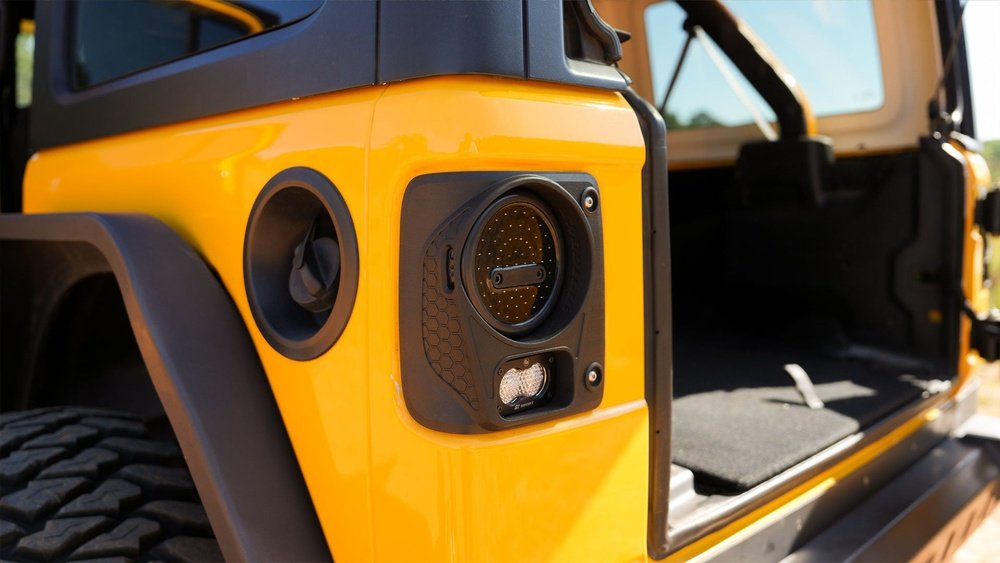
Why Jeep Jk Tail Lights Matter
Your tail lights are more than just red lights at the back of your vehicle. They signal your presence to other drivers, especially in low-light or bad weather. They also include brake lights, turn signals, and sometimes reverse lights. If any part fails, it can be dangerous. According to the National Highway Traffic Safety Administration, more than 20% of rear-end collisions are linked to poor rear visibility, often due to faulty tail lights.
Tools And Materials Needed
Before you start, gather these items:
- Screwdriver set (Philips and flathead)
- 12V test light or multimeter
- Replacement bulbs (if needed)
- Dielectric grease (optional, for better connections)
- Gloves (to keep bulbs clean)
Testing is easier with a friend, but you can manage alone with some tricks.
How To Test Jeep Jk Tail Lights: Step-by-step
1. Visual Inspection
Begin with a quick check:
- Look for cracks, fog, or moisture inside the tail light lens.
- Check for loose or broken wires at the back of the lights.
- Press the brake pedal and have someone confirm if both lights work.
2. Testing The Bulbs
If a tail light is not working, the bulb is often the cause. Here’s how to check:
- Open the tailgate for easier access.
- Remove screws holding the tail light assembly.
- Gently pull out the assembly.
- Twist and remove the bulb socket from the housing.
- Inspect the bulb for dark spots or broken filaments.
- Swap it with a working bulb to test, or use a multimeter to check for continuity (a working bulb will show near zero resistance).
3. Checking Power Supply
If the bulb looks fine but does not light up, the issue may be with the power.
- Use a 12V test light: Connect the clip to a ground (metal part of the body), then touch the probe to the bulb socket contact.
- Have someone turn on the lights or press the brake pedal.
- If the test light glows, power is reaching the socket.
- If not, there may be a wiring issue.
4. Using A Multimeter
A multimeter offers more accurate readings:
- Set it to DC voltage (20V range).
- Place the black lead on a metal ground.
- Touch the red lead to the positive contact in the socket.
- With the lights on, you should see about 12 volts. Lower voltage means a weak connection or corroded wiring.
5. Inspecting The Fuse
Sometimes, a blown fuse is the problem. The fuse box on the Jeep JK is under the hood.
- Open the box and locate the tail light fuse (check your owner’s manual).
- Pull the fuse and check if the metal strip is broken.
- Replace with a fuse of the same rating if necessary.
6. Examining The Wiring
If you still have issues:
- Trace the wires from the tail lights toward the front.
- Look for cuts, pinched areas, or corrosion.
- Pay special attention near the rear bumper and where wires enter the body.
- Repair or replace damaged wires as needed.
7. Testing The Switch
The switch that turns on tail lights (often combined with the headlight switch) can fail. If all else checks out, try replacing or testing the switch.
Common Jeep Jk Tail Light Problems
Some issues are more common in the Jeep JK than in other vehicles. Here’s a comparison of typical causes and how often they occur:
| Problem | Frequency | Notes |
|---|---|---|
| Burned-out Bulb | Very Common | First thing to check |
| Corroded Socket | Common | Caused by moisture |
| Blown Fuse | Occasional | Easy to replace |
| Broken Wire | Rare | Usually after impact |
Tips For Accurate Testing
- Always test with the vehicle on and lights switched on.
- Wear gloves to avoid getting oil on new bulbs (it can shorten bulb life).
- Use dielectric grease on bulb bases to prevent corrosion.
- Test both sides, even if only one is out—sometimes both fail together.
When To Replace Vs. Repair
Some issues are better fixed by replacing parts. Here’s a quick guide:
| Issue | Recommended Action |
|---|---|
| Bulb burnt out | Replace bulb |
| Socket corroded | Clean or replace socket |
| Wiring damaged | Repair or replace wire |
| Fuse blown | Replace fuse |
| Moisture inside lens | Replace or reseal lens |
Two Insights Most Beginners Miss
- Ground wires are critical: Many tail light problems happen because the ground connection is loose or rusty. Always check that the ground wire or bolt is tight and free of corrosion.
- Hidden moisture damage: Sometimes, tail light problems only show up after rain or car washes. Moisture can get inside the lens or socket and cause intermittent failure.
Example: Testing Alone
If you have no helper, you can wedge a stick or heavy object on the brake pedal to keep it pressed while you check the lights behind the Jeep.
Or use your phone’s camera on video mode to record the lights as you step on the pedal.
Safety Reminders
- Disconnect the battery before touching any wiring.
- Never force a bulb or socket into place.
- Dispose of broken bulbs safely—they can contain sharp glass or hazardous material.
Frequently Asked Questions
What Size Bulbs Do Jeep Jk Tail Lights Use?
Most Jeep JK tail lights use 3157 or 3057 bulbs. Always double-check your manual or old bulb before buying replacements.
Can I Upgrade To Led Tail Lights?
Yes, many owners switch to LED tail lights for brighter light and longer life. You may need a special resistor or harness to avoid error codes.
Why Do My Tail Lights Work But Not My Brake Lights?
Often, it’s a dual filament bulb issue—one filament controls the tail light, the other the brake light. Replace the bulb or check the brake switch.
How Do I Know If It’s A Fuse Problem?
If both tail lights stop working at once, but bulbs are fine, the fuse may be blown. Check and replace it with the correct rating.
Should I Seal My Tail Lights To Prevent Moisture?
If you notice water inside the lens, use a silicone sealant around the edges or replace the gasket to keep moisture out.
Testing your Jeep JK tail lights does not have to be a struggle. With the right tools and careful steps, you can keep your vehicle safe and visible. If you want more detailed electrical troubleshooting, the official Jeep website has helpful resources. Take time to test your lights regularly—your safety depends on it.