If you own a Jeep, you might notice it looks taller than others on the road. Maybe you bought it used, or a friend helped lift it, and now you want to know: how big is the lift?
Understanding your Jeep’s lift size is important for buying tires, adjusting suspension, and keeping your ride safe. Some drivers guess, but the right method saves time and trouble.
Let’s break down the smart ways to find your Jeep’s lift size, even if you’re new to off-road vehicles.
Why Lift Size Matters
A Jeep lift changes the height between your Jeep’s body and its wheels. This affects:
- Tire size: Bigger tires need more lift.
- Ride comfort: Too much lift can make your Jeep unstable.
- Legal limits: Some states have rules about vehicle height.
Knowing your lift size helps you avoid mistakes when upgrading parts or passing inspection. For example, a 2-inch lift might fit 33-inch tires, but a 4-inch lift is needed for 35-inch tires. These details matter for performance and safety.
Simple Ways To Tell Lift Size
You don’t need expensive tools to measure your Jeep’s lift. Here are the most reliable methods:
1. Measure From The Ground To Fender
This is the easiest and most accurate way for most Jeeps.
Steps:
- Park your Jeep on flat ground.
- Use a tape measure. Start from the ground and measure up to the bottom edge of the fender (above the tire).
- Compare your number to the stock height for your Jeep model.
Here’s a quick reference table for popular Jeep models:
| Jeep Model | Stock Fender Height (Front) | Stock Fender Height (Rear) |
|---|---|---|
| Wrangler JK | 34 inches | 36 inches |
| Wrangler JL | 36 inches | 38 inches |
| Grand Cherokee | 32 inches | 34 inches |
If your measurement is 38 inches (front) on a Wrangler JL, subtract the stock height (36 inches). You have a 2-inch lift.
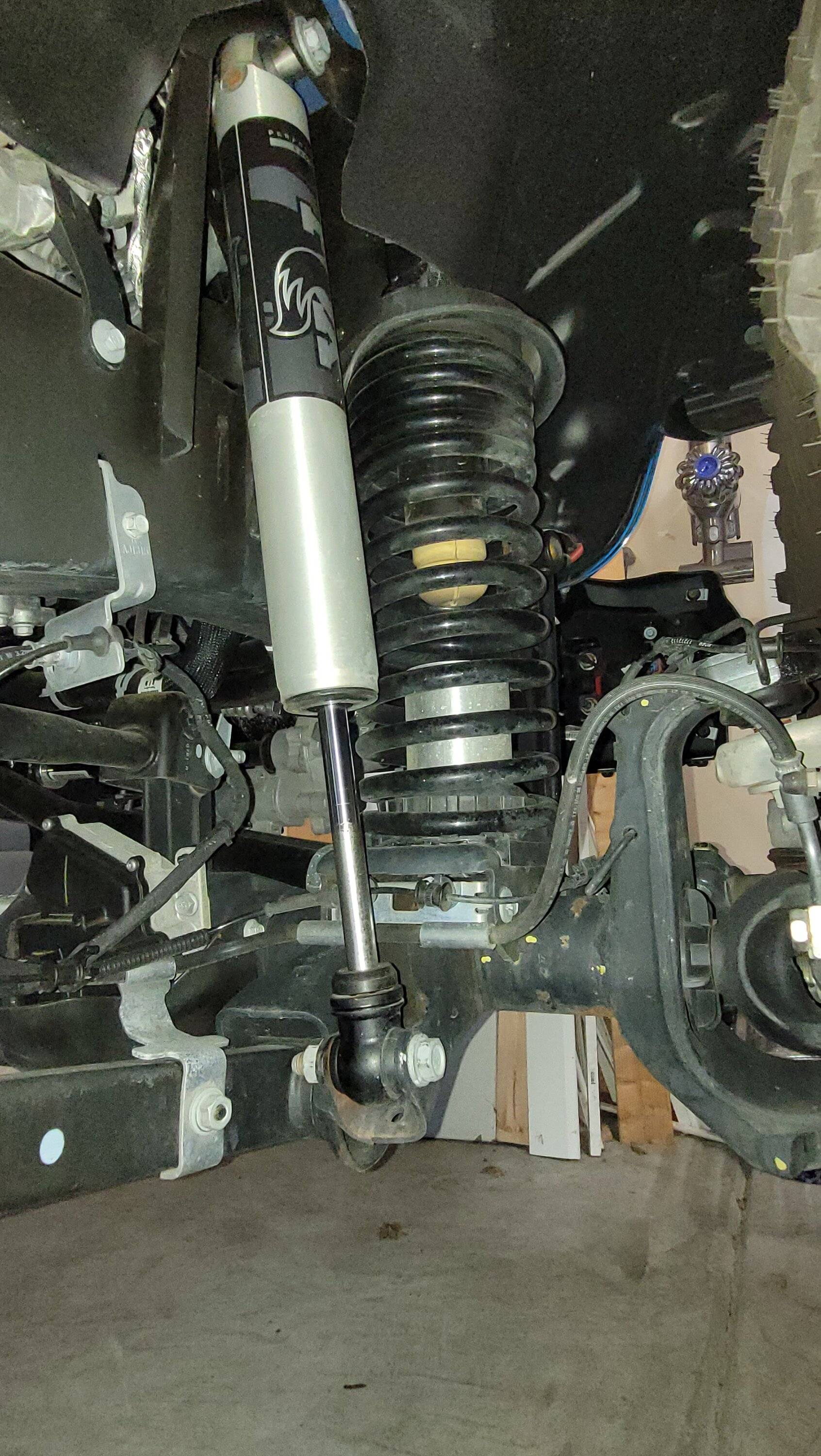
2. Check The Suspension Parts
Lift kits change several parts. Look for these clues:
- Aftermarket springs: Usually taller or colored differently.
- Spacers: Thick discs above or below springs.
- Shocks: Sometimes labeled with lift size.
- Control arms: Aftermarket ones are often adjustable.
Compare what you see to original parts. If you’re unsure, take pictures and search online or ask in Jeep forums.
3. Tire Size Clues
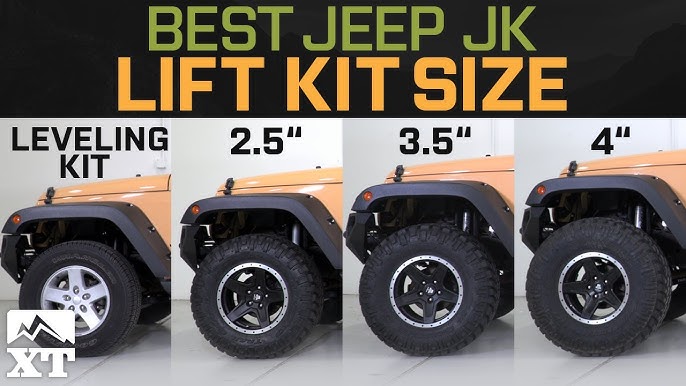
Bigger tires often mean bigger lifts, but this isn’t always exact. For example:
- 33-inch tires: Usually 2-inch lift
- 35-inch tires: Usually 3-4 inch lift
Check your tire sidewall for numbers like 285/75R17. The last number is the rim size, and the first two help calculate tire height.
Here’s a quick comparison:
| Tire Size | Typical Lift Needed |
|---|---|
| 31 inches | Stock or 1 inch |
| 33 inches | 2 inches |
| 35 inches | 3-4 inches |
| 37 inches | 4-6 inches |
Remember, some Jeeps fit bigger tires with trimming, not just lifting.
Common Mistakes When Estimating Lift Size
Some Jeep owners make simple errors that can confuse the real lift size.
- Measuring uneven ground: Always check on a flat surface.
- Ignoring model differences: Each Jeep has unique stock heights.
- Assuming by looks: Two Jeeps with the same lift may look different because of tires or body kits.
Check your vehicle’s VIN online for its original specs. This helps avoid guessing.
Advanced Tips For Accurate Measurement
Most people use basic methods, but a few advanced tips can help.
- Use both front and rear measurements: Sometimes lifts are uneven.
- Check for sag: Old springs can sag, reducing lift height.
- Read kit labels: Some kits have a sticker or stamp showing the exact lift.
If you want precise numbers, use digital calipers or laser measuring tools, but a tape measure works well for most.
What If You Can’t Find The Lift Size?
Sometimes, you can’t find any clear signs. Here’s what you can do:
- Visit a Jeep dealership or trusted mechanic.
- Ask in online forums with photos.
- Look for kit receipts if you bought the Jeep used.
Most shops can measure your Jeep in minutes and tell you the lift size.
How Lift Size Affects Performance
A lift changes more than just looks. Here’s what you should know:
- Handling: Higher lifts can make steering feel loose.
- Fuel economy: Larger tires and higher stance often use more gas.
- Legal issues: Some states limit how tall a vehicle can be.
If you’re planning upgrades, match your lift to your driving needs. For daily driving, a smaller lift is safer.
For off-roading, a bigger lift with strong parts gives better performance.

Comparison Of Lift Heights And Effects
Let’s see how different lift sizes change your Jeep’s capability:
| Lift Size | Pros | Cons |
|---|---|---|
| 1-2 inches | Improved clearance, mild off-road | Limited tire size, minor changes |
| 3-4 inches | Good for bigger tires, serious off-road | May need new driveshafts, affects stability |
| 5+ inches | Extreme clearance, large tires | Expensive, requires many upgrades |
Frequently Asked Questions
How Do I Know If My Jeep Is Lifted?
Measure from the ground to the fender and compare to the stock height for your model. If it’s higher, your Jeep is lifted.
Can I Use Tire Size To Estimate Lift Size?
Yes, but it’s not always exact. Check the tire size and compare it to typical lift requirements. Other modifications can affect fit.
Is It Safe To Drive A Jeep With A Big Lift?
Large lifts can affect stability and handling. Always check local laws and make sure all parts are upgraded to handle the height.
Will A Lift Affect My Jeep’s Warranty?
In most cases, a lift voids parts of your warranty. Check your warranty details or ask your dealership before lifting.
Where Can I Find Official Stock Heights For My Jeep?
Official specs are listed in your owner’s manual or on the manufacturer’s website. You can also check Jeep’s official site for details.
Knowing your Jeep’s lift size helps you drive safer, choose the right upgrades, and stay within legal limits. With simple measuring methods and attention to detail, you’ll always know exactly how much lift your Jeep has.
Whether you’re new to off-roading or planning big modifications, these tips will keep your Jeep running strong and looking great.