If you drive a Jeep, you know how important it is to keep it running smoothly—on the highway or off-road. But what if your ride starts making odd noises, or the steering feels weird?
One common cause is a bad wheel bearing. Many Jeep owners discuss this on forums, but the advice can be confusing.
This guide will show you, in clear steps, how to tell if your Jeep’s wheel bearing is bad. You’ll learn the signs, what to check, and how to avoid mistakes other owners make.
By the end, you’ll be ready to diagnose your Jeep confidently and keep it safe.
What Is A Wheel Bearing And Why Does It Matter?
A wheel bearing is a small metal part inside your Jeep’s wheel hub. It helps the wheels spin with very little friction. If the bearing fails, it can cause serious problems—noisy rides, poor handling, and even wheel detachment in extreme cases. Replacing a bad wheel bearing quickly is important for your safety and your Jeep’s health.
Common Symptoms Of A Bad Wheel Bearing
Most Jeep owners first notice something is wrong when they hear or feel a change while driving. Here are the main warning signs:
- Grinding or growling noise: A bad wheel bearing often makes a deep, rumbling sound. It may get louder as you drive faster or when you turn.
- Vibration in the steering wheel: If the bearing is worn, you might feel shaking, especially at higher speeds.
- Wheel wobble: Jack up your Jeep and try to wiggle the wheel. If it moves back and forth, the bearing might be loose.
- ABS light: Some Jeeps have wheel bearings with built-in ABS sensors. If the bearing fails, it can trigger the ABS warning light.
- Uneven tire wear: A damaged bearing can cause the tire to wear in strange patterns.
- Pulling to one side: If your Jeep drifts to one side, it might be due to a bad wheel bearing.
Not every noise means a bad bearing, so it’s important to check carefully. Jeep forums are full of stories where owners replaced parts that weren’t actually broken wasting time and money.

How To Diagnose A Bad Wheel Bearing
You don’t need special tools to check for a bad wheel bearing. Follow these steps to narrow down the problem:
Listen While Driving
Drive at a steady speed and listen for a humming or growling noise. Turn the steering wheel gently left and right. If the sound gets louder when you turn one way, the bearing on the opposite side is often the problem. For example, a louder noise when turning left usually means the right wheel bearing is bad.
Check For Play In The Wheel
- Park your Jeep on a flat surface and apply the parking brake.
- Loosen the lug nuts slightly (don’t remove them).
- Lift the vehicle with a jack and secure it with jack stands.
- Grab the tire at the top and bottom and try to rock it back and forth.
There should be almost no movement. If you feel play, the bearing could be worn.
Some owners confuse loose tie rods or ball joints with bad bearings, so check these parts too.
Spin The Wheel By Hand
Spin the raised wheel by hand. Listen for grinding or roughness.
A good bearing should spin smoothly and quietly. If you hear scraping or feel resistance, that’s a strong clue.
Compare With A New Bearing
If you’re not sure, compare both sides. A bad wheel bearing will usually sound and feel much rougher than a good one.
Wheel Bearing Failure: Jeep Vs Other Vehicles
How do Jeeps compare to other SUVs or trucks? Here’s a quick look:
| Vehicle Type | Typical Wheel Bearing Life (miles) | Common Failure Signs |
|---|---|---|
| Jeep Wrangler | 80,000–120,000 | Growling noise, ABS light, vibration |
| Ford F-150 | 100,000–150,000 | Humming noise, uneven tire wear |
| Toyota 4Runner | 120,000–180,000 | Wheel wobble, noise when turning |
Jeeps, especially those used off-road, often develop wheel bearing problems sooner due to dirt, water, and rough terrain.
Non-obvious Clues Jeep Owners Miss
Many people on Jeep forums focus only on noise. However, there are less obvious signs:
- Heat near the wheel: After driving, carefully touch the center of each wheel. If one is much warmer, its bearing may be failing.
- Grease leakage: Look for oily spots around the wheel hub. A bad bearing can lose grease, leading to faster wear.
These clues are often missed by beginners. Checking for heat and grease can help you catch a problem before it gets worse.
Common Mistakes When Diagnosing Wheel Bearings
Jeep forums show many owners making the same mistakes:
- Ignoring tire noise: Worn tires can sound just like a bad bearing. Rotate your tires first to see if the noise changes.
- Mistaking brake problems: Sticking calipers or warped rotors can also cause grinding sounds. Inspect your brakes before replacing the bearing.
- Not checking other suspension parts: Loose ball joints or tie rods can feel like a bad bearing. Always check all suspension parts for play.
If you skip these checks, you might end up replacing the wrong part.
How Much Does It Cost To Fix A Bad Wheel Bearing?
The cost depends on your Jeep model and whether you do it yourself or go to a shop.
| Jeep Model | DIY Parts Cost (per bearing) | Shop Labor Cost (per bearing) |
|---|---|---|
| Wrangler JK | $60–$120 | $150–$300 |
| Grand Cherokee | $70–$150 | $180–$350 |
| Cherokee XJ | $50–$100 | $120–$250 |
Doing the job yourself can save money, but only if you have the right tools and experience.
When Should You Replace The Wheel Bearing?
Do not wait if you suspect a bad wheel bearing. Delaying can lead to:
- Damage to the hub or axle
- More expensive repairs
- Increased risk of a wheel coming loose
If you hear a constant growling that gets louder with speed, or feel play in the wheel, it’s time to replace the bearing.
How To Replace A Jeep Wheel Bearing: Basic Steps
If you decide to replace the bearing yourself, here’s a simple overview. Always check your Jeep’s manual for details.
- Loosen lug nuts and raise the vehicle.
- Remove the wheel.
- Take off the brake caliper and rotor.
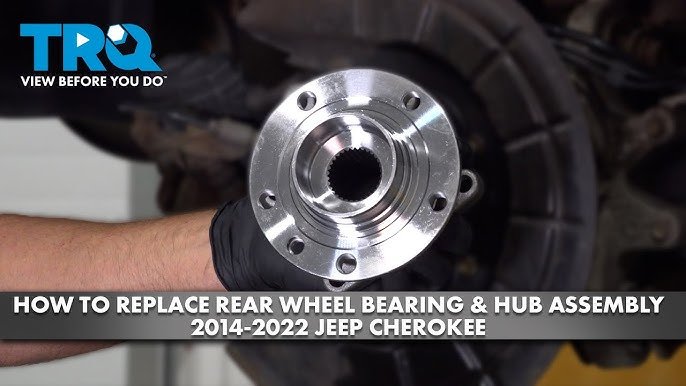
- Unbolt the wheel hub assembly.
- Remove the old bearing and install the new one.
- Reassemble in reverse order.
Some models require a press to remove the bearing, while others use a bolt-on hub assembly.
Key Tools Needed
- Jack and jack stands
- Socket set
- Torque wrench
- Hammer (for stubborn parts)
- Bearing puller or press (for some models)
For a step-by-step guide with photos, check out the official Jeep Owners Site.
How Long Can You Drive With A Bad Wheel Bearing?
Some Jeep owners on forums say you can drive for weeks with a bad bearing. This is risky.
The bearing could fail suddenly, causing you to lose control. If you suspect a problem, avoid long drives and high speeds until it’s fixed.
Wheel Bearing Brands: Which Last Longest?
All wheel bearings are not equal. Here’s a quick comparison of popular brands for Jeeps:
| Brand | Average Lifespan (miles) | Warranty |
|---|---|---|
| Timken | 100,000+ | 1 year |
| Moog | 80,000–120,000 | Limited lifetime |
| SKF | 100,000+ | 3 years |
Choosing a trusted brand can save you from early failures. Cheaper bearings often wear out faster, especially with off-road use.
Pro Tips For Jeep Owners
- Always torque the axle nut to the correct value after replacing a bearing. Too tight or too loose can cause early failure.
- If you off-road often, check your wheel bearings after every big trip. Water and mud can damage seals and wash out grease.
- Don’t ignore small noises. Early action can prevent breakdowns far from help.
Frequently Asked Questions
What Does A Bad Wheel Bearing Sound Like On A Jeep?
A bad wheel bearing usually makes a low growling or humming sound. It often gets louder with speed or when you turn. Some describe it as similar to the noise of driving on rough pavement, even when the road is smooth.
Can A Bad Wheel Bearing Cause Vibrations?
Yes, a failing wheel bearing can cause vibrations in the steering wheel, especially at higher speeds. However, vibrations can also come from unbalanced tires or worn suspension parts, so always check these too.
Is It Safe To Drive With A Bad Wheel Bearing?
It’s not safe. A bad wheel bearing can get worse quickly, possibly causing the wheel to lock up or fall off.
If you suspect a problem, drive slowly and repair it as soon as possible.
How Long Does It Take To Replace A Jeep Wheel Bearing?
For most Jeep models, a skilled DIY mechanic can replace a wheel bearing in 1 2 hours. Shops may take less time with power tools.
If it’s your first time, plan for up to half a day.
Can I Replace Just One Wheel Bearing, Or Should I Do Both?
You can replace just the bad bearing, but if one has failed due to age or rough use, the other may fail soon. Many Jeep owners choose to replace both sides for peace of mind, especially before long trips.
Keeping your Jeep safe and quiet means paying attention to small warning signs. A bad wheel bearing is a common issue, but with the right checks and a little knowledge, you can fix it before it becomes a major problem.
Armed with these tips, you’ll be better prepared than most forum users and can help others avoid costly mistakes.