Wrangler Door Removal may look like a simple task, but model year and fitted equipment can change the answer. Inspect generation first, then review storage so the next step matches this Jeep.
Quick Answer
Wrangler door removal is easier when you prepare storage, protect painted edges and disconnect door straps and wiring correctly. Mirror and road-use rules also deserve attention before driving without the factory doors.
Check Local Rules and Mirror Needs
Driving requirements vary. Confirm the mirrors and safety equipment required where you live before removing doors for road use.
Prepare a Padded Storage Area
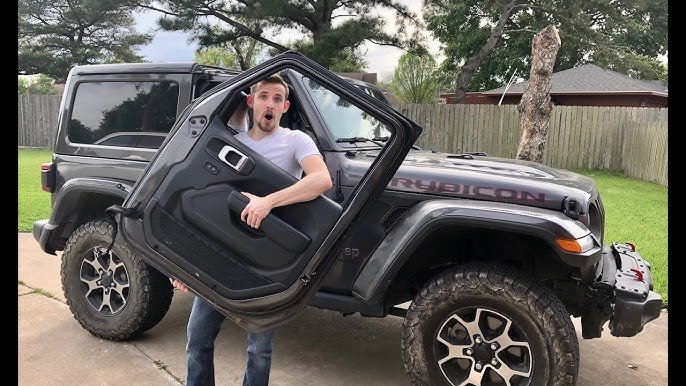
Wrangler doors are awkward to balance. Use a stable stand or padded wall system and clear a route before lifting.
Disconnect Wiring and Straps Carefully
Door connectors and limiting straps should be released according to the exact generation. Pulling on wires creates avoidable repairs.
Protect the Hinge Area
Keep hinge bolts organized and avoid swinging a loose door into painted bodywork.
Key Details to Check
| Item | What to verify | Why it matters |
|---|---|---|
| Generation | Exact Wrangler year | Door wiring and hardware vary |
| Storage | Padded stand or secure wall mount | Protects paint and door edges |
| Connections | Door strap and electrical plug | Prevents wiring damage |
| Mirrors | Legal and visibility requirements | Supports safer road use |
| Weather | Forecast and cabin protection | Open cabins need planning |
Step-by-Step Review
- Park on level ground and lower the windows.
- Prepare padded storage and label bolt locations.
- Open the matching Wrangler manual.
- Disconnect the door strap and electrical connector carefully.
- Remove the specified hinge hardware.
- Lift each door under control and store it immediately.
- Install approved mirror solutions when required and check the weather.
Common Mistakes to Avoid
- Removing doors before preparing storage.
- Letting the door swing against the body.
- Pulling on the wiring harness.
- Leaving bolts loose in the cabin.
- Driving without checking mirror rules.
A Better Decision Rule for Wrangler Door Removal
Door removal should feel organized, not improvised. Prepare storage, disconnect the correct parts and solve mirror requirements before the first drive.
For Wrangler door removal, begin with generation and storage. Prepare padded storage and label bolt locations.
This keeps the next Wrangler door removal decision connected to evidence from the same Jeep.
When to Stop and Get Help
Stop when a connector resists release, a hinge binds or safe door storage is unavailable.
When Wrangler door removal moves beyond a routine owner check, save the latest observation and use qualified help. That handoff is more useful than changing several parts or settings at once.
Keep a Useful Vehicle Record
Save photos of connector routing and the storage arrangement.
Add the Jeep model year, VIN, mileage and the date of the Wrangler door removal review. A focused Wrangler door removal note helps the next owner, parts counter or workshop understand what was checked.
Check the Result Under Normal Conditions
For Wrangler door removal, a parked inspection is only the beginning. Once the basic work is complete, compare Connections and Weather under safe normal-use conditions. Record anything that changed after disconnect the door strap and electrical connector carefully.. If the Wrangler door removal outcome is inconsistent, repeat the same check before moving to a more expensive repair.
Before You Finish
- Confirm generation: Exact Wrangler year.
- Review storage: Padded stand or secure wall mount.
- Check connections: Door strap and electrical plug.
- Complete this follow-up step: Install approved mirror solutions when required and check the weather.
- Avoid this common mistake: Removing doors before preparing storage.
What to Save With the Jeep Records
For How to Take the Doors Off a Jeep Wrangler: Removal, Storage and Mirror Checklist, save the model year, VIN, mileage, one photo or screenshot, and the result of the final check. Add any receipt, scan report, alignment sheet, battery test, part number or manual page that applies to this Wrangler door removal topic. These Wrangler door removal details reduce confusion when the Jeep needs seasonal setup, resale research or another workshop visit.
Door Storage and Weather Planning
Door removal changes the day's plan. Check the weather before leaving home, carry a way to protect the cabin and decide where the doors will remain until reinstall.
A padded cart or wall rack should keep the door edges away from concrete and sharp hardware. Label bolts and connector covers.
Before driving, confirm mirror visibility and local requirements. The open-air experience is better when storage and road safety were solved first.
Reinstall Check Before the Next Drive
When the doors return to the Wrangler, lower them carefully onto the hinges and reconnect the straps and electrical plugs without pinching wiring. Confirm locks, windows, mirrors and door-ajar behavior before moving the Jeep.
Check that bolts and covers are stored or reinstalled as intended for the generation. A short parked function test catches a loose connector before rain, highway noise or a warning message turns the reinstall into another job.
Mirror Setup After Door Removal
Before driving a doorless Wrangler, confirm that the mirror solution provides a clear rearward view and meets local requirements. Adjust the mirrors while parked and check vibration at low speed.
A loose accessory mirror may look acceptable in the driveway but become difficult to use on the road. Tighten approved hardware before normal driving.
Frequently Asked Questions
Are Wrangler doors heavy?
They are awkward enough to deserve a controlled lift and padded storage.
Can I drive without doors?
Check local rules and mirror requirements first.
Why lower the windows?
A lowered window may make handling and storage safer for the glass.
Final Takeaway
Finish the Wrangler door removal review only after the Jeep has been checked under safe conditions. Save the Wrangler door removal result, note any remaining concern, and avoid normal use when the final inspection raises a safety question.