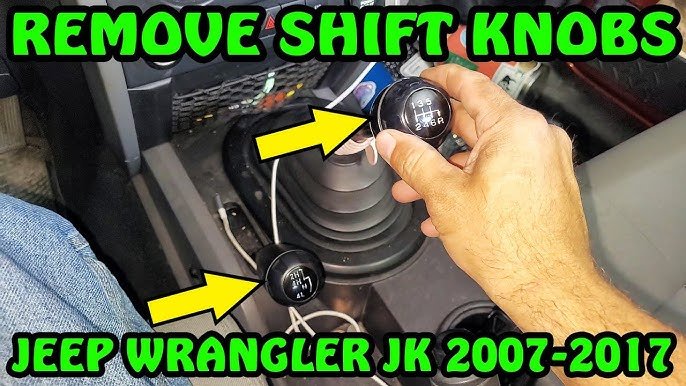
Removing the shifter knob on a Jeep Wrangler is a task many owners face, whether for repairs, upgrades, or customizing their interior. The process can seem tricky, especially if you’re new to car maintenance. However, with the right steps and a bit of patience, you can safely take off the shifter knob without damaging your vehicle. This guide will walk you through the procedure, offer tips, and highlight mistakes to avoid.
Understanding Your Jeep Wrangler Shifter Knob
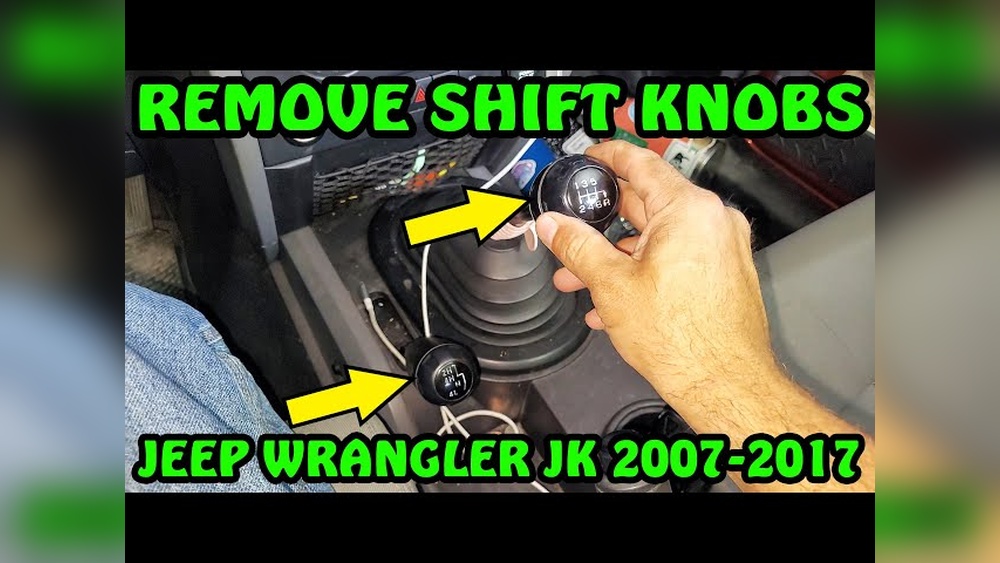
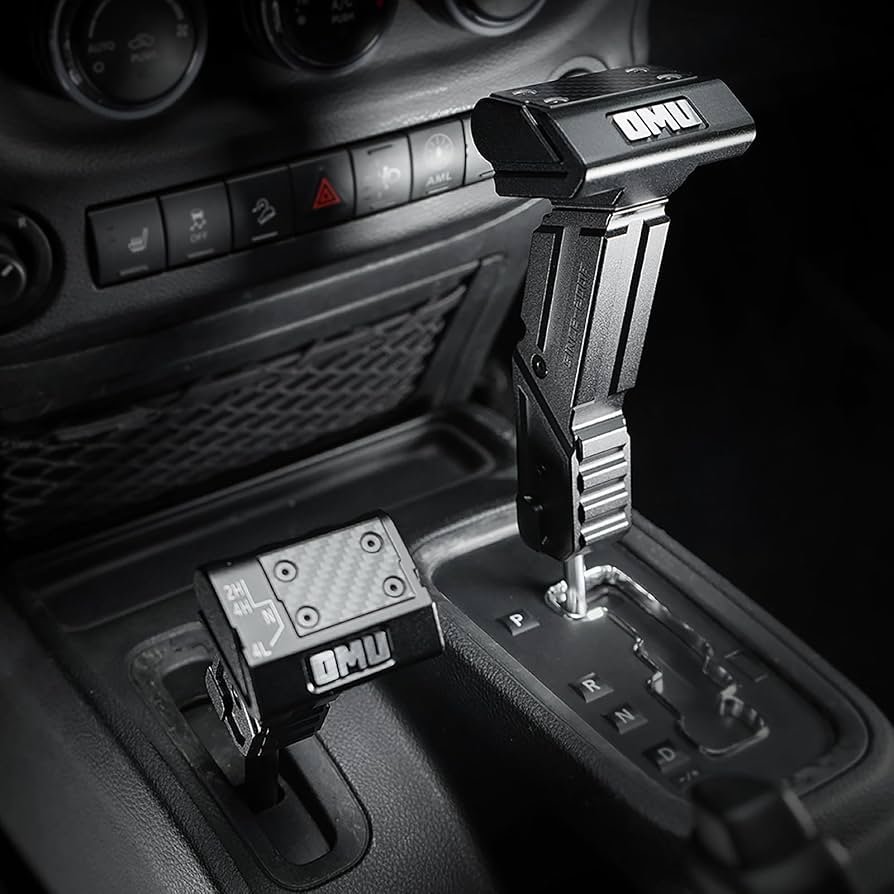
The shifter knob is the handle at the top of your Jeep’s gear stick. It lets you shift gears smoothly and is often replaced for style or comfort. Jeep Wranglers have different shifter knob designs based on the model year and transmission type (manual or automatic). Knowing which type you have is important before you start.
Here’s a quick comparison of shifter knob types:
| Jeep Wrangler Model | Transmission | Shifter Knob Type |
|---|---|---|
| JK (2007-2018) | Manual | Threaded |
| JK (2007-2018) | Automatic | Push-on/Clip |
| JL (2018-present) | Manual | Threaded/Push-on |
| JL (2018-present) | Automatic | Push-on/Clip |
If you’re not sure about your Jeep’s shifter knob type, check your owner’s manual or look for online forums. This can save time and prevent mistakes.
Tools And Materials Needed
Before starting, gather these items:
- Flathead screwdriver
- Allen wrench (if needed)
- Clean cloth
- Lubricant (optional)
- Replacement shifter knob (if swapping)
Having the right tools makes the job easier and helps avoid damaging your Jeep’s interior.

Step-by-step Guide: Removing The Shifter Knob
Follow these steps carefully to take off your Jeep Wrangler’s shifter knob.
1. Prepare Your Workspace
Park your Jeep on a flat surface and turn off the engine. Make sure the parking brake is engaged.
Place a clean cloth around the shifter area to protect the console from scratches.
2. Identify The Knob Attachment
There are two main ways the knob attaches:
- Threaded: The knob screws onto the shifter.
- Push-on/Clip: The knob is pressed onto the shifter, sometimes with a clip or pin.
Check if there’s a visible screw, clip, or pin on the knob’s base.
3. Remove A Threaded Shifter Knob
If your knob is threaded:
- Grip the knob firmly.
- Turn it counterclockwise to unscrew.
- If it’s stuck, use a cloth for better grip or add a little lubricant.
- Once loosened, keep turning until it comes off.
Beginners often forget that some threaded knobs may have a locking nut below. If so, loosen the nut first with an Allen wrench.
4. Remove A Push-on Or Clip Knob
For push-on or clip knobs:
- Inspect the base for a small pin or clip.
- Use a flathead screwdriver to gently pry off the clip.
- Pull the knob straight up with steady force.
- If it’s tight, wiggle it gently—avoid excessive force.
Some Jeep Wrangler knobs have a hidden clip beneath a plastic cover. Carefully remove the cover before accessing the clip.
5. Clean The Shifter Shaft
After the knob is off, wipe the shifter shaft with a clean cloth. Remove any dust, dirt, or leftover lubricant. This helps the new knob fit snugly.
6. Install The Replacement Knob (optional)
If you’re changing the knob:
- Align the new knob with the shaft.
- For threaded types, screw it on clockwise.
- For push-on types, press down firmly until it clicks.
- Secure any clips or pins as needed.
Always test the knob by shifting gears to make sure it’s firmly attached.
Common Mistakes And How To Avoid Them
Many Jeep owners make simple mistakes that can lead to damage or frustration. Here are two non-obvious insights:
- Forgetting about hidden clips: Some knobs have clips inside or under covers. If you pull without checking, you might break the knob or shifter.
- Using too much force: Applying too much strength can damage the shifter’s threads or bend the shaft. If the knob won’t budge, check for hidden fasteners first.
Troubleshooting: If The Knob Won’t Come Off
If you’re stuck, try these tips:
- Spray a small amount of lubricant at the base and wait a few minutes.
- Tap the knob gently from below to loosen it.
- Double-check for hidden screws, nuts, or clips with a flashlight.
Here’s a quick table comparing common issues and solutions:
| Problem | Possible Cause | Solution |
|---|---|---|
| Knob stuck | Rust or dirt | Use lubricant, clean shaft |
| Knob spins but won’t come off | Locking nut present | Loosen nut with wrench |
| Knob won’t budge | Hidden clip/pin | Inspect and remove clip |
| Knob damaged | Excessive force | Replace with new knob |
Safety Tips
- Always work with the vehicle off and parking brake engaged.
- Avoid using metal tools directly on plastic parts.
- Keep small parts (clips, pins) in a safe place to avoid losing them.
If you’re unsure about any step, consult your owner’s manual or ask for help from a Jeep mechanic. You can also find detailed guides at Jeep Official Site.
Frequently Asked Questions
How Do I Know If My Shifter Knob Is Threaded Or Push-on?
Check the base of the knob for visible threads or a screw. Threaded knobs usually have a spiral pattern at the bottom.
Push-on knobs often have clips or pins but no visible threads.
Can I Change The Shifter Knob To Any Style I Like?
Most Jeep Wrangler shifter knobs can be replaced with aftermarket styles. Make sure the new knob matches your shifter’s shaft diameter and attachment type.
Is It Possible To Damage The Shifter Shaft When Removing The Knob?
Yes. Using too much force or the wrong tools can bend or scratch the shaft.
Always remove clips or nuts before pulling the knob.
How Long Does It Take To Remove And Replace A Shifter Knob?
For most Jeep Wranglers, the job takes about 10 20 minutes. If you’re new or the knob is stuck, it may take a bit longer.
Will Removing The Shifter Knob Affect My Jeep’s Warranty?
Replacing the shifter knob usually does not void your warranty. However, damaging the shifter assembly could cause problems. Check your warranty terms to be sure.
Changing your Jeep Wrangler’s shifter knob is a simple task that can refresh your vehicle’s look and feel. With careful steps, the right tools, and attention to detail, you’ll avoid common mistakes and finish the job smoothly.
If you ever feel uncertain, don’t hesitate to seek professional help or visit official resources for guidance.